

In today’s fast-paced world, procrastination has become a habit for some of us. We delay paying invoices, scheduling dentist appointments, and even taking out the rubbish. However, the consequences of prolonged procrastination can be more serious than we often realize.
Consider the pressing issues of our time. Delaying action on global challenges can lead to irreversible consequences, just like neglecting tasks in our personal lives. Think for instance at our health; ignoring the first signs of illness can result in missed opportunities for effective treatment.
The Latin roots of the word “procrastinate” shed light on its meaning: “pro” means for, and “cras” translates to tomorrow. In essence, procrastination is the act of postponing tasks, often with the misguided belief that they will somehow become less tedious or disappear.
Statistics from the United States reveal that approximately 20% of the population habitually procrastinates, deferring tasks as if expecting them to magically become more manageable. Yet, reality proves otherwise.
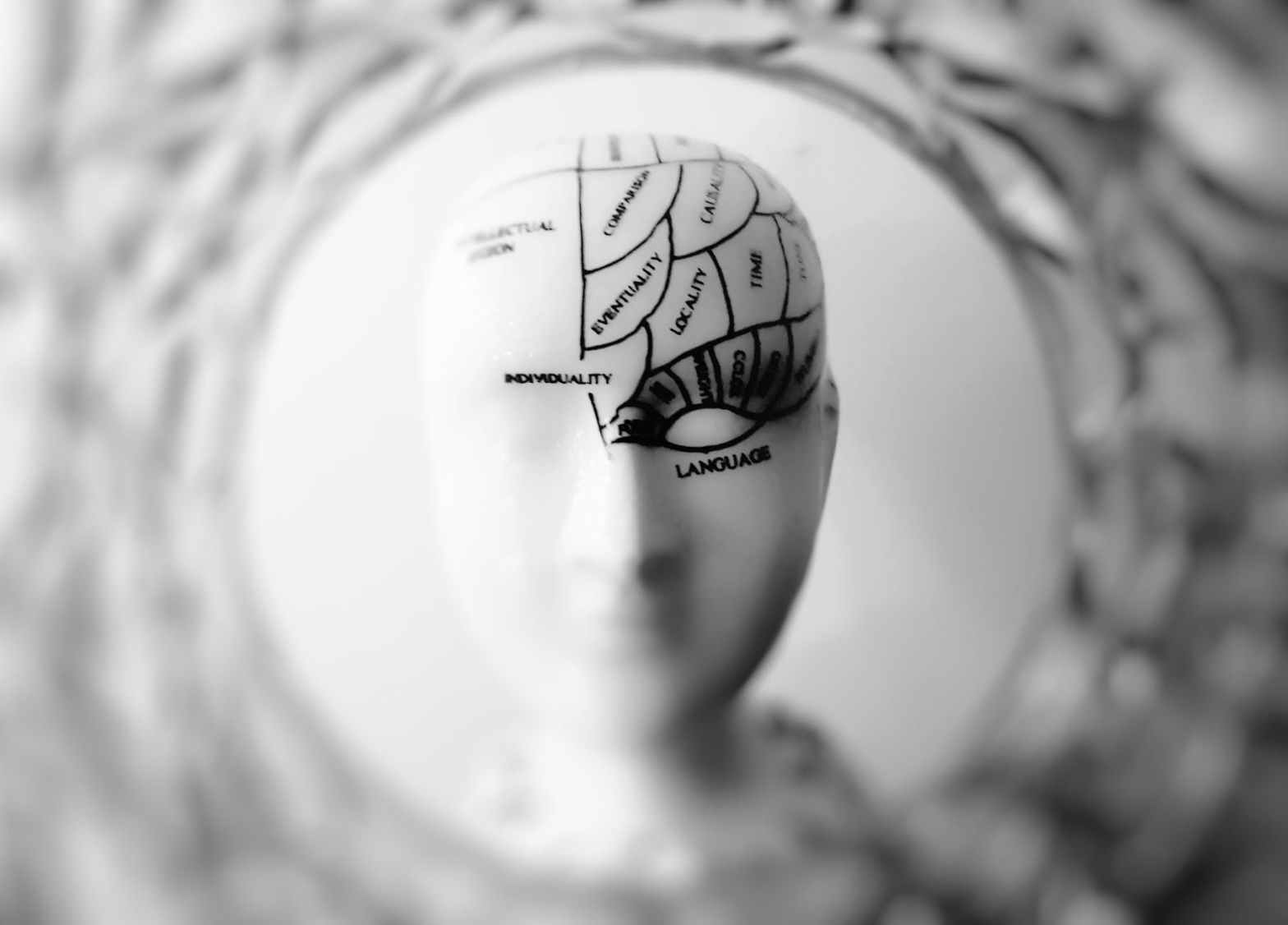
Fascinating insights from a study conducted by Chinese researchers indicate that procrastinators exhibit hyperactivity in certain intellectual regions. These regions are part of a network associated with mind wandering. When faced with tasks like scheduling a dentist appointment or paying an invoice, these hyperactive centers divert attention, prompting the procrastinator to contemplate other, more appealing thoughts and concoct excuses to avoid unpleasant tasks.
Conversely, individuals who meticulously plan and complete tasks in advance demonstrate high activity in the brain’s focus-enhancing zone. This area inhibits mind wandering, enabling them to stay concentrated on the task at hand. For those who work diligently according to a schedule, distractions are minimized, ensuring a more focused and productive approach.
So, what can be done to overcome the allure of procrastination? Recognizing that the brain is a muscle with inherent plasticity, it becomes clear that we can actively train and shape it. Developing habits that prioritize focus and planning can help build resilience against the wandering tendencies that lead to procrastination.
In a world filled with distractions and demands, embracing proactive approaches to tasks, training our mental muscles, and tapping into the brain’s plasticity can pave the way for a more efficient, productive, and fulfilling life. After all, in a culture where tomorrow is often the default setting for action, seizing the present moment can be a powerful antidote to the procrastination epidemic.
Would you define yourself as a procrastinator?
Thank you for reading my post. If not done yet, please subscribe to my blog, crisbiecoach. I also publish on Wise&Shine where you can find more posts from fantastic bloggers.








 Crisbie Coach