Discover 5 Effective Ways to Relax and Unwind: A Guide to Self-Care

Are you feeling the need to relax but unsure which relaxation method suits you best? Let’s explore some of my favorite techniques which can help you unwind and rejuvenate. Choose the one that resonates with you the most, and embark on a journey of self-care.


  1. Mindful Breathing: Embrace the Power of Conscious Respiration – Have you tried mindful breathing to ease stress and promote relaxation? Unlike our usual unconscious breathing, mindful breathing requires intentional focus. Find a comfortable spot, sit down, and inhale deeply through your nose, allowing your belly to expand. Exhale slowly through your mouth, emptying your belly. Concentrate on the rhythmic flow of air through your body. Practicing this mindful breathing technique at least three times a day can significantly reduce stress. You can do it anywhere, anytime – just take a minute for deep, conscious breathing, and feel the relaxation take over.

  1. Meditation: Embracing Mindfulness for Inner Peace – Discover the simplicity of mindfulness meditation to care for your mind and well-being. Close your eyes and concentrate on the sensation of air entering and leaving your nostrils. Stay focused, redirecting your attention to your breath if your mind wanders. Meditation doesn’t have to be complicated – even a few minutes can make a difference. For those who love technology, there are meditation apps that guide and support your journey. Incorporate short meditation sessions to your day to experience a profound sense of tranquility.

  1. Massage: Unlock Serenity and Well-Being – Tension can melt away with a soothing massage, providing a sense of serenity and relaxation. If you can’t access a professional massage, consider massage devices for targeted relief on your neck, feet, back, or head. From massage chairs to eye masks, various tools are available to help you unwind. Try simple solutions like rolling tennis balls under your feet for a DIY reflexology session. Reclaim your calm and bid farewell to stress.

  1. Yoga and Pilates: Nurturing Physical and Mental Health – Explore the combined benefits of Yoga and Pilates for both physical and mental well-being. While Yoga emphasizes the mind-body connection, Pilates engages your muscles deeply. Whether you prefer the meditative flow of Yoga or the dynamic exercises of Pilates, these disciplines contribute to overall health. Incorporate these practices into your routine to enhance relaxation and build resilience against life’s challenges.

  1. Aromatherapy: Elevate Your Mood with Aromatic Bliss – Harness the power of aromatherapy by using plant essences to promote relaxation. Essential oil diffusers can atomize oils, creating a calming atmosphere. Some favorite relaxation oils include Lavender, Neroli, Marjoram, Grapefruit, Mandarin, and Scots Pine. Each oil brings its unique properties, from sedative and calming effects to stress relief and emotional balance. Experiment with these scents to find the perfect aromatic escape that suits your relaxation needs.

These are my top relaxation methods, each offering a unique path to tranquility. Choose the one that resonates with you or mix and match to create your personalized self-care routine. Remember, taking care of yourself is a powerful step towards a more relaxed and balanced life. Share your favorite relaxation method or discover new ones to enhance your well-being!

Thank you for reading! Please sign up for my blog crisbiecoach so you don’t miss out on any posts!

How to Embrace Autumn While Maintaining Your Optimal Health

It’s autumn already and just as the trees shed their leaves during the this season, we may experience changes in our hair health, and more generally in our health.

One natural remedy that can help combat hair loss is nettle. Packed with silicon, iron, vitamin B, and a plethora of essential minerals, nettle plays a crucial role in preventing anemia while also offering the additional benefits of gently aiding kidney function and promoting the strength and vitality of your hair, nails, and skin.

To harness these benefits, consider incorporating nettle into your daily routine during the autumn months, either in the form of powdered supplements or convenient capsules. Doing so can lead to noticeable improvements, such as fuller hair, fortified nails, and a newfound radiance in your skin.

As the days become shorter and the temperatures drop during the autumn season, it’s common to experience a dip in motivation. This is where rhodiola can come to your aid. Rhodiola is a remarkable plant with antidepressant properties that enhance dopamine production in the brain. This boost in brain chemistry can help you maintain high your motivation and enthusiasm for embarking on new projects, whether they are personal or professional, even as the days darken. Furthermore, rhodiola can be an invaluable tool in preventing burnout.

Lastly, orange leaves can offer solace to the soul by soothing anxiety, stress, and nervousness. It is said that these leaves can reconnect you with your inner child. They are an exceptional nervous system rebalancer, boasting antispasmodic properties, especially effective for calming spasms of nervous origin, such as coughing or abdominal discomfort.

However, it is crucial to note that if you have any specific health conditions or if you are pregnant, consulting with your healthcare provider is highly recommended before incorporating these plants into your wellness routine. Plants possess powerful properties, and medical supervision ensures your well-being and safety.

Ready to embrace a healthier autumn?

Get Your Energy Back by Following These 5 Tips

Summer brings back light and it is the perfect time to recharge your batteries and repair your body, your spirit and your soul. Find your energy to get a good start again.

Summer is a good season for renewal. Every sunny day is a new departure. Each morning represents a new chance to reach your goals and follow your dreams.  

To get the best out of this summer spirit, here are 5 tips to regain your well-being.

1. Take care of yourself and adopt a healthy sleep pattern. Sleep is essential for physical and mental well-being, specialists recommend sleeping between 7 and 9 hours per night. Feeling rested after a good night’s sleep allows you to better manage your energy during the day.

Tips: Plan your day the night before. In the evening, do restful activities. Create an environment favorable to rest by eliminating strong light and screens (TV, computer but also mobile phone) in your room. Practice yoga or meditation exercises.

2. Energy is on the plate. Breakfast is the most important meal of the day. With it, you establish the blood sugar level, avoid the cravings during the morning and give your body the energy it needs to function. Beware of some foods that could be counterproductive. Too sweet food gives you an immediate energy boost but, when over, it will leave you more tired than before.

Tips: Avoid sugars and caffeine in excess and favor food that makes you feel full, such as bananas or apples. Drink large quantities of green tea (which also helps weight loss and prevents cell aging). Buy fresh fruit and vegetables and try to eat less refined food (whole grains would be great). Make the menu of your week and fill up the fridge to avoid coming home hungry and having nothing to eat. By doing so, you will eat what you have and will not order food to be delivered at home. Establish a regular daily meal pattern. If you cannot cook, have you ever thought about learning it?

3. Meditation is useful for your well-being. We live at high speed. Sometimes this rhythm of life prevents us from fully living the things we do and focusing on them. Many activities can help us take better advantage of the present moment and meditation is at the top of the list. Before going to work, focusing on the rhythm of breathing (inhale and exhale) can help you face the day more calmly. Meditation has beneficial effects on the brain and general well-being.

Tips: Meditate every day at the same time: wake up your senses by disconnecting yourself for a few minutes. You do not have time? Try meditating in the shower or while you are on the bus or on the metro! It is enough to breathe with awareness. Relax while remaining alert. Follow your cat’s example, if you have one. But don’t meditate while driving!

4. Move to reduce your fatigue. Even if this statement may seem contradictory, sport is the best way to lighten your spirit up, remove your anxiety and regain your energy. Physical activity can stimulate the mitochondria, which are the generators of the body’s energy. So what are you waiting for? Put your sneakers on!

Tips: Walk at least 10,000 steps a day (I know, they are a lot). Try the sun salutation, a sequence of yoga positions that helps you release endorphins in the blood and then helps you be in a good mood and energized. Practice yoga, Pilates, take a bike ride or a walk with your colleagues. Walk with awareness, focusing on each one of your steps and trying to feel the contact with the ground from the top of your heels to the tip of your toes.

5. More emotional balance for more energy. We often overlook the importance of emotional balance in everyday life. The harmony of the emotions can help us feel better and improve our relationships with others. Pay attention to your emotions and learn to manage them. Do not prevent yourself from expressing them, in the appropriate ways and occasions, of course, otherwise you risk that they would become too intense and then you will no longer take control over them. Take full advantage of positive emotions and try to accept your feelings in moments of sadness or distress. Emotions have their reason for being: they are the ones who determine our actions.

Tips: Try looking at things from a broader perspective: everything in life is useful, even if it does not seem like that. Try not reacting immediately, breathe deeply and remind yourself that it will go away. If you really have to take a position, count up to ten before speaking. Set goals regularly to get the best out of yourself by living again your feelings or thoughts.

What do you think about those simple tips?

Please subscribe to my blog so you won’t miss any tips on wellbeing!

A Zen Story – The Quality of Our Effort

Do you know the Zen story of the young man who crosses Japan to reach the school of a famous martial arts master?

When he arrives at the dojo, the teacher asks him:

What can I do for you?”

The boy replies: “I want to study with you and become the best fighter in the whole region.”

How long will it take me?

10 years at least,” the teacher replies. “10 years is a very long time – replies the boy – What if I study two times more than all your students?

20 years then” – the master replies.

The boy, puzzled, replies “and if I train all day and night long with all of myself?

“30 years,” the teacher replies.

At this point the young man replies: “How is it possible that the more I say that I will work hard, the longer it will take me?

The answer is simple – concludes the master – “when you have one of your eyes fixed on the goal, you have only the other one left to find the way. »

How would you interpret this story?

Personally I consider it an important reminder of how it is not necessarily a more intense effort that can help us get sooner to the destination we have in mind, but rather an attention to the quality of our effort.  
Doing better step by step than trying to do more by burning down the steps will put less stress and anxiety in our lives.

It’s a bit like when we train our body. Practising intensive sports from time to time will only serve to traumatize your body. While a constant but carefully calibrated effort allows us not only to achieve lasting results, but to make each step of the journey much more enjoyable.

How could you reduce the intensity of the effort by improving its quality?

I Accept Myself As I Am

After finishing my training to become a coach (already a long ago, in 2017), I began to recite a mantra that sounds like this: 

I love and accept myself as I am.

Every time I argue with my husband, especially when he doesn’t like some of my behaviour, I go with my mantra: I love and accept myself as I am.

What does it mean to love and accept ourselves as we are?

First, it means having a healthy relationship with ourselves, namely clogging the genuine belief that we are enough and not continuing to try to be “validated” by others.

Self-acceptance is not just about your body. Sometimes when we look in the mirror (especially us women) we do not like ourselves, we see ourselves fat, a little older, with dark circles under our eyes and who knows what other defects. Our body is the most visible part of ourselves, and commercials make us see people in great shape, always perfect and beautiful.

But also our personality is important of course, and it is crucial to accept ourselves as we are.

Why is accepting oneself so important?

Research has shown that non-acceptance of oneself or poor self-acceptance can be the cause of depression and anxiety. In addition, a negative image of ourselves can even cause eating disorders that could also turn into obesity.

Although accepting ourselves as we are would make us feel better, it is not easy, because we always seek others’ approval. This is also the result of social conditioning, which pushes us to always seek validation from the group, from the community we belong and feel part of.

Moreover, today, with the massive use of social media, we tend more and more to compare ourselves to others, we want to get as many likes as possible, to feel part of something that goes beyond our identity, and prevents us from achieving a well-being based on who we really are and what we seek in life, our purpose, why we are on this planet, in one word, your Ikigai, as the Japanese would say.

We think that judgment, the approval of others contributes to our well-being, when in reality it is not like that.

Ask yourself the following questions:

  1. Who are these “others” whom you trust so much that you let them judge you?
  2. Do you really know them well?
  3. Why do you trust their judgment?

Remember: accept yourself for what you are, with all your strengths and weaknesses.

Make my mantra yours: I love and accept myself as I am.

A Glass Full of Water

You all know about the half empty or half full glass of water. By saying how you see it, you will understand if you are an optimist or not.

And if you would like another perspective on a half empty or half full glass, you can read Wynne’s post The Glass Is Refillable.

But what you are going to read here is something different that I saw recently in a simple, short but very effective video.

A professor during a lecture surprised his students by showing a full glass of water in his hand.  The students, who thought he would talk about the classic concept of a glass half empty or half full were amazed when he asked them about the weight of the glass. His intention was quite different, in fact he did not want to explain the concept of glass half empty or half full.

The answers were different and most of them could be considered acceptable. However, the explanation given by the professor was different and much deeper.

The weight of the glass depends on the time you will have to hold it. If you hold it in your hand for 5 minutes, it is very unlikely that you will have troubles. However, if you hold it in your hand for 2 hours, the arm will get tired. And if you hold it even longer, let’s say one day, the arm will be as if paralyzed and eventually the glass will fall.

The same happens with stress.  If you are under stress for a relatively short period of time you will have no side effects. But if you experience stress for weeks and months, you may eventually get sick.

The disease in this case would be of psychosomatic origins.

What is a psychosomatic disorder?

The word psychosomatic comes from the Greek psyche “soul” and soma “body”. A psychosomatic illness occurs when the mind creates an alteration of the body.

For example, imagine that you have a colleague, or a person you know, who often criticizes you.

Their criticisms are not sporadic, on the contrary they are recurrent enough to become a habit. This behaviour also creates a negative environment around you.

If you can’t get rid of this stress in time, you’ll accumulate so much negativity that it could cause side effects on your health. It would be like holding a glass full of water for a whole day.

This reality is unfortunately so common that it is even believed that some physical illnesses can worsen due to mental factors such as stress and anxiety. It is believed, for example, that conditions such as psoriasis, eczema, gastric ulcers, hypertension and many heart diseases can occur due to psychosomatic problems such as stress or anxiety.

Would you like to learn some techniques to reduce stress: have a look at the conclusion on this article published on wiseandshinezine.com.

What about you? What are the solutions you adopt to fight your stress?

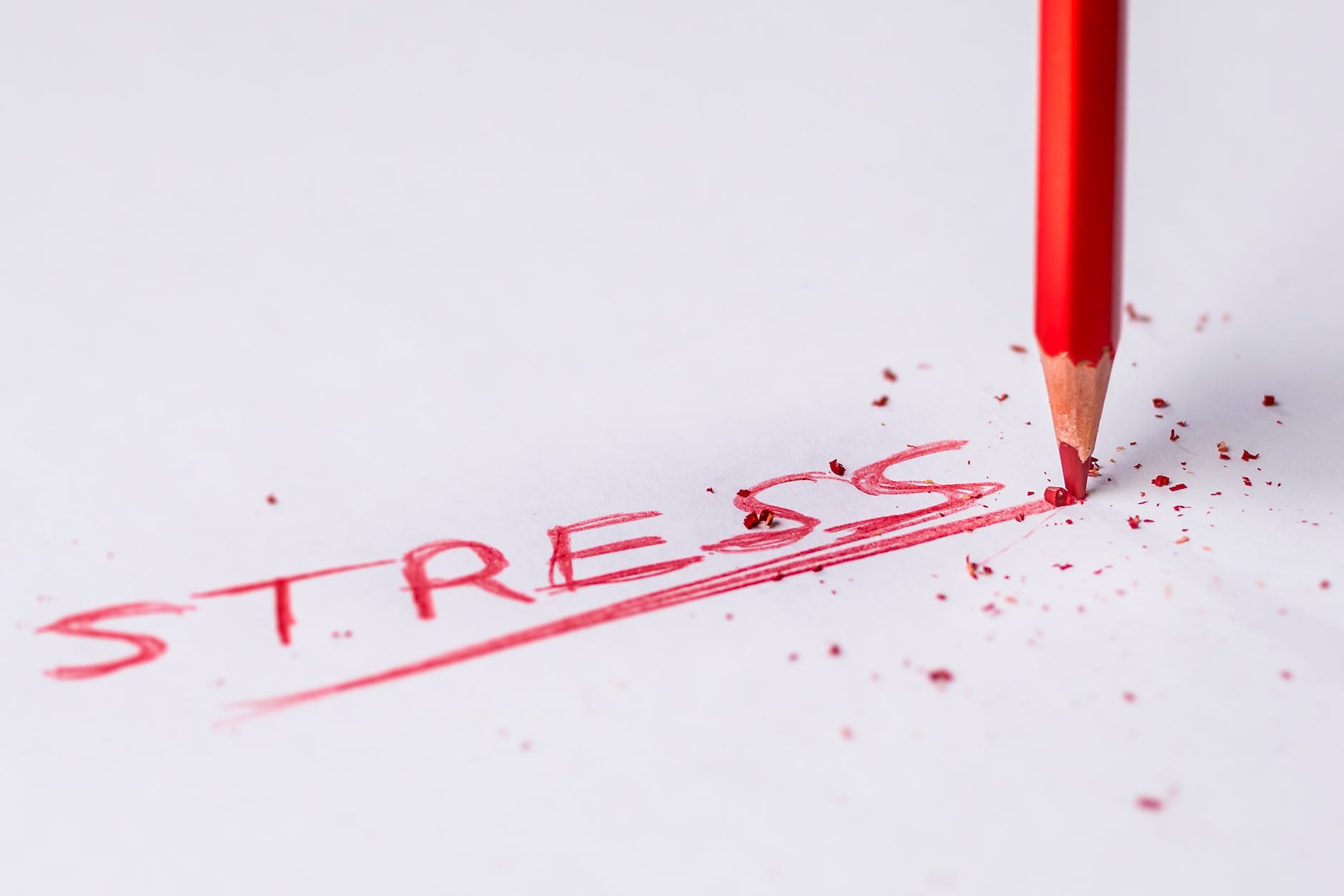
stress handwritten text on white printer paper
Stress – Photo by Pedro Figueras on Pexels.com

Would You Recognize Anxiety in One of Your Friends?

If you have been lucky enough not to have suffered from anxiety disorders, you may not understand what it means to be in such a situation of psychological distress.

Family or friends, mostly out of fear, tend to think that the person suffering is not strong enough or determined to get out of it.  However, no one chooses to be anxious or depressed, and no one has the magic wand to put an end to such suffering.

Moreover, people who suffer from anxiety are not as easily spotted as you may think. Many victims of anxiety often wear an unconscious mask of confidence and apparent happiness.

They want to hide a disorder that is very difficult to live with because they feel the constant apprehension of revealing it to their loved ones. Anxious people would not want to cause additional worries that could be difficult for their family and friends to deal with. They are also afraid that the relationships could be strongly impacted.

Therefore it may be difficult for families and friends to detect or recognise anxiety disorders.

However, if one of your friends in distress would end up speaking to you about their true condition, then you could try to provide appropriate support. Dialogue, emotional presence and referral to health professionals such as a psychotherapist who would help identify the basic problem are some of the first steps towards healing.

Would you like some tips on getting rid of anxiety? Have a look here!

Why Being Curious Is Worth

We are all born curious. Think about when you were a child or at children you know. They are extremely curious, aren’t they? They ask a lot of questions and they put themselves in dangerous situations.

Curiosity has great benefits: from rejuvenating your minds to helping you cope with change successfully.

However, we don’t all experience it the same way. There are those who are fascinated by Instagram to look into others’ lives, and there are some people who focus their interest on getting to know how things work, like for instance a car engine.

In both cases they are curious people.

However, the latest research shows that there are different types of curiosity which influence our personality and abilities.

Let’s look at the typology proposed by Todd Kashdan, of George Mason University, and other authors:

Joyful exploration: this is the classic type of curiosity. You look for something related to new knowledge or information, from learning how to cook a dish you liked to knowing who built a particular building. This curiosity, as the name indicates, is linked to the joy of learning something you did not know before.

Anxiety caused by missing something: this dimension has a different emotional tone. While the previous one gives you joy, in this case you get stressed or anxious to know how to solve a problem during an exam or to remember something that does not come to your mind, for example.

Tolerance to stress: it is activated when you accept doubt or anxiety facing new, complex or unknown events. In some ways, it helps reduce resistance to change. It allows you to ask yourself what there may be beyond fear, for example when you experience changes in your job.

Social curiosity: if you are socially curious you tend to observe what others think, or how they behave. It is the desire to learn about others’ lives through the press, TV or social networks.

Thrill-seeking: This is the dimension that leads people to take any kind of risks to seek out new experiences, such as practising extreme sports or travelling to dangerous countries for the pleasure of the adventure.

According to a research conducted in 2018 on over 3,000 workers in the United States, Germany and China, 84% recognized that curiosity allows them to generate new ideas and 64% that it helps them to get a job promotion. Furthermore, according to the study’s conclusions, the first four dimensions of curiosity improve outcomes at work while people with high social curiosity are best at stirring up conflicts and gaining trust.

Ultimately, you can have one or more of the previous dimensions and, depending on this, you will  be a joyful explorer, or you will be more inclined to solve problems, or, thanks to your social curiosity, you will be more empathetic.

Which category do you think you belong to?

black and white boys children curiosity
Children Are Extremely Curious – Photo by Pixabay on Pexels.com

How to Deal with Eco-anxiety

Eco-anxiety or climate anxiety can be defined as the stress that some people feel due to environmental events even though they have not had to deal with them (yet).

Melting glaciers, fires that more and more often happen worldwide, unbelievable heat waves, just to mention some major events, could really cause eco-anxiety.

The dire effects of climate change are hard to miss, and they instil fear in many people who are worried about the future of the Earth and obviously of the human kind.

If these fears sound familiar to you, you are not the only one.

A recent survey, conducted by The Harris Poll on behalf of the American Psychological Association (APA), found that over two-thirds of respondents suffer at least some “eco-anxiety” and more than a quarter perceive stress.

Respondents between the ages of 18 and 34, who are likely thinking about what the meaning to inherit the Earth on the brink of environmental collapse, were more likely to say they were concerned about climate change, and actually nearly half said the anxiety affects their life every day.

The online survey, which involved 2,017 adults in the United States, covered ecological anxiety and changing habits to reduce the impact on the climate.

The survey results were weighted to reflect the national adult population, taking into account factors such as age, sex, education, region, family income, and ethnicity. 60% of respondents said they had made changes to their behaviour.

The most popular, adopted by over three-quarters of participants, included reducing waste through reuse and recycling of items. In addition to improving the insulation of your home, limiting the use of services such as water, heat and electricity and consuming less in general.

Not all respondents, however, could change daily transport or eating habits. Only two-thirds said they had or would do things like carpool, walk, cycle, eat less red meat, or become vegetarians or vegans.

People who suffered from ecological anxiety were much more likely to feel motivated to change their behaviour than those who didn’t.

While climate change anxiety may seem demoralizing, there are practical ways to manage this stress. It is especially important to gain control because anxiety can increase psychological distress.

woman sitting on wooden planks
Photo by Keenan Constance on Pexels.com

Here are 4 tips on how to deal with eco-anxiety:

Finding concrete ways to make a difference

The APA survey found out that half of adults did not know where to start to combat climate change. While it is true that governments and the private sector have the power to make the most radical changes, every citizen can change their habits. Eating less red meat, for example, can reduce carbon emissions. Participating in strikes and protests, such as those held by Greta Thunberg’s Fridays for Future, draws attention to the issue and helps get others to act. Asking local politicians to do more on climate change is also a good rule of thumb.

Re-framing negative thoughts

Overall, research shows that re-framing negative thoughts can help relieve stress, anxiety, and depression. If apocalyptic thoughts keep creeping into your mind, or even prevent you from making plans, it can be helpful to focus your attention on the present.

Addressing all the stressors

It is important to think about climate change-related stress as part of overall mental health. You may also experience financial, relationship, professional or physical stress, which can alter feelings about climate change and vice versa. It is essential to analyse the other stressors as well and, if necessary, seek the help of a professional, like a coach or a psychologist.

Building your resilience

Greater resilience can help resist eco-anxiety. You could increase your resilience by developing a close network of friends and family. Strong social and emotional support is linked to well-being, material aid during times of adversity, and lower rates of psychological distress following a disaster.

Do you think you suffer from eco-anxiety?

art abstract typography business
Photo by Ann H on Pexels.com

3 Tips to Keep Active Your Brain

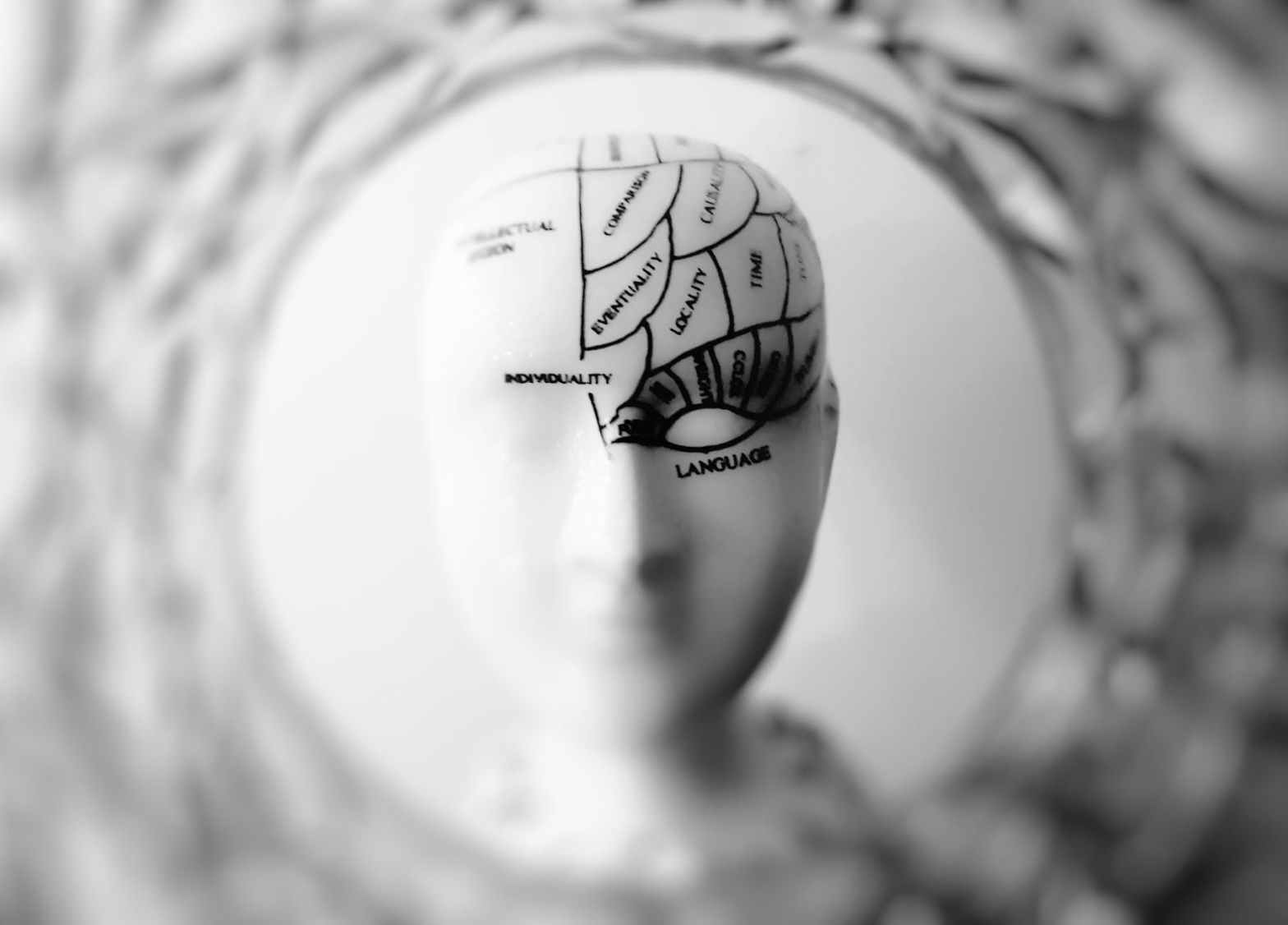
Like the whole human body, the brain also regresses with ageing.

At birth, each human being has 100 billion neurons. At 25, your brain is at its best. Then, it gradually begins to regress and, as we age, some neurons become defective, in particular those located at the level of memory, attention and awareness of what surrounds us.

This ageing process should not be regarded as a fatality. Thanks to some activities, we can preserve the functioning of the brain longer. This will allow us to have a better life from a physical and mental point of view.

elderly man and his trainer exercising
Photo by Kampus Production on Pexels.com

Let’s see how.

1.       Feed your brain well. A balanced diet is essential for good mental health. However, the brain needs specific substances to increase the connection of neurons and stimulate their regeneration. Therefore, eat food rich in antioxidants such as fruits and vegetables in general (in particular, artichokes, blueberries and ginger are really useful), fish and olive oil. Fatty fish (salmon, mackerel, herring, sardines) contains omega 3 which helps strengthen brain cells, optimizes learning and memory and contributes to the prevention of mental disorders such as depression and dementia. Remember that avocado and walnuts also contain omega 3 and that for a good brain oxygenation you need to eat glucose (bread and pasta) and food rich in iron (meat and fish).

2.       Stimulates attention. Like the muscles that must be kept in motion, the brain also must be trained to keep its performance. It is therefore important to keep it active with activities such as crosswords, sudoku, reading, puzzles or even some video games that offer programs to train the brain. The more diversified the exercises, the better. Continuing to broaden one’s knowledge such as learning a new foreign language, playing an instrument, visiting exhibitions, travelling, and having a lively social life, are all activities that contribute to the training of neurons and prevent brain ageing. Also meditation is an excellent activity not only for improving the ability to concentrate but also because it reduces stress, anxiety and negative emotions. Meditating from 10 to 15 minutes a day will allow you to develop new connections between neurons and thus slow down the ageing of the brain.  

3.       Practice physical activity regularly. Physical activity keeps neurons active because it promotes blood circulation which therefore also reaches the brain. There is no need to become a top-level athlete to slow down the ageing of the brain. A moderate intensity sport is already effective as long as it is regular. The recommended frequency is 30 minutes a day. To keep up the pace it is advisable to find an activity that you like and that is engaging. Group physical activity (such as dance for example) is useful for the perception of bodies into space and for the relationship with others that releases endorphins, the hormones of well-being and pleasure.  

What do you think about these three tips? Would they help you to slow down the ageing of the brain? Do you plan to adopt them?

pens colorful color paint
Photo by Pixabay on Pexels.com