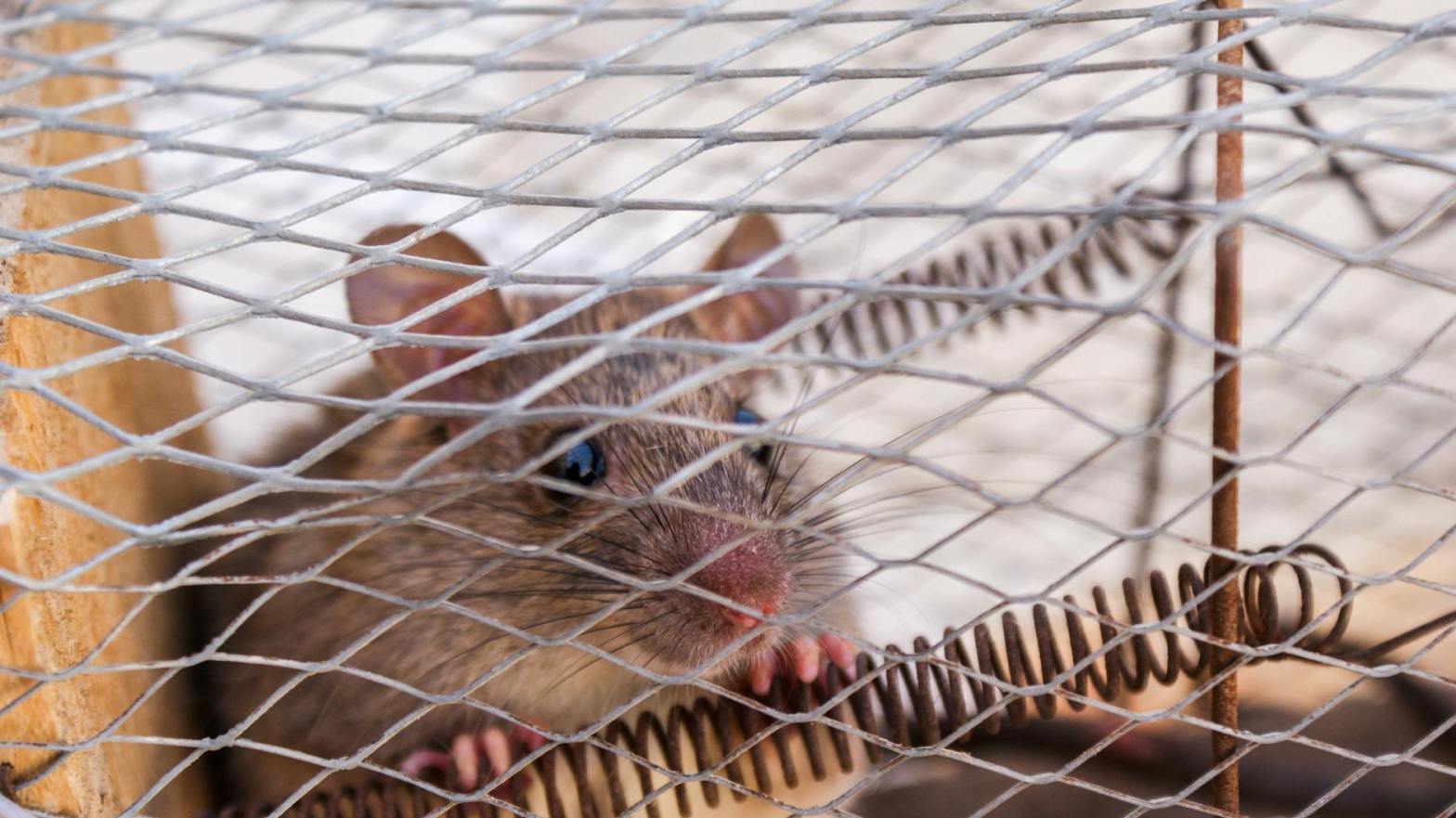
The Story of the Mouse and the Trap

Do you know the story of the mouse and the trap? It’s a tale that teaches a lesson about community, the importance of heeding warnings, and empathy.

A little mouse once discovered that a trap had been set in the farmer’s house. Alarmed, the mouse ran out to inform the other animals on the farm, hoping they would understand the danger and help find a solution.

The mouse first approached the chicken and warned, “There is a trap in the house!”

The chicken clucked and replied, “I am sorry, Mr. Mouse, but it is no concern of mine. It doesn’t affect me directly, so there’s nothing I can do.”

Next, the mouse went to the pig and repeated, “There is a trap in the house!”

The pig sympathized but said, “I am very sorry, Mr. Mouse, but there is nothing I can do about it. It doesn’t affect me directly.”

The mouse then turned to the cow and told her, “There is a trap in the house!”

The cow said, “Oh, Mr. Mouse, I am sorry for you, but it doesn’t bother me at all. There is nothing I can do.”

Dejected and alone, the mouse returned to the house, knowing that he would have to face the danger alone. That night, the trap snapped, but it wasn’t the mouse that was caught. The farmer’s wife had heard the noise and went to check the trap. In the darkness, she didn’t see that it had caught a venomous snake by the tail. The snake bit her, and she became very ill.

To care for her, the farmer slaughtered the chicken to make soup. Despite the efforts to nurse her back to health, the woman did not recover. Many people came to the house to pay their respects, so the farmer had to kill the pig to feed all the visitors. Eventually, the farmer also had to slaughter the cow to provide enough meat for everyone.

The little mouse watched in sorrow as all the animals who had refused to help him met their fate due to the trap that they had thought did not concern them.

The moral of this story is that danger to one can be a danger to all, and the importance of helping others in times of need, as a threat to one community member can ultimately affect everyone.

In the end, “The Mouse and the Trap” illustrates the interconnectedness of all community members and the vital role of empathy. Each animal’s initial reaction of indifference underscores a lack of empathy for the mouse’s plight. By ignoring the mouse’s warning, they failed to understand and share in its fear and concern.

True empathy involves recognizing that the struggles of others are significant, even if they do not seem to directly affect us. The misfortunes that befell the chicken, pig, and cow serve as a poignant reminder that a lack of empathy can lead to unforeseen consequences. Had they empathized with the mouse and taken action, they might have prevented the ensuing tragedy.

Thus, the story encourages us to practice empathy by listening to and supporting those around us, understanding that their troubles could one day become our own. By fostering a compassionate and responsive community, we can collectively safeguard against dangers that any one member might face.

Would you agree that this fable teaches us the good implications of being empathic?

Thank you for reading! Please sign up for my blog crisbiecoach so you don’t miss out on any posts!

La storia del topo e della trappola

Conosci la storia del topo e della trappola? È un racconto che insegna una lezione sulla comunità, sull’importanza di prestare attenzione agli avvertimenti e sull’empatia.

Una volta un topolino scoprì che era stata comprata e installata una trappola nella casa del contadino. Allarmato, il topo corse fuori per informare gli altri animali della fattoria, sperando che capissero il pericolo e lo aiutassero a trovare una soluzione.

Il topo si avvicinò subito alla gallina e la avvertì: “C’è una trappola in casa!”

La gallina, continuando a chiocciare, rispose: “Mi dispiace, signor Topo, ma la cosa non mi riguarda direttamente, quindi non c’è niente che io possa fare”.

Quindi, il topo andò dal maiale e ripeté: “C’è una trappola in casa!”

Il maiale simpatizzò, ma disse: “Mi dispiace molto, signor Topo, ma non c’è niente che io possa fare al riguardo. Non mi riguarda direttamente”.

Il topo allora si rivolse alla mucca e le disse: “C’è una trappola in casa!”

La mucca disse: “Oh, signor Topo, mi dispiace per lei, ma non mi dà affatto fastidio. Non c’è niente che io possa fare”.

Sconsolato e solo, il topo tornò a casa, sapendo che avrebbe dovuto affrontare il pericolo da solo. Quella notte, la trappola scattó e si chiuse, ma non fu il topo ad essere catturato. La moglie del contadino aveva sentito un rumore ed era andata a controllare la trappola. Nell’oscurità, non vide che aveva preso un serpente velenoso per la coda. Il serpente la morse e lei si ammalò gravemente.

Per prendersi cura di lei, il contadino uccise la gallina per fare un buon brodo. Nonostante gli sforzi per rimetterla in salute, la donna non si riprese. Molte persone andarono a trovarla a casa per rendere omaggio, così il contadino dovette uccidere il maiale per offrire un pasto a tutti i visitatori. Ma la carne del maiale non bastó e il contadino dovette macellare anche la mucca per dare da mangiare a tutti.

Il topolino guardò con dolore quello che era successo agli animali che si erano rifiutati di aiutarlo perché avevano pensato che la trappola non li riguardasse.

La morale di questa storia è che il pericolo per uno può essere il pericolo per tutti, ed é importante prestare attenzione alle richieste anche di un solo membro della comunitá proprio perché una minaccia per uno solo può diventare una minaccia per tutti.

Penso che la favola “Il topo e la trappola” illustri bene l’ interconnessione di tutti i membri della comunità e il ruolo vitale dell’empatia. La reazione iniziale di indifferenza di ogni animale sottolinea una mancanza di empatia per la situazione del topo. Ignorando l’avvertimento del topo, non sono riusciti a capire e a condividere la sua paura e preoccupazione.

La vera empatia implica riconoscere che le difficoltà degli altri sono significative, anche se non sembrano influenzarci direttamente. Le disgrazie che hanno colpito la gallina, il maiale e la mucca servono a ricordare che la mancanza di empatia può portare a conseguenze impreviste. Se fossero entrati in empatia con il topo e avessero agito insieme, avrebbero potuto evitare la tragedia che ne è seguita.

Così, la storia ci incoraggia a praticare l’empatia ascoltando e sostenendo coloro che ci circondano, comprendendo che i loro problemi potrebbero un giorno diventare i nostri. Promuovendo una comunità che ha compassione verso gli altri e risponde alle grida di aiuto, possiamo salvaguardare ogni membro della collettivtá dai pericoli.

Sei d’accordo che questa favola ci insegna le buone implicazioni dell’essere empatici?

Grazie per aver letto questa breve storia! Perché non ti iscrivi al mio blog crisbiecoach?

Come e perché la determinazione e l’impegno possono cambiarti la vita

Parigi, 2004. Un ragazzo esce da un ufficio con il sorriso sulle labbra. Candidato a uno stage, ha appena fatto un colloquio che non si è svolto come previsto.

Il ragazzo, del quale riporto solo il suo nome, Héritier, ha 22 anni ed è arrivato dall’Angola in Francia all’etá di 8 anni, scappando da una guerra civile. Non parlava francese ma fece di tutto per andare bene a scuola, aiutato anche dai suoi familiari e amici. Si lancia poi alla ricerca di lavoretti, per contribuire al bilancio familiare.

Si candida quindi per uno stage presso un’impresa di pulizie. I datori di lavori, pur trovando che Héritier abbia un profilo atipico, sono molto interessati al dinamismo e alla motivazione del ragazzo e il colloquio dura circa 5 ore!

Alla fine del colloquio, Héritier esce senza stage ma con il suo primo contratto di lavoro. L’impresa era appena nata e stava cercando giovani talenti come Héritier, che in pochi anni arriva al top della sua carriera all’interno di quell’azienda.

Decide quindi di andare più lontano e vuole realizzare il suo sogno: fondare la sua propria impresa, un’azienda di pulizie che utilizza esclusivamente prodotti biologici.

Photo by Thepixelman on Pixabay

In quegli anni, il suo percorso interessa i media, perché descrive una realtá ancora poco conosciuta: il contributo economico prodotto dai migranti nel paese che li ha accolti.

Con la sua azienda, Héritier ha generato 100.000 euro di fatturato durante il primo anno, cifra che è triplicata nei successivi tre anni.

Héritier è riuscito a trovare la sua strada grazie al suo impegno e alla sua determinazione verso il successo.

Che cosa hai imparato dalla storia di Héritier?

Photo by Eko Pramono on Pixabay

How And Why Determination And Commitment May Change Your Life

Paris, 2004. A young man comes out from a building with a smile on his face. He applied for a traineeship and had just finished his interview that did not go as expected.

The young man, named Héritier, is 22 years old and came from Angola at the age of 8, running away from a civil war. He did not speak French but did everything to learn all well in school, also helped by his family and friends. After his degree, he started to look for small jobs, to contribute to the family budget.

He applied for a internship with a cleaning company. The employer, although they found that Héritier had an atypical profile, was very interested in the boy’s dynamism and the interview lasted about 5 hours!

At the end of the interview, Héritier did not get the internship but his first job contract. The company was just established and was looking for young talents like Héritier, who in short time reached the top of his career within the company.

He decided then to go further to make his dream come true. He wanted to create his own company and started up a cleaning company that would use only organic products.

Photo by Thepixelman on Pixabay

In those years, his career looked interesting to the media because it reflected a reality that was still unknown: the economical contribution produced by migrants in the country that welcomed them.

With his company, Héritier has generated a turnover of 100.000 euros during the first year, a figure that tripled over the following three years.

Héritier managed to find his way thanks to his commitment and determination to succeed.

What have you learned from Héritier’s story?

Photo by Eko Pramono on Pixabay

Do You Know the Story of Ferdinand the Bull?

This is a story about a bull named Ferdinand who lives in Spain. Unlike his young bull brothers who like to run, jump, and butt their heads together, Ferdinand prefers to sit quietly and smell the flowers. He is gentle and peace-loving.

One day, men come to pick the biggest, fastest, and roughest bull for the bullfights in Madrid. Despite his calm nature, Ferdinand is mistakenly chosen after accidentally sitting on a bee, making him jump and snort in pain, appearing fierce.

When Ferdinand is taken to the bullfight, everyone expects him to be a ferocious fighter. However, Ferdinand remains true to his nature. He simply sits in the middle of the arena, smelling the flowers in the ladies’ hair, refusing to fight. Ultimately, he is taken back to his peaceful pasture where he can continue to enjoy the flowers.

The story of Ferdinand is celebrated for its message of nonviolence and individuality. It emphasizes the importance of being true to oneself and not conforming to societal expectations.

The Story of Ferdinand was banned by Nazi Germany and other fascist regimes because its themes of pacifism and non-conformity were seen as subversive to their ideologies. The book’s promotion of peace and individualism directly contradicted the militaristic and conformist values promoted by these regimes.

In Nazi Germany, literature and art were heavily censored to align with the state’s propaganda and ideological goals. Anything that encouraged critical thinking, individuality, or opposition to violence was considered dangerous. Ferdinand’s refusal to fight, his contentment with simply smelling flowers, and the overall anti-war message of the book were seen as promoting ideals that could undermine the aggressive, war-driven mentality the Nazis sought to instill.

Similarly, the book was banned in Francoist Spain for similar reasons. Francisco Franco’s fascist regime viewed the book’s peaceful and non-conformist themes as a threat to the authoritarian and militaristic values it was trying to enforce.

In contrast, during the Spanish Civil War, the book was embraced by leftist and anti-fascist groups, who saw it as a symbol of resistance against tyranny and war.

The banning of “The Story of Ferdinand” by these regimes underscores how literature can be powerful in promoting ideas that challenge authoritarianism and advocate for peace and individuality.

What do you think about banning books from schools, something that is happening also nowadays?

Thank you for reading! Please sign up for my blog crisbiecoach so you don’t miss out on any posts and also for Wise&Shine an incredible online magazine!

Conosci la storia di Ferdinando il Toro?

Questa è la storia di un toro chiamato Ferdinando che viveva in Spagna.

A differenza dei suoi giovani fratelli tori che amavano correre, saltare e cozzare tra di loro, Ferdinando preferiva sedersi tranquillamente e annusare i fiori. Era gentile e amava la pace.

Un giorno, degli uomini arrivarono alla fattoria per scegliere il toro più grande, veloce e robusto e portarlo alle corride di Madrid. Nonostante la sua natura calma, Ferdinando venne scelto perché si era seduto accidentalmente su un’ape, e la sua reazione lo fece apparire feroce perché cominció a saltare e sbuffare dal dolore.

Una volta che Ferdinando arrivó alla corrida, tutti si aspettavano di vedere un combattimento piuttosto violento. Invece Ferdinando rimase fedele alla sua natura. Si adagió semplicemente al centro dell’arena, annusando il profumo dei fiori provenienti dai cappelli delle signore, e si rifiutó di combattere. Quindi, venne riportato nel suo tranquillo pascolo dove continuó a godersi la natura.

La storia di Ferdinando è conosciuta per il suo messaggio di non violenza. Sottolinea l’importanza di essere fedeli a se stessi e di non conformarsi alle aspettative della società.

Questa storia fu bandita dalla Germania nazista e da altri regimi fascisti perché i temi della pace e dell’anticonformismo erano considerati sovversivi per l’ideologia dominante. La promozione della pace promossa dalla storia di Ferdinando contraddiceva nettamente i valori militaristi e conformisti che identificavano questi regimi.

Nella Germania nazista, la letteratura e l’arte erano pesantemente censurate per allinearsi con la propaganda e gli obiettivi ideologici dello stato. Qualsiasi cosa che incoraggiasse il pensiero critico, l’individualità o l’opposizione alla violenza era considerata pericolosa. Il rifiuto di Ferdinando di combattere, la sua felicitá nell’annusare semplicemente i fiori e il messaggio complessivo contro la guerra erano visti come promozione di ideali che potevano minare la mentalità aggressiva e orientata alla guerra che i nazisti cercavano di instillare.

Allo stesso modo, il libro fu bandito nella Spagna franchista per motivi simili. Il regime fascista di Francisco Franco considerava i temi della pace e anticonformisti del libro una minaccia per le idee autoritarie e militariste che cercava di imporre.

Al contrario, durante la guerra civile spagnola, il libro fu abbracciato dai gruppi di sinistra e antifascisti, che lo vedevano come un simbolo di resistenza contro la tirannia e la guerra.

Il divieto de “La storia di Ferdinando” da parte di questi regimi sottolinea come la letteratura possa essere potente nel promuovere idee che sfidano l’autoritarismo e sostengono la pace.

Cosa ne pensi del ruolo della letteratura ai giorni nostri?

Ti è piaciuto questo articolo? Sul mio blog ne puoi trovare molti altri, perché non ti iscrivi? Cosí non ne perderai nessuno!

The Unusual Email: A Rotterdam Tale

In 2009, the residents of a quiet neighborhood in Rotterdam, The Netherlands, began their day like any other, only to find an unusual email waiting in their inboxes. The message was startling and direct: “Stop using your car now.” It went on to explain that their driving habits had been monitored, and they were being asked to cease driving immediately. The initial reaction was one of alarm. Was this some kind of threat or blackmail?

But the truth was far from sinister. The email was a collaborative effort from the City of Rotterdam and the company managing the local highways. Their shared mission was to tackle the persistent traffic jams that choked the city daily, contributing to pollution and frustration among its inhabitants.

The Common Solution: Bigger Roads?

Many residents wondered why the city didn’t simply build bigger highways or add new ones. It seemed like an obvious solution—more roads should mean less congestion, right?

Enter the Braess Paradox

This is where the “Braess Paradox” comes into play. This counterintuitive theory suggests that increasing road capacity to alleviate traffic jams can actually worsen them. How could this be?

The paradox explains that adding new roads often leads to more people choosing to drive. Those who had previously given up driving due to congestion would return to their cars, and those who avoided rush hour would start using their cars again, believing the additional road would ease their commute. The result? Even worse traffic jams than before.

A Smarter Approach

The authorities in Rotterdam understood this paradox well. Instead of expanding the road network, they aimed to encourage behavioral changes among residents. By asking people to reduce their car usage, they hoped to decrease overall traffic volume and improve the city’s air quality. It was a bold and innovative approach, rooted in a deep understanding of urban traffic dynamics.

The Residents’ Response

Initially, the residents were skeptical and even resistant. But as the reasoning behind the request became clear, many began to see the wisdom in it. Gradually, they adapted, finding alternative ways to commute and reducing their reliance on cars. Public transportation, cycling, and walking became more popular choices, and slowly but surely, the traffic jams began to ease.

The strange email that once caused confusion and concern ultimately led to a positive change in Rotterdam. The city became less congested, cleaner, and more livable, demonstrating the power of innovative thinking and collective action.

In the end, the story of the unusual email and the Braess Paradox became a remarkable chapter in Rotterdam’s history, a testament to the city’s commitment to sustainable living and intelligent urban planning.

What do you think about this approach to solving traffic in cities?

Thank you for reading! Please sign up for my blog crisbiecoach so you don’t miss out on any posts and also for Wise&Shine an incredible online magazine!

Un email insolita. Una storia da Rotterdam

2009, Olanda. Alcuni abitanti di un quartiere di Rotterdam ricevono un’email strana: sono stati visti mentre guidavano e gli si chiede di non farlo più. Si tratta di una minaccia o di un ricatto?

Assolutamente no! Il messaggio arriva dal comune di Rotterdam e dalla società autostradale locale che si sono alleati per ridurre il traffico stradale che avvelena sempre più le città. Non sarebbe più facile, invece, ingrandire le autostrade e addirittura costruire una nuova autostrada?

Qui entra in gioco il “paradosso di Braess”. Secondo questa teoria, aumentare la capacità stradale per decongestionare le città non fa altro che peggiorare la situazione.

In effetti, con una nuova strada, la gente che aveva rinunciato all’auto, ricomincia ad utilizzarla nuovamente, e coloro che evitavano le ore di punta, riprovano a mettersi in strada durante gli orari più critici.

Photo by Iwona Castiello D’Antonio

Al contrario, sopprimendo delle strade, si può ridurre il tempo del tragitto, perché alcuni automobilisti saranno propensi ad abbandonare l’auto. E questo è il paradosso.

La città di Rotterdam anche prova un’altra cosa: il pedaggio positivo, chiamato anche il pedaggio inverso.

Se i cittadini lasciano l’auto in garage nelle ore di punta ricevono una piccola somma di denaro. Ovviamente saranno dotati di un dispositivo capace di controllare se davvero hanno lasciato l’auto in garage.

E funziona: in qualche anno i volontari aumentano e gli ingorghi stradali diminuiscono. Anche quando il compenso monetario cessa, la gente mantiene la buona abitudine. E Rotterdam comincia a respirare un po’ meglio!

Tu lasceresti a casa la macchina se ricevessi dei soldi per farlo?

Ti è piaciuto questo articolo? Sul mio blog ne puoi trovare molti altri, perché non ti iscrivi? Cosí non perderai nessun articolo!

How to Manage Frustration in Modern Life

We’ve all experienced the disappointment of wanting something and not getting it, especially as children. Such moments often led to crying, which our parents might have labeled as a whim. However, frustration is a common emotion that persists throughout life, and our ability to manage it plays a crucial role in our overall success and happiness.

A Zen master encapsulates happiness in a simple formula: happiness is the reality we live minus what we want or hope to achieve. When our desires exceed what we have, we face the dilemma Carl Gustav Jung described: “Life not lived is a disease from which you can die.”

In today’s competitive society, where instant gratification is the norm, frustration is a frequent companion. Another arises as soon as one desire is fulfilled, perpetuating a cycle of longing and dissatisfaction.

Have recent changes in your life affected your sense of well-being? Reflect on the following symptoms to see if frustration has taken hold:

  • Frequent Melancholy: You often feel sad or downcast.
  • Increased Irritability: You find yourself more irritable, tense, and stressed. Things that used to be minor annoyances now trigger strong reactions.
  • Persistent Negative Thoughts: Negative thoughts frequently occupy your mind, draining your energy and sometimes affecting your sleep.
  • Higher Alcohol and Medication Use: You have increased your consumption of alcohol or medications, often without medical advice.
  • Desire to Escape: You feel an overwhelming urge to escape your current situation.

Recognizing these signs is the first step toward managing frustration. By understanding and addressing these emotions, you can work towards a more balanced and fulfilling life.

Thank you for reading! Please sign up for my blog crisbiecoach so you don’t miss out on any posts and also for Wise&Shine an incredible online magazine!

Come gestire la frustrazione nella vita di tutti i giorni

La frustrazione è una componente inevitabile della vita umana, presente in tutte le sue fasi. Fin da bambini, sperimentiamo questa emozione quando le nostre richieste non vengono soddisfatte, reagendo spesso con pianti e comportamenti che i nostri genitori etichettano come capricci. Crescendo, la capacità di gestire la frustrazione diventa essenziale per il nostro successo e benessere.

Un maestro Zen riassume la felicità in una formula semplice: la felicità è data dalla realtà vissuta meno ciò che desideriamo o speriamo di ottenere. Questo concetto rispecchia la saggezza di Carl Gustav Jung, che affermava: “La vita non vissuta è una malattia della quale si può morire.” Quando i nostri desideri superano ciò che possediamo, viviamo in una continua insoddisfazione.

Nella società moderna, caratterizzata da competizione e soddisfazione istantanea, la frustrazione è quasi inevitabile. Ogni desiderio realizzato è presto sostituito da un altro, creando un ciclo senza fine di insoddisfazione.

Per capire se la frustrazione sta influenzando la tua vita, verifica se manifesti uno o più dei seguenti sintomi:

  • Malinconia frequente
  • Maggiore irritabilità, tensione e stress
  • Pensieri negativi ricorrenti che rubano energia e sonno
  • Aumento del consumo di alcolici e medicine senza consiglio medico
  • Desiderio di scappare

Se ti riconosci in una o più di queste caratteristiche, è probabile che la frustrazione abbia preso il sopravvento. Ecco alcuni consigli per affrontarla:

  1. Coltiva la pazienza: La frustrazione nasce quando non otteniamo ciò che desideriamo. In momenti di crisi, l’incertezza su quando finirà la situazione frustrante può farci perdere la speranza. Adottare una visione a lungo termine, sapendo che c’è luce alla fine del tunnel, può aiutarti a vivere meglio il presente.
  2. Esamina ciò che guadagni: Ogni perdita può portare con sé nuovi guadagni. Se un viaggio è stato annullato, pensa ai soldi risparmiati. Se hai perso il lavoro, considera le nuove opportunità che potrebbero aprirsi. Chiediti: cosa guadagno da questa perdita?
  3. Accetta il cambiamento: Niente è permanente. Anche se potessimo esaudire tutti i nostri desideri, la soddisfazione sarebbe temporanea. Accettare che tutto cambia riduce l’impatto della frustrazione.

Seguendo il motto attribuito a Eugène Delacroix: “Desiderare il meglio, evitare il peggio e prendere quel che viene”, imparerai a non attaccarti alle aspettative e a vivere nel flusso degli eventi, accettando anche il caos che a volte la vita ci propone.

Ti è piaciuto questo articolo? Sul mio blog ne puoi trovare molti altri, perché non ti iscrivi? Cosí non perderai nessun articolo!