
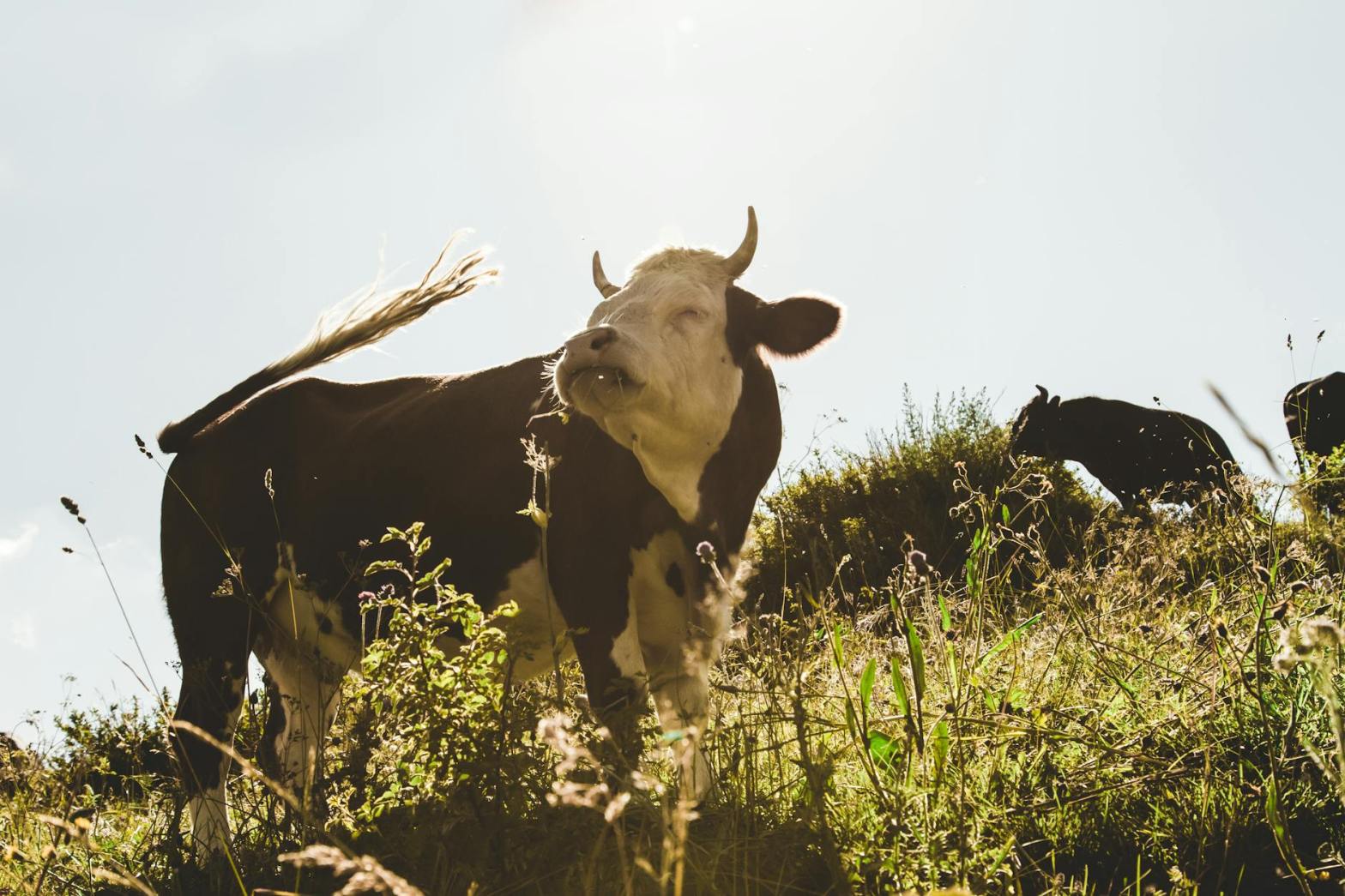
This is a story about a bull named Ferdinand who lives in Spain. Unlike his young bull brothers who like to run, jump, and butt their heads together, Ferdinand prefers to sit quietly and smell the flowers. He is gentle and peace-loving.
One day, men come to pick the biggest, fastest, and roughest bull for the bullfights in Madrid. Despite his calm nature, Ferdinand is mistakenly chosen after accidentally sitting on a bee, making him jump and snort in pain, appearing fierce.
When Ferdinand is taken to the bullfight, everyone expects him to be a ferocious fighter. However, Ferdinand remains true to his nature. He simply sits in the middle of the arena, smelling the flowers in the ladies’ hair, refusing to fight. Ultimately, he is taken back to his peaceful pasture where he can continue to enjoy the flowers.
The story of Ferdinand is celebrated for its message of nonviolence and individuality. It emphasizes the importance of being true to oneself and not conforming to societal expectations.
The Story of Ferdinand was banned by Nazi Germany and other fascist regimes because its themes of pacifism and non-conformity were seen as subversive to their ideologies. The book’s promotion of peace and individualism directly contradicted the militaristic and conformist values promoted by these regimes.
In Nazi Germany, literature and art were heavily censored to align with the state’s propaganda and ideological goals. Anything that encouraged critical thinking, individuality, or opposition to violence was considered dangerous. Ferdinand’s refusal to fight, his contentment with simply smelling flowers, and the overall anti-war message of the book were seen as promoting ideals that could undermine the aggressive, war-driven mentality the Nazis sought to instill.
Similarly, the book was banned in Francoist Spain for similar reasons. Francisco Franco’s fascist regime viewed the book’s peaceful and non-conformist themes as a threat to the authoritarian and militaristic values it was trying to enforce.
In contrast, during the Spanish Civil War, the book was embraced by leftist and anti-fascist groups, who saw it as a symbol of resistance against tyranny and war.
The banning of “The Story of Ferdinand” by these regimes underscores how literature can be powerful in promoting ideas that challenge authoritarianism and advocate for peace and individuality.
What do you think about banning books from schools, something that is happening also nowadays?
Thank you for reading! Please sign up for my blog crisbiecoach so you don’t miss out on any posts and also for Wise&Shine an incredible online magazine!


I’ve watched the Ferdinand the Bull movie with my kids. Amazing that it was banned. I suppose when you are operating from “fear,” there’s a lot to fear and try to ban. Thanks for this fascinating tidbit of history!
"Mi piace"Piace a 3 people
Did you kids like it? One colleague of mine mentioned it to me because of the ban during IIWW. I had never heard of it before! Thank you for commenting Wynne!
"Mi piace"Piace a 2 people
Yes, they liked it.
"Mi piace"Piace a 1 persona
I’d never heard of Ferdinand the Bull, even though I studied Spanish at University and we looked at the Spanish Civil War and some of the related history. I think I’m sorry it wasn’t included in our reading.
As an educator, I’m shocked by the attempts to censor what children can read and are taught. If we want our young people to grow with minds of their own and be able to reflect and critique, they need to be able to read and explore widely.
I agree, censorship reflects the fears and insecurities if these behind them
"Mi piace"Piace a 1 persona
I think this is precisely why censorship is used, to avoid young (but not only) people to develop a mind of their own. Thank you for your comment Brenda!
"Mi piace"Piace a 1 persona
I first heard the story as a child— then year later I now have a copy of this book!
"Mi piace"Piace a 1 persona
It’s a beautiful story, isn’t it?
"Mi piace"Piace a 1 persona