Dinner Dilemmas and Nightmares: The Cheesy Conundrum

If you’re anything like me, you’ve probably heard the age-old advice to keep dinner light for a good night’s sleep. But how many of us actually follow it? I know I’ve been guilty of ignoring this wisdom, especially when a craving for something rich and creamy strikes. However, some interesting research suggests that what we eat for dinner might have a more significant impact on our dreams than we realize.

I recently read a study that suggests a link between night time dairy consumption and nightmares. Yes, you read that right—your beloved cheese platter at dinner could be haunting your dreams!

Researchers from MacEwan University in Canada surveyed 1,082 students over four months, delving into their eating habits, sleep patterns, and specifically, their nightmares. The findings were intriguing: there’s a strong association between nightmares and lactose intolerance.

Now, you might be thinking, “But I love cheese, and I don’t have any issues digesting it!” Well, here’s the thing: many people with lactose intolerance still consume dairy products, albeit in varying quantities. The intensity of their intolerance depends on how much lactase—the enzyme that digests lactose—their bodies produce.

When these individuals sleep, they might experience subtle, unconscious signals from their digestive system, such as bloating or cramps, after consuming dairy at dinner. These signals can manifest in their dreams, turning a peaceful night’s sleep into a nightmarish experience.

But it’s not just about the physical discomfort. The study also suggests that the emotional toll of these gastrointestinal symptoms—like anxiety and stress—can seep into our dreams. We all know that negative emotions experienced during the day can linger in our subconscious, affecting our dreams. So, it makes sense that digestive issues could have a similar impact.

Interestingly, the study didn’t find a link between gluten intolerance and nightmares. This could be due to the lower prevalence of gluten intolerance in the sample or because gluten affects the body differently. It’s a reminder that our bodies are complex, and what affects one person might not affect another in the same way.

Of course, this research raises more questions than it answers. Do we sleep poorly because of our dietary choices, or do we make poor dietary choices because we sleep poorly? It’s a classic chicken-and-egg scenario. The researchers acknowledge that more studies are needed, involving a diverse range of participants with different ages, backgrounds, and eating habits, to see if these findings hold true across the board.

In the meantime, what’s a cheese-loving, dream-seeking individual to do? Well, perhaps it’s worth experimenting with your dinner choices to see if cutting back on dairy makes a difference in your dream world.

So, next time you’re planning your dinner, think twice about the potential dream consequences. Your subconscious mind might thank you for it. And who knows? You might just wake up feeling more refreshed and ready to tackle the day, free from the lingering shadows of nightmares.

Have you ever noticed a connection between what you eat for dinner and how you dream? Share your experiences and tips in the comments below.


Thank you for reading! Please sign up for my blog crisbiecoach so you don’t miss out on any posts and also for Wise&Shine an incredible online magazine!

DreamJournal #WellnessJourney #DinnerIdeas #SleepWell #CheeseLovers #DigestiveHealth

The Silent Struggle of Insomnia

We all know someone who struggles with sleepless nights or complains about restless sleep. Perhaps you’re one of them. In Europe, nearly one-third of adults grapple with difficulties falling asleep, and between 10% and 15% suffer from chronic insomnia. Personally, I’ve been battling insomnia for what feels like an eternity. It’s a complex issue, rooted in various causes, ranging from the pervasive use of digital devices emitting blue light (computers, tablets, and TVs) to deeper biological factors. But have you ever considered that the obsession with achieving perfect sleep could be part of the problem?

The Pursuit of Perfect Sleep: When the Quest Becomes the Problem

This obsession is known as orthosomnia—a term derived from the Greek word ortho (meaning “perfect”) and the Latin somnia (meaning “rest”). While not officially classified as a disorder, orthosomnia is increasingly recognized by experts as a growing phenomenon. It’s characterized by what I refer to as “circular thoughts”—those relentless, recurring thoughts that spin in a vicious cycle. The primary culprits? Stress and anxiety. When you can’t sleep, your mind fixates on the same worries, over and over again, creating a loop that’s hard to break.

My Journey Through Insomnia: The Role of Circular Thoughts

A thorough sleep study (known as polysomnography) might be worth considering for anyone dealing with insomnia, even if it’s mild. I took this step myself. Spending a night in a sleep clinic, hooked up to electrodes monitoring my brain activity, I discovered that Alpha waves—typically associated with wakefulness—were disrupting my sleep.

It became clear that reducing stress was crucial to improving my sleep quality. But, as anyone who has tried can attest, that’s easier said than done. Through trial and error, I’ve found a few strategies that have made a difference in my own life. If you’re struggling with sleeplessness, these tips might help you too.

Five Practical Tips to Ease Insomnia and Circular Thoughts

  1. Practice Deep Breathing and Mindful Disciplines: Techniques like Yoga, Pilates, or meditation can help you breathe deeply and relax your mind, creating a foundation for better sleep.
  2. Create a Calm Environment: Your bedroom should be a sanctuary of peace. Keep it clean, clutter-free, and organized to foster a more restful atmosphere. A tidy space can lead to a tidier mind.
  3. Use Sleep-Inducing Essential Oils: Lavender and chamomile are particularly effective for promoting sleep. Incorporate them into your nighttime routine to help soothe your mind.
  4. Relaxing Playlists: Music can be a powerful tool for relaxation. Curate a playlist of calming tunes that ease you into sleep.
  5. Try Bach Flowers and Melatonin: White Chestnut is excellent for quieting circular thoughts, while Rescue Sleep can help in falling asleep. I used these remedies for several months and experienced significant improvement. Now, I rely on melatonin alone, and my sleep has improved remarkably.

Reflecting on Your Sleep: Are You Ready to Try Something New?

So, do you find yourself overwhelmed by sleepless nights and circular thoughts? If so, perhaps it’s time to try some of these tips. Remember, the journey to better sleep is personal, and what works for one person might not work for another. But with patience and persistence, you can find the strategies that help you rest more peacefully.

Have you tried any of these methods? What has worked for you in your quest for better sleep? Share your experience here below! You could help some other insomniac people!

Did you like this post? If yes, please, consider signing up for my blog!

Why Eating Well Will Let You Spend Fully Resting Nights

It’s well-known that what we eat influences the quality of our sleep. It is even more important to eat well in the evening, because we go to sleep afterwards. Eating out a hamburger with friends coming out from work, eating a whole tablet of chocolate in front of the television, or eating too much on coming back late from work, are not good habits. 

Why don’t we sleep well after having eaten late in the evening, or having eaten a lot or to having eaten a fat or sweet food? Which are the effects on health and on wellbeing if you sleep badly? Which are the recommendations in order to sleep well and wake up completely restored?

Let’s see.

Why you shouldn’t eat late
  1. The body accumulates more fat. Recent studies have compared people eating late in the evening some food and people eating earlier the same kind of food. The former show more fat in their blood test.
  2. This also represents a cardio-vascular risk for those people who would eat just before going to bed and after 10 p.m..
  3. You may have some cramps or refluxes because of the lying down position in bed and therefore you may not sleep.
  4. A bad digestion may wake you up during the night and therefore it may alter the quality of your sleep.

When you don’t sleep well, the whole body will suffer and you may become nervous, be in a bad mood and may not be able to focus well. Besides, sleep also regulates our hormonal balance. The hunger hormone (the ghrelin) and the satiety hormone (the leptin) are produced while sleeping. If you don’t sleep well or don’t sleep enough, the two hormones are unbalanced: more ghrelin than leptin is produced. Then, you will be prone to eating more to compensate for the lack of sleep or the bad sleep. You will eat more and sleep worse, in short you will find yourself in a vicious circle.

The stress hormone (cortisol) and the sleeping hormone (melatonin) are also regulated by sleep. If they get unbalanced, the whole quality of your life will suffer.

Finally, the hemoglobin becomes rarer. This antibody protects the organism against bacteria, viruses and some toxins, therefore it is needed for a good immunity. As it is also produced during the sleep, you may become more vulnerable if you don’t sleep well. That’s why fatigue or stress can provoke illnesses.

In the long term, irregular sleep or lack of sleep will increase the risk of depression, obesity, cardiac illnesses and diabetes. It is therefore fundamental to sleep well and also try to pay attention to what you eat in the evening.

Try to privilege some foods rich in tryptophan and vitamin B2, because they make sleeping easier. The tryptophan, needed to produce the melatonin (the sleeping hormone) can be found in bananas, tuna, chickpeas, dates and milk. The vitamin B2, that also makes sleeping easier, can be found in all dairy products (milk, yoghurt, cheese), green beans, tomatoes, mushrooms and in asparagus.


Recommendations for a healthy evening meal:
  1. eating at least three hours before going to bed;
  2. eating slowly, without stress;
  3. eating up to when you start feeling full, not more;
  4. eating with moderation food as pasta, potatoes, cheese;
  5. avoiding sauces, excessively salty or excessively sweet food;
  6. avoiding alcoholic and energising drinks and other stimulants like caffeine;
  7. it would be better to avoid smoking too;
  8. sugar gives immediately available energy, therefore avoid also sweet drinks, sweets in general, above all if you would eat them in front of the television.
Do you feel hungry before going to bed?

Someone said that it would be better going to bed being a bit hungry, also your shape would benefit. But if you cannot really make it, then eat a light yoghurt with no sugar, some walnuts, drink some warm milk or an herbal infusion. The good old chamomile is an excellent option too.

Ready for this challenge?

The Link Between Sleep & Weight

Do you know that sleeping less than 7 hours will make you gain weight? Let’s see how.

It is known that sleep affects overall well-being, but few people know that it also has a direct link to your weight.

This relationship was highlighted by a study conducted by researchers at the University of Chicago, coordinated by Dr. Eva Van Cauter, director of the Center for Sleep and Metabolism. According to scientific research, sleeping less than 7 hours a night would contribute significantly to weight gain. The reason is that less sleep corresponds to a greater appetite during the day because the body automatically tends to feed more to stay awake longer. Sleep is in fact an essential condition for regulating many biological mechanisms, both mental and physical.

While you sleep, your metabolism slows down, allowing your body to consume less and optimize its energy reserves. Sleeping poorly and a few hours interrupts this rhythm, so increased appetite is one of the many ways nature tries to compensate for what it lacks. It is estimated that just one hour less sleep than the recommended average of 7/8 hours translates into a consumption of about 300 extra calories per day and 1 kilogram of extra body weight per week!

All this is due to the decrease in the satiety hormone, while ghrelin, the hunger hormone, increases. That is why, despite attempts to lose weight through exercise, few results are achieved. It is obvious that sleeping more and better is not the only thing you can do, but it is a good habit that should be part of a healthy lifestyle, including a rich and varied diet.

Therefore, to get back in shape, in addition to going to the gym and seeking advice from a nutritionist, you could simply increase the hours and quality of your sleep, thus restoring the balance of your body.

Sleeping Well Is One of The Secrets for Your Well-being

Sleeping well is one of the secrets for your well-being that has been confirmed by science several times.
Find out what a good night’s sleep can bring in terms of well-being.

In the past people would go to bed at sunset and get up at sunrise. Our ancestors had no alarm clocks, they did not have neither a schedule to stick to, nor morning meetings to participate in. Their sleep rhythm was simply based on the natural day/night cycle, basically on the light.

Maintaining a healthy and regular sleep pattern is one of the (many) challenges of modern life. With our busy schedules, long working hours and smartphones always on, it may happen that we don’t get enough sleep.

Yet even though we all have a schedule to stick to, cutting back on your sleep hours is never a good idea. Sleep really has fabulous benefits, and getting enough sleep is vitally important for your overall health and well-being. Sleeping well doesn’t just serve to look good: it keeps you healthy.

Discover six benefits of sleep for your happiness and health.

1. Sleep makes you look good

Sleep is perhaps the closest thing to a fountain of youth. During deep sleep, the brain secretes a growth hormone responsible for cell renewal and repair of damaged tissue. This growth hormone is only released at night and can work miracles for your skin. The skin cells themselves go into repair mode when you sleep. Their metabolism accelerates and they regenerate faster than at any other time of the day.

In addition to these freshly renewed and healthy cells, sleep also has the effect of increasing blood flow to your skin, which is why your cheeks are warm and pink when you sleep. Lack of sleep can make the skin dull or chalky.

Thanks to a good night’s sleep you will look naturally throughout the following day.

2. Sleep strengthens the immune system

Researchers are only confirming what your mom has always told you: when you’re sick, the best thing to do is stay in bed and sleep as much as possible. Sleep helps fight the flu and other similar conditions, because the body produces disease-fighting proteins called cytokines when you sleep. If you’re sick often, maybe you’re not getting enough sleep. To strengthen your immune defences, try going to bed earlier or napping during the day.

3. Sleep helps solve problems

When faced with a dilemma, a good night’s sleep can help make the right decision. Researchers have observed that sleep helps solve problems creatively, because it provides access to the mass of knowledge and memories stored in your brain. At rest, your brain looks for associations that are not obvious when you are awake. This makes it possible to imagine creative solutions to solve the most difficult problems using information you didn’t even know you had. 

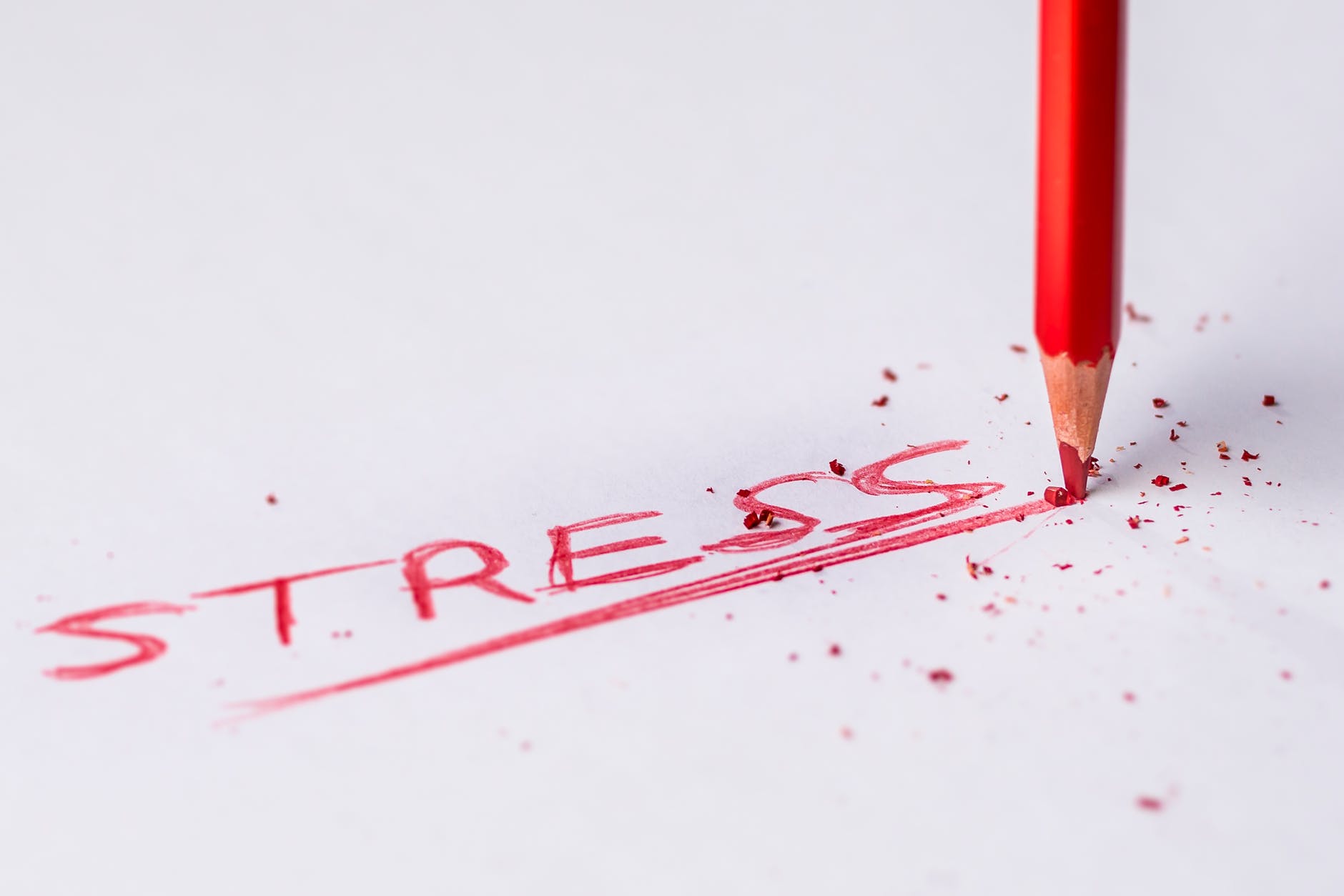
stress handwritten text on white printer paper
Photo by Pedro Figueras on Pexels.com
4. Sleep reduces stress

Sleep and stress are back-feeding. Stress can cause a lack of sleep and lack of sleep can generate stress. It’s a vicious circle that can be hard to get out of. But by managing your sleep well, you learn to fight stress too. Better quality sleep helps your body and mind recover, but you’ll also be less sensitive to stress if you’ve slept well. All challenges are easier to face after at least 6 hours of good sleep!

5. Sleep helps to lose weight

If you’re looking to get back on your ideal weight, a good nap can be as effective as a workout. A study published by the American Journal of Clinical Nutrition claims that people who sleep well burn more calories during the day than people who don’t get enough sleep. According to researchers at the University of Chicago, sleep promotes weight loss, and another study in the journal Obesity shows that tired people tend to consume more caloric foods.  

6. Sleep is good for your social relationships

Sleeping well is not only good for your physical and mental well-being, it is also a way to keep healthy relationships. Lack of sleep makes us more irritable, less patient, and with less energy to devote to others. It also impacts our capacity for empathy, and prevents us from being sensitive to the emotions of our loved ones. In short, we are much more pleasant for others when we are well rested. A nap may not solve all your relationship problems, but sometimes all that’s missing is a few hours of sleep.

What do you think about your sleeping pattern? Do you sleep longer enough to be healthy?

alone bed bedroom blur
Sleeping – Photo by Pixabay on Pexels.com

Why Physical Activity Is Essential to Your Health

During the lock-down, the gym clubs have been closed (at least in Europe) and not all of us were able or willing to workout in our homes, perhaps following a video on YouTube. However, to prevent not only weight gain but also stress and anxiety from increasing, it is essential to exercise regularly.

Rhythmic physical activity (dancing, walking, cycling) alone is not enough, you need to maintain muscle mass which with ageing will be decreasing.

Maintaining muscle mass is particularly important in the case of a diet. In fact, thanks to a well developed muscle mass, you can avoid regaining fat and stabilize your weight. To do that, you should eat protein, do some resistance training, increase your Omega 3 intake, and check out your vitamin D levels.

In addition, there are at least 12 other benefits of moderate and regular physical activity. Let us see them.

1. More physical, mental and emotional well-being.

2. Reduce hunger.

3. Improve “bad” cholesterol and reduces triglycerides.

4. Decrease the risk of cardiovascular diseases.

5. Decrease resting heart rate.

6. Reduce abdominal fat.

7. Improve sleep quality.

8. Reduce the time to fall asleep.

Change your habits! Run, cycle, walk in the nature but also in the city, take a yoga or Pilates class even online or take a sports coach. You will see that you will soon get back your shape and motivation!

Are you willing to start or restart going to the gym?

photo of woman doing yoga
Photo by Li Sun on Pexels.com

A Vegetable-based Diet for a Good Night’s Sleep

Eating well to sleep better, it seems like a dream. What if I tell you that you could do it?

Studies show that a diet low in fibre and high in sugars and saturated fat makes sleep lighter, and less restful.

Incorporating vegetables into your weekly menu will be a game-changer.

Here are some tips on how to get more energy during the day and sleep better at night.

While we all know that having an espresso after dinner will not help us fall asleep and that it is better to drink water rather than wine before going to bed, studies show that our diet plays a role. Diets high in fibre and low in saturated fat can promote deeper, more restful sleep. The main reason why it is better to go for a vegetable-based diet is the presence of serotonin, tryptophan and melatonin in many vegan foods, essential elements for good sleep.

Photo by Cristiana Branchini

To boost your production of melatonin, known as the sleep hormone, eat fruits and vegetables like kiwis, spinach, tomatoes, lettuce, avocados, bananas, sour cherries, and red grapes. This hormone helps your body regulate its circadian rhythm and promotes healthy sleep. Researchers believe that fatty fish can help you fall asleep by providing a healthy dose of vitamin D and omega 3 fatty acids, which play a key role in the body’s regulation of serotonin. Serotonin is an essential hormone that works to stabilize mood, provide a feeling of well-being, promote happiness and improve sleep.

This hormone influences your whole body. It allows brain cells and the nervous system to communicate with each other.

In addition, consuming nuts, rice, and oily fish will help you rest. So eat almonds, walnuts, pistachios and cashews. These good treats contain melatonin, as well as essential minerals like magnesium and zinc that support the body in many essential functions, including sleep.

Eat protein to get energy during the day and complex carbohydrates at dinner to have a good sleep.

Did you strain a little last night and feel lazy now? Instead of going for a sugary snack, choose a snack that is high in protein. Experts say that, contrary to popular belief, they are more energizing than sugar. Protein will give you energy by making you alert and active.

Eating complex carbohydrates at night will keep you fuller for longer. In addition, they have the advantage of stimulating the sleep hormone.
Thus, a dinner consisting of food such as pasta, beans, quinoa, rice or potatoes will help for a good night’s sleep.

Last tips. At the supermarket, head straight for soybeans. One cup of soybeans contains 28 grams of protein, roughly the same amount as 150 grams of chicken. Also, stock up on lentils, cheese, sunflower seeds and Greek yogurt.

Are you ready to go for a vegetable-based diet? It would help also our planet!

planet earth
Photo by Pixabay on Pexels.com

How to Improve the Quality of Your Life with Relaxation Techniques

As you may know relaxation techniques are simple practices you can do to help yourself calm down, cope with stressful situations, and relieve stress. The warning signs are out there: headaches, stomach knots, and racing thoughts. They are all signalling you to take action. The good news is that you can. The resources are here. They can also help you fall asleep, and go to sleep (or back to sleep) faster. 

Try out the different tips and techniques listed here and see what works best for you.

1. One Hour to Let Go

This technique allows you to finish your daily tasks and help you get ready for sleep an hour before bedtime. This exercise is done in three 20-minute sessions.

  • In the first 20 minutes, take care of any simple tasks, for instance preparing the dishwasher or feeding your cat.
  • In the second 20 minutes, do some relaxing activities like talking with family members, doing an additional relaxation technique, or thanking for three things that have happened in your day. Avoid scrolling on your phone though, as the blue light on your screen can inhibit your natural melatonin production and make it harder for you to fall asleep.
  • In the last 20 minutes, take care of your personal hygiene. Take a warm bath or shower.

Creating consistent and healthy rituals is really a good way to getting a good night’s sleep each night.

2. Guided Visualisation

Guided Visualisation uses your imagination to engage your senses. This simple exercise can be done on your own, or with the help of a therapist or a guided imagery practitioner. Here are some questions you can ask yourself:

  • What can you see? Look close and far, colours, shapes, and light.
  • What can you hear? Hear as many sounds as you can and keep looking for new ones, don’t focus on anyone for too long.
  • What can you taste? This is less fun as you are not eating, but try to imagine yourself eating something you love.
  • What can you smell? Focus on the smells around you – what are they and how many can you find?
  • What can you feel? Send your attention to the parts of your body that have contact with something, like the floor or a chair or table.

Through this technique, you can connect your conscious mind to your unconscious mind and help direct your body and brain towards a desired goal response. Guided imagery helps you relieve stress, reduce feelings of anxiety, and encourage healthy sleep.

fashion people woman relaxation
Photo by PNW Production on Pexels.com

3. Self-Hypnosis. If you are only familiar with hypnosis that you might have seen on films, forget about it. Hypnosis is a state of consciousness where someone is intensely focused on an idea, which can make their brain more receptive to new thoughts or ideas. If you want to try it, there are apps or tutorials on YouTube available.

4. Breathing Exercises

You probably know that a deep breath can help you stabilize your breath when you are anxious or worry about something deeply. A breathing exercise can help encourage relaxation, reduce muscle tension, and even lower your heart rate and blood pressure. Repeat this as many times as you need. By practising deep breathing, you reproduce your breathing patterns as you fall asleep. In doing so, you encourage your body to enter that state of restfulness and get itself ready for sleep.

5. Progressive Relaxation

This technique allows you to become more familiar with your body and any of the places you may be holding onto stress or tension.

Progressive relaxation involves working with your body in different areas and each muscle group, first by tensing the muscles and then relaxing them. Usually you start with your feet and go your way up to the top of the head. In this way you will be aware of how the parts of your body feel when they are tense, as well as when they are relaxed. You can use this technique to address any tension or stress you may have.

6. Yoga Nidra

Yoga Nidra is also known as yogic sleep. It helps the body relax while the mind is alert and awake. The goal is to guide yourself through the main four stages of brain wave activity— beta, alpha, theta, and delta— and achieve a state of being between wakefulness and sleep.

To practice Yoga Nidra, all you need is a comfortable place to lie down. Begin then by lying face-up and set an intention for that session, for example stress relief or relaxation. Watch your body and notice any tension or sensations you feel. You can always find apps or tutorial on the Internet to guide you through this practice.

One study has shown that Yoga Nidra can be a very effective supplemental treatment for insomnia. In participants practicing Yoga Nidra, regular participation improved their sleep quality and reduced their insomnia severity, anxiety symptoms and their stress levels. This improvement even continued 3 months after they began practising.

Remember not to practice any of these relaxation techniques while operating machinery, driving a car, or doing anything that requires your full attention.

Have you ever heard of any of these techniques before?

photo of woman laying on ground
Photo by Natalie on Pexels.com

Why Sleeping Less than 6 Hours Is Not Good for Your Health

A few days ago, I came across an article on the Internet that recommended sleeping three consecutive hours and then taking three 20-minute naps throughout the day. This sleeping pattern was indicated as a model for obtaining success inspired by great world managers or businessmen, in particular they referred to Elon Musk. 

As a person who has trouble with sleeping, I can tell you that science warns that too little sleep affects cognitive performance, behaviour and metabolism. With this strategy, you may be successful at the price of your health.

Sleeping is also productive. To get enough energy and focus to devote to work or another productive activity such as studying, you need to sleep at least 7 and half hours.  

person in beige long sleeve shirt using macbook pro
Photo by cottonbro on Pexels.com

One of the functions of sleep is to process and consolidate learning, focus and memory. Sleeping implies continuing to work, because the brain clears up the bombing of information accumulated during the day that is generally very intense due to the different sources available today. Our biology is prepared for short periods of sleeplessness in stressful or urgent situations.  

Several studies have revealed that the habit of dedicating a few hours to sleep reduces cognitive performance, causes focusing deficit and loss of the ability to make decisions, as well as increases states of stress, anxiety and depression. Humans are ‘circadian animals’, programmed for 24-hour sleep-wake cycles. Sleeping for a few hours is a physiological assault on our body and, in particular, on the brain. If sleeping little is your choice, know that this alters the neuron-hormonal pattern which can cause:

1. emotional problems;

2. difficulty in acquiring new learning;

3. problems in storing new information;

4. increased nervousness and anxiety.  

Thinking that sleeping is a waste of time is wrong because it has health consequences. Sleepiness and loss of focus are evident the next day, while other problems could arise in the long term, such as an increased risk of cancer, cardiovascular disease, hypertension, neurodegenerative disorders and metabolic disorders. Actually, sleeping for short time also increases appetite, with obvious consequences on your weight. Lack of sleep, in fact, leads to have frequent snack and drink sugary or caffeinated beverages.  

Another important question is whether these negative health effects also occur when you wake up very early. Studies show that getting up too early does not necessarily cause alterations, as long as your sleep has been restorative enough. Remember that it is very important to complete five or six sleeping cycles every night (a sleep cycle lasts an average of 90 minutes).

What about you? Do you sleep enough to be productive?

back to school flatlay
Photo by olia danilevich on Pexels.com


How and Why Yoga Helps You Maintain Physical and Mental Balance

Over the last few years, a very old practice has become the subject of scientific studies: yoga. Positive effects on the brain have begun to be measured, such as anti-stress and anti-depressant effects.

The studies began thanks to the spectacular spread of yoga. Millions of people practice yoga regularly. Positions (asanas) such as the warrior or the cobra are increasingly known among different people and age group. The reasons are mainly that persons want to learn how to relax, how to get rid of several kinds of pain (back, neck, shoulders, etc.) manage stress, and maintain good physical shape.

Traditional yoga (from the Sanskrit “yuga” which means “union”) comes from India and is a discipline more than five thousand years old. An important source of this spiritual school, which should guide us towards the divine, is a writing by Patañjali: Yoga Sutra, which contains the essential foundations of the discipline.

According to this essay, the purpose of yoga is to attain a higher form of self-knowledge, which can be achieved with inner contemplation. In addition to specific physical exercises, and breathing techniques, traditional yoga also includes meditation, a vegetarian diet and an entire philosophy of life. The modern and western form of yoga omits many of these elements. The development of strength and plasticity, meditation and breathing exercises play the most important role today.

At the beginning of the twentieth century, a small group of Indian yoga teachers began to spread the teachings of yoga in the Western world. After the explosion of fitness in the 1980s, which focused above all on the cult of the body, the spiritual part has been lost a little. Therefore, in the Western world mainly hatha yoga began to spread.

Photo by Mor Shani on Unsplash

The effects of hatha yoga on health are: improving body consciousness and coordination, strengthening muscles and enhancing blood circulation. Moreover, yoga is also beneficial to stress management.

From experience, I can say that after a yoga session I feel relaxed and rested. It takes longer to reach a similar state with meditation, while hatha yoga produces effects immediately, probably thanks to the more marked physical component. It is actually proved that physical exercise is good for your spirit. Perhaps, this is why yoga is a fast-acting cure-all, as it associates physical exercise with meditative practice.

In fact, by associating postures (asanas) with breathing (pranayama), we act on the body by relaxing the muscles, and on the spirit because the sympathetic nervous system (the nervous system that is stimulated when we rest or sleep) is activated.

Yoga allows you to find calm despite the limits imposed by everyday life. With regular practice, even 5 minutes a day is enough, you will sleep better, your self-confidence will increase, as well as your ability to make decisions and manage stress.

Considering all those positive aspects, are you planning to start practising yoga?

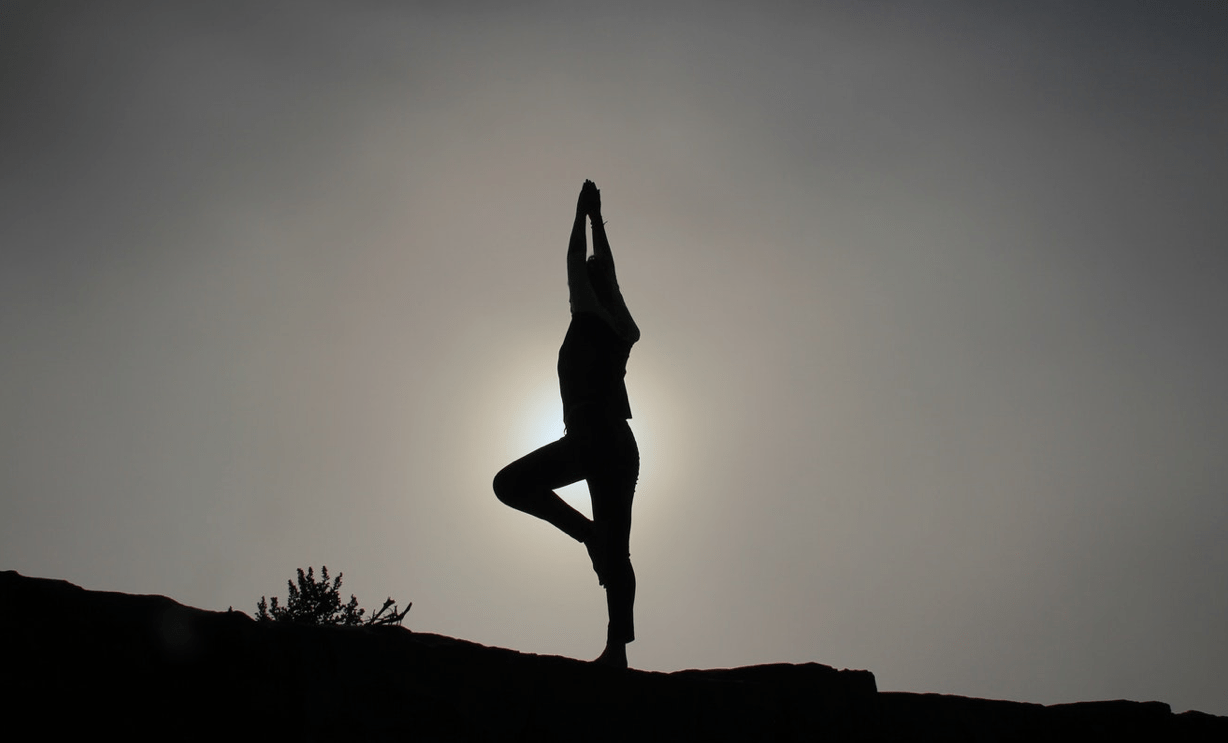
balance blur boulder close up
Photo by Pixabay on Pexels.com