
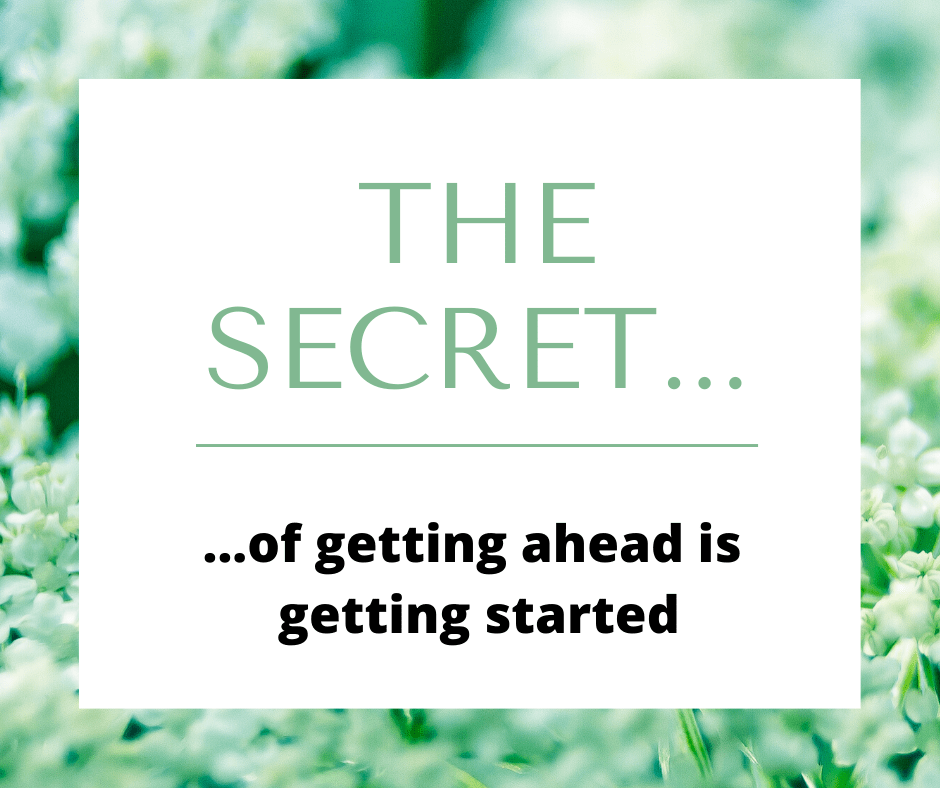
When you are stuck, feel that you cannot make it or that you are not worthy, remember this piece of advice by Mark Twain.
Archivi delle categorie:Personal Development
A Poem: Die Slowly by Martha Medeiros

He who becomes the slave of habit,
who follows the same routines every day,
who never changes brand,
who does not risk and change the color of his clothes,
who does not talk to people he doesn’t know
dies slowly.
He who makes television his guru
dies slowly.
He or she who shuns passion,
who prefers black on white,
and the dots on the “i” to a whirlpool of emotions,
precisely those that recover the gleam of the eyes,
smiles from the yawns,
hearts from the stumbling and feelings
dies slowly.
He or she who does not turn things topsy-turvy,
who is unhappy at work,
who does not risk certainty for uncertainty,
to thus follow a dream,
those who do not forego sound advice at least once in their lives,
die slowly.
He who does not travel,
who does not read,
who can not hear music,
who does not find grace in himself,
dies slowly.
He who slowly destroys his self love,
who does not allow himself to be helped,
who spends days on end complaining about his own bad luck,
about the rain that never stops,
dies slowly.
He or she who abandon a project before starting it,
who fail to ask questions on subjects he doesn’t know,
he or she who don’t reply when they are asked something they do know,
die slowly.
Let’s avoid death in small doses,
reminding oneself that being alive requires an effort far greater than the simple fact of breathing.
Only a burning patience will lead
to the attainment of a splendid happiness.
Lentamente muore – poesia di Martha Medeiros
Lentamente muore
chi diventa schiavo dell’abitudine,
ripetendo ogni giorno
gli stessi percorsi,
chi non cambia la marcia,
chi non rischia e cambia colore dei vestiti,
chi non parla a chi non conosce.
Muore lentamente
chi evita una passione,
chi preferisce il nero sul bianco
e i puntini sulle “i” piuttosto che
un insieme di emozioni,
proprio quelle che fanno brillare gli occhi,
quelle che fanno di uno sbadiglio un sorriso,
quelle che fanno battere il cuore davanti all’errore e ai sentimenti.
Lentamente muore
chi non capovolge il tavolo,
chi è infelice sul lavoro
chi non rischia la certezza per l’incertezza
per inseguire un sogno,
chi non si permette almeno una volta nella vita di fuggire ai consigli
sensati.
Lentamente muore
chi non viaggia,
chi non legge,
chi non ascolta musica,
chi non trova grazia in se stesso.
Muore lentamente
chi distrugge l’amor proprio
chi non si lascia aiutare;
chi passa i giorni a lamentarsi della propria sfortuna
o della pioggia incessante.
Lentamente muore
chi abbandona un progetto prima di iniziarlo,
chi non fa domande sugli argomenti che non conosce,
chi non risponde quando gli chiedono qualcosa che conosce.
Evitiamo la morte a piccole dosi
ricordando sempre che essere vivo
richiede uno sforzo di gran lunga maggiore del semplice fatto di
respirare.
Soltanto l’ardente pazienza porterà al raggiungimento
di una splendida felicità.
Team Work (3): a Swahili Proverb

A boat does not go forward if each one is rowing their own way
Team Work (2): a Proverb from Japan

A single arrow is easily broken, but not ten in a bundle
Team Work (1): a Proverb from Ethiopia

When spider webs unite, they can tie up a lion
9 Reasons to Practise Mindfulness

Today we speak a lot about Mindfulness. Do we really know what it is and why it is useful?
Let’s start with a small definition. Mindfulness is a mental training that makes you aware of your actions and bring focus on what you are doing in the present moment. It is a concept taken from Buddhism but it has lost the religious component and it is not limited to meditation, though meditation is part of Mindfulness.
Today’s life is sometime difficult and often very busy. We find ourselves more and more exhausted and breathless. Our mind is forced to focus on several tasks at the same time (the so called multitasking), at the expenses of our mental and physical well-being.
Practising Mindfulness helps us for sure with finding a bit of quietness and copying with events’ life differently, both in the work environment and at personal level. Mindfulness helps us with finding our own human and spiritual intimacy.
Practising regularly Mindfulness has a positive effect on stress and anxiety and it also helps us in developing useful mental skills that build capacity for:
- Focus
- Mental Clarity and Agility
- Collaboration
- Creativity and Innovation
- Emotional Intelligence
- Empathy and Compassion
- Resilience
- Happiness
- Overall Well-Being.
Try a simple exercise: eat slowly a fruit, trying to taste it fully, to understand the consistency and find out the feelings it gives you. If you eat like that once a day, you will be on the good path for being mindful!
9 ragioni per praticare la mindfulness
Oggi si parla molto di mindfulness, ma sappiamo davvero che cosa è e a cosa serve?
Cominciamo da una piccola definizione. La mindfulness é un formazione della mente che serve a farti acquisire consapevolezza delle tue azioni e presenza in quello che fai. E’ un concetto che ha origini nel buddismo ma ha perso la componente religiosa e non si limita alla sola meditazione, che ne costituisce tuttavia una parte.
La vita di oggi é a volte difficile e impegnativa e spesso ci troviamo esausti, senza fiato. La nostra mente é costretta a dedicarsi a molti compiti allo stesso tempo, a scapito del nostro benessere fisico e mentale.
La pratica della mindfulness ci aiuta sicuramente a trovare un po’ di calma interiore e ad affrontare gli eventi della vita in un altro modo, sia nel contesto lavorativo che nell’ambito personale. Ci aiuta a trovare la nostra intimità umana e spirituale.
La pratica regolare della mindfulness contrasta sicuramente lo stress e l’ansia e ci aiuta a sviluppare utili capacità mentali come:
- Concentrazione
- Chiarezza e agilità mentale
- Collaborazione
- Creatività e innovazione
- Intelligenza emotiva
- Empatia e compassione
- Resilienza
- Felicità
- Benessere generale.
Prova un esercizio semplice. Mangia un frutto lentamente, cercando di assaporare appieno il suo gusto, di capirne la consistenza e scoprire le sensazioni che ti da. Se mangi cosí una volta la giorno, sei sulla buona strada verso un percorso di mindfulness!
A Lesson from a Horse

Somewhere in the countryside of a country of this world, there was a farmer who owned a very beautiful and strong horse. One day, one worker reported to him that his beloved horse, that had also a great value, fell into an abandoned well.
The worker was very sorry for that bad accident, because he knew that the well was very deep and not accessible. He called some other workers but they could not get the animal out, despite all possible efforts.
The farmer went to see the horse in the well and realised that there was nothing left to do, in spite of the fact that the horse was not injured.
He thought it was not worth saving the horse, the needed efforts would have costed more money and time than buying another one.
So the farmer decided to let the horse in the well and ordered his workers to cover the poor animal with earth, so to bury it. Then he left to go on with his business.
The workers started to throw earth in the well, according to the farmer’s orders. To their surprise, each time they shoveled earth, the horse shook the body and the earth fell to the ground under its legs. The horse walked over it while the well was filling up with earth.
A couple of hours later, the horse had its head out of the well and after some more shovels it jumped out happily.
Although sometimes it seems that some people want only to throw earth on you to make you collapse or desist, you have the same intelligence and willpower to go forward, just like the horse.
When someone tries to discredit you, shake yourself, walk above the earth and come out of that imaginary well. Stop and think why this is happening. Think about the good things of your life. Free yourself from those who want to leave you at the bottom of the well. Act like the horse!
Una lezione da un cavallo
Da qualche parte, nella campagna di un paese in questo mondo, c’era un ricco contadino che possedeva un cavallo eccellente e di grande valore. Un giorno un operaio gli disse che il suo adorato cavallo, un esemplare forte e davvero molto bello, era caduto in un pozzo abbandonato.
L’operaio che riportò la notizia al contadino era molto dispiaciuto, poiché sapeva che il pozzo era davvero profondo e stretto e infatti non vi fu alcuna possibilità di far uscire l’animale, nonostante tutti i tentativi effettuati dai vari lavoratori della tenuta.
Il contadino andò a vedere il pozzo, osservò bene la situazione e si rese conto che non c’era più nulla da fare, benché l’animale non fosse ferito.
Non pensava che valesse la pena salvarlo, poiché avrebbe sprecato tempo prezioso e speso più di quanto avrebbe speso per comprare un altro cavallo.
“Giacché si trova nel pozzo” disse l’agricoltore agli operai “gettategli addosso della terra e sotterratelo.”
Poi il contadino se ne andò preso dai proprio affari e gli operai si misero subito all’opera per eseguire i suoi ordini.
Alcuni uomini cominciarono a lanciare terra dentro al buco e sul cavallo. Ad ogni palata il cavallo scuoteva il corpo e la terra cadeva al suolo.
Gli uomini rimasero stupiti dell’intelligenza dell’animale: la terra stava iniziando a riempire il pozzo, mentre il cavallo ci camminava sopra per risalire!
Un paio d’ore più tardi l’animale aveva già la testa fuori dal pozzo, giusto un paio di altre palate, e saltò fuori dal pozzo tutto felice.
Benché talvolta sembri che alcune persone vogliano solamente lanciarci addosso della terra per farci crollare e desistere, ricorda che anche tu hai la stessa intelligenza e forza di volontà di andare avanti, proprio come il cavallo.
Quando una persona tenta di infangarti, scuotiti, cammina sopra la terra ed esci fuori da quel pozzo immaginario.
Fermati, pensa al motivo per il quale questo sta succedendo e ricordati delle cose buone della tua vita. Liberati da coloro che vogliono lasciarti in fondo al pozzo. Ricordati del cavallo!
 Crisbie Coach