Have a look at some other ideas to try out in your free time. You can find more here.
Stargazing. Prepare stargazing by becoming familiar with the sky that will show up on the chosen day and time (on the Internet you can find this information easily). You will have to choose a place away from light sources, take a blanket or even a deck chair and binoculars. There are also astronomical observatories and parks that organize evenings to look up at the sky, especially in summer when the phenomenon of streamers occurs (between 14 and 24 August, with a peak of activity during the night of Saint Lawrence between 12 and 13 August).
Plan a garage sale. If you want to free up some space in your home from things you no longer use while also earning some money, a good idea is to organize a “garage sale”, or a private sale in your home. If you find a flea market nearby your place, why don’t you participate? It is also an opportunity to invite all your friends and acquaintances, and have a chat while drinking a cup of coffee.
Let the children manage a day. The preparation of a day by children can itself become a playful moment. As adults, we can establish criteria, a budget and a timeline, then we entrust the organization to the children. Let yourself be surprised and if you do not have children, propose this activity to those who have them.
Take part in a short-term training. Are there any activities or things you’ve wanted to do but haven’t done yet? Look around and look for short-term courses organized by in neighbourhood. Don’t think too much about the content. Do you get inspired by meditation, zumba, or writing? Sign up for! Do not hesitate, follow your intuition!
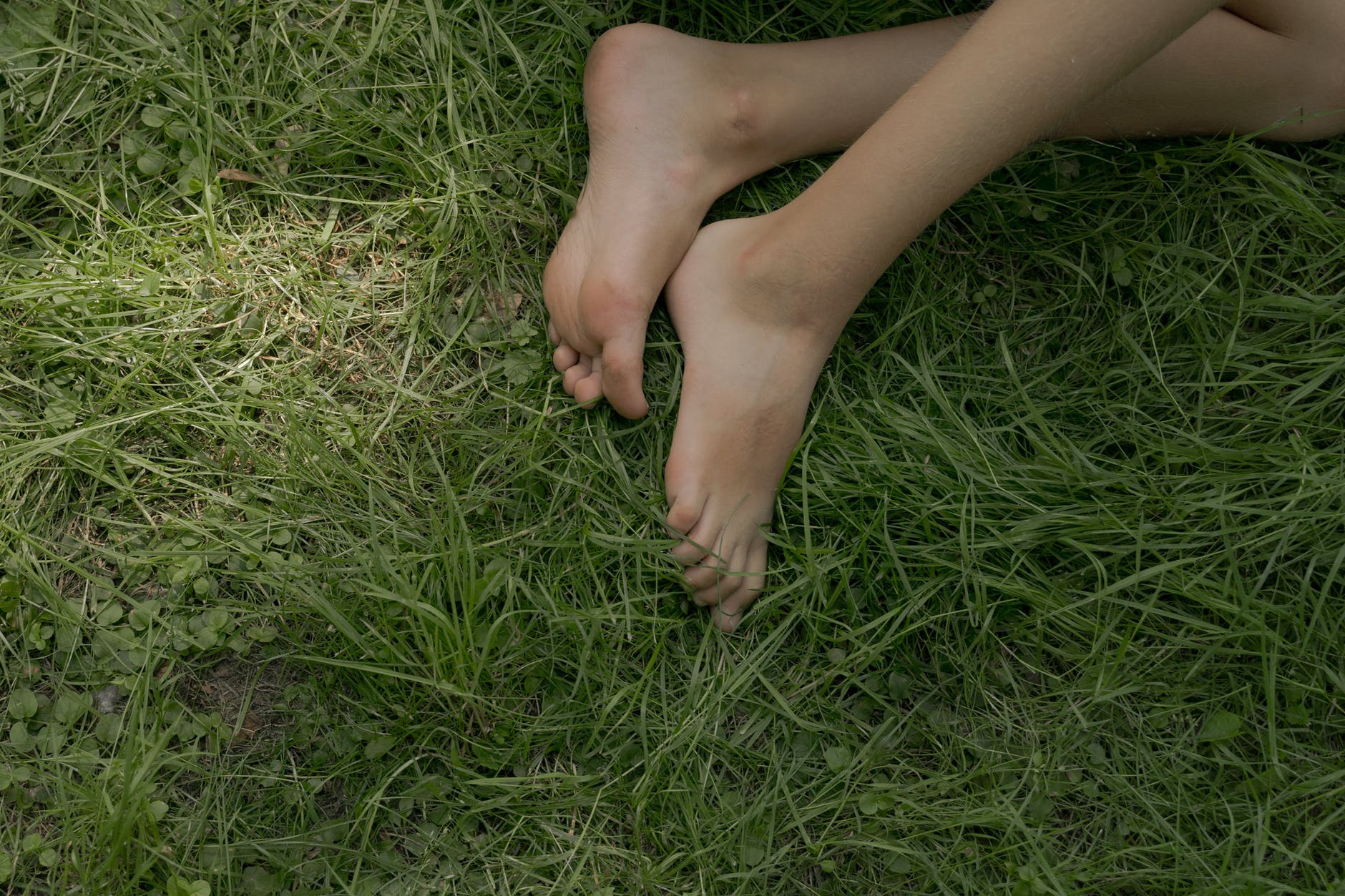
Walk more barefoot. The foot has 26 bones, 16 joints and 107 ligaments that need to be kept active for your overall well-being. In addition, the sole of the foot contains 7,200 nerve endings, which are the basis of foot reflexology. Being barefoot is essential for your health. Start little by little and then increase the time you spend barefoot. On the beach or in a park would be perfect!
1995, Pittsburgh, USA. MacArthur Wheeler breaks into a bank for a robbery. But strangely, he acts with his face uncovered… and smells very strong lemon! Easily identified thanks to surveillance cameras, he is arrested the same evening.
So why didn’t Wheeler cover his face like all robbers do?
Wheeler thought having a great idea: lemon juice could serve as invisible ink to write secret messages, therefore it could be used to become invisible to the cameras if he would spray his face.
This piece of news intrigues two psychologists, Daniel Dunning and Justin Kruger: how can people be so sure of themselves when they obviously know nothing?
To find an answer, the two psychologists set up a small experiment. They submit tests (humorist, grammatical, and logical reasoning) to groups of people and then ask them to self-assess. As a result, the people who have failed their tests the most are also those who feel they have done the best.
This is the “Dunning-Kruger effect“,also called the overconfidence effect: when you are not competent in a field, you do not recognize this incompetence and you are even strongly tempted to overestimate your own abilities!
Wheeler the robber,who thought being an expert in becoming invisible, was probably a victim of this psychological bias which can also do damage in other fields. For example, if in the workplace, very self-confident incompetents get promoted instead of competent but more discreet colleagues, this can generate stress, a sense of injustice and demotivation within a team.
In short, it can make relationships between colleagues as acid as lemon!
Ireland, May 1970. The country’s banks were closing one after the other. The reason? The employees claimed for a salary increase. Their strike would be long lasting, it went on for 6 months! How will people withdraw money, receive their pay-checks or buy things?
Their way out to this long lasting strike was going to the pub! Indeed, these typical bars of the country have a lot of cash.
In addition, the owners know everyone, and enjoy great trust from their customers.
Therefore, Irish people turned to them. They signed cheques and collected cash in exchange. Pub owners will only need to wait for the banks to reopen. Thank to this way out, they could pay for their purchases, and everything went well.
For the anthropologist David Graeber, this episode would tend to show that the job of bank’s employees has no “social utility”. When they would not work, everything continued to function normally. This proved to be true as in the year of the strike, the Irish economy grew as well as usual.
Obviously,Irish could not do some operations, like asking for loans, making investments in the stock market or establishing business companies.
Finally, everyone was very happy when they could go to the bank again, especially the pub owners who could cash out all the checks they received.
Actually, bank jobs have changed a lot during the last twenty years. When I opened my first bank account, I had to go there and meet someone to do all the papers. The last one I opened, I went to the bank just to sign one paper, to verify the authenticity of my signature.
Beyond social utility, today we are witnessing the disappearance of professions due to the increasingly widespread use of artificial intelligence which causes, and will massively cause, a radical change in the job market.
Here are some new ideas to try out in your free time.
Organize a picnic. Choose a date, a place and invite your friends and/or family. The formula, particularly convivial, is declined in many ways and can integrate a theme, a specific culinary style, a walk, or even games for the youngest and, why not, also for the older.
Take a trip alone. This may seem like a very bold big step if you are used to travelling with your partner, family or friends. The advantage is the incredible freedom to really do what you want, not to compromise with others on what you want to do, and to plan an itinerary only according to your wishes.
Read a book outdoors. Choose a comfortable place, a park with a beautiful lawn for example, and take a blanket to sit on. Take advantage of your time to read a book by occasionally looking at the people around you, walking, children playing, dogs running. Enjoy the life that unfolds around you, without you having to do anything. And if you finish the book, why not leave it on a bench with some advice for those who want to take it?
Cultivate your own garden. Whether you want medicinal plants, vegetables or flowers, making a garden is fun and instructive. If you don’t have land, you can also do it on a balcony. And if you do not have a balcony either, there are plants that live well also inside. This activity is particularly healthy because it allows you to regain contact with nature, to understand its dynamics and to observe its wonders.
Immerse yourself in nature. As I said before, being in contact with nature is extremely energizing, relaxing and reassuring. Whether it’s a walk in a forest, in a park or a full immersion in nature, like camping, listen to your wishes and make them come true.
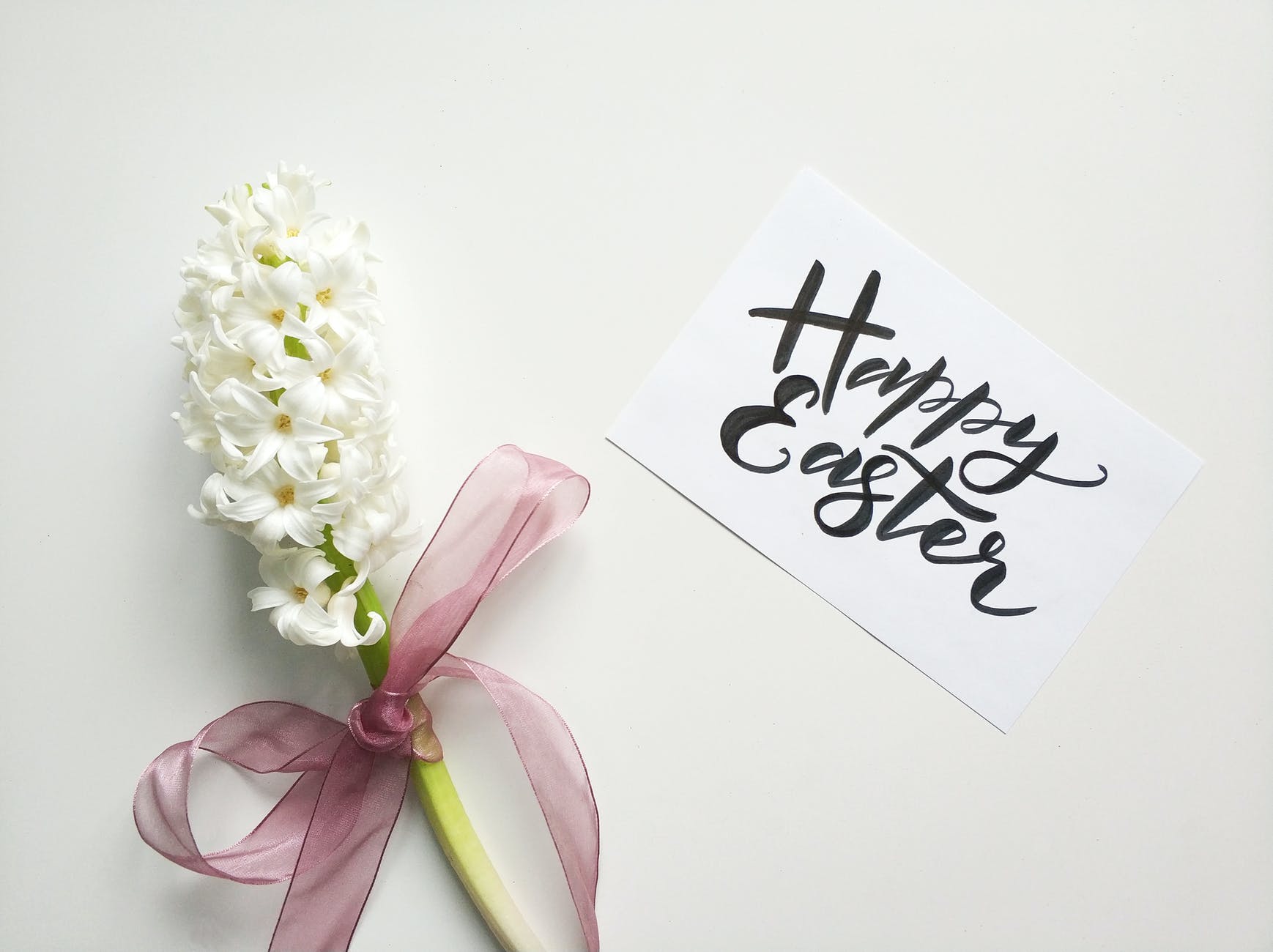
Easter egg hunting dedicated to the little ones, has become part of the Easter traditions in the Western world. However, do you know where it comes from? This is how the tradition of hiding eggs in the most unexpected places was born and who is Easter Bunny, the bunny who hides them.
Easter is accompanied, as any other holidays, with all the old, local traditions. We all know that the fun of the Easter egg hunting consists in finding as many eggs as possible in the most unexpected places. It is a real treasure hunt. But do you know the origins of this tradition, that is cheering up all the children during this Sunday?
Origins of the Egg Hunting
The tradition of egg hunting was born in Germany, where the Osterhase, the Easter bunny (which is actually a hare), brings to good children the Osterei, a chocolate egg. The custom soon spread from Germany to the United States, imported by German immigrants in the eighteenth century. In English-speaking countries, the Osterhase becomes a rabbit and turns into Easter bunny. All American children, but also British, Canadian, Australian and New Zealand children await the Easter bunny, which hides the Easter eggs in the most unexpected corners of the garden, so that they can be found in the great Easter egg hunting.
How the Easter egg hunting is organised
In Anglo-Saxon countries, to prepare a successful Easter egg hunting, parents decorate boiled eggs and hide them. Each child is then given a basket where they can keep the eggs they find and, like a regular treasure hunt, all participants look for cards and clues that help them find the hidden eggs. Whoever finds more eggs wins the treasure that will consist of sweets, chocolate and toys.
In Italy the tradition is getting big chocolate eggs, with gifts inside.
However, for some years, even in Italy this egg hunting has started in a revisited way, which consists in hiding the traditional chocolate eggs in some corner of the house or of the garden.
One day, a professor entered the classroom and asked the students to get ready for a surprise test.
They all waited anxiously at their desks for the exam to begin.
The professor handed out the exams with the text facing down, as usual. Once he handed them all out, he asked the students to turn over the papers.
To everyone’s surprise, there were no questions – just a black dot in the middle of the paper sheet.
The professor, seeing the expression on everyone’s faces, told them the following: “I want you to write about what you see there.”
The students, confused, got started on the inexplicable task.
When the given time was over, the professor took back all the papers, and started reading each one aloud, in front of all the students.
All of them, with no exception, defined the black dot, trying to explain why it was in the middle of the sheet.
After all had been read, and the classroom was silent, the professor started to explain: “I’m not going to give you a note on this, I just wanted to give you something to think about. No one wrote about the white part of the paper. Everyone focused on the black dot. The same happens in our lives.”
Life is like a piece of paper to write on, observe and enjoy, but we always focus on the dark spots.
Life is a gift, and we always have reasons to celebrate – nature renewing itself daily, friends around us, the job that provides us money to live, the love of our partner, our children, and much more.
The dark spots are very small when compared to everything we have in our lives, but they’re the ones that pollute our mind.
Take your eyes away from the black dots in your life. Enjoy each one of your blessings and each moment that life gives you. Be happy and just live!
Do you know what are you going to do today? Are you bored sometimes on Sundays?
Here are some ideas that you could try out in your free time, or when you feel bored.
Have you ever thought about becoming a juggler? In addition to the development of concentration and the improvement of psychomotricity, juggling is very fun to learn. Once you master it, it is an activity that will entertain children, but not only. Then, who knows, it could become a second source of income.
Offer yourself a moment of relaxation. Whether you go to a specialized center or have someone come to your home, offer yourself a moment to relax. A massage with essential oils made by expert hands is a panacea for relaxation. You can call someone to your place, as I do when I want to get a pedicure. You could also organize a complete home ritual: scented bath, candles, and of course relaxing music.
Organize a movie night. Choose your favorite film, or one you would like to share with your friends, prepare some popcorn, something to drink and start watching the movie. At the end you can discuss it with your friends.
Participate in a festival. Look on your town’s online agenda to see if you find a dance, music, or theater festival. If you don’t find it nearby, then look for it in other places, maybe in one of those places that you wanted to visit for a long time. And if you do not find anything today, look for something to do next Sunday.
Plan a visit to a museum or exhibition. We usually are prepared to go more or less far to see an exhibition, forgetting about the treasures close to home. Search for the list of museums that are located in your area and book a guided tour with the one that interests you most. Of course, if you don’t like guided tour, you could also go on your own!
It is the end of winter and spring appears timidly showing us the first blossoms, longer days and birds that build nests.
Spring marks the awakening of nature and therefore also our awakening, not only physical but also spiritual.
There is a Sanskrit word that defines spiritual awakening, but which actually means “liberation”. The word is Moksha.
According to the Indian tradition, the discovery of one’s Self is associated with that of freedom.
But why? What kind of freedom are we talking about?
First of all, let us remember that waking up our true nature means becoming aware that there is a much wider presence within ourselves than the individual we normally identify with. The Self is called Atman in Indian philosophy.
The first freedom that we should discover is to abandon identification with the body. In fact, by discovering our Self, we stop living as prisoners inside our body. Suddenly our presence, which was previously closed within the perimeter of our skin, becomes immense and limitless. We join the world. We are no longer inside our body, but it is our body that is inside us.
The second freedom is the discovery that we are not dependent on our thoughts. The Self is not a thought, but it is consciousness, the awakened space in which our thoughts appear and disappear. Liberation from thought is like liberation from a corvee, from a hellish cycle of recurring thoughts, and it gives us silence.
The third freedom consists in the discovery that our Self is free from our past, from what has happened to us of both positive and negative. Our past remains, of course, and constitutes our history, but the Self lives only in the present moment, so it is always new, original, fresh. It allows us to regenerate the source of our presence every moment.
The fourth freedom is that from the judgment of others, which too often is very heavy. Others see us, judge us and this makes us lose some of our freedom. But others cannot see our true Self, they cannot see who we really are. They only see our appearance, our body, but they cannot see our true nature. Thanks to awakening we are able to free ourselves from the gaze of others and finally to be free.
There are a lot of ways to incorporate responsible actions into your daily life. Climate crisis is one of the biggest challenges the human kind has to face. More and more people are trying to live responsibly and are also becoming aware that even small changes can have a positive impact on the future of our planet.
Time for change has come. Drastically changing your habits and sticking to them may be difficult. To help you get started, I have come up with 10 eco-responsible actions that you could easily apply daily.
1. Choose where to buy your clothes
Today, unfortunately, many fashion items are still produced in factories with deplorable working conditions. Before buying your clothes, do some research and choose brands that sell ethically produced clothing.
2. Refill, reduce, reuse
Choosing sustainability does not mean any longer being able to enjoy moments of well-being. It is simply a matter of integrating these moments into your daily life in a sustainable and meaningful way. Buy refills for a large number of products, such as face creams or liquid soaps, so you can continue to take care of yourself and enjoy moments of well-being by helping to reduce unnecessary waste.
Use skincare and home care products that can be refilled, and while it may seem obvious, only buy the products you use. Be sure to finish them before buying new ones. When considering buying a refill, take a look at the figures that show the impact reductions. They will tell you the efforts you are making by using them.
3. Switch to a bike
Carbon dioxide and other greenhouse gases emitted by cars contribute to global warming. If you work far away from your home, taking the bike every morning may seem difficult. If you can’t ride all along the way, why do not you ride at least to the bus, subway or train station? There are only benefits: let the planet breathe for a few moments, save some money and keep you fit.
4. Eat less meat and sugar
According to scientists, the most effective way to protect the future of our planet is to adopt a vegetable-based diet on a more regular basis and limit sugar intake. The food industry consumes a lot of energy. By consuming seasonal, vegetable-based and, ideally, locally produced foods, you too can act for the planet. Vegan and vegetarian foods can be incredibly tasty. You can try shopping at your local grocer instead of at the supermarket. Maybe there’s a farm near you, or even a local vegetable garden where your neighbours grow and sell fruits and vegetables? Or you could grow your own vegetables and fruits!
5. Travel with discernment
Because of the pandemic, in 2020 many of us travelled less than in previous years. Now that “normal” life resumes, you can try to limit unnecessary air travel as much as possible. Turn your next trip abroad into a holiday at home or consider another means of transport, such as the train or bicycle. Think of travel as part of your vacation. Don’t just focus on the destination. Why do not you go on holiday by train reading a good book?
When you think of green energy, the first things that come to mind are electric cars and solar panels. Actually, you might invest in these solutions, but it’s not always possible. A very simple way to provide sustainable energy to your home can be to opt for a green energy supplier. These companies offer gas or electricity in the same way as traditional companies, but in a more environmental friendly way thanks to energy from renewable sources, such as wind, sun or water.
7. Borrow instead of buying
Opt for sharing, lending or borrowing rather than buying items. Borrow your neighbour’s drill, temporarily refresh your wardrobe with clothes rental (perfect for fast fashion or special occasions), and swap books with friends (or look for books in book-crossing points).
8. Optimize daily commutes
Because of the pandemic, many of us don’t take public transport any longer. If you’re driving to work or planning a day trip, why do not you suggest your colleagues or friends to go together?
Did you know that your tire pressure has an impact on your car’s carbon emissions? Deflated tires need to be replaced more often and consume more fuel. You can check them also at gas stations.
9. Take smart showers
In the bathroom, the greatest impact on the environment does not come from care products, but from the energy used to heat the shower water. This accounts for about 77% of the impact, as the water is often heated with gas. According to research, skincare products account for only 5% of the impact of your overall environmental footprint. Consider buying an inexpensive water-saving shower head. You will save a lot of water and taking a shower will be the same.
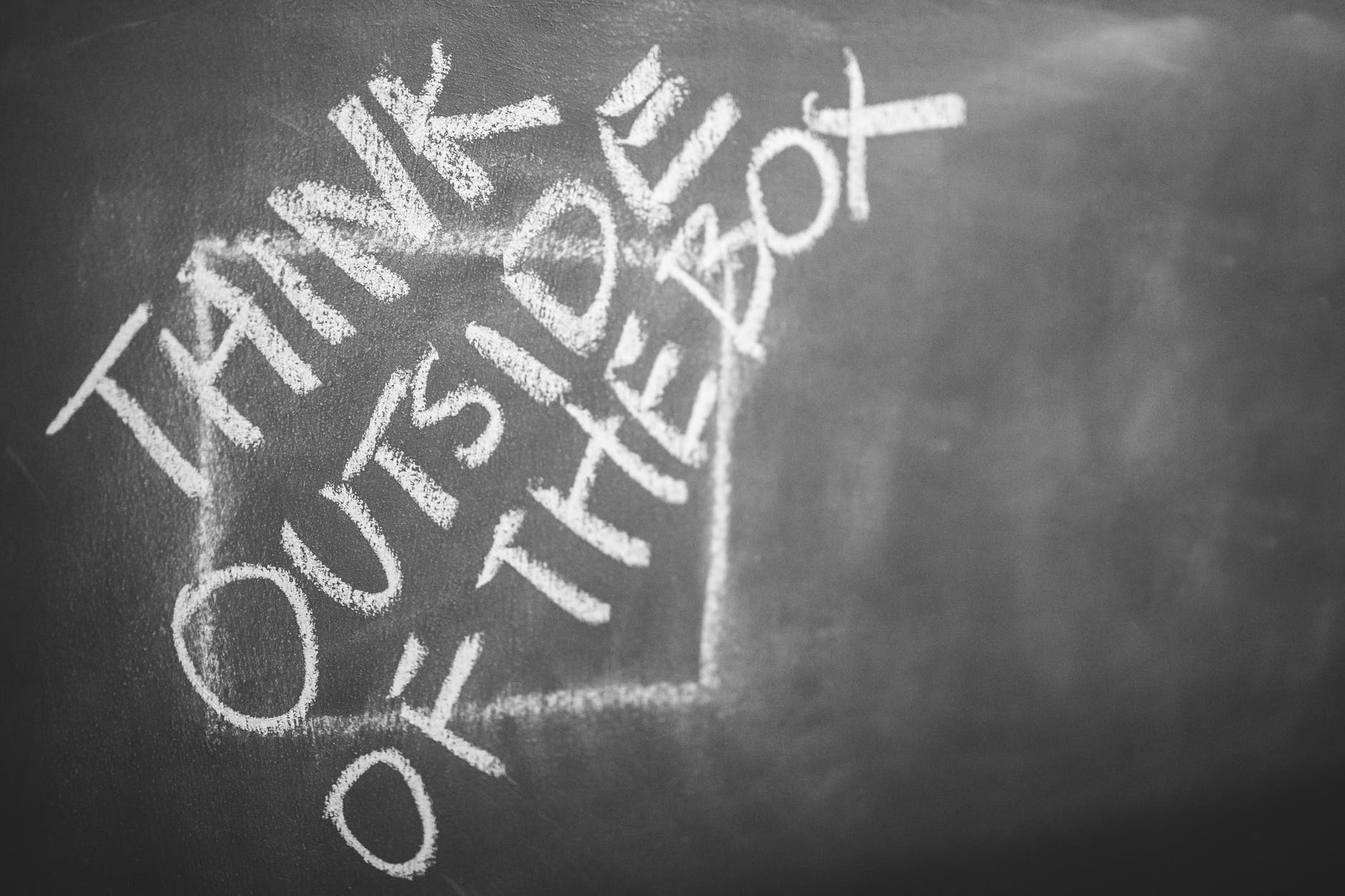
10. Think outside of the box
Small actions add up and if you experiment with creative solutions, your mindset will also change for the better. For example, your gift boxes can be reused to store small souvenirs, jewellery, letters or photos.
In Iceland they carried out an experiment. From 2015 to 2019, 2,500 people (equal to 1% of the inhabitants) participated in a very ambitious project: to reduce working time without reducing wages. Public sector employees, with different profiles and working in different sectors (schools, hospitals, social and administrative services), worked 4 days a week following their working hours, not necessarily during the day.
Objective
Analyse positive changes in professional and personal life.
How it was achieved
Communication mainly via emails, reduced time of breaks and daily activities redistributed in order to optimize the available time.
Results
The results speak for themselves. In 4 years, participants’ productivity and well-being have increased, while stress and risk of burn-out has decreased considerably.
The results show that the 2,500 workers involved used their free time to recover their energy, to spend more time with their families, or to practise their hobbies. This has led unions to renegotiate employment contracts and now 86% of Icelandic employees have chosen to work less for the same salary.
Benefits
A marked improvement in the quality of life has been noticed. In fact, it is often the work environment that increases states of anxiety and malaise.
This research could be replicated in the UK, because, according to a survey, 63% of the population would be in favour. In addition, 45 deputies voted a motion to ask the government to study this proposal.












 Crisbie Coach