Do You Know the Story of Ferdinand the Bull?

This is a story about a bull named Ferdinand who lives in Spain. Unlike his young bull brothers who like to run, jump, and butt their heads together, Ferdinand prefers to sit quietly and smell the flowers. He is gentle and peace-loving.

One day, men come to pick the biggest, fastest, and roughest bull for the bullfights in Madrid. Despite his calm nature, Ferdinand is mistakenly chosen after accidentally sitting on a bee, making him jump and snort in pain, appearing fierce.

When Ferdinand is taken to the bullfight, everyone expects him to be a ferocious fighter. However, Ferdinand remains true to his nature. He simply sits in the middle of the arena, smelling the flowers in the ladies’ hair, refusing to fight. Ultimately, he is taken back to his peaceful pasture where he can continue to enjoy the flowers.

The story of Ferdinand is celebrated for its message of nonviolence and individuality. It emphasizes the importance of being true to oneself and not conforming to societal expectations.

The Story of Ferdinand was banned by Nazi Germany and other fascist regimes because its themes of pacifism and non-conformity were seen as subversive to their ideologies. The book’s promotion of peace and individualism directly contradicted the militaristic and conformist values promoted by these regimes.

In Nazi Germany, literature and art were heavily censored to align with the state’s propaganda and ideological goals. Anything that encouraged critical thinking, individuality, or opposition to violence was considered dangerous. Ferdinand’s refusal to fight, his contentment with simply smelling flowers, and the overall anti-war message of the book were seen as promoting ideals that could undermine the aggressive, war-driven mentality the Nazis sought to instill.

Similarly, the book was banned in Francoist Spain for similar reasons. Francisco Franco’s fascist regime viewed the book’s peaceful and non-conformist themes as a threat to the authoritarian and militaristic values it was trying to enforce.

In contrast, during the Spanish Civil War, the book was embraced by leftist and anti-fascist groups, who saw it as a symbol of resistance against tyranny and war.

The banning of “The Story of Ferdinand” by these regimes underscores how literature can be powerful in promoting ideas that challenge authoritarianism and advocate for peace and individuality.

What do you think about banning books from schools, something that is happening also nowadays?

Thank you for reading! Please sign up for my blog crisbiecoach so you don’t miss out on any posts and also for Wise&Shine an incredible online magazine!

The Unusual Email: A Rotterdam Tale

In 2009, the residents of a quiet neighborhood in Rotterdam, The Netherlands, began their day like any other, only to find an unusual email waiting in their inboxes. The message was startling and direct: “Stop using your car now.” It went on to explain that their driving habits had been monitored, and they were being asked to cease driving immediately. The initial reaction was one of alarm. Was this some kind of threat or blackmail?

But the truth was far from sinister. The email was a collaborative effort from the City of Rotterdam and the company managing the local highways. Their shared mission was to tackle the persistent traffic jams that choked the city daily, contributing to pollution and frustration among its inhabitants.

The Common Solution: Bigger Roads?

Many residents wondered why the city didn’t simply build bigger highways or add new ones. It seemed like an obvious solution—more roads should mean less congestion, right?

Enter the Braess Paradox

This is where the “Braess Paradox” comes into play. This counterintuitive theory suggests that increasing road capacity to alleviate traffic jams can actually worsen them. How could this be?

The paradox explains that adding new roads often leads to more people choosing to drive. Those who had previously given up driving due to congestion would return to their cars, and those who avoided rush hour would start using their cars again, believing the additional road would ease their commute. The result? Even worse traffic jams than before.

A Smarter Approach

The authorities in Rotterdam understood this paradox well. Instead of expanding the road network, they aimed to encourage behavioral changes among residents. By asking people to reduce their car usage, they hoped to decrease overall traffic volume and improve the city’s air quality. It was a bold and innovative approach, rooted in a deep understanding of urban traffic dynamics.

The Residents’ Response

Initially, the residents were skeptical and even resistant. But as the reasoning behind the request became clear, many began to see the wisdom in it. Gradually, they adapted, finding alternative ways to commute and reducing their reliance on cars. Public transportation, cycling, and walking became more popular choices, and slowly but surely, the traffic jams began to ease.

The strange email that once caused confusion and concern ultimately led to a positive change in Rotterdam. The city became less congested, cleaner, and more livable, demonstrating the power of innovative thinking and collective action.

In the end, the story of the unusual email and the Braess Paradox became a remarkable chapter in Rotterdam’s history, a testament to the city’s commitment to sustainable living and intelligent urban planning.

What do you think about this approach to solving traffic in cities?

Thank you for reading! Please sign up for my blog crisbiecoach so you don’t miss out on any posts and also for Wise&Shine an incredible online magazine!

How to Manage Frustration in Modern Life

We’ve all experienced the disappointment of wanting something and not getting it, especially as children. Such moments often led to crying, which our parents might have labeled as a whim. However, frustration is a common emotion that persists throughout life, and our ability to manage it plays a crucial role in our overall success and happiness.

A Zen master encapsulates happiness in a simple formula: happiness is the reality we live minus what we want or hope to achieve. When our desires exceed what we have, we face the dilemma Carl Gustav Jung described: “Life not lived is a disease from which you can die.”

In today’s competitive society, where instant gratification is the norm, frustration is a frequent companion. Another arises as soon as one desire is fulfilled, perpetuating a cycle of longing and dissatisfaction.

Have recent changes in your life affected your sense of well-being? Reflect on the following symptoms to see if frustration has taken hold:

  • Frequent Melancholy: You often feel sad or downcast.
  • Increased Irritability: You find yourself more irritable, tense, and stressed. Things that used to be minor annoyances now trigger strong reactions.
  • Persistent Negative Thoughts: Negative thoughts frequently occupy your mind, draining your energy and sometimes affecting your sleep.
  • Higher Alcohol and Medication Use: You have increased your consumption of alcohol or medications, often without medical advice.
  • Desire to Escape: You feel an overwhelming urge to escape your current situation.

Recognizing these signs is the first step toward managing frustration. By understanding and addressing these emotions, you can work towards a more balanced and fulfilling life.

Thank you for reading! Please sign up for my blog crisbiecoach so you don’t miss out on any posts and also for Wise&Shine an incredible online magazine!

The Secrets of Longevity: Habits for a Longer, Healthier Life

Living a long, healthy life is a goal many of us aspire to. While genetics play a role, lifestyle choices significantly impact our life expectancy and overall well-being. Experts have identified several habits that can contribute to longevity. Here’s a closer look at these practices and how they can enhance your life.

Spending Time with Loved Ones

Social connections are essential for a long, healthy life. Spending time with family and friends leads to the gradual and prolonged release of oxytocin, a hormone that helps combat stress, chronic diseases, and premature aging. Oxytocin, often referred to as the “bonding hormone,” promotes feelings of trust and reduces anxiety. Strong social ties are linked to lower risks of heart disease, enhanced immune function, and improved mental health. Prioritize quality time with loved ones to nurture these relationships and reap the health benefits.

Adopting a Plant-Based and Balanced Diet

One of the secrets to increasing life expectancy is embracing a vegetarian or plant-based diet. Diets rich in fruits, vegetables, legumes, nuts, and whole grains provide essential nutrients that support overall health. Plant-based diets are associated with lower risks of chronic diseases such as heart disease, diabetes, and certain cancers. They are also rich in antioxidants, which protect cells from damage and reduce inflammation. Incorporating more plant-based meals into your diet can lead to a longer, healthier life.

A balanced diet, rich in fruits, vegetables, and good fatty acids, is fundamental to longevity. Nutrient-dense foods provide vitamins, minerals, and antioxidants that protect against chronic diseases and support overall health. Healthy fats, such as those in avocados, nuts, seeds, and olive oil, promote heart health and reduce inflammation. Eating various colorful fruits and vegetables ensures a wide range of nutrients that support bodily functions and prevent disease.

Exercising Daily

Daily physical activity, even as little as 10 minutes, can significantly increase longevity and improve quality of life. Exercise strengthens the cardiovascular system, enhances muscle and bone health, and boosts mental well-being. A study published in Nature Medicine confirms that engaging in hobbies, passions, or sports leads to happier and healthier lives. Regular exercise releases endorphins, which improve mood and reduce stress. Aim to include a mix of aerobic, strength, and flexibility exercises in your routine for optimal benefits.

Maintaining Regular Sleep Patterns

Going to sleep at regular times is crucial for maintaining good health. Consistent sleep patterns help regulate the body’s internal clock, improve sleep quality, and reduce the risk of sleep disorders. Quality sleep is essential for cognitive function, emotional well-being, and physical health. It supports memory consolidation, immune function, and cellular repair. Strive for 7-9 hours of sleep per night and establish a calming bedtime routine to enhance sleep quality.

Spending Time Outdoors

Spending time outdoors and getting fresh air is vital for brain health and cognitive function. Exposure to natural light helps regulate circadian rhythms and improves mood. Outdoor activities often involve physical exercise, which enhances cardiovascular health and mental well-being. Additionally, being in nature reduces stress, improves concentration, and boosts creativity. Make it a habit to spend time outside daily, whether it’s walking, gardening, or simply enjoying a park.

Embracing a Holistic Lifestyle for Longevity

Adopting these habits can lead to a longer, healthier, and more fulfilling life:

  1. Cultivate Strong Social Connections: Make time for family and friends. Participate in social activities and nurture meaningful relationships.
  2. Adopt a Plant-Based and Balanced Diet: Increase your intake of fruits, vegetables, legumes, nuts, and whole grains. Experiment with plant-based recipes and meals. Focus on nutrient-dense foods rich in vitamins, minerals, and healthy fats. Limit processed foods and sugary snacks.
  3. Exercise Regularly: Aim for at least 10 minutes of physical activity daily. Find activities you enjoy, such as walking, cycling, or yoga.
  4. Maintain Regular Sleep Patterns: Establish a consistent sleep schedule and create a relaxing bedtime routine.
  5. Spend Time Outdoors: Incorporate outdoor activities into your daily routine. Enjoy the benefits of fresh air and natural light.

Integrating these habits into your daily life can enhance your health, well-being, and longevity. Small, consistent changes can lead to significant, lasting improvements, helping you live a vibrant, healthy life well into your later years.

Thank you for reading! Please sign up for my blog crisbiecoach so you don’t miss out on any posts and also for Wise&Shine an incredible online magazine!

Nostalgia: Why Reflecting on the Past is Crucial for Mental Health

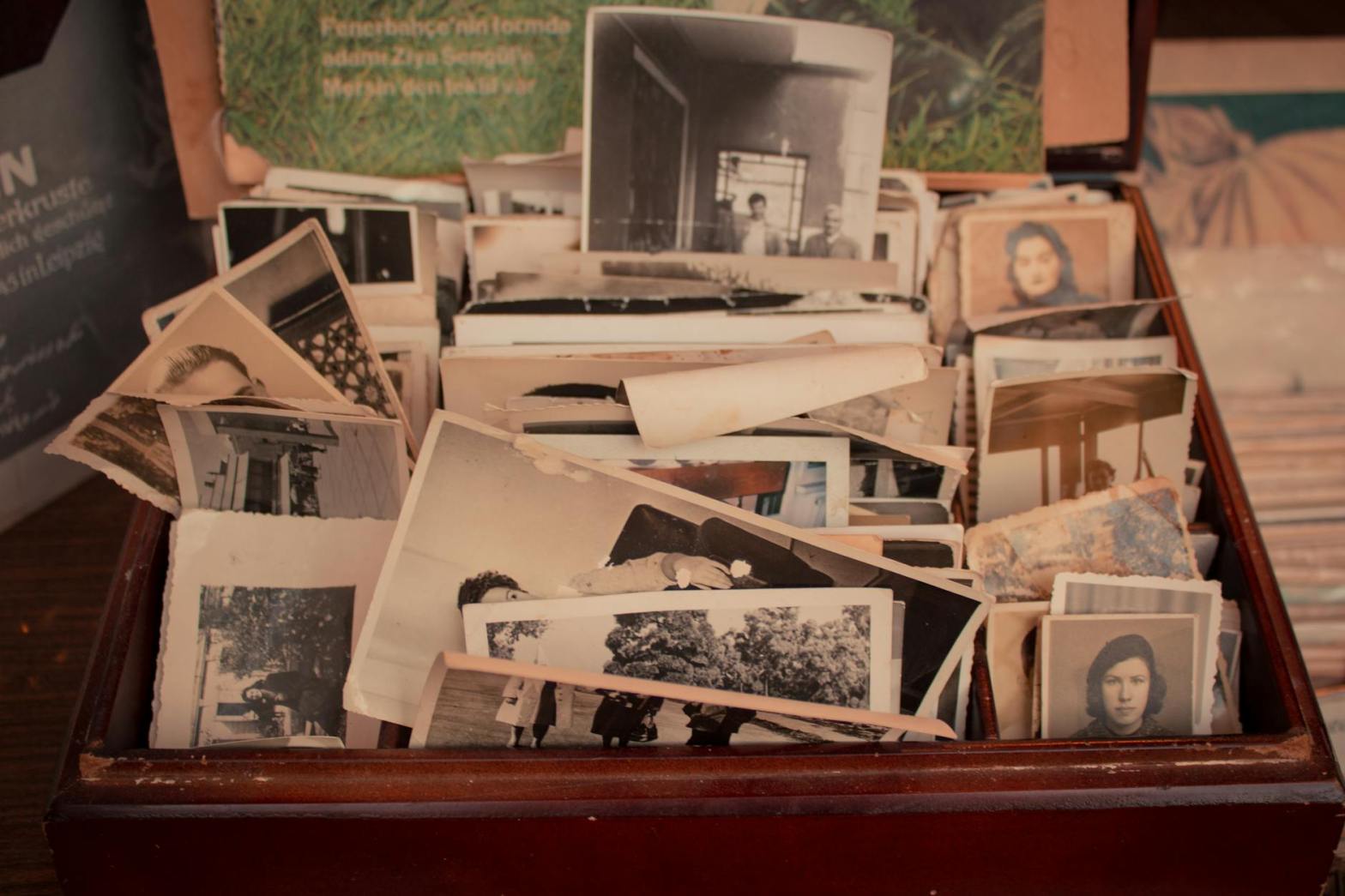
Nostalgia protects against existential challenges, helping us cope with the present and future by evoking positive experiences and feelings from the past. This powerful emotion serves as a rearview mirror, reflecting a particular time, place, or emotion that once brought joy or comfort. Whether it’s the memory of your first love, a yellowed photograph found by chance, or an object that stirs a significant memory, nostalgia plays a crucial role in our mental well-being.

How the Internet Fuels Nostalgia

In today’s digital age, the Internet has become a key driver of nostalgia. With just one click, you can find the soundtrack of a cherished moment from your past, instantly transporting you back in time. Experts suggest that nostalgia is a complex emotion—predominantly positive—that enhances our sensitivity and helps us understand the present.

The Origin of Nostalgia

The term “nostalgia” was coined in 1680 by Johannes Hofer, a student at the University of Basel. He combined the Greek words “nóstos” (homecoming) and “algia” (suffering) to describe the deep longing Swiss soldiers felt to return home from battle. Today, we understand nostalgia as a positive and stimulating emotion, distinct from melancholy, which does not cause illness symptoms but helps combat them.

Nostalgia as a Source of Resilience and Wellbeing

Research from the University of Southampton in the UK highlights nostalgia as a vital mental health component. It motivates us, boosts our self-esteem, and serves as a reservoir of emotions that we can consciously and unconsciously access. These positive memories reinforce feelings from our past, aiding us in coping with current and future challenges.

While nostalgia allows us to recall the past, it does not bring back what we have lost. Instead, it helps us better manage the life we are living. By tapping into nostalgic memories, we can find comfort and strength, making it an essential tool for resilience and well-being.

Does Nostalgia Help You Manage Your Life?

Reflecting on your own experiences, do you find that nostalgia helps you manage your life? Share your thoughts and let me know how nostalgia influences your mental health and daily coping strategies.

Thank you for reading! Please sign up for my blog crisbiecoach so you don’t miss out on any posts and also for Wise&Shine an incredible online magazine!

My Trip to the Azores

Today is my last day of one week off we took at the Azores, precisely on the island of Sao Miguel.

I never did a post like that before, where I publish my photos, so let’s try for a change 😀

Here you go.

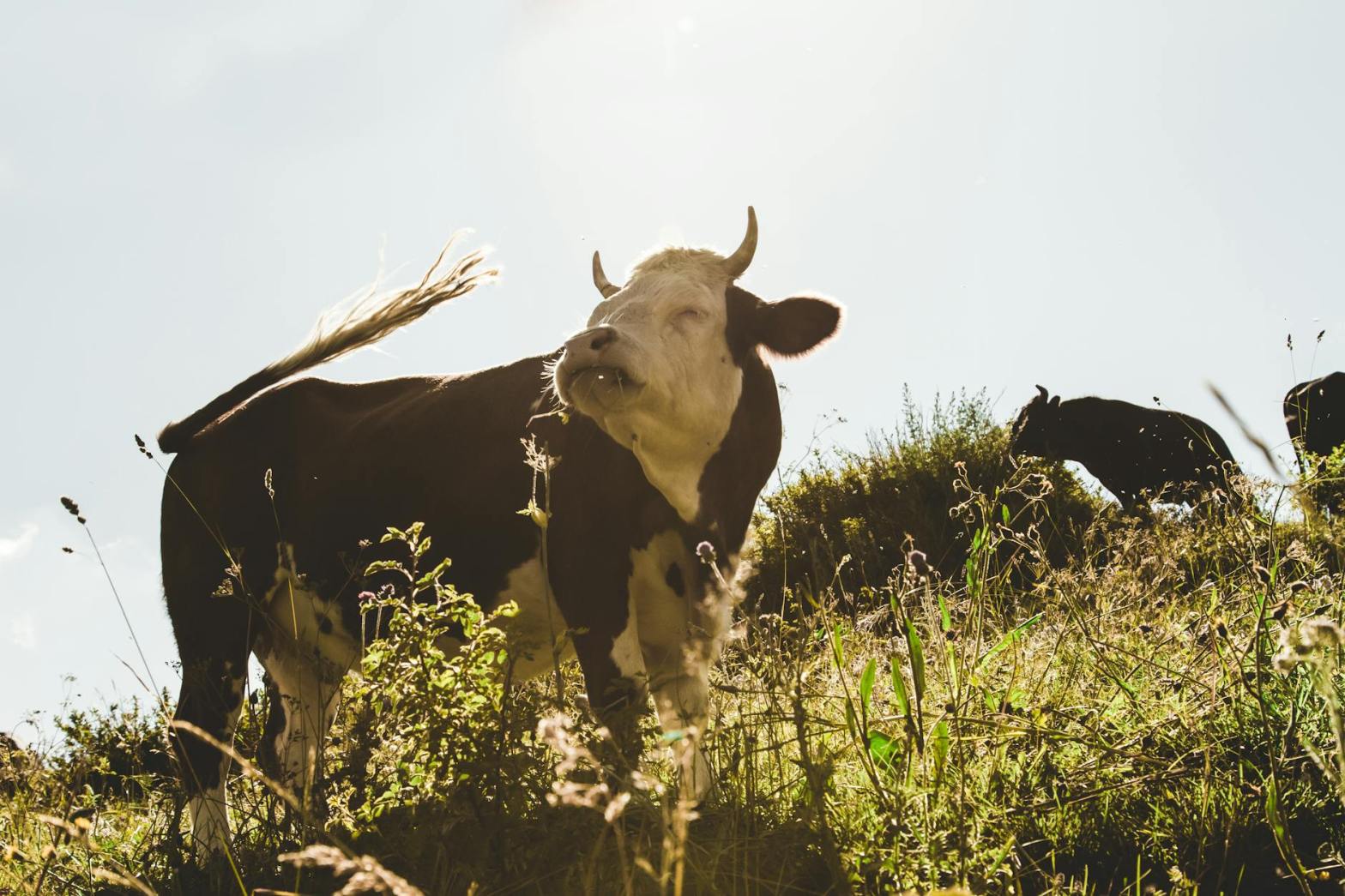
In the island there are 4 cows per habitant, they live all free in the fields and sometimes you find them also in the middle of the road!
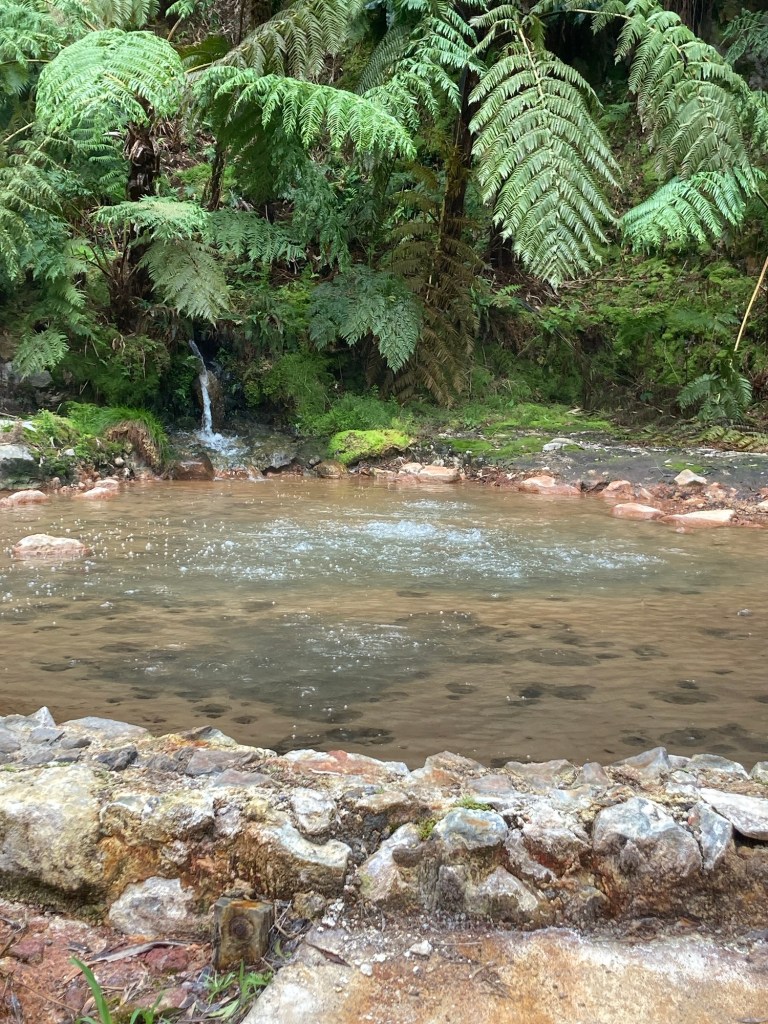
The Azores, being of volcanic origins, are famous for their thermal waters. This is from park Terra Nostra in Furnas.
The water is rich in iron as you can see from its color.
Of course you can go in and take a bath.
These holes are used to cook “cozido” a specialty of the island.
I didn’t try it as it is meat based and I don’t eat meat.
Volcano’s smoke from caldeira in Furnas.
Baby pineapple. In Sao Miguel you can some plantations.
Beautiful Sete Cidades, where two volcanoes join together.
Hot springs in Caldeira Velha. There are four pools where you can bath, and we spent there about an hour in hot water (about 37 degrees C).
After the bath the skin was super smooth!
But the one if the picture is boiling water, and obviously you can’t go in!
To conclude, a stunning view over the Ocean!

I hope you enjoyed this short photo show. Let me know in the comments!

And, please follow me on crisbiecoach!

Celebrating Easter with a Poem

EASTER SUNDAY by Bertolt Brecht

Today, Easter Sunday morning
a sudden snowstorm swept over the island.
Between the greening hedges lay snow.
My young son drew me
to a little apricot tree by the house wall
away from a verse
in which I pointed the finger at those
who were preparing a war which
could well wipe out the continent, this island,
my people, my family
and myself.
In silence
we put a sack
over the freezing tree.‎

I find this poem very appropriate to the times we are living in. Unfortunately.

Happy Easter, may you find joy and peace!

Photo by mahmoud Faraji on Pexels.com

Exploring the Minsky Moment: Lessons from a Very Funny Coyote and Financial Instability

In the middle of a desert, a somewhat foolish coyote chases after a remarkably cunning bird, their pursuit escalating to breakneck speeds.

Then, abruptly, the bird halts at the edge of a precipice. Yet, the coyote, driven by instinct, continues its sprint heedlessly until it comprehends the futility of its strides – it finds itself suspended in mid-air.

This iconic scene is not merely the antics of Bee Beep and the coyote; it encapsulates a profound economic theory: the hypothesis of financial instability.

Hyman Minsky posited that within every period of economic prosperity lies the seeds of a future crisis. How so? The explanation is deceptively simple. During times of prosperity, economic agents — be they households, businesses, or the state — act with optimism. They borrow funds to fuel projects, investments, and expansion.

Amidst this optimistic climate, investors embrace higher risks; banks extend credit more liberally, often overlooking the perils of repayment. Minsky termed this phenomenon the “paradox of tranquility.”

However, as the economy becomes increasingly dependent on credit, ominous signs emerge: unemployment rises, economic growth falters, incomes shrink, and repayment becomes arduous. Yet, economic actors persist in their illusion of stability, akin to the hapless coyote suspended in mid-air.

A mere whisper of adversity can catalyze the “Minsky moment”: a sudden awakening to the perils of excess. Panic ensues as the realization dawns that risks are untenable, debts are insurmountable, and credit dries up.

The result? A systemic crisis: the coyote, too preoccupied to grasp its impending fall, plunges into the abyss. Such is the saga of financial instability in the real world.

Now, reflect for a moment: have you ever experienced a Minsky moment in your life?

As we ponder the parallels between the whimsical pursuits of cartoon characters and the sobering realities of economic theory, let us heed the lessons embedded within. Let us strive for prudence, resilience, and foresight in navigating the tumultuous landscapes of finance and life.

In a world where folly and wisdom often converge, let us endeavor to discern the difference and chart a course toward sustainable prosperity.

Are you prepared for your Minsky moment? Embrace the challenge, for within it lies the opportunity for growth, resilience, and renewal.

Thank you for reading! Please sign up for my blog crisbiecoach so you don’t miss out on any posts.

Local Wonders: Why Domestic Travel Should Be Your Next Adventure

Are you ready to embark on a journey without crossing borders? Let’s delve into some reasons why staying local for your next vacation might just be the enriching experience you’re seeking.

Rediscovering Home

We often overlook the gems nestled within our own country. Each corner holds its own charm, from serene landscapes to vibrant cultural hubs. By opting for domestic travel, you unlock the door to a world waiting to be explored right at your doorstep.

Supporting Your Economy, One Trip at a Time

Amidst the ebb and flow of economic challenges, it’s always a good time to bolster local businesses and tourism. Your choice to explore your homeland isn’t just about sightseeing—it’s a powerful vote of confidence in your nation’s economy. Every cent spent on local adventures reverberates through communities, sustaining livelihoods and fostering growth.

A Wealth of Experiences

Forget the hefty price tags of international escapades. Domestic travel opens the door to a plethora of affordable adventures, allowing you to indulge in frequent getaways without draining your savings. By opting for mini-trips over grand voyages, you can savor a multitude of experiences while keeping your budget in check. And you help the environment.

Unveiling Hidden Treasures

Delve into the annals of your country’s history and heritage as you traverse its landscapes. From ancient landmarks to storied monuments, every destination holds a narrative waiting to be unearthed. Through domestic travel, you not only gain insights into your nation’s past but also forge a deeper connection with its cultural legacy.

Seamless Exploration, No Translation Required

Bid farewell to language barriers and translation woes. One of the perks of staying local is the comfort of navigating familiar terrain, where communication flows effortlessly and directions are easily deciphered. Embrace the freedom to explore without linguistic constraints, immersing yourself fully in the beauty of your surroundings.

Let your next adventure be a testament to the splendor that lies just beyond your doorstep.

Will you answer the call of domestic travel this season?

Living the Day

During these challenging moments, I would like to share with you a paragraph taken from John Steinbeck’s “The Grapes of Wrath”, which embodies strength and courage, and reflects a profound observation about the differences in perspective between men and women, especially in times of hardship and the passage of time.

Steinbeck is known for the realism of his novels and for the humor that enriches his descriptive narratives. Through his storytelling, he paints a vivid portrait of a vanishing America, yet his works remain infused with a resilient hope in humanity’s capacity for renewal and revival. He also captures the resilience of the human spirit and the different ways in which individuals perceive and respond to life’s challenges.

Our life ain’t over. It ain’t, and that’s the thing a woman knows.

I noticed that.

See man, he lives in a jerk.

Baby born, man dies, that’s a jerk.

Gets a farm and loses his farm, and that’s a jerk.

Woman, it’s all one flow, like a stream.

Little eddies, little waterfalls,

but the river, it goes right on.

Woman looks at it like that.

We ain’t gonna die out.

People are going on.

Changing a little maybe, but going right on.

Everything we do, seems to me, is aimed at going on.

It seems that way to me.

Even getting hungry, even being sick.

Some die, but the rest is tougher. Just try to live the day, just the day.

I think that this passage highlights the resilience and adaptability of humanity. Despite hardships, people persevere and keep moving forward. The narrator emphasizes the cyclical nature of life and the innate human drive to survive and endure, even in the face of hunger, sickness, and death.

What do you think about Steinbeck’s words?

Thank you for reading! Please sign up for my blog crisbiecoach so you don’t miss out on any posts and also for Wise&Shine an incredible online magazine!