How And Why Haters Act

A “hater” can be defined as a person who, on the Internet and in particular on social networks, usually taking advantage of anonymity, uses racist expressions of hatred and violently insults individuals, especially if known or famous, or entire segments of the population (foreigners and immigrants, women, non-Caucasian people, homosexuals, believers of other religions, disabled people, etc.).

Some researchers have identified the following characteristics as typical of haters:

1. predominantly express negative opinions in an aggressive manner;

2. make cynical or cruel comments and look for susceptible people;

3. they try to be ingenious to gain visibility in the media thanks to the fruit of their provocations;

4. usually, they deal with current issues to attract the attention of the general public.

The energy that the haters invest in their destructive action may have two reasons:

1. envy and desire to become famous. The haters believe that the person to whom they turn their hatred does not deserve the fame or prestige they have. The indignation is stronger when the person carries out an activity in the same field as the hater, obtaining, however, a recognition that the hater does not receive.

2. psychological projection. Identified by Freud in 1895, psychological projection is a defence mechanism by which someone attributes their shortcomings or defects to others.

In general, researchers found narcissistic and psychopathic personality traits, antisocial and sometimes even sadistic personalities in the haters who participated in the studies. Certainly, it is not easy to find haters willing to participate in research because they obviously prefer to remain anonymous. Furthermore, wanting to participate in a study would mean an awareness of the problem from the side of the hater, which is also quite difficult to find.  

The haters phenomenon can happen in two ways.

On the one hand, if haters are ignored, and the recipients of the offences do not respond to their attacks, they tend to get bored and leave the online context where they were trying to find consent and visibility. 

On the other hand, however, persistent hating behaviours can be an indication of truly harmful, antisocial and physically aggressive intentions that reflect genuinely disturbed personalities.  

In conclusion, if a person has aggressive and offensive behaviours that cease if they do not find an audience and therefore visibility, the problem arises from the side of those who exploit this kind of behaviour. If, on the other hand, online behaviour were a reflection of real personality problems, it would be necessary to analyse the character of the individual, which is in any case independent on the use of social media.  

What do you think of haters? Have you ever been attacked in the social networks?

Summer Quotation no. 1

Nobody can teach me who I am.

You can describe parts of me, but who I am – and what I need –

is something I have to find out myself.

Chinua Achebe

Chinua Achebe was an eminent Nigerian poet, critic, professor and novelist. He shot to fame with his first novel titled, ‘Things Fall Apart’, which is still widely read and is the most sought after book in modern African literature. In 2007, he won the ‘Man Booker International Prize’.

How and Why Yoga Helps You Maintain Physical and Mental Balance

Over the last few years, a very old practice has become the subject of scientific studies: yoga. Positive effects on the brain have begun to be measured, such as anti-stress and anti-depressant effects.

The studies began thanks to the spectacular spread of yoga. Millions of people practice yoga regularly. Positions (asanas) such as the warrior or the cobra are increasingly known among different people and age group. The reasons are mainly that persons want to learn how to relax, how to get rid of several kinds of pain (back, neck, shoulders, etc.) manage stress, and maintain good physical shape.

Traditional yoga (from the Sanskrit “yuga” which means “union”) comes from India and is a discipline more than five thousand years old. An important source of this spiritual school, which should guide us towards the divine, is a writing by Patañjali: Yoga Sutra, which contains the essential foundations of the discipline.

According to this essay, the purpose of yoga is to attain a higher form of self-knowledge, which can be achieved with inner contemplation. In addition to specific physical exercises, and breathing techniques, traditional yoga also includes meditation, a vegetarian diet and an entire philosophy of life. The modern and western form of yoga omits many of these elements. The development of strength and plasticity, meditation and breathing exercises play the most important role today.

At the beginning of the twentieth century, a small group of Indian yoga teachers began to spread the teachings of yoga in the Western world. After the explosion of fitness in the 1980s, which focused above all on the cult of the body, the spiritual part has been lost a little. Therefore, in the Western world mainly hatha yoga began to spread.

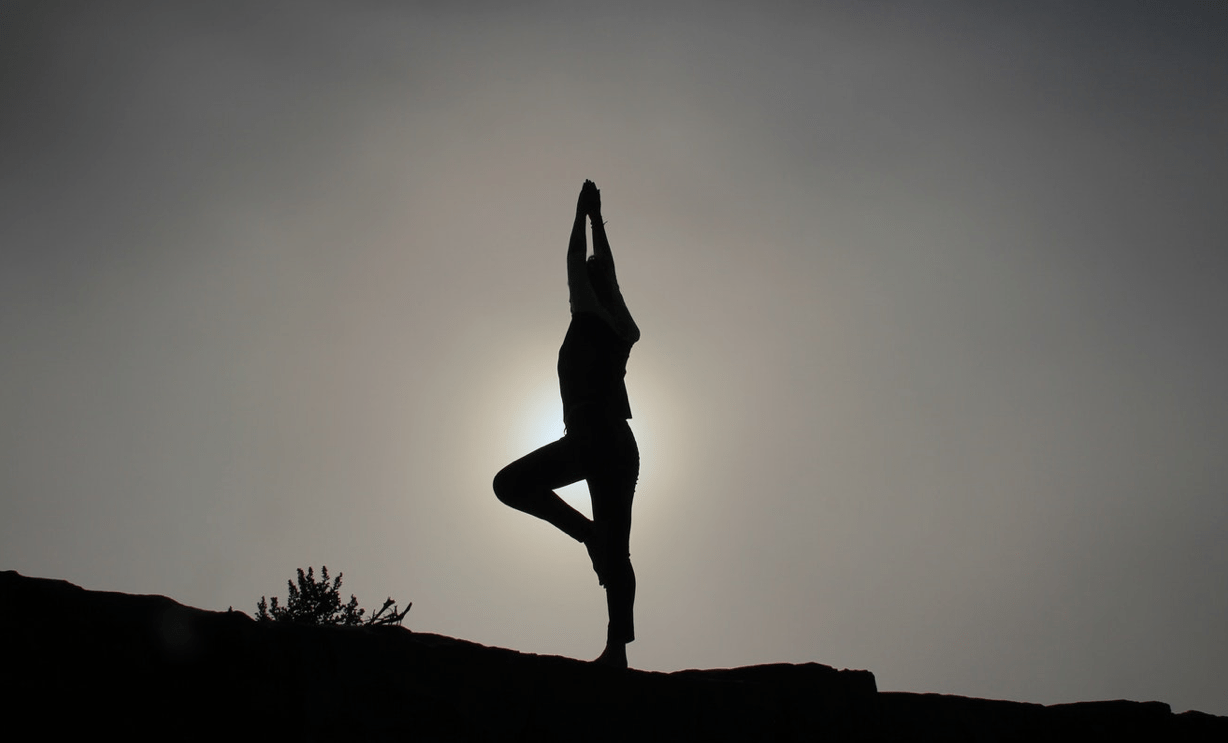
Photo by Mor Shani on Unsplash

The effects of hatha yoga on health are: improving body consciousness and coordination, strengthening muscles and enhancing blood circulation. Moreover, yoga is also beneficial to stress management.

From experience, I can say that after a yoga session I feel relaxed and rested. It takes longer to reach a similar state with meditation, while hatha yoga produces effects immediately, probably thanks to the more marked physical component. It is actually proved that physical exercise is good for your spirit. Perhaps, this is why yoga is a fast-acting cure-all, as it associates physical exercise with meditative practice.

In fact, by associating postures (asanas) with breathing (pranayama), we act on the body by relaxing the muscles, and on the spirit because the sympathetic nervous system (the nervous system that is stimulated when we rest or sleep) is activated.

Yoga allows you to find calm despite the limits imposed by everyday life. With regular practice, even 5 minutes a day is enough, you will sleep better, your self-confidence will increase, as well as your ability to make decisions and manage stress.

Considering all those positive aspects, are you planning to start practising yoga?

balance blur boulder close up
Photo by Pixabay on Pexels.com

How and Why You Should Learn to Forget

Letting go of the burden of the past is important to your happiness.

Many people live in the past; they remember what they were, the love stories that did not go well, their failures and disappointments.

Such a burden takes away space and energy from the present, which is actually the only time you can live actively.

I read somewhere that happiness consists in enjoying good health and having a bad memory.

Actually, you should learn to let go of the past, forget about the insults received, the bad events and the mistakes, in short, all the bad memories, and learn to focus more on the present.

Photo by Ian Dooley on Unsplash

Here are some tips you could follow.

  1. The best antidote to guilt, resentment, or anger that takes you back to the past is to devote energy to building the life you want.
  2. Stop playing the victim and become an active protagonist of your life
  3. Your memories change while time passes by, they may distort, and they do not really reflect what happened. Try asking a person who shared an event with you to tell you about their memory and then compare it with your memory. You will see that you and that person remember different aspects of the same fact.
  4. Prioritize your well-being. Life is too short to spend arguing and complaining. What happened could be a source of stress and even discomfort. Continuing to feel anger at a past event drains up your energy. It is more important for your physical and mental health to live quietly than to be right at all costs.

The past, however, also brings with it good memories and lessons learned, which shape your personality.

Have a look at what Buddhism teaches: “Joy and happiness arise from letting go. Sit down and take an inventory of your life. There are things you have been hanging on to that really are not useful and deprive you of your freedom. Find the courage to let them go.”  

What about you? Would you find the courage to let go of your past?

accomplishment action adventure challenge
Photo by Pixabay on Pexels.com

How and Why You Should Listen to Your Body

In our times, we receive information from many sources: emails, social networks, television, people we know and colleagues. Our mind is over-stimulated for the duration of the day and this can cause stress and anxiety, which can also cause a real burn-out.

The excessive exposure to those information is detrimental to the activity of our body which is relegated to a mere container of organs that allow us to move (even if sometimes less than what we should).

Too many hours spent in front of the screen (mobile phone, computer or television) do not allow the body to tone up and therefore regenerate. During the pandemic, it has become even worse, because of the restrictions imposed to avoid the spreading of the virus. We could go out less often, or not at all.

Furthermore, it can happen that we ignore the pain from the body by using analgesics or other types of medicines to avoid feeling sick.

crop patient taking pill from table
Photo by Artem Podrez on Pexels.com

If you do this, know that you are waging war to yourself, because silencing your body will not help you solve the problem.

Our body is sending us important signals that we will need to start considering. By continuing to ignore the messages it sends us, there may come a time when the pain becomes unbearable and it might be too late.

As soon as you hear a strange noise coming from your car, you take it to the mechanic before it breaks down. The same thing you should do with your body.

For example, if you experience often back pain, it means that you need to change your position, adopt a more adequate posture, maybe change chairs or just go for a walk.

Try to think that pain is actually your ally because it wants to tell you that there is something wrong with you and which you should take care of.

Let’s see four techniques that you can use every day to learn listening to your body.

Mental scanner. This is a mindfulness technique that involves mentally scanning of your body from the top of your head to the bottom of your toes to check if each part is healthy.

Daily walks. This is the best way to get up of your chair. Usually all mobile phones have an app to calculate steps. I signed up for a monthly “race” with colleagues to take at least 6,000 steps a day. At the end of the race, there will be an award for the walker who has taken the most steps. Run a race with your friends or colleagues too!

Feeding your body and mind. The Japanese eat up to 80% of their hunger in order not to get heavy (this is a principle of Ikigai). Therefore, eat less but eat healthy, and sleep at least six hours a night so that your body and mind can do a complete “reset”.

Respect the messenger. Instead of taking medicines at the first symptom of discomfort or pain, try listening to your body, what it is communicating to you. Think that your body needs to be considered and looked after. Don’t wait for your body to ask you for help when you are in extreme pain, as remember that it might be too late.

When you don’t feel well, what do you do? Do you listen to your body or you take medications?

namaste sign on wall
Photo by Mikhail Nilov on Pexels.com

Why You Should Accept Your Insecurities

“All I have achieved in life has been thanks to good luck”. “My colleagues are better than me”. “I cannot believe my colleagues complimenting me on a job well done.”

Does it sound familiar to you? If you think that everything that happens to you is due to chance and good luck you are probably someone with an external locus. You may feel insecure in one area of your life, personal or professional, or in both areas. Maybe you think being unable to manage a project (remember that the best solutions come after unsuccessful events) or that a person you like does not want to talk to you (but have you ever tried approaching them?).

Insecurity does not always come with the same intensity. It ranges from an unpleasant feeling to a real paralysis, for instance when you have to make a presentation in front of a big audience or when you do not have the courage to talk to someone you like.

Photo by Samuel Pereira on Unsplash

However, insecurity can become your ally if you know how to turn it in your favour. The first step is to recognize that you are insecure. Try to think objectively about your successes, big or small. At the beginning, you felt insecure but you succeeded thanks to your will and determination.

Continuously complaining, looking at others success, constantly thinking that you are unlucky certainly does not help you. Perhaps you will not be able to control your insecurity in any situations, but try to change your attitude, take it into your hands, look at it and say, “Yes, I can do it!”

Accepting yourself for who you are with all your strengths and weaknesses, even if you do not like them, will help you overcoming insecurity.

Are you ready to challenge your insecurities?

Photo by Slava on Unsplash

How Our Idea of Life in the City Has Changed During the Pandemic

Covid has radically changed our way of life in the city. Consequently, also our relationship with the city has changed.

If you were willing to pay more for a down-town rent or to buy a small apartment to live in the city, would you do the same today?

Data on home purchases in Belgium show that people during the pandemic wanted to buy or rent properties in the countryside, where homes are cheaper and bigger. Nature is a source of energy that can help us in difficult times such as those of Covid.

If being able to have a quick aperitif after work, to go out for dinner in the evening without having to travel too many kilometres, or going to the cinema or a concert, justified the fact of living in small apartments, where you are exposed to not always easy coexistence with the neighbours and outside noise and traffic, is this still the case now?

Cities during the pandemic have turned into places to mainly work and sleep. Maybe you started asking yourself, what kind of life is it?

If you were able to go to work during the pandemic, didn’t you have the impression of living in the office? If, on the other hand, you have always worked from remote, don’t you think that you have been experiencing difficulty in finding work-life balance?

With the rules of lockdown even using public transport was a problem, due to the fear of contagion. We started to do shopping close to home.

Photo by Matt Seymour on Unsplash

Staying at home all the time and respecting the rules of lockdown have caused spreading of anxiety in a worrying way. In fact, it has been proven that living in the city makes you feel more isolated, even if the opposite would seem to be true.

For a long time we have been deprived of our need and desire for sociability, our walks have been reduced to the tour of the neighbourhood to fulfil our daily commitment to take 6000 steps or not to forget the challenge of staying healthy despite everything.

Things as common as eating with friends or colleagues, going to the cinema or shopping, have turned into extraordinary things.

Is that why living in the countryside has perhaps become more popular? Would spending less on a house with a garden and nature nearby make you change your mind about living in the city?

Photo by Badiuth on Unsplash

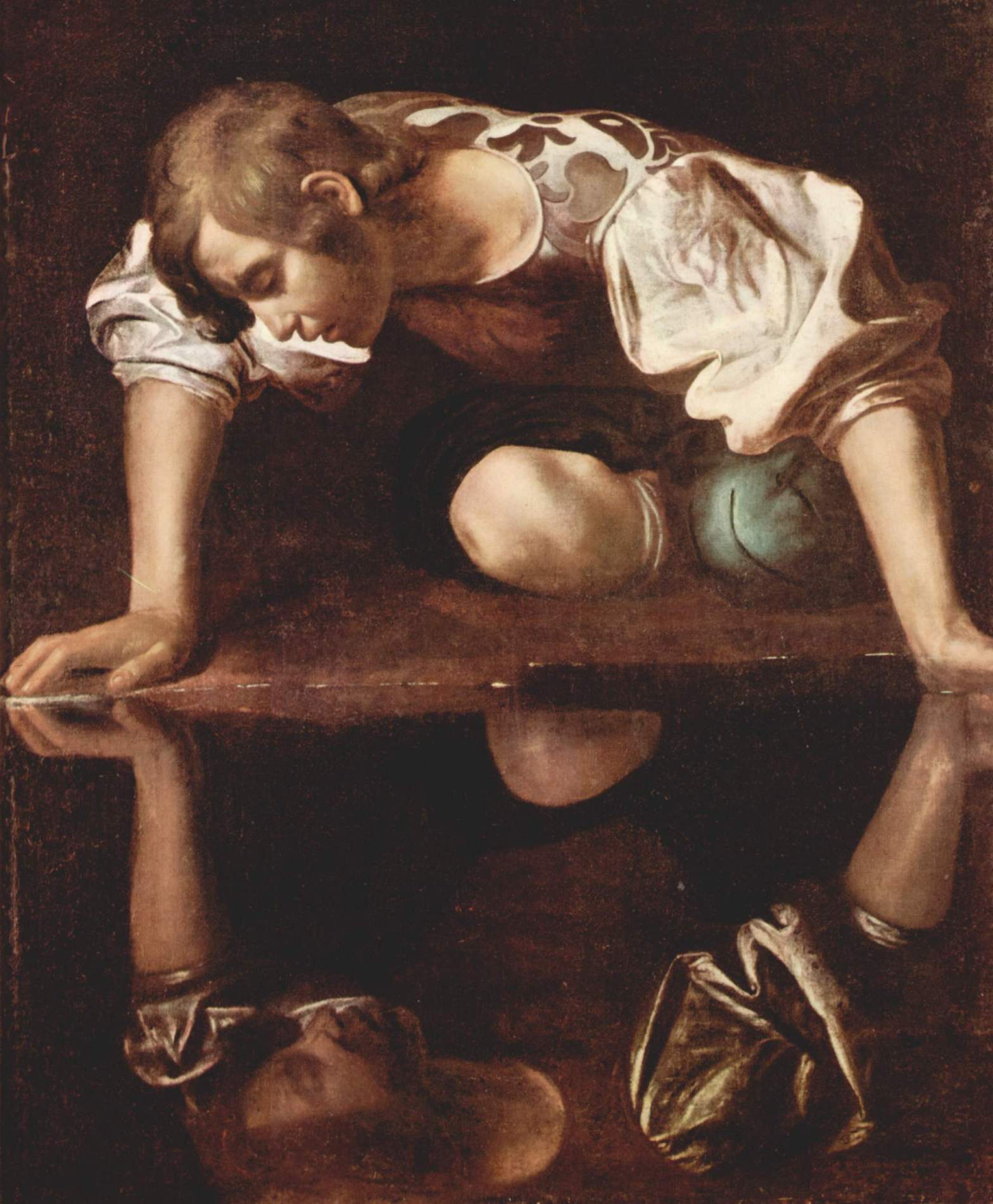
How to Identify a Narcissistic Personality

The common definition of narcissism is the pursuit of gratification from vanity or egotistic admiration of one’s idealised self-image and attributes.

Narcissists are people who believe be unique, superior to others and masters of a wonderful existence that no one can imagine. As a result, they may be bully and arrogant. They need constant admiration and always want to be the best. Therefore, they may become extremely competitive. In their view, they are the only ones capable of achieving results in life.

They also think their experience is more valuable than that of others and feel they need to set an example for those around them. They do not do it to give advice but to be at the centre of the attention. Because of that, their social relationships deteriorate fast and they need new people to admire them, even if, over time, they will be left alone.

The world of narcissists is small, it is limited to what they think and do. In their their mind there are echoes of their thoughts. They do not listen to others because they don’t care about anything. Their greed for admiration leads them to believe that there are no ordinary events happening in their life, their existence is just wonderful and successful.

Photo by NASA on Unsplash

Envy prevails in their personal and social relationships, both what they feel about others’ success and what they think other people feel about their fantastic life.

Caution is the norm if a narcissist approaches you, because they want to excel and they will not hesitate to crush you. They are the worst acquaintances you can have because their lack of empathy makes them unable to help and support.

They live in a parallel reality, in a dream world where they want to exert power over others. Whatever they do is addressed to achieve success at any costs.

They have a vivid imagination that leads them to lie often, and they may tell amazing things they have done, even though they are difficult to prove. Remember that they cannot fail, failure does not belong to their world.

Narcissists need to hide their flaws and turn their insecurity into a false security. In order not to show their vulnerability, they will do anything necessary, such as talking excessively, changing the subject in order to shift attention to them, and belittle others by pointing out their flaws.

Narcissists are control freaks and try to bring every situation to their own ground, where they feel safe. If they are managers, they will micromanage.

They must constantly feel euphoria not to show their discomfort, because the narcissistic person do not want to feel frustrated. A common way to avoid frustration is addiction, whether it is shopping, alcohol, drugs, sports, sex, or gambling.

Another characteristic of narcissists is that they tend to take advantage of others. For example, they will partner with well-positioned people to earn their trust and use them to help them grow. They will also take credits of others’ success to advance their career or social ladder.

Narcissists master the subtle art of manipulation. They are always on an alert mode, ready to redirect those who try to say or do something they do not like, or that does not allow them to show their greatness and power in front of others.

If after reading this article you think you are a narcissist, don’t worry as a true narcissist will never identify with these traits. For a narcissistic person, aspirations are never excessive. If they are the centre of attention it is because they think they deserve it. It is ridiculous for these people to try to identify themselves in any profile. The narcissist is unique, in no way you can compete with him or her.

Have you ever dealt with a narcissist?

Photo by Marina Lakotka on Unsplash

How and Why You Need to Learn to Take Better Care of Yourself

The education we have received has taught us that we must treat well the others. But why the others and not ourselves?

Are you your own worst critic? Do you sometimes insult yourself for something you did wrong or wanted to do better? Do you eat poorly, sleep little, abuse of harmful substances (alcohol, tobacco)? Or are you simply worried about pleasing others? Know that you are not alone. This is a common problem and normal to a certain extent. Because of this, it would be useful to pay attention to some daily details to learn how to look better after yourself.

As I was saying before, we have not been taught to take good care of ourselves. We put often aside our well-being. How many times have your parents told you to look well after the others or do things for the others? How many times, on the other hands, have you been told that you must also take care of yourself?  

The way you look after yourselves is a kind of extension of what you have learned from your parents, teachers or caregivers.

For a very young person this may seem exaggerated, as some basic principles of self-esteem are taught in schools today. Some parents also try to instil some self-care virtues in their children.

However, for an adult or elderly person, taking care of themselves well and being truly respectful of themselves is not always something they have consciously internalized. In the past, it was not so easy to find someone who could help you cultivate a certain self-love without it being considered selfish.

In fact, this is precisely the basis: self-love, not to be confused with narcissism or egocentrism. To better understand this concept, we can first imagine what we do when we really love someone: we seek their happiness, we help them, we try to make them feel good, and we accept them as they are, with all their imperfections and qualities. Actually, looking well after yourself means really accepting yourself for who you are.

Becoming kind towards yourself, means understand yourself, especially when you face failures and mistakes.

Photo by Klimkin on Pixabay

That attitude can be a great ally. You can challenge yourselves in a healthy way, taking into account your possibilities, your desires, and not the desires that others have for you.

The use of language is very important to achieve the goal of taking good care of yourself. It is common, and to some extent normal, that on some occasions you speak “badly” to yourself, you do it unconsciously. You cannot talk to yourself always in a loving way, as you could enter into toxic positivity (when a positive attitude is used to mask negative emotions, namely pretending that all is well when it is not).

However, you must not use words that hurt yourself. Nobody insults those who truly love, right? Talking to yourself and thinking badly about some personal aspects (physical or mental), and constantly reiterating it, can in the end make you really believe it.

Taking care of yourself is essential. This implies developing a healthier and more suitable lifestyle. Sleeping and resting enough hours, for example, as well as eating well based on our weight, age and lifestyle, not abusing alcohol or tobacco, are all ways to take care of yourself. Taking time to relax, reconnect with what you really like to do, keep your hobbies, follow your passions and interact with people who bring you something positive in your life means being respectful of yourself.

What about you? Do you take good care of yourself?

Photo by Freestocks on Unsplash

How and Why to Prevent a Recurring Thought from Turning into an Obsession.

You have thought – and rethought – if you locked the door when you went out? Are you on the street and you wonder if you turned off the light; or the gas? This is not as serious as it looks like. Moreover, you are not the only person it happens to. The thoughts that come to your mind are normal; they are not obsessions … yet.

Thoughts don’t turn into obsession overnight. At first, they are imperceptible, then they grow, but they don’t seem so serious to you; when you start having problems at work, in the family, with friends, you may have developed an obsession. Recognizing the degree of frequency and intensity is crucial to avoid that one of your recurring thoughts starts to be harmful.

If you don’t get major problems in your daily life, you can let your recurring thoughts flow and unlock them with relaxation techniques, and by becoming aware of their cause.

Imagine a grandmother lighting a candle in the Church so that her grandson succeeds the exam. Or the songs you hum in your brain and can’t get rid of them. Or the cultures that pray to get some rain. They are examples of small obsessions that do not harm anyone or give problems in everyday life. Therefore, in similar cases, you do not need to take actions.

However, there are other kinds of thoughts that trap the mind in a vicious circuit and catch your attention very often. They are called OCD (Obsessive Compulsive Disorder).

There are some tricks you can use to keep them under control.

Let’s see some of them.

Photo by Claudio Schwarz on Unsplash

If, for example, you wash your hands too often, try to actually count how many times you’ve washed them. Then, think about the absurdity of doing it so often because washing your hands well once should be enough, and doing it twice should reassure you that they are really clean.

If your fear is to get infected on the public transport, because you touch knobs, bars, doors, use gloves every time you take them or take a hydro-alcoholic gel with you to be used as soon as you get off (very useful also during Covid times).

The important thing is to be able to rationalize your recurring thoughts and find solutions to control them. If you really cannot manage to do it, however, you should consult a professional (doctor, psychologist, coach) who can help you keep your thoughts from becoming obsessions.

Also be aware that genetics can be a cause of your recurring thoughts. If you are very emotional and have difficulty controlling your impulses, you are somewhat predisposed. Exposure to obsessive models in the family, which transmit the values ​​of order, norms, not making mistakes, can also be a cause. Highly demanding, perfectionist, rigid, excessively ordered, inflexible and reluctant to delegate tasks personalities are also more prone to developing OCD.

Recurring thoughts are normal until they become fixations. In addition, remember that most of the things that worry us never happen. Try to notice it and let me know.

Photo by Brett Jordan on Unsplash