During the lock-down, the gym clubs have been closed (at least in Europe) and not all of us were able or willing to workout in our homes, perhaps following a video on YouTube. However, to prevent not only weight gain but also stress and anxiety from increasing, it is essential to exercise regularly.
Rhythmic physical activity (dancing, walking, cycling) alone is not enough, you need to maintain muscle mass which with ageing will be decreasing.
Maintaining muscle mass is particularly important in the case of a diet. In fact, thanks to a well developed muscle mass, you can avoid regaining fat and stabilize your weight. To do that, you should eat protein, do some resistance training, increase your Omega 3 intake, and check out your vitamin D levels.
In addition, there are at least 12 other benefits of moderate and regular physical activity. Let us see them.
1. More physical, mental and emotional well-being.
2. Reduce hunger.
3. Improve “bad” cholesterol and reduces triglycerides.
4. Decrease the risk of cardiovascular diseases.
5. Decrease resting heart rate.
6. Reduce abdominal fat.
7. Improve sleep quality.
8. Reduce the time to fall asleep.
Change your habits! Run, cycle, walk in the nature but also in the city, take a yoga or Pilates class even online or take a sports coach. You will see that you will soon get back your shape and motivation!
I found this beautiful story about a Buddha statue and would like you to share it with you. I do not know if it is true or not but I think it is very meaningful.
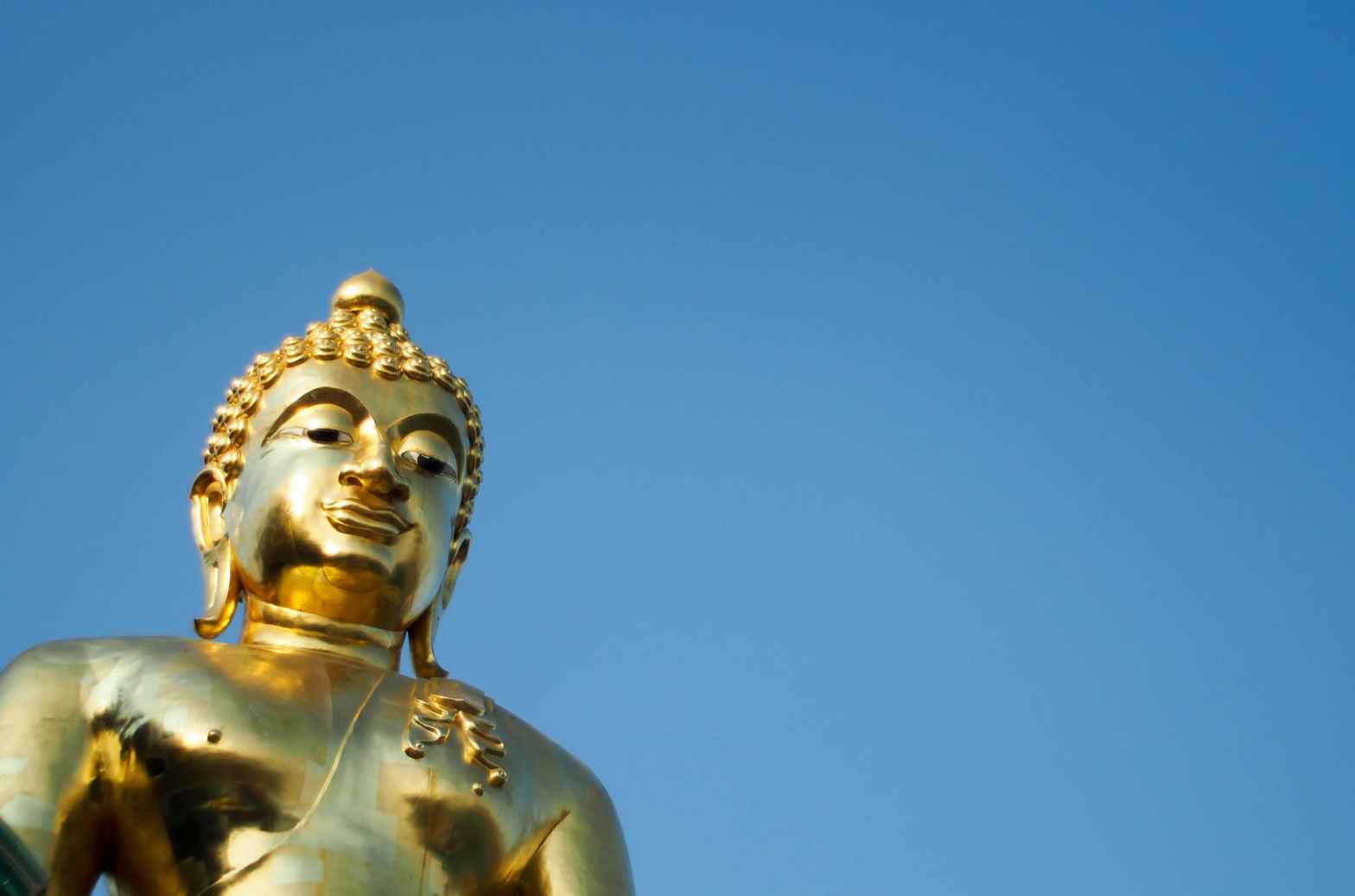
The mud Buddha statue was nearly three meters high. For generations it had been considered sacred by the locals. One day, due to the growth of the city, they decided to move it to a more appropriate place. This delicate operation was entrusted to a recognized monk, who, after careful planning, began the move. His luck was so bad that, in moving the statue, it slipped and fell, breaking into several parts.
Mortified, the monk and his collaborators decided to spend the night pondering the possible solutions. They were long and dark hours. The monk, instead of despairing, aimed to find a way out. Suddenly, observing the shattered sculpture, he noticed that the light from his candle was reflected through the cracks in the statue. He thought it was the raindrops, as it had rained in the afternoon. He approached the crack and noticed that there was something under the mud, but was not sure what it was.
He consulted with his colleagues and decided to take a risk that seemed crazy: he asked for a hammer and began to break the mud, discovering that under it, a nearly three meters high gold Buddha was hidden.
For centuries, this beautiful treasure had been covered under ordinary mud. They carried out a research and found out that the village was about to be attacked by bandits. Therefore, to protect their treasure, the inhabitants covered it with mud to make it seem common. The people were attacked and pillaged, but the bandits ignored the Buddha. Afterward, the inhabitants thought it was best to keep hiding it under the mud.
Over time, people began to think that the Golden Buddha was a legend or an invention of the old people. Finally, everyone forgot about the real treasure because they thought that something so beautiful could not be true.
However, eventually, they discovered a real treasure!
I think that it is the same for us. You can find some treasures under the surface. Your treasures may be your ability to give, to enjoy, to thank, to laugh, to forgive, to dream big, to pass over the little things, and to value what is important in yourself and in others .
Learn to see your life through the mud and you will realize that you also are a treasure surrounded by other treasures.
Three monks were bringing oil jars to their monastery. For some days, they had practised inner silence following the advice of the senior monk.
As they walked, a stranger who was lost in the forest came by and asked for directions to the nearest village. The three monks looked at each other. The younger monk decided to interrupt the vow and showed the man the shortest way to get to the village. The stranger thanked him and left.
The three monks started walking again and, after a short stretch of road, one of the two monks broke the silence by scolding the young man for speaking. The other monk, meanwhile, continued to mutter within himself.
Arriving at the monastery, he blurted out asking the two why they had interrupted the vow of silence.
The elderly monk of the community was observing and heard what had happened.
He then approached the three monks, saying: “Venerable brothers, it is true that the younger monk spoke and answered that stranger, but it was an act of kindness and it stopped there. You, on the other hand, had no reason to speak. Moreover, you carried a grudge throughout the journey, while you should let it go.”
Studies show that a diet low in fibre and high in sugars and saturated fat makes sleep lighter, and less restful.
Incorporating vegetables into your weekly menu will be a game-changer.
Here are some tips on how to get more energy during the day and sleep better at night.
While we all know that having an espresso after dinner will not help us fall asleep and that it is better to drink water rather than wine before going to bed, studies show that our diet plays a role. Diets high in fibre and low in saturated fat can promote deeper, more restful sleep. The main reason why it is better to go for a vegetable-based diet is the presence of serotonin, tryptophan and melatonin in many vegan foods, essential elements for good sleep.
Photo by Cristiana Branchini
To boost your production of melatonin, known as the sleep hormone, eat fruits and vegetables like kiwis, spinach, tomatoes, lettuce, avocados, bananas, sour cherries, and red grapes. This hormone helps your body regulate its circadian rhythm and promotes healthy sleep. Researchers believe that fatty fish can help you fall asleep by providing a healthy dose of vitamin D and omega 3 fatty acids, which play a key role in the body’s regulation of serotonin. Serotonin is an essential hormone that works to stabilize mood, provide a feeling of well-being, promote happiness and improve sleep.
This hormone influences your whole body. It allows brain cells and the nervous system to communicate with each other.
In addition, consuming nuts, rice, and oily fish will help you rest. So eat almonds, walnuts, pistachios and cashews. These good treats contain melatonin, as well as essential minerals like magnesium and zinc that support the body in many essential functions, including sleep.
Eat protein to get energy during the day and complex carbohydrates at dinner to have a good sleep.
Did you strain a little last night and feel lazy now? Instead of going for a sugary snack, choose a snack that is high in protein. Experts say that, contrary to popular belief, they are more energizing than sugar. Protein will give you energy by making you alert and active.
Eating complex carbohydrates at night will keep you fuller for longer. In addition, they have the advantage of stimulating the sleep hormone. Thus, a dinner consisting of food such as pasta, beans, quinoa, rice or potatoes will help for a good night’s sleep.
Last tips. At the supermarket, head straight for soybeans. One cup of soybeans contains 28 grams of protein, roughly the same amount as 150 grams of chicken. Also, stock up on lentils, cheese, sunflower seeds and Greek yogurt.
How can you resist the temptation to drink a good glass of wine, eat a piece of cake or skip the gym and go to the cinema instead?
“The only way to get rid of temptation is to yield to it” said Oscar Wilde.
Diet, sport, sleeping enough are fine, but sometimes indulging in the breach of the rule helps your psycho-physical well-being and eases the performance anxiety that often accompanies a healthy lifestyle.
However, in addition to giving in to temptations, we can learn to control them.
A child is left alone in a room in front of a Marshmallow: they can choose whether to eat it immediately or wait 15 minutes and get two as a reward. Some children will know how to wait; others, unable to resist, will throw themselves on that inviting sugar candy.
The professor compared throughout the years the self-control skills shown by children with the successes achieved in their adult age and found out that those who did not eat the marshmallow achieved more goals in life.
Is self-control therefore the secret of success? Is it postponing rewards really more likely to bring success in life?
The Mischel experiment actually explains how self-control is fundamental in studying, in sport, at work and in many other circumstances of your life.
Self-control means knowing how to make decisions in the right time and in the right place to improve your skills to not yield to the temptation of a marshmallow.
People who are best at mastering their decision-making are generally people who are better off. They eat well, play sports, get enough sleep. These people structure their lives around good habits and build routines that are easy to follow.
Eating a piece of pie is not a moral failure, even if you have decided to go on a diet. Giving up on the piece of cake may cause you more stress and therefore cause you more harm than eating it. The trick is rather to avoid buying a cake or passing in front of a cake! But don’t feel guilty if you eat a slice. Don’t forget that an excess of willpower can also be more harmful because, as mentioned before, it can cause additional stress.
Self-control depends on your choices and it is your responsibility. Stress has become a personal burden, which you are called to manage alone with the help of techniques, like meditation, coaching, yoga.
Remember that it is important to recognize your own limits because it makes you become aware of the fact that you cannot be perfect and control everything.
Plants improve the air we breathe and can be a place to grow vegetables. Therefore, green spaces have been increasing recently in urban spaces thanks to the creation of rooftop gardens.
For those who live in the city, the importance of having a green space close to home has become necessary during the lockdown due to Covid. From London to New York, parks and public gardens have always offered a precious refuge in the asphalt jungle of the streets, shops and offices that make up the typical urban landscape. But apart from these oases of peace, there is not much room left to become “greener”, which is why we are witnessing the development of rooftop gardens.
From improving physical and mental health to bringing communities closer passing by fighting pollution, the creation of green spaces at the top of the buildings can be truly seductive.
Here are some benefits you can get from growing a rooftop garden.
They help purify the air
All cities in the world face the same challenge: maintaining quality of life despite the high pollution rate and rising CO2 concentrations. For this reason, planting trees or shrubs on the roofs can be useful to exchange carbon dioxide for pure oxygen. In addition, roof gardens can also improve the insulation of the building, reducing heat loss in winter and maintaining a cooler temperature in summer. In this way, besides making a gift of oxygen to the environment, you will lower the consumption of electricity and heating, paying less expensive bills.
They offer shelter to wildlife
Loss of natural habitat is a threat to wild animals in general.
A roof garden can quickly become a refuge for bees, butterflies and birds, where they can rest and nest, thus keeping the pollination cycle active, which is essential for human nutrition.
They allow you to grow your own vegetables
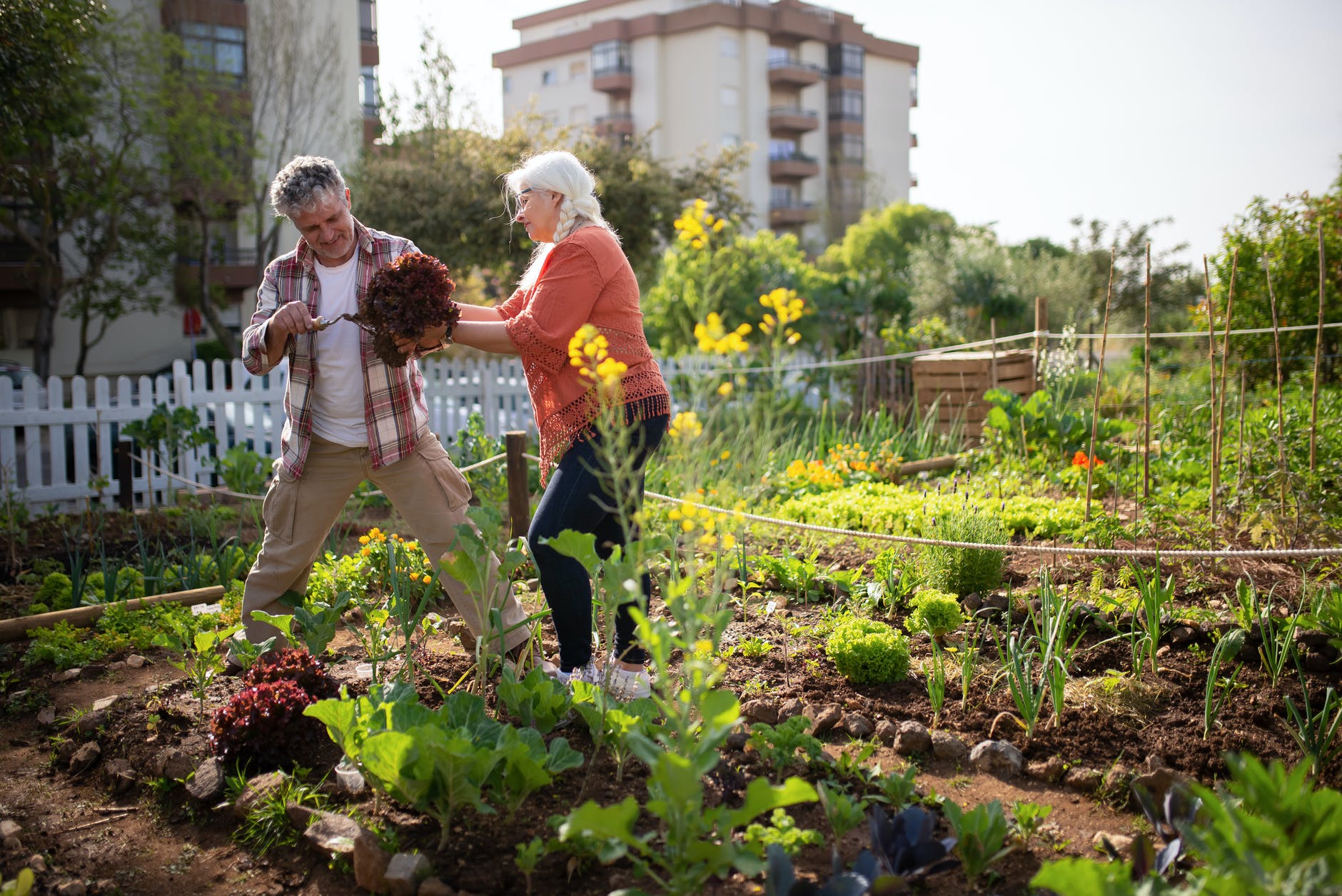
Tomatoes, courgettes, peas and strawberries, all organic. The fact of sowing and growing your own vegetables is an incredibly rewarding activity that allows you not only to save money but also to eat healthier.
They inspire engaging actions for communities
Why not thinking about involving the primary school close to home by inviting children to discover your garden or vegetable garden? You will be surprised to see the enthusiasm of the little boys and girls. Gardening is a real contribution to integration into the local community. Where I live in Brussels there is an association called Parck Farm that has taken over a greenhouse and created a botanical garden. In addition, it offers small plots of land to cultivate. We share the land together with Belgians of several origins, Poles, Portuguese, … The association also offers the possibility of organising team building activities there. Participants can help members of associations to remove weeds, collect garden products, prepare the soil for winter. Educational activities for boys and girls are regularly scheduled to make them discover the wonders of flowers and plants. Workshops for the preparation of creams and syrups are other events organized by the association to promote integration among the inhabitants of the neighbourhood.
They improve physical and mental health
We all know that spending time in nature revitalises the body, spirit and soul. This practice is known as shinrin-yoku (forest bath) in Japan and has been validated by scientific research. In 2019, a study revealed that spending at least 120 minutes a week (the equivalent of about 17 minutes a day) in nature can have a significant impact on our health and general well-being. Other research has established a link between regularly visiting green spaces, improving sleep and decreasing negative thoughts.
Life is constant change, Buddha and Aristotle already said it: change is a fact of life. But change has also been accelerating in recent decades. Massive disruption across the social, technological, political and environmental dimensions of our lives means that we are constantly trying to figure out how best to manage uncertainty. And for someone it can be scary.
The origin of this fear can be found in biology. Our brain is the result of two and a half million years of evolution. We have lived in caves much longer than we have in cities. This means that we have “coded” automatic responses to successfully respond to everyday threats.
If absurdly you see a tiger walking down the street, you would not try to understand what breed it is but you would rather try to escape as quickly as possible (flight). Another codified reaction would be to stay still, hoping that the tiger will not see you (freeze). The last possible reaction would be to fight it (fight), with very, very limited chances of success, so your brain would immediately discard it.
Flight, Freeze or Fight are the three primal reactions to events that we perceive as dangerous to our safety.
However, the wonderful circuits that have allowed us to evolve as a species are not suited to addressing the most subtle threats of our age, such as digitization, the pandemic or the risk of losing your job.
These fears are evolutionarily new and are not always easy to manage.
Remember that the brain is designed for your survival, not your happiness. Therefore, to face changes, you have to understand them as opportunities and learn from the potentials they entail. Moreover, this is not as automatic as running away from something dangerous. On the contrary, it takes effort and training.
Let us see how you could get started by following these four tips.
1. First of all, it is important to train your mind daily. Just as you go to the gym or practice by yourself, you need to keep your brain muscle in shape. Try to do something different every day. For example, you could change sources of information when reading the news (also useful to understand various points of view), change your route to go to work, or try a new dish.
2. Second, you can try to consider what happens to you in a different manner. For instance, a good way is reading history to realize that although we live in an age where changes happen very fast, all these progresses have allowed us, for example, to increase our life expectancy.
3. Third, try to disconnect from technology and reconnect with yourself and your surroundings. If you are always immersed in the digital world, you will not have time to integrate learning and to find a certain and needed tranquility. For example, one day during the weekend or on vacation you can put your mobile in the “don’t disturb” mode.
4. Fourth, trust. If you look at the difficulties that you have already faced in the past, you will see that now they look easy to you. If you have already been able to overcome challenging situations, why should not you be able to do it now?
I’ve read about falling leaves in fifty thousand poems novels and so on watched leaves falling in fifty thousand movies seen leaves fall fifty thousand times fall drift and rot felt their dead shush shush fifty thousand times underfoot in my hands on my fingertips but I’m still touched by falling leaves especially those falling on boulevards especially chestnut leaves and if kids are around if its sunny and I’ve got news for friendship especially if my heart doesn’t ache and I believe my love loves me especially if it’s a day I feel good about people I’m touched by falling leaves especially those falling on boulevards especially chestnut leaves.
6th September, 1961, Leipzig
Nazim Hikmet from Poems of Nazim Hikmet, translation Randy Blasing and Mutlu Konuk, Persea Books, 2002
Qi Gong is an ancestral discipline born in China about 5000 years ago. It has been influenced by various philosophies, such as Taoism, Buddhism and Confucianism.
After having developed within religious and spiritual fields, Qi Gong has been contaminated by fighting techniques becoming in this way also part of martial arts.
Today, more than a thousand forms of Qi Gong are known. Actually, each teacher develops his own technique observing though the same principles and purposes: to stay healthy by keeping the body, spirit and energy in balance.
According to Chinese medicine, good health is the result of a good circulation of energy in the body. Qi Gong is considered a prevention measure.
The search for balance, the precision of intention (Yi), the fluidity of gestures represent not only a path towards self-knowledge but also the pleasure of encountering oneself. With Qi Gong, we learn to love ourselves, to open up to the universe, to live in harmony with everything around us.
In the search for balance, you will experience moments when you focus and moments when you rest. Feeling too much or what is missing, for example when you go from one foot to the other, allows you to become aware of your own fragility. When, on the other hand, you stand on two feet, well anchored to the ground, you feel then balanced, and stronger.
Working on balance brings a feeling of lightness and freedom, without forgetting that through the movements and stimulation of the meridians (energy circulation paths), organic functions improve (circulation, digestion, breathing).
The body is at the centre of the relationship with oneself, with others and with the environment. Body awareness passes through listening to your body at first, by observing muscle tone, tensions, balance, posture and the direction of movements.
Qi Gong can be considered above all as a search for energy balance and harmony between body and spirit. By paying attention to the gestures, we realize that our way of thinking also changes and we get a more peaceful look at the world.
Do you know that today in Italy, and in some other Catholic countries, the 15 August is a holiday?
We call it Ferragosto. Today it is a religious day when the Catholics celebrate the Assumption of the Virgin Mary into Heaven (the Assumption Day).
However, the most famous Italian summer day derives from the Roman day called Feriae Augusti (rest of Augustus), established by the emperor Augustus in 18 BC. to grant a period of rest and celebrations to the Consalia, the end of agricultural work. The days of the Feriae Augusti were used precisely to recover from the work on the fields, and to celebrate the harvest.
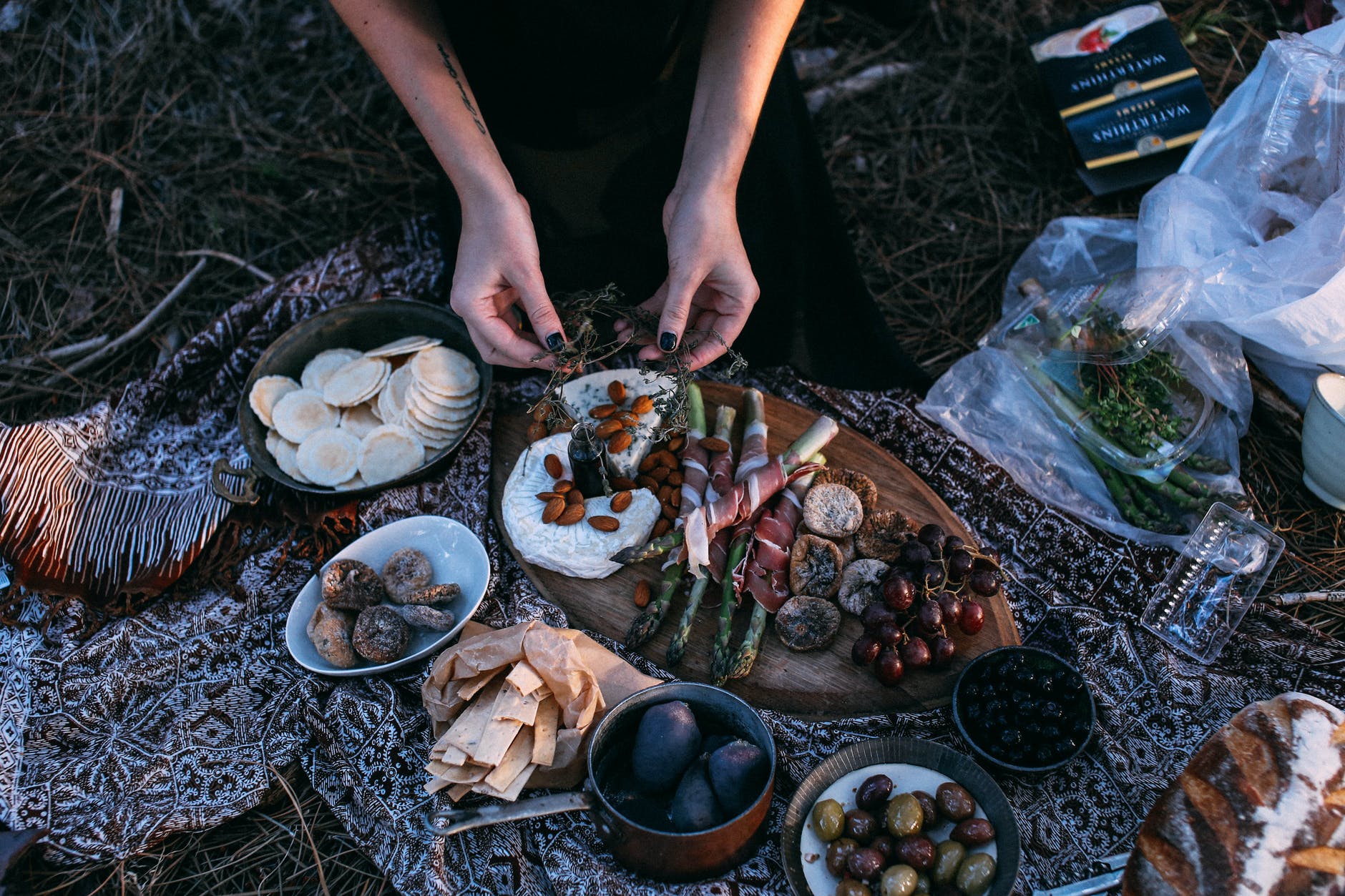
It is typical in Italy to spend this day by taking a picnic, at the seaside or in the mountains, with your family and friends.
It is a very happy day for us, even though sometimes, despite August is traditionally the hottest month of summer, some thunderstorms may happen.
Whatever the weather will be, it is going to be a great day!


















 Crisbie Coach