Easter at home? Don’t worry and try these 10 ideas to enjoy your free time

Going on vacation is very important for your physical and mental health. You should think about taking rest periods during Easter even without being able to travel.

When you work you look forward to the weekend but it is not enough time to fully recharge. To be able to really disconnect from work you need more time.

Vacations are a period of time that we all need, as much as we need to sleep, eat, drink, if we want to stay healthy.

Vacations allow us to recover and when we come back, we often feel better, full of energy and even more creative.

It does not matter whether you go on vacation or not. The main thing is that you can rest and put aside your daily worries. Choose what to do, with whom and when to do it. Not everyone likes travelling. Some like to have time to read more, do more physical activity, and spend time outdoors. Others like to take small hikes, without straying too far from home. Some people enjoy long trips, some others like only short ones.

There are also people who do not like being at home. They do not know what to do, they get bored, they do not want to tidy up the house, and they think about many things, as if they were working. But they would enjoy to get to know new places, or return to places they have loved before.

Whatever you prefer, if you have to stay at home during this Easter, try these tips:

1. Don’t read professional emails;

2. Do little housework;

3. Establish rules and times for being at the computer or television (both for you and your children, if you have any);

4. Look for new places to discover in your neighbourhood;

5. Spend time in nature because nature is a source of energy;

6. Make a list of what you would normally do on vacation;

7. Organize a movie marathon with friends and discuss with them to find out which ones you all liked the most;

8. You can do the same thing with a book. Choose with your friends a book you all read. Then, gather together to comment on it;

9. Why don’t you start with that hobby you have been thinking about for a long?

10. And, above all, indulge yourself by buying some chocolate (it’s Easter, the best moment to eat it)!

Have you decided what to do today?

How You Can Reduce Your Energy Consumption and Save Money by Saving the Planet

Since the beginning of the war against Russia, in Europe we have been experiencing an unprecedent energy crisis. Our governments advised us to reduce our energy consumption and I am trying to cope with that, even though sometimes, I have to admit it, it’s difficult.

However, by taking small steps at home, not only you can save energy (and money) but also you will help to protect the environment by reducing your emissions.

Households generate roughly a quarter of all direct CO2 emissions produced in the EU today.

And did you know that three-quarters of the energy used by homes across the EU is for heating and cooling?

So, let’s see how you can reduce your energy consumption and contribute to the reductions of the global emissions.

Heating & cooling
  • Don’t overheat your water. Set your boiler at a maximum temperature of 60°C to make it run efficiently and hygienically.
  • Use the thermostat wisely. Did you know that your house won’t get warm faster if you turn the thermostat up? This only influences the maximum temperature in your house.
  • Close your curtains or shutters on hot days to reduce the sunlight entering your home.
  • Keep cool with a fan. Fans use much less energy than air conditioners.
Insulation
  • Replace single-glazed windows with double-glazed ones. Double-glazed windows lose 50-70% less heat.
  • Can’t install double-glazing? Thick curtains or removable insulating window panels will reduce the flow of cold air into your home.
  • Draught can be a big source of heat loss. You can save energy by sealing gaps around windows or installing draught-proofing beneath doors. Even adding covers to keyholes can make a difference!
  • Insulate hot water tanks, central heating pipes and wall cavities. If you can’t install cavity wall insulation, fit insulating radiator reflectors on the wall behind your radiators.
In the kitchen
  • Buy energy efficient appliances. When buying an appliance to help you choose an energy efficient model there are ratings. The rating ranges from A+++ (most efficient) to G (least efficient). An A+++ dishwasher uses as little as half the energy used by a D-rated one, for example.
  • Check your oven is properly sealed. If you have to replace your oven, go for an A-rated model – this could save you around €200 over its lifetime compared to a D-rated one.
  • Avoid washing dishes by hand if you have a dishwasher. Modern dishwashers use less water and energy – and most have an ‘Eco’ mode – but only use it when it’s full!
  • Only boil as much water as you need. If you have left hot water in a kettle only for a few minutes, you don’t need to re-boil it.
Wash smart
  • Fill up your washing machine. Don’t do a wash if you only have a few items of clothing. Wait until you have a full load – but don’t exceed the maximum weight.
  • Choose the lowest suitable temperature. These days, detergents are so efficient that they get most clothes clean at low temperatures.
  • Select the option “reduce time” if available on your washing machine.
  • Skip the pre-wash cycle if your clothes are not very dirty.
  • Avoid using a tumble dryer if possible. One tumble dryer cycle can use twice as much energy as an average washing machine cycle.
Save electricity
  • Replace incandescent or halogen light bulbs with more energy efficient ones. One LED light bulb could save you over €100 in electricity costs over its lifetime of about 20 years.
  • Switch off your devices. Internet-connected devices like smart TVs, printers and games consoles from 2016 or earlier can use up to 80 watts of electricity when on standby mode. You could use a single multi-socket power strip to switch them all off easily.
  • Ask your energy supplier about installing a smart meter. Smart metering systems for gas and electricity could save you 3% of your energy use.
  • Go for green power. Most energy suppliers offer ‘green’ electricity, which support the expansion of renewable energy sources such as wind and solar. If your home has its own roof, consider fitting solar panels to generate some of your electricity.

Are you ready to reduce your energy consumption by saving money and saving the planet?

How to Make Others Happy

Making others happy is simpler than you might think. There is a scientific explanation behind the phrase “a smile is contagious”. Researchers at Harvard University have found that happiness is contagious: when a person is joyful, people around them are 25% more likely to be happy as well. Imagine what could happen if every person in the world would do one act of kindness a day to another person. The repercussions would be staggering. You would not need to do great things, as even small gestures may make others smile.
Try these ideas to see if you would bring more happiness around you.

How to Make Others Happy #1: Sharing Books

Two Australian friends wanted people to quit the habit of watching their phones on the public transport and replace them with a good book. That is why they launched @booksontherail. This initiative invites people to place a sticker on a book they liked and leave it somewhere for someone else to pick it up and read it. After reading it, the book could be left again somewhere for another person. Why not give it a try? Next time you finish a good book, instead of leaving it on a shelf to gather dust, leave it somewhere and invite with a post-it the person who finds it to read it, and continue the literary chain of happiness.  

In Brussels, there are small free “book shelves” on the streets where people can exchange books for free, of course. If you live in an apartment, why not set one up in the lobby of your building, or why not also at work?

How to Make Others Happy #2: Giving Compliments

“If you think something positive about someone, you should tell them,” says Steven Bartlett, who runs one of Europe’s biggest podcasts, Diary of a CEO.  “It’s the easiest way to add positive things to a world that needs it so much.”

How to Make Others Happy #3: Making a Cake

Why not bake a cake for your colleagues? Don’t wait for a reason, just make it to share a few moments away from your work and simply enjoy a piece of cake together.  In addition, sharing food has been shown to increase happiness.

How to make others happy #4: Sharing your Garden

Take a little branch of your favourite plant from your garden or balcony and give it to a friend to integrate a part of your world into their world. Every time they look at it, they will think of you and they will put a smile in their face.

How to Make Others Happy #5: Pay for a Coffee In Advance

A “caffè sospeso” is a “hanging coffee” in Italian. This term was created in the workers’ bars of Naples more than 100 years ago. Some people will pay for two coffees while having only one so that people in need could enjoy the second one for free. When you order a coffee next time, ask the waiter if you can buy one for someone else as well. Some bars have regular visits from homeless people to whom they can offer your coffee.

How to Make Others Happy #6: Opening Doors

By “opening doors” I don’t mean metaphorical doors, I really mean opening a door for someone else who is behind you. “Something as simple as keeping a door open for someone else coming in can really lift both spirits,” says psychologist Jess Baker. “It only takes a few seconds, but it’s a moment of connection that shows that you’ve seen the other person, that you’ve taken them into account, and that you’re doing something to make their day more pleasant.”

What would you do to make others happy?

two coffee latte
Photo by Anna Urlapova on Pexels.com

Ideas to Try Out in Your Free Time (part five)

Have a look at some other ideas to try out in your free time. You can find more here.

  1. Stargazing. Prepare stargazing by becoming familiar with the sky that will show up on the chosen day and time (on the Internet you can find this information easily). You will have to choose a place away from light sources, take a blanket or even a deck chair and binoculars. There are also astronomical observatories and parks that organize evenings to look up at the sky, especially in summer when the phenomenon of streamers occurs (between 14 and 24 August, with a peak of activity during the night of Saint Lawrence between 12 and 13 August).
  2. Plan a garage sale. If you want to free up some space in your home from things you no longer use while also earning some money, a good idea is to organize a “garage sale”, or a private sale in your home. If you find a flea market nearby your place, why don’t you participate? It is also an opportunity to invite all your friends and acquaintances, and have a chat while drinking a cup of coffee.
  3. Let the children manage a day. The preparation of a day by children can itself become a playful moment. As adults, we can establish criteria, a budget and a timeline, then we entrust the organization to the children. Let yourself be surprised and if you do not have children, propose this activity to those who have them.
  4. Take part in a short-term training. Are there any activities or things you’ve wanted to do but haven’t done yet? Look around and look for short-term courses organized by in neighbourhood. Don’t think too much about the content. Do you get inspired by meditation, zumba, or writing? Sign up for! Do not hesitate, follow your intuition!
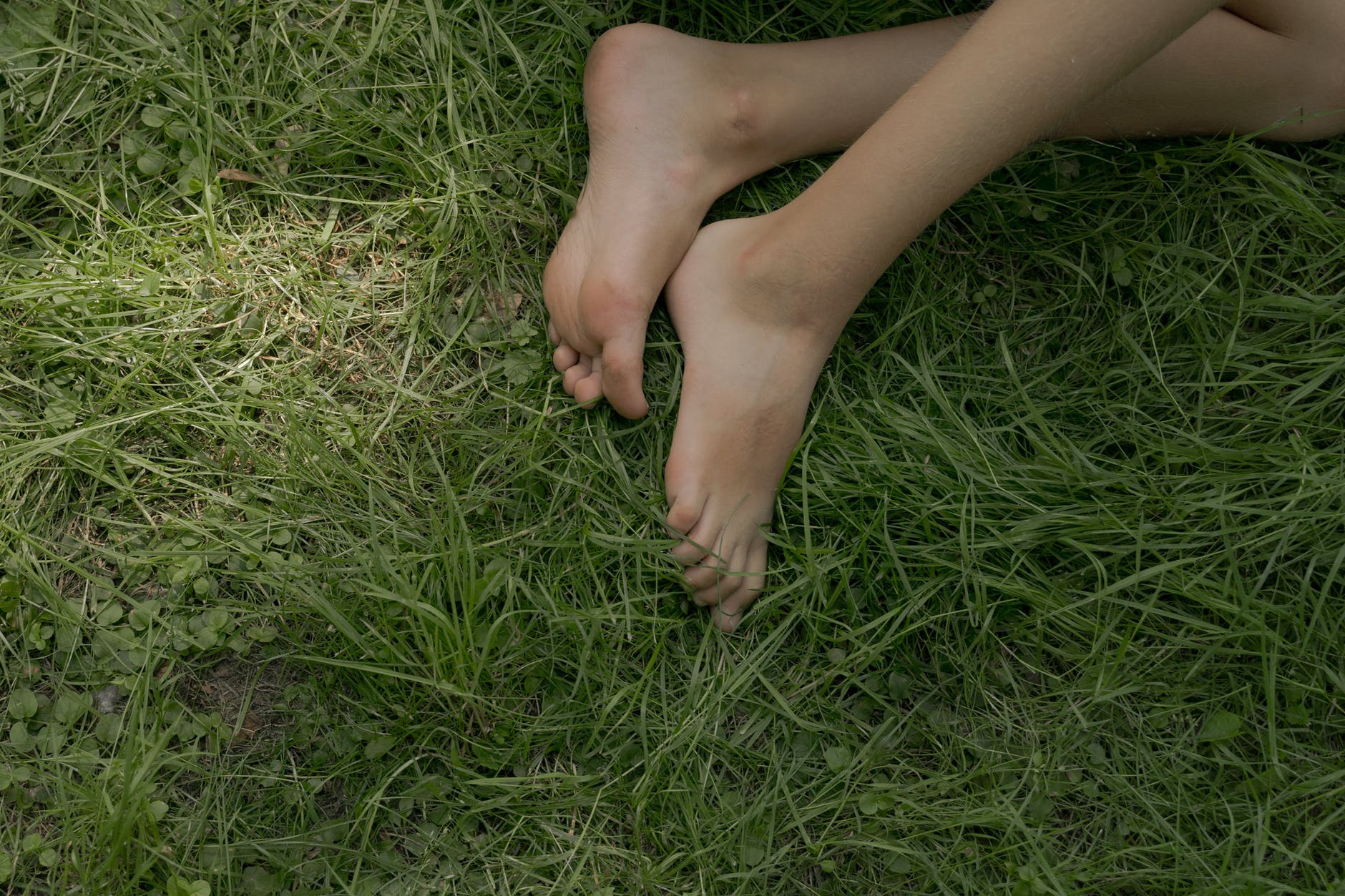
  5. Walk more barefoot. The foot has 26 bones, 16 joints and 107 ligaments that need to be kept active for your overall well-being. In addition, the sole of the foot contains 7,200 nerve endings, which are the basis of foot reflexology. Being barefoot is essential for your health. Start little by little and then increase the time you spend barefoot. On the beach or in a park would be perfect!

What do you usually do in your free time?

bare feet laying on green grass
Barefoot – Photo by Ron Lach on Pexels.com

Ideas to Improve Your Productivity

Looking at some of the most successful people in their job, I found out that they all seem to have one thing in common: getting up early. But what do they do in the morning? What are their routines to be more productive? Here are some ideas to copy from them to improve your productivity,

By getting up early, you could do a lot of things more in a day and therefore in your life.

However, not everyone likes to get up early, it may depends also on your chronotype. I believe that it is better to wake up naturally, without an alarm clock. Of course, it is not always possible. But as far as I can, I try to avoid meetings in the morning. I prefer to take things calmly when I get up and have breakfast quietly.

More active with physical activity

Getting up early also means that you can workout as first thing in the morning. This workout makes you more alert and active, wakes up the metabolism and, above all, you would not need to worry about doing physical activity for the rest of the day.

Cold shower

You may shiver just thinking about it, actually I do and I don’t take a cold shower but if you can take it you will get some benefits. It improves circulation, reduces stress, and can even help you lose weight.

Read, watch videos, participate in trainings

Successful business people are generally also smart people.

Therefore it is not very surprising that they consider it important to have their brains function well. Some read about 50 books a year, others declare spending 80% of their day reading. There are people who prefer watching videos or participating in trainings. This is also very good to keep your brain active.

Meditation for relaxation

Do you practise meditation? I do for ten minutes a day. Most of successful business leaders practise it. And they all confirm that meditation helps them relax, sleep better, reduce stress and improve their quality of life.

Of course, it is not only by following this morning routine that you will have a successful professional life! You would need to work a lot, follow your talent, develop your passion and competences.

Are you ready to become more productive in your work?

silhouette photography of jump shot of two persons
Success – Photo by Jill Wellington on Pexels.com

Ideas to Try out in Your Free Time (part four)

The journey to explore ideas to try in your free time continues today. Other ideas have been published earlier. Let’s check them out!

Here are some new ideas to try out in your free time.
  1. Organize a picnic. Choose a date, a place and invite your friends and/or family. The formula, particularly convivial, is declined in many ways and can integrate a theme, a specific culinary style, a walk, or even games for the youngest and, why not, also for the older.
  2. Take a trip alone. This may seem like a very bold big step if you are used to travelling with your partner, family or friends. The advantage is the incredible freedom to really do what you want, not to compromise with others on what you want to do, and to plan an itinerary only according to your wishes.
  3. Read a book outdoors. Choose a comfortable place, a park with a beautiful lawn for example, and take a blanket to sit on. Take advantage of your time to read a book by occasionally looking at the people around you, walking, children playing, dogs running. Enjoy the life that unfolds around you, without you having to do anything. And if you finish the book, why not leave it on a bench with some advice for those who want to take it?
  4. Cultivate your own garden. Whether you want medicinal plants, vegetables or flowers, making a garden is fun and instructive. If you don’t have land, you can also do it on a balcony. And if you do not have a balcony either, there are plants that live well also inside. This activity is particularly healthy because it allows you to regain contact with nature, to understand its dynamics and to observe its wonders.
  5. Immerse yourself in nature. As I said before, being in contact with nature is extremely energizing, relaxing and reassuring. Whether it’s a walk in a forest, in a park or a full immersion in nature, like camping, listen to your wishes and make them come true.

Would you have other ideas to add? Let me know!

close up of beer bottles on wood
Idea – Photo by Bruno Scramgnon on Pexels.com

Ideas to Try out in Your Free Time

To recharge your batteries, you do not need to go to an exotic place, do a daring trekking, or organize a party with a thousand guests (by the way, this is not the case considering the new variant of Covid.) There are many activities you can explore. Here are some ideas to try out in your free time.

Free time, it speaks for itself, is a time during which you do not do the usual things and you can plan your day without too many constraints or obligations. It is a unique opportunity to listen to your needs, without an agenda to follow, to enjoy and savour your moments of freedom that can allow you to take better care of yourself.

Vacations are certainly a panacea to authorize you to do something you have not had the time or energy to do before.

However, decelerate, take moments to listen to yourself, live the present moment, relearn to live at the rhythm of your body, listen to your heartbeat, do relaxing, creative or spiritual activities are things you can do also on weekends.

Starting today, I’ll be posting from time to time ideas to try out in your spare time.

Let’s start.

  1. Write a song, a poem or a letter. Write a song, a poem or a letter addressed to yourself telling something about your life, or your emotions, or what comes to your mind, no matter the topic. In addition, if you can write and play music, why don’t you try also to compose something for the text you have prepared? Then, when you feel confident, try making a great video to share with friends!
  2. Discover a town or a village near your place that you have never visited. Sometimes we don’t think about the treasures hiding close to where we live. Take a day to go and explore the area near you, eat in a typical restaurant, visit places of cultural and touristic interest, then if it’s worth, take a room at the hotel to continue the visit in complete tranquillity the day after.
  3. Create a time capsule. What is a time capsule? My idea of a time capsule is nothing more than a box (for shoes is absolutely fine) that you can personalize by putting inside photos, newspaper clippings, drawings, the letter you wrote to yourself. Use your imagination to create a box that contains everything that represents your current self. Keep it, and have a look at it in a few years time, to see how you have changed. You may be surprised at the progress you have made!
  4. Learn a new skill. If your old hobbies bore you or you don’t have any real hobbies, why not start one? What about learning a new language, a sport that has always attracted you, or a musical instrument? Listen to your passions and develop your talents. Make a list of the things you’d like to do, then choose what you like best.

I’d like to know your ideas! What do you do in your free time?

See you soon with other suggestions.

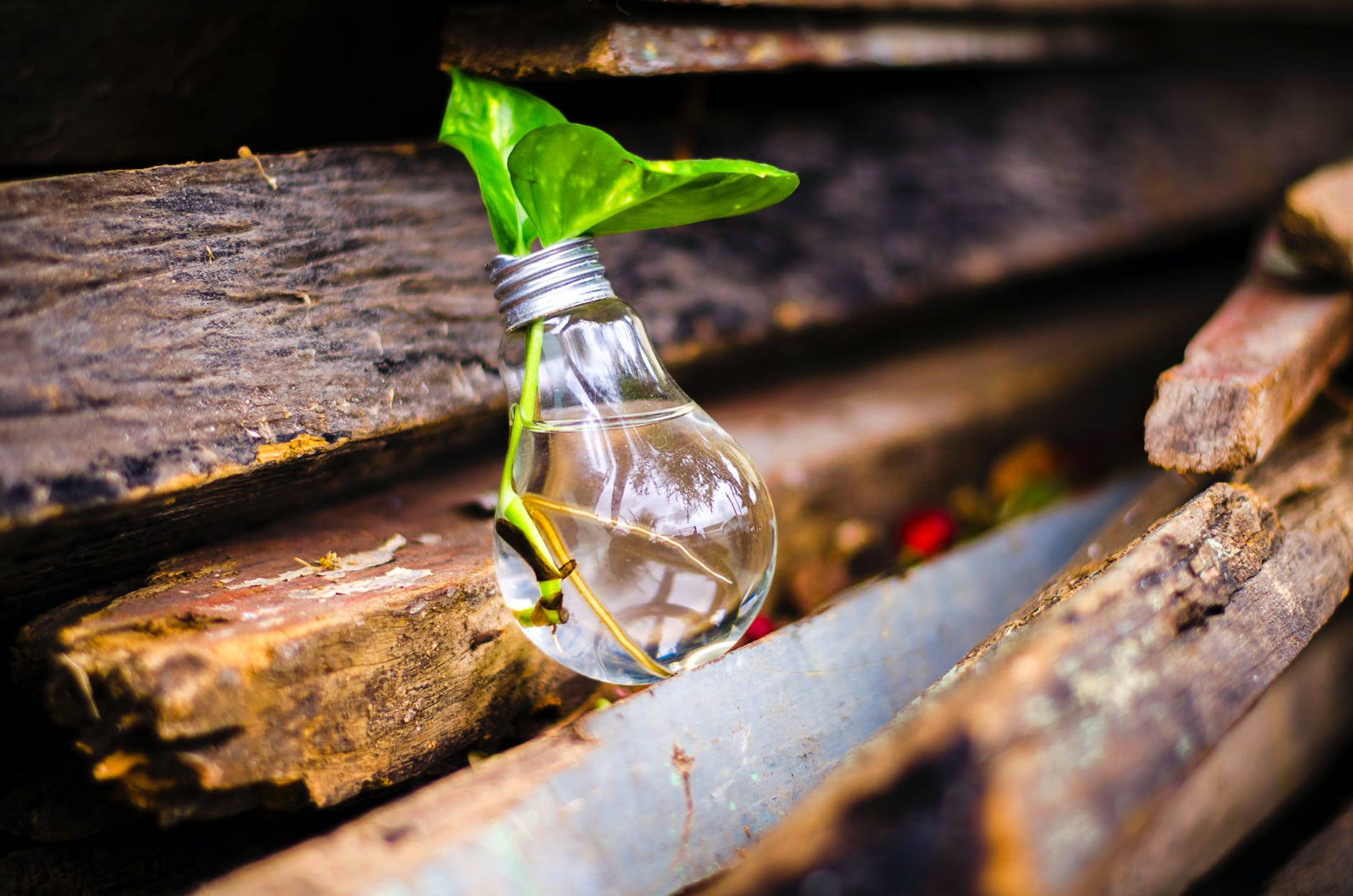
clear light bulb
Ideas to Try out in Your Free Time -Photo by Pixabay on Pexels.com

Why Cultivating a Garden or a Vegetable Garden Is Good for Your Health

Plants improve the air we breathe and can be a place to grow vegetables. Therefore, green spaces have been increasing recently in urban spaces thanks to the creation of rooftop gardens.

For those who live in the city, the importance of having a green space close to home has become necessary during the lockdown due to Covid. From London to New York, parks and public gardens have always offered a precious refuge in the asphalt jungle of the streets, shops and offices that make up the typical urban landscape. But apart from these oases of peace, there is not much room left to become “greener”, which is why we are witnessing the development of rooftop gardens.

From improving physical and mental health to bringing communities closer passing by fighting pollution, the creation of green spaces at the top of the buildings can be truly seductive.

low angle photo of four high rise curtain wall buildings under white clouds and blue sky
Photo by Philipp Birmes on Pexels.com

Here are some benefits you can get from growing a rooftop garden.

They help purify the air

All cities in the world face the same challenge: maintaining quality of life despite the high pollution rate and rising CO2 concentrations. For this reason, planting trees or shrubs on the roofs can be useful to exchange carbon dioxide for pure oxygen. In addition, roof gardens can also improve the insulation of the building, reducing heat loss in winter and maintaining a cooler temperature in summer. In this way, besides making a gift of oxygen to the environment, you will lower the consumption of electricity and heating, paying less expensive bills.

They offer shelter to wildlife

Loss of natural habitat is a threat to wild animals in general.

A roof garden can quickly become a refuge for bees, butterflies and birds, where they can rest and nest, thus keeping the pollination cycle active, which is essential for human nutrition.

They allow you to grow your own vegetables

Tomatoes, courgettes, peas and strawberries, all organic. The fact of sowing and growing your own vegetables is an incredibly rewarding activity that allows you not only to save money but also to eat healthier.

They inspire engaging actions for communities

Why not thinking about involving the primary school close to home by inviting children to discover your garden or vegetable garden? You will be surprised to see the enthusiasm of the little boys and girls. Gardening is a real contribution to integration into the local community. Where I live in Brussels there is an association called Parck Farm that has taken over a greenhouse and created a botanical garden. In addition, it offers small plots of land to cultivate. We share the land together with Belgians of several origins, Poles, Portuguese, … The association also offers the possibility of organising team building activities there. Participants can help members of associations to remove weeds, collect garden products, prepare the soil for winter. Educational activities for boys and girls are regularly scheduled to make them discover the wonders of flowers and plants. Workshops for the preparation of creams and syrups are other events organized by the association to promote integration among the inhabitants of the neighbourhood.

They improve physical and mental health

We all know that spending time in nature revitalises the body, spirit and soul. This practice is known as shinrin-yoku (forest bath) in Japan and has been validated by scientific research. In 2019, a study revealed that spending at least 120 minutes a week (the equivalent of about 17 minutes a day) in nature can have a significant impact on our health and general well-being. Other research has established a link between regularly visiting green spaces, improving sleep and decreasing negative thoughts.

Do you think that those benefits are a good reason to launch yourself into the cultivation of a green space?

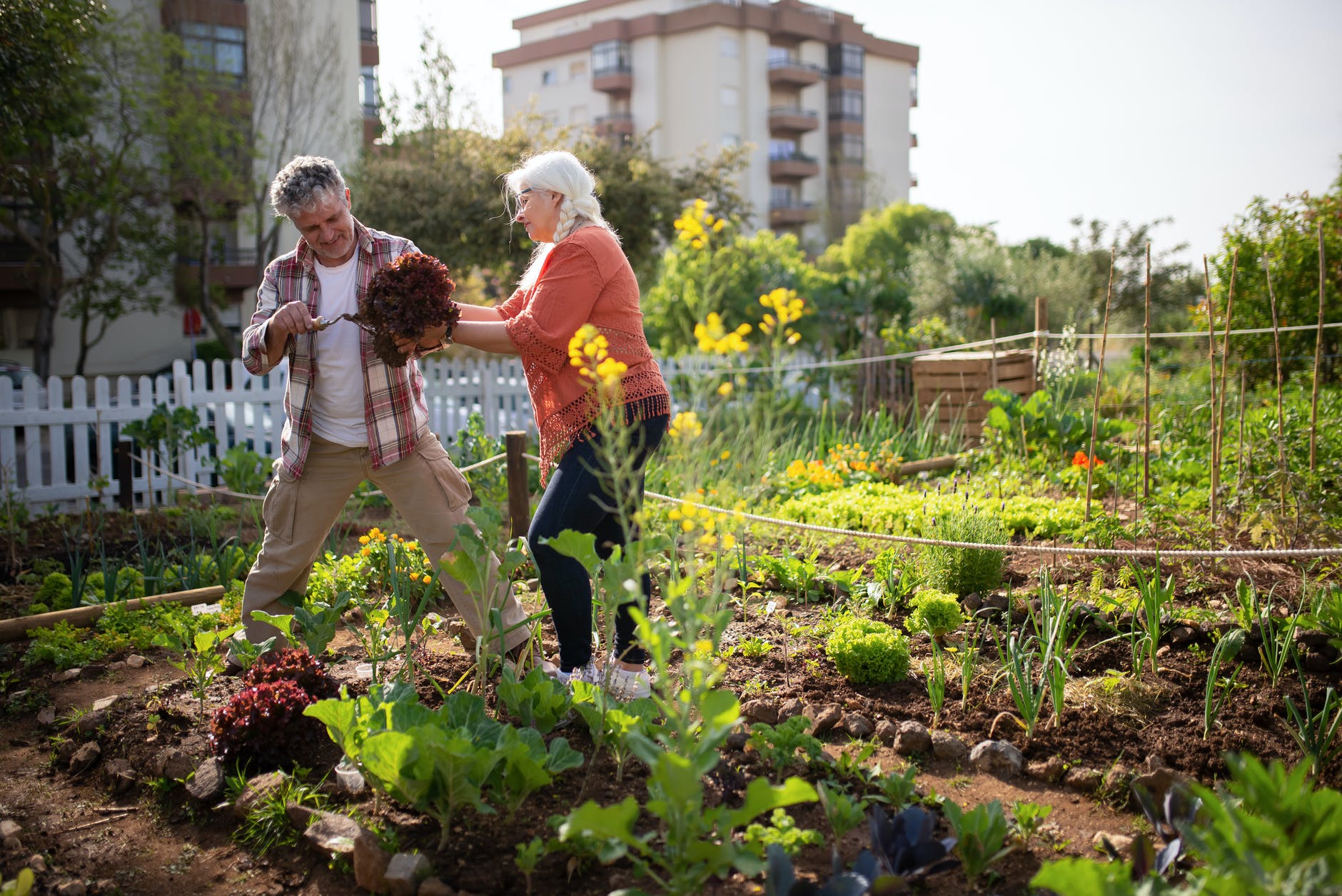
a couple in a vegetable garden
Photo by Kampus Production on Pexels.com

6 Ways To Warm Up Your Hands

Are you like me who always have cold hands in winter? Here are six remedies ((without putting them on the radiator) that you can easily use to warm up your hands during this winter that is rather cold.

Photo by Koko 19091 on Pixabay
  1. When you go out put on your gloves, of any kind they are: traditional, in thermal material, or with a battery. To avoid arthritis you should wear natural fibre gloves, such as cotton or wool, but it is true that gloves made of thermal material, such as those used for skiing, are warmer. In any case, you shall wear them with warm hands already, therefore before leaving your place, otherwise it will take longer to warm them up.
  2. Use hand cream. It helps you to form a protective barrier which then decreases the feeling of cold. A thick cream is certainly more useful than a fluid cream. In addition, it also helps you to prevent the formation of cracks caused by frequent washing, which is absolutely necessary in times of pandemics, like the one we have been living for about one year.
  3. Avoid smoking (your lungs will be happier too). You will not have to go out on the balcony (if you live with some other people who don’t smoke) and you will avoid tobacco hindering blood flow, a constriction that causes a drop in body temperature since less blood will be circulating.
  4. Give a warm hug. Contact with bodies is the best way to transmit heat. Many people put their hands under their arms to be warmer when they feel cold or when they are in a cold environment. Of course, hugging in the days of Covid is not recommended, so do it only with those who live with you.
  5. Put your hands into warm water. This remedy is also used to treat freezing symptoms. However, you must be careful since, with the loss of sensitivity of the hands caused by the cold, there is the serious risk of burning them if the water temperature is higher than 40/42 degrees.
  6. Say goodbye to alcoholic aperitifs and drinks. Although there is the idea that alcohol heats you up, this is a misbelief. The truth is that it is only a temporary sensation. Alcohol, like smoking, facilitates the vasoconstriction of the arteries. Much better to drink a hot herbal tea or tea.

Would you try one of those remedies and let me know if it works? I use gloves and put hand cream, and actually it works!

Photos by Free Photos on Pixabay

How And Why Adopting Resolutions Now.

When the holidays are over and you start working or studying again, you want to commit to getting back in shape.

Maybe you ate too much and did little physical activity but it is normal, you have been on holidays!

It could also be an opportunity to take stock of the resolutions taken at the beginning of the year and see where you are.

Often, however, among working or studying and other daily activities, you do not have neither time nor motivation.

How would it be following a program that helps you in achieving your objectives now?

Here are some ideas to help you stick to an easy-to-maintain schedule.

Small daily efforts

Decision taken, this year you will try to use less the car, both because it is a super ecological action and therefore good for the planet, and because you will be forced to find other means of transport to get around. You will also strengthen your body without realizing it.

Ready to include some physical activity in your daily life?

  1. Do not park the closest possible to the shop entrance. Park further away and take a stroll.

2. Stop taking the elevator if you live or work on a relatively low floor.

3. Get around by bike or on foot.

4. Don’t have your shopping delivered to you, do it yourself.

5. Go and buy a sandwich at lunchtime on foot. It allows you to relax a bit, change air and walk.

6. Go for walks of at least 30 minutes at least once a week (I walk at least 30 minutes every day, but I suffer from the restless legs syndrome – RLS). You can walk on the street, in the nature, on the beach, alone or with friends. The important thing is to walk.

7. Buy a Pilates ball and sit on it to watch your favourite TV series, movie, or whatever you like.

As you can see nothing strange and impossible! Start introducing one habit at a time and you will soon find your shape again with a minimum effort. To help you out, you can use an app or a bracelet that monitors your activity like a real coach.

Little efforts at home

We know that sometimes it is hard to find time to go to the gym. Why not doing some physical activity at home then? You can buy accessories that allow you to do some gym without leaving your place, such as electro-stimulators, vibrating platforms or abdominal belts, which tone the muscles by causing contractions. You can also follow some exercises online, YouTube offers them of all kinds. You can do Yoga to relax the body without forgetting the muscles, meditation and relaxation, perfect for learning to breathe deeply and to use breathing as a method to fight stress and anxiety. 10 minutes every morning when you wake up will be good for you. Find a trainer you like, subscribe to their channel and receive notifications every time they upload a new video.

Photo by Wee Lee on Unsplash

Small efforts on the plate

Holidays are sometimes synonymous with excess. To get back in shape you need to fill up on vitamins. Start the day with a smoothie or fresh fruit juice. Then continue with a healthy, non-fat lunch of seasonal vegetables. It will help you regain your shape.

You can also drink a glass of warm water in the morning on an empty stomach to stimulate metabolism, detoxify the body and facilitate digestion. Add some lemon and it will be tasty.

So, are you ready for this little revolution?

Photo by Chris Lawton on Unsplash