During the lock-down, the gym clubs have been closed (at least in Europe) and not all of us were able or willing to workout in our homes, perhaps following a video on YouTube. However, to prevent not only weight gain but also stress and anxiety from increasing, it is essential to exercise regularly.
Rhythmic physical activity (dancing, walking, cycling) alone is not enough, you need to maintain muscle mass which with ageing will be decreasing.
Maintaining muscle mass is particularly important in the case of a diet. In fact, thanks to a well developed muscle mass, you can avoid regaining fat and stabilize your weight. To do that, you should eat protein, do some resistance training, increase your Omega 3 intake, and check out your vitamin D levels.
In addition, there are at least 12 other benefits of moderate and regular physical activity. Let us see them.
1. More physical, mental and emotional well-being.
2. Reduce hunger.
3. Improve “bad” cholesterol and reduces triglycerides.
4. Decrease the risk of cardiovascular diseases.
5. Decrease resting heart rate.
6. Reduce abdominal fat.
7. Improve sleep quality.
8. Reduce the time to fall asleep.
Change your habits! Run, cycle, walk in the nature but also in the city, take a yoga or Pilates class even online or take a sports coach. You will see that you will soon get back your shape and motivation!
Studies show that a diet low in fibre and high in sugars and saturated fat makes sleep lighter, and less restful.
Incorporating vegetables into your weekly menu will be a game-changer.
Here are some tips on how to get more energy during the day and sleep better at night.
While we all know that having an espresso after dinner will not help us fall asleep and that it is better to drink water rather than wine before going to bed, studies show that our diet plays a role. Diets high in fibre and low in saturated fat can promote deeper, more restful sleep. The main reason why it is better to go for a vegetable-based diet is the presence of serotonin, tryptophan and melatonin in many vegan foods, essential elements for good sleep.
Photo by Cristiana Branchini
To boost your production of melatonin, known as the sleep hormone, eat fruits and vegetables like kiwis, spinach, tomatoes, lettuce, avocados, bananas, sour cherries, and red grapes. This hormone helps your body regulate its circadian rhythm and promotes healthy sleep. Researchers believe that fatty fish can help you fall asleep by providing a healthy dose of vitamin D and omega 3 fatty acids, which play a key role in the body’s regulation of serotonin. Serotonin is an essential hormone that works to stabilize mood, provide a feeling of well-being, promote happiness and improve sleep.
This hormone influences your whole body. It allows brain cells and the nervous system to communicate with each other.
In addition, consuming nuts, rice, and oily fish will help you rest. So eat almonds, walnuts, pistachios and cashews. These good treats contain melatonin, as well as essential minerals like magnesium and zinc that support the body in many essential functions, including sleep.
Eat protein to get energy during the day and complex carbohydrates at dinner to have a good sleep.
Did you strain a little last night and feel lazy now? Instead of going for a sugary snack, choose a snack that is high in protein. Experts say that, contrary to popular belief, they are more energizing than sugar. Protein will give you energy by making you alert and active.
Eating complex carbohydrates at night will keep you fuller for longer. In addition, they have the advantage of stimulating the sleep hormone. Thus, a dinner consisting of food such as pasta, beans, quinoa, rice or potatoes will help for a good night’s sleep.
Last tips. At the supermarket, head straight for soybeans. One cup of soybeans contains 28 grams of protein, roughly the same amount as 150 grams of chicken. Also, stock up on lentils, cheese, sunflower seeds and Greek yogurt.
As trees are losing their leaves in the fall, we are losing our hair.
A plant that slows down hair loss is nettle. Re-mineralizing thanks to the silicon it contains, rich in iron, vitamin B and other minerals, nettle helps in the prevention of anaemia, slightly drains the kidneys and strengthens hair, nails and skin.
Using it in powder or capsules for the duration of autumn, you will find yourself with more voluminous hair, stronger nails and new radiance of your skin.
During the autumn, the days get shorter and you may lack some motivation.
You can try rhodiola. It will help you adapt to the different types of stress you experience. It is a plant with antidepressant properties and increases the production of dopamine in the brain, thus helping you to regain some motivation and enthusiasm to start projects. It can also prevent burnout, professional but also personal. In the autumn period, when you need more energy, the rhodiola will help you not to yield to the progressive lack of light.
Orange leaves are a panacea for the soul because it gives you comfort and calms down anxiety, stress and nervousness. They say that it can reconnect you to your inner child. It is a first-rate nervous rebalancing, also with antispasmodic properties if the spasms are of nervous origin (cough, stomachache).
Pay attention that if you have any particular health conditions or if you are pregnant, you shall consult your doctor. Plants have powerful properties and you have to be careful.
Qi Gong is an ancestral discipline born in China about 5000 years ago. It has been influenced by various philosophies, such as Taoism, Buddhism and Confucianism.
After having developed within religious and spiritual fields, Qi Gong has been contaminated by fighting techniques becoming in this way also part of martial arts.
Today, more than a thousand forms of Qi Gong are known. Actually, each teacher develops his own technique observing though the same principles and purposes: to stay healthy by keeping the body, spirit and energy in balance.
According to Chinese medicine, good health is the result of a good circulation of energy in the body. Qi Gong is considered a prevention measure.
The search for balance, the precision of intention (Yi), the fluidity of gestures represent not only a path towards self-knowledge but also the pleasure of encountering oneself. With Qi Gong, we learn to love ourselves, to open up to the universe, to live in harmony with everything around us.
In the search for balance, you will experience moments when you focus and moments when you rest. Feeling too much or what is missing, for example when you go from one foot to the other, allows you to become aware of your own fragility. When, on the other hand, you stand on two feet, well anchored to the ground, you feel then balanced, and stronger.
Working on balance brings a feeling of lightness and freedom, without forgetting that through the movements and stimulation of the meridians (energy circulation paths), organic functions improve (circulation, digestion, breathing).
The body is at the centre of the relationship with oneself, with others and with the environment. Body awareness passes through listening to your body at first, by observing muscle tone, tensions, balance, posture and the direction of movements.
Qi Gong can be considered above all as a search for energy balance and harmony between body and spirit. By paying attention to the gestures, we realize that our way of thinking also changes and we get a more peaceful look at the world.
As you may know relaxation techniques are simple practices you can do to help yourself calm down, cope with stressful situations, and relieve stress. The warning signs are out there: headaches, stomach knots, and racing thoughts. They are all signalling you to take action. The good news is that you can. The resources are here. They can also help you fall asleep, and go to sleep (or back to sleep) faster.
Try out the different tips and techniques listed here and see what works best for you.
1. One Hour to Let Go
This technique allows you to finish your daily tasks and help you get ready for sleep an hour before bedtime. This exercise is done in three 20-minute sessions.
In the first 20 minutes, take care of any simple tasks, for instance preparing the dishwasher or feeding your cat.
In the second 20 minutes, do some relaxing activities like talking with family members, doing an additional relaxation technique, or thanking for three things that have happened in your day. Avoid scrolling on your phone though, as the blue light on your screen can inhibit your natural melatonin production and make it harder for you to fall asleep.
In the last 20 minutes, take care of your personal hygiene. Take a warm bath or shower.
Creating consistent and healthy rituals is really a good way to getting a good night’s sleep each night.
2. Guided Visualisation
Guided Visualisation uses your imagination to engage your senses. This simple exercise can be done on your own, or with the help of a therapist or a guided imagery practitioner. Here are some questions you can ask yourself:
What can you see? Look close and far, colours, shapes, and light.
What can you hear? Hear as many sounds as you can and keep looking for new ones, don’t focus on anyone for too long.
What can you taste? This is less fun as you are not eating, but try to imagine yourself eating something you love.
What can you smell? Focus on the smells around you – what are they and how many can you find?
What can you feel? Send your attention to the parts of your body that have contact with something, like the floor or a chair or table.
Through this technique, you can connect your conscious mind to your unconscious mind and help direct your body and brain towards a desired goal response. Guided imagery helps you relieve stress, reduce feelings of anxiety, and encourage healthy sleep.
3. Self-Hypnosis. If you are only familiar with hypnosis that you might have seen on films, forget about it. Hypnosis is a state of consciousness where someone is intensely focused on an idea, which can make their brain more receptive to new thoughts or ideas. If you want to try it, there are apps or tutorials on YouTube available.
4. Breathing Exercises
You probably know that a deep breath can help you stabilize your breath when you are anxious or worry about something deeply. A breathing exercise can help encourage relaxation, reduce muscle tension, and even lower your heart rate and blood pressure. Repeat this as many times as you need. By practising deep breathing, you reproduce your breathing patterns as you fall asleep. In doing so, you encourage your body to enter that state of restfulness and get itself ready for sleep.
5. Progressive Relaxation
This technique allows you to become more familiar with your body and any of the places you may be holding onto stress or tension.
Progressive relaxation involves working with your body in different areas and each muscle group, first by tensing the muscles and then relaxing them. Usually you start with your feet and go your way up to the top of the head. In this way you will be aware of how the parts of your body feel when they are tense, as well as when they are relaxed. You can use this technique to address any tension or stress you may have.
Yoga Nidra is also known as yogic sleep. It helps the body relax while the mind is alert and awake. The goal is to guide yourself through the main four stages of brain wave activity— beta, alpha, theta, and delta— and achieve a state of being between wakefulness and sleep.
To practice Yoga Nidra, all you need is a comfortable place to lie down. Begin then by lying face-up and set an intention for that session, for example stress relief or relaxation. Watch your body and notice any tension or sensations you feel. You can always find apps or tutorial on the Internet to guide you through this practice.
One study has shown that Yoga Nidra can be a very effective supplemental treatment for insomnia. In participants practicing Yoga Nidra, regular participation improved their sleep quality and reduced their insomnia severity, anxiety symptoms and their stress levels. This improvement even continued 3 months after they began practising.
Remembernot to practice any of these relaxation techniques while operating machinery, driving a car, or doing anything that requires your full attention.
A few days ago, I came across an article on the Internet that recommended sleeping three consecutive hours and then taking three 20-minute naps throughout the day. This sleeping pattern was indicated as a model for obtaining success inspired by great world managers or businessmen, in particular they referred to Elon Musk.
As a person who has trouble with sleeping, I can tell you that science warns that too little sleep affects cognitive performance, behaviour and metabolism. With this strategy, you may be successful at the price of your health.
Sleeping is also productive. To get enough energy and focus to devote to work or another productive activity such as studying, you need to sleep at least 7 and half hours.
One of the functions of sleep is to process and consolidate learning, focus and memory. Sleeping implies continuing to work, because the brain clears up the bombing of information accumulated during the day that is generally very intense due to the different sources available today. Our biology is prepared for short periods of sleeplessness in stressful or urgent situations.
Several studies have revealed that the habit of dedicating a few hours to sleep reduces cognitive performance, causes focusing deficit and loss of the ability to make decisions, as well as increases states of stress, anxiety and depression. Humans are ‘circadian animals’, programmed for 24-hour sleep-wake cycles. Sleeping for a few hours is a physiological assault on our body and, in particular, on the brain. If sleeping little is your choice, know that this alters the neuron-hormonal pattern which can cause:
Thinking that sleeping is a waste of time is wrong because it has health consequences. Sleepiness and loss of focus are evident the next day, while other problems could arise in the long term, such as an increased risk of cancer, cardiovascular disease, hypertension, neurodegenerative disorders and metabolic disorders. Actually, sleeping for short time also increases appetite, with obvious consequences on your weight. Lack of sleep, in fact, leads to have frequent snack and drink sugary or caffeinated beverages.
Another important question is whether these negative health effects also occur when you wake up very early. Studies show that getting up too early does not necessarily cause alterations, as long as your sleep has been restorative enough. Remember that it is very important to complete five or six sleeping cycles every night (a sleep cycle lasts an average of 90 minutes).
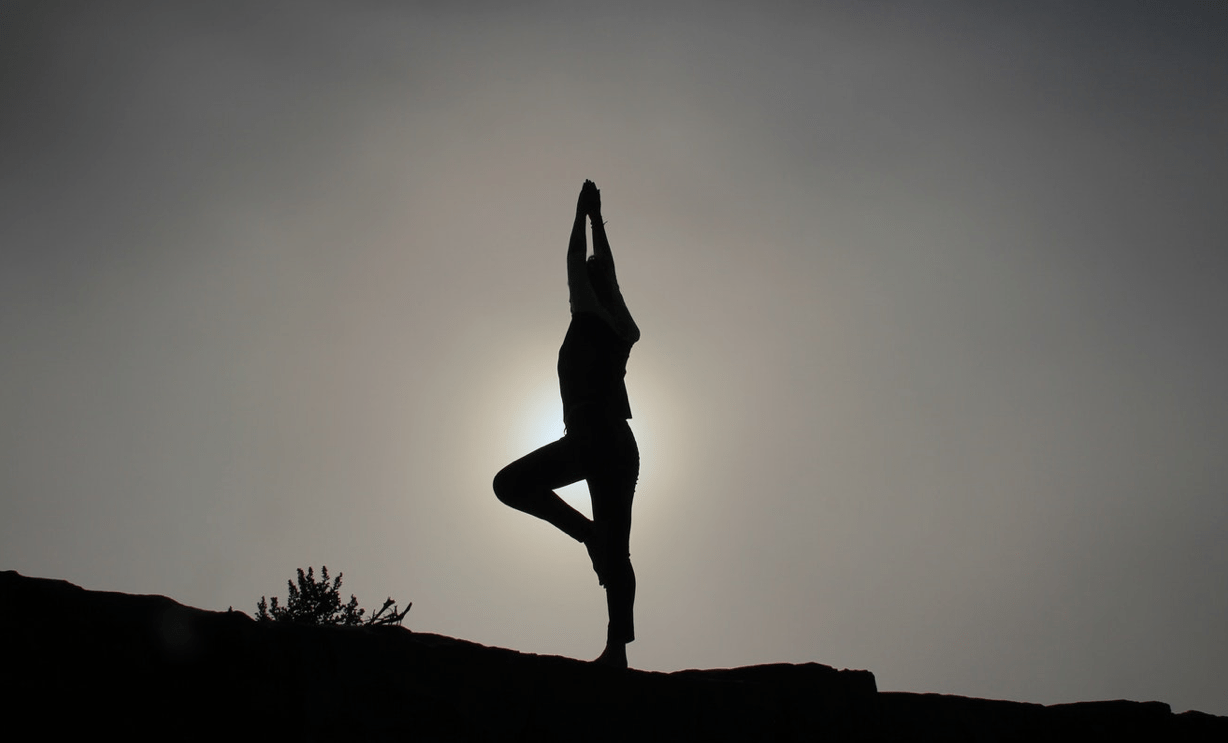
Over the last few years, a very old practice has become the subject of scientific studies: yoga. Positive effects on the brain have begun to be measured, such as anti-stress and anti-depressant effects.
The studies began thanks to the spectacular spread of yoga. Millions of people practice yoga regularly. Positions (asanas) such as the warrior or the cobra are increasingly known among different people and age group. The reasons are mainly that persons want to learn how to relax, how to get rid of several kinds of pain (back, neck, shoulders, etc.) manage stress, and maintain good physical shape.
Traditional yoga (from the Sanskrit “yuga” which means “union”) comes from India and is a discipline more than five thousand years old. An important source of this spiritual school, which should guide us towards the divine, is a writing by Patañjali: Yoga Sutra, which contains the essential foundations of the discipline.
According to this essay, the purpose of yoga is to attain a higher form of self-knowledge, which can be achieved with inner contemplation. In addition to specific physical exercises, and breathing techniques, traditional yoga also includes meditation, a vegetarian diet and an entire philosophy of life. The modern and western form of yoga omits many of these elements. The development of strength and plasticity, meditation and breathing exercises play the most important role today.
At the beginning of the twentieth century, a small group of Indian yoga teachers began to spread the teachings of yoga in the Western world. After the explosion of fitness in the 1980s, which focused above all on the cult of the body, the spiritual part has been lost a little. Therefore, in the Western world mainly hatha yogabegan to spread.
Photo by Mor Shani on Unsplash
The effects of hatha yoga on health are: improving body consciousness and coordination, strengthening muscles and enhancing blood circulation. Moreover, yoga is also beneficial to stress management.
From experience, I can say that after a yoga session I feel relaxed and rested. It takes longer to reach a similar state with meditation, while hatha yoga produces effects immediately, probably thanks to the more marked physical component. It is actually proved that physical exercise is good for your spirit. Perhaps, this is why yoga is a fast-acting cure-all, as it associates physical exercise with meditative practice.
In fact, by associating postures (asanas) with breathing (pranayama), we act on the body by relaxing the muscles, and on the spirit because the sympathetic nervous system (the nervous system that is stimulated when we rest or sleep) is activated.
Yoga allows you to find calm despite the limits imposed by everyday life. With regular practice, even 5 minutes a day is enough, you will sleep better, your self-confidence will increase, as well as your ability to make decisions and manage stress.
In our times, we receive information from many sources: emails, social networks, television, people we know and colleagues. Our mind is over-stimulated for the duration of the day and this can cause stress and anxiety, which can also cause a real burn-out.
The excessive exposure to those information is detrimental to the activity of our body which is relegated to a mere container of organs that allow us to move (even if sometimes less than what we should).
Too many hours spent in front of the screen (mobile phone, computer or television) do not allow the body to tone up and therefore regenerate. During the pandemic, it has become even worse, because of the restrictions imposed to avoid the spreading of the virus. We could go out less often, or not at all.
Furthermore, it can happen that we ignore the pain from the body by using analgesics or other types of medicines to avoid feeling sick.
If you do this, know that you are waging war to yourself, because silencing your body will not help you solve the problem.
Our body is sending us important signals that we will need to start considering. By continuing to ignore the messages it sends us, there may come a time when the pain becomes unbearable and it might be too late.
As soon as you hear a strange noise coming from your car, you take it to the mechanic before it breaks down. The same thing you should do with your body.
For example, if you experience often back pain, it means that you need to change your position, adopt a more adequate posture, maybe change chairs or just go for a walk.
Try to think that pain is actually your ally because it wants to tell you that there is something wrong with you and which you should take care of.
Let’s see four techniques that you can use every day to learn listening to your body.
Mental scanner. This is a mindfulness technique that involves mentally scanning of your body from the top of your head to the bottom of your toes to check if each part is healthy.
Daily walks. This is the best way to get up of your chair. Usually all mobile phones have an app to calculate steps. I signed up for a monthly “race” with colleagues to take at least 6,000 steps a day. At the end of the race, there will be an award for the walker who has taken the most steps. Run a race with your friends or colleagues too!
Feeding your body and mind. The Japanese eat up to 80% of their hunger in order not to get heavy (this is a principle of Ikigai). Therefore, eat less but eat healthy, and sleep at least six hours a night so that your body and mind can do a complete “reset”.
Respect the messenger. Instead of taking medicines at the first symptom of discomfort or pain, try listening to your body, what it is communicating to you. Think that your body needs to be considered and looked after. Don’t wait for your body to ask you for help when you are in extreme pain, as remember that it might be too late.
Covid has radically changed our way of life in the city. Consequently, also our relationship with the city has changed.
If you were willing to pay more for a down-town rent or to buy a small apartment to live in the city, would you do the same today?
Data on home purchases in Belgium show that people during the pandemic wanted to buy or rent properties in the countryside, where homes are cheaper and bigger. Nature is a source of energy that can help us in difficult times such as those of Covid.
If being able to have a quick aperitif after work, to go out for dinner in the evening without having to travel too many kilometres, or going to the cinema or a concert, justified the fact of living in small apartments, where you are exposed to not always easy coexistence with the neighbours and outside noise and traffic, is this still the case now?
Cities during the pandemic have turned into places to mainly work and sleep. Maybe you started asking yourself, what kind of life is it?
If you were able to go to work during the pandemic, didn’t you have the impression of living in the office? If, on the other hand, you have always worked from remote, don’t you think that you have been experiencing difficulty in finding work-life balance?
With the rules of lockdown even using public transport was a problem, due to the fear of contagion. We started to do shopping close to home.
Photo by Matt Seymour on Unsplash
Staying at home all the time and respecting the rules of lockdown have caused spreading of anxiety in a worrying way. In fact, it has been proven that living in the city makes you feel more isolated, even if the opposite would seem to be true.
For a long time we have been deprived of our need and desire for sociability, our walks have been reduced to the tour of the neighbourhood to fulfil our daily commitment to take 6000 steps or not to forget the challenge of staying healthy despite everything.
Things as common as eating with friends or colleagues, going to the cinema or shopping, have turned into extraordinary things.
Is that why living in the countryside has perhaps become more popular? Would spending less on a house with a garden and nature nearby make you change your mind about living in the city?
As I was saying before, we have not been taught to take good care of ourselves. We put often aside our well-being. How many times have your parents told you to look well after the others or do things for the others? How many times, on the other hands, have you been told that you must also take care of yourself?
The way you look after yourselves is a kind of extension of what you have learned from your parents, teachers or caregivers.
For a very young person this may seem exaggerated, as some basic principles of self-esteem are taught in schools today. Some parents also try to instil some self-care virtues in their children.
However, for an adult or elderly person, taking care of themselves well and being truly respectful of themselves is not always something they have consciously internalized. In the past, it was not so easy to find someone who could help you cultivate a certain self-love without it being considered selfish.
In fact, this is precisely the basis: self-love, not to be confused with narcissism or egocentrism. To better understand this concept, we can first imagine what we do when we really love someone: we seek their happiness, we help them, we try to make them feel good, and we accept them as they are, with all their imperfections and qualities. Actually, looking well after yourself means really accepting yourself for who you are.
Becoming kind towards yourself, means understand yourself, especially when you face failures and mistakes.
Photo by Klimkin on Pixabay
That attitude can be a great ally. You can challenge yourselves in a healthy way, taking into account your possibilities, your desires, and not the desires that others have for you.
The use of language is very important to achieve the goal of taking good care of yourself. It is common, and to some extent normal, that on some occasions you speak “badly” to yourself, you do it unconsciously. You cannot talk to yourself always in a loving way, as you could enter into toxic positivity (when a positive attitude is used to mask negative emotions, namely pretending that all is well when it is not).
However, you must not use words that hurt yourself. Nobody insults those who truly love, right? Talking to yourself and thinking badly about some personal aspects (physical or mental), and constantly reiterating it, can in the end make you really believe it.
Taking care of yourself is essential. This implies developing a healthier and more suitable lifestyle. Sleeping and resting enough hours, for example, as well as eating well based on our weight, age and lifestyle, not abusing alcohol or tobacco, are all ways to take care of yourself. Taking time to relax, reconnect with what you really like to do, keep your hobbies, follow your passions and interact with people who bring you something positive in your life means being respectful of yourself.










 Crisbie Coach