Summer has arrived and we want to look fit and healthy, maybe losing a few kilos. There are many products that you can buy and that will help you lose weight, but there are also simple homemade tricks that you can use.
Citrus fruits are great for fitness and other body functions
Lemons, oranges, grapefruits, contain substances that help control weight because they favor the purification of the kidneys.
For example, bitter orange helps to:
1. maintain a normal weight;
2. fight against overweight;
3. manage weight;
4. metabolize fats;
5. promote fat burning.
In addition, bitter orange essential oil promotes normal sleep because it helps you relax you from the tensions accumulated during the day, while grapefruit oil helps to keep the intestines healthy. Lemon on the other hand optimizes fat and cholesterol metabolism, and supports liver health.
Remember that all citrus fruits contribute to the optimal maintenance of the immune system.
There are also other natural products that can help you maintain a healthy weight, such as licorice, sage, anise, ginger, flaxseed. These all can keep your hunger under control.
Obviously, to maintain a healthy weight it is not enough to eat citrus fruits or other recommended herbs, you have to adopt a healthy lifestyle, which includes not only eating and sleeping well, but also doing physical activity. The diet alone can’t do miracles, while combined with a sport or even a daily walk at a fast pace will allow you to regain shape more quickly.
A small warning. If you are overweight and want to lose weight, consult a doctor or nutritionist. These tips are aimed at people who want to lose a couple of pounds and feel fit for the summer.
On my blog you can find more tips to improve your well-being, why don’t you subscribe? You won’t miss any posts!
It’s well-known that what we eat influences the quality of our sleep. It is even more important to eat well in the evening, because we go to sleep afterwards. Eating out a hamburger with friends coming out from work, eating a whole tablet of chocolate in front of the television, or eating too much on coming back late from work, are not good habits.
Why don’t we sleep well after having eaten late in the evening, or having eaten a lot or to having eaten a fat or sweet food? Which are the effects on health and on wellbeing if you sleep badly? Which are the recommendations in order to sleep well and wake up completely restored?
Let’s see.
Why you shouldn’t eat late
The body accumulates more fat. Recent studies have compared people eating late in the evening some food and people eating earlier the same kind of food. The former show more fat in their blood test.
This also represents a cardio-vascular risk for those people who would eat just before going to bed and after 10 p.m..
You may have some cramps or refluxes because of the lying down position in bed and therefore you may not sleep.
A bad digestion may wake you up during the night and therefore it may alter the quality of your sleep.
When you don’t sleep well, the whole body will suffer and you may become nervous, be in a bad mood and may not be able to focus well. Besides, sleep also regulates our hormonal balance. The hunger hormone (the ghrelin) and the satiety hormone (the leptin) are produced while sleeping. If you don’t sleep well or don’t sleep enough, the two hormones are unbalanced: more ghrelin than leptin is produced. Then, you will be prone to eating more to compensate for the lack of sleep or the bad sleep. You will eat more and sleep worse, in short you will find yourself in a vicious circle.
The stress hormone (cortisol) and the sleeping hormone (melatonin) are also regulated by sleep. If they get unbalanced, the whole quality of your life will suffer.
Finally, the hemoglobin becomes rarer. This antibody protects the organism against bacteria, viruses and some toxins, therefore it is needed for a good immunity. As it is also produced during the sleep, you may become more vulnerable if you don’t sleep well. That’s why fatigue or stress can provoke illnesses.
In the long term, irregular sleep or lack of sleep will increase the risk of depression, obesity, cardiac illnesses and diabetes. It is therefore fundamental to sleep well and also try to pay attention to what you eat in the evening.
Try to privilege some foods rich in tryptophan and vitamin B2, because they make sleeping easier. The tryptophan, needed to produce the melatonin (the sleeping hormone) can be found in bananas, tuna, chickpeas, dates and milk. The vitamin B2, that also makes sleeping easier, can be found in all dairy products (milk, yoghurt, cheese), green beans, tomatoes, mushrooms and in asparagus.
Recommendations for a healthy evening meal:
eating at least three hours before going to bed;
eating slowly, without stress;
eating up to when you start feeling full, not more;
eating with moderation food as pasta, potatoes, cheese;
avoiding sauces, excessively salty or excessively sweet food;
avoiding alcoholic and energising drinks and other stimulants like caffeine;
it would be better to avoid smoking too;
sugar gives immediately available energy, therefore avoid also sweet drinks, sweets in general, above all if you would eat them in front of the television.
Do you feel hungry before going to bed?
Someone said that it would be better going to bed being a bit hungry, also your shape would benefit. But if you cannot really make it, then eat a light yoghurt with no sugar, some walnuts, drink some warm milk or an herbal infusion. The good old chamomile is an excellent option too.
On Sundays, I usually go to Pilates. Last week, a lady I haven’t seen for a while approached me and started to talk, explaining to me why she has not come for the last month. Her story begins by saying that she is not fat enough. It doesn’t seem to me, she is not fat, that’s true, but never before have I heard of someone complaining of being too thin, usually it’s the other way, people complain because they are too fat.
Then she starts telling me her problem. Because of her thinness, the bones pierce the skin and come out. Her coccyx has just healed and she suffered tremendous pain. I am speechless, then the Pilates class kicks off and she stops talking.
I begin to reflect on my two extra pounds, on the fact that I wanted to have a session of cryolipolysis, and on the fact that I do not like my body a little “round”. Then I think about the lady, her problem, and I tell myself that I think I will keep my two extra pounds. I started to do some research on the benefits of having a little extra fat, so to find a justification for keeping my two extra pounds (I have to find a good reason not to lose these two pounds, right?)
First of all, you need to know your BMI, Body Mass Index, and mine is okay, my weight is normal.
Once I have established that I am not overweight, I go on with the search to look for possible damages that an excessive thinness may cause.
First of all, the adipose tissue plays important functions, including the production of hormonal substances, such as leptin (the satiety hormone), which has a role, among other things, in the regulation of energy balance and fertility. The reduction of adipose tissue below 20% in women can lead to menstrual irregularities, for example.
Let’s see now other risks associated to an excessive thinness:
Early menopause. It has been found that being overweight may trigger an early menopause.
Osteoporosis. Even the bones can be compromised. Above all, elderly people can experience the fragility of the bones. A certain percentage of fat mass, or even better muscle mass, can act as a protection to the bones.
An insufficient dietary intake causes the body to trigger a “saving” situation with various consequences on the hormones such as the reduction of the growth hormone, or the increase in blood sugar because insulin is reduced.
Muscle strength. Reduction of muscle strength, weakness, anemia.
Infections. Underweight is also associated with an increase in infections due to the lowering of immune defenses.
Watch out! I’m not telling you that you have to fatten excessively to become obese, because then you would have other problems, like cardiovascular diseases. What I am saying is that you do not have to lose weight excessively.
Calculate your BMI and try to keep it over time by eating healthy and regularly, not forgetting that doing the right amount of exercise is just as important.
These are the best things you can do for yourself.
We hear from all sides that we need to do more sports, that we have to move at least half an hour or take at least 10,000 steps a day. We would need that especially if we sit all day long at a desk, because “sitting is the new smoking”. But if we already have super busy days, how do we engage in a physical or sport activity?
Let’s first clarify what physical activity may be. It could simply be a matter of moving regardless if you do housework or sport.
Therefore, you can consider the activities you do every day, such as climbing stairs, walking, cycling and house cleaning.
Here are six tips on how to fit some physical exercise into your schedule:
Look at your agenda and find the best time for you to play sports or go to the gym. Write it down and you won’t forget it. After some time it will be part of your daily routine. And if you have a friend who comes with you, it is even better because you will be more motivated.
Create a calendar of your activities. Take a calendar and write down the days you managed to achieve your goals in terms of minutes of physical activity. At the end of the month you will be able to see your progress and you will be more motivated and satisfied! The ideal time per week is 150 minutes of moderate activity. A moderate activity is an activity that allows you to talk to someone and that makes you sweat slightly. An example of this activity could be also walking out your dog.
Distribution. Three to five times a week would be ideal. 30 minutes of daily activity would be even better. You can distribute activities throughout the day like this, for example:
5 minutes to go to the subway or bus stop;
5 minutes walking to your office by getting off one stop before;
10 minutes at lunch break to walk around the neighborhood;
5 minutes walking from your office to the subway or bus stop;
5 minutes to your place by getting off one stop before your place.
Find the activity you really like. If you haven’t found it yet, try some and you’ll find it soon. Jogging, boxing, dancing or swimming are just a few examples of activities you could practice.
Put your guilty feelings aside. The long-term goal is to make physical exercise a habit. If one evening when you come back home from work you feel tired and you want to be at home alone or with your family, do it without feeling guilty. Relaxing is just as important as moving. Moreover, if you’ve already followed your daily distribution, you’re okay, you don’t need to add more activity.
Strengthen your muscles. You don’t necessarily have to lift weights. A Pilates or yoga session will help you strengthen your abs, for example.
Regular physical activity is essential for a person’s well-being. It helps with relaxation, it fights stress, chases away fatigue and it is even effective with light depression. Many people opt for cardio training to burn fat and lose weight. However, these exercises do not aim to gain muscle mass but only to increase endurance. Walking is the real cure-all activity.
You may know that cardiovascular exercises can influence the functioning of the thyroid. This gland produces a hormone called T4 which, in combination with iodine, turns into the hormone T3. The latter stimulates the body’s metabolism.
Unfortunately, during the production of cortisol while you are running, the thyroid gland does not produce the hormone T4. Therefore, it disrupts the process of metabolism, weakens the body and reduces the ability to burn fat. Because of this, excessive cardiovascular exercise can reduce your muscle mass and metabolism and, as a consequence, lead to weight gain instead of weight loss.
When running, the body burns calories and muscle mass. Therefore, you don’t not get rid of fat but you produce cortisol, which gives a feeling of hunger because the body feels the need to recover the calories burned. Overweight people should avoid running as it could damage their knees and joints.
Walking doesn’t have the same effect as running when it comes to burning calories. Actually, you burn much less calories. However, this activity is much more beneficial because it produces cortisol in small amounts. Therefore, the feeling of hunger won’t take over as much as if you were running.
The physical activity of walking is well known for its benefits because you can get a lot of muscles to work (thighs, calves, buttocks, back, abdominal belt) and by that you may refine your silhouette. It draws on fat and muscle reserves gently. To have satisfactory results, you should walk at least 30 minutes a day. It is preferable to walk in places without traffic and not too polluted, such as beaches, parks or the forests.
This exercise is also recommended for people who suffer from heart disease because it tones the heart muscle. It is also recommended for diabetics and people suffering from osteoporosis. Moreover, by walking 30 minutes, you will burn about 125 calories. I know, it’s not a lot but day after day you will see good results.
I came back from a fantastic trip to Cuba where I had a chance to walk a lot on beaches.
We all know that spending time outdoors is good physically and mentally, but the benefits of spending time at the beach have just been revealed by science.
That incredible feeling of peace and calm you get on the beach is now called “blue space“. This is what scientists have dubbed the effect that the combination of soothing perfumes and water sounds has on the brain. The blue space is enough to make you feel comfortable in a hypnotic way. Overall, this blue space strikes you in four different ways:
1. It reduces stress. Water is nature’s remedy for life’s stressors. It’s full of natural positive ions that are known to have the ability to make you feel comfortable. So whether you’re swimming or just dipping your toes into the water, you’re sure to feel a sense of relaxation. It’s an instant mood booster that we could all use from time to time!
2. The beach stimulates your creativity. Do you feel like you’re in a creative routine? Well, scientists now believe that walking on the beach helps the creative process. Being in the blue space allows you to clear up your mind and tackle problems or projects more creatively. Just like meditation, being on the beach triggers a sense of calm that allows you to tune everything else together and reflect on what you need to focus on.
3. Going to the beach can help reduce states of depression. Just like the effects you have on stress and creativity, walking on the beach also offers some relief from states of depression. The hypnotic sound of the waves combined with the sight and perfumes of the beach can put you in a meditative mode. You can clear up your mind and reflect on life in a safe space away from the chaos of your daily life.
4. Overall, spending time at the beach will change your perspective on life. And that perspective will change for the better! Nature in general has always been a factor for a healthy and happy life, but being on the beach in particular is so good for the soul.
So grab your sunscreen because it’s time to go to the beach! It’s winter on my side of the world but you can dress properly and enjoy the positive effects of walking on the beach.
Did you like this article? For more on wellbeing, please have a look here.
You all know about the half empty or half full glass of water. By saying how you see it, you will understand if you are an optimist or not.
And if you would like another perspective on a half empty or half full glass, you can read Wynne’s post The Glass Is Refillable.
But what you are going to read here is something different that I saw recently in a simple, short but very effective video.
A professor during a lecture surprised his students by showing a full glass of water in his hand. The students, who thought he would talk about the classic concept of a glass half empty or half full were amazed when he asked them about the weight of the glass. His intention was quite different, in fact he did not want to explain the concept of glass half empty or half full.
The answers were different and most of them could be considered acceptable. However, the explanation given by the professor was different and much deeper.
The weight of the glass depends on the time you will have to hold it. If you hold it in your hand for 5 minutes, it is very unlikely that you will have troubles. However, if you hold it in your hand for 2 hours, the arm will get tired. And if you hold it even longer, let’s say one day, the arm will be as if paralyzed and eventually the glass will fall.
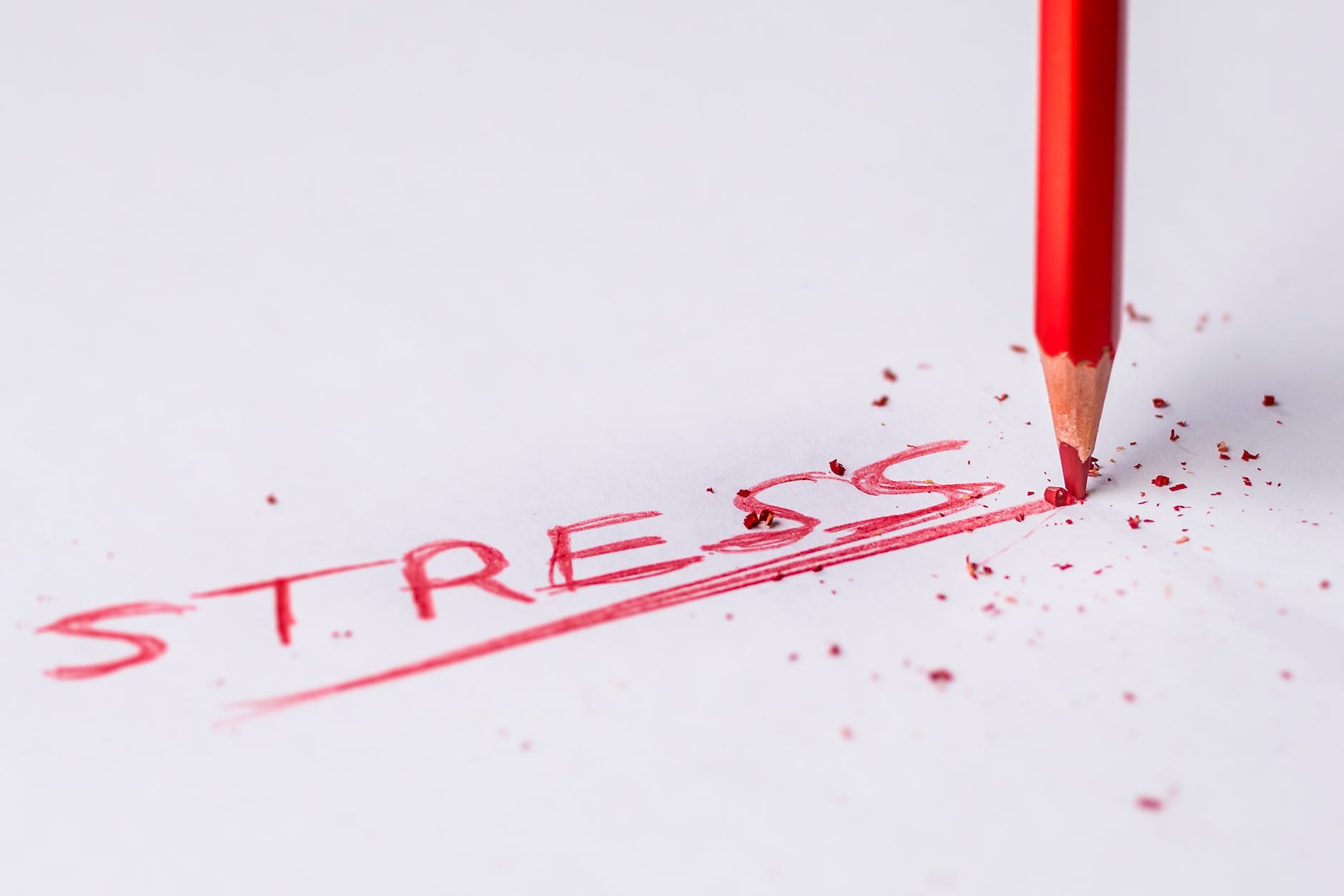
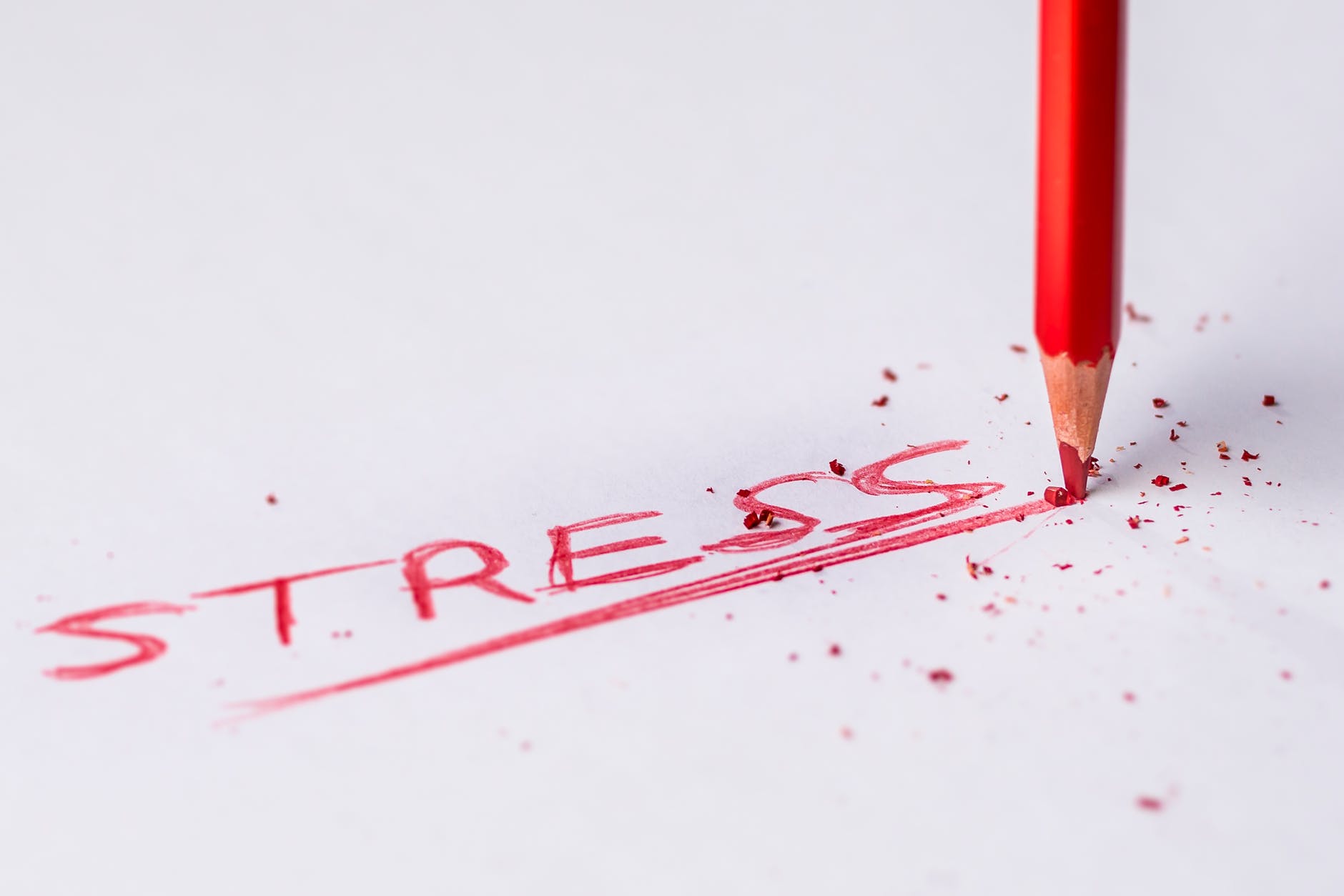
The same happens with stress. If you are under stress for a relatively short period of time you will have no side effects. But if you experience stress for weeks and months, you may eventually get sick.
The word psychosomatic comes from the Greek psyche “soul” and soma “body”. A psychosomatic illness occurs when the mind creates an alteration of the body.
For example, imagine that you have a colleague, or a person you know, who often criticizes you.
Their criticisms are not sporadic, on the contrary they are recurrent enough to become a habit. This behaviour also creates a negative environment around you.
If you can’t get rid of this stress in time, you’ll accumulate so much negativity that it could cause side effects on your health. It would be like holding a glass full of water for a whole day.
This reality is unfortunately so common that it is even believed that some physical illnesses can worsen due to mental factors such as stress and anxiety. It is believed, for example, that conditions such as psoriasis, eczema, gastric ulcers, hypertension and many heart diseases can occur due to psychosomatic problems such as stress or anxiety.
Would you like to learn some techniques to reduce stress: have a look at the conclusion on this article published on wiseandshinezine.com.
This relationship was highlighted by a study conducted by researchers at the University of Chicago, coordinated by Dr. Eva Van Cauter, director of the Center for Sleep and Metabolism. According to scientific research, sleeping less than 7 hours a night would contribute significantly to weight gain. The reason is that less sleep corresponds to a greater appetite during the day because the body automatically tends to feed more to stay awake longer. Sleep is in fact an essential condition for regulating many biological mechanisms, both mental and physical.
While you sleep, your metabolism slows down, allowing your body to consume less and optimize its energy reserves. Sleeping poorly and a few hours interrupts this rhythm, so increased appetite is one of the many ways nature tries to compensate for what it lacks. It is estimated that just one hour less sleep than the recommended average of 7/8 hours translates into a consumption of about 300 extra calories per day and 1 kilogram of extra body weight per week!
All this is due to the decrease in the satiety hormone, while ghrelin, the hunger hormone, increases. That is why, despite attempts to lose weight through exercise, few results are achieved. It is obvious that sleeping more and better is not the only thing you can do, but it is a good habit that should be part of a healthy lifestyle, including a rich and varied diet.
Therefore, to get back in shape, in addition to going to the gym and seeking advice from a nutritionist, you could simply increase the hours and quality of your sleep, thus restoring the balance of your body.
Sleeping well is one of the secrets for your well-being that has been confirmed by science several times.
Find out what a good night’s sleep can bring in terms of well-being.
In the past people would go to bed at sunset and get up at sunrise. Our ancestors had no alarm clocks, they did not have neither a schedule to stick to, nor morning meetings to participate in. Their sleep rhythm was simply based on the natural day/night cycle, basically on the light.
Maintaining a healthy and regular sleep pattern is one of the (many) challenges of modern life. With our busy schedules, long working hours and smartphones always on, it may happen that we don’t get enough sleep.
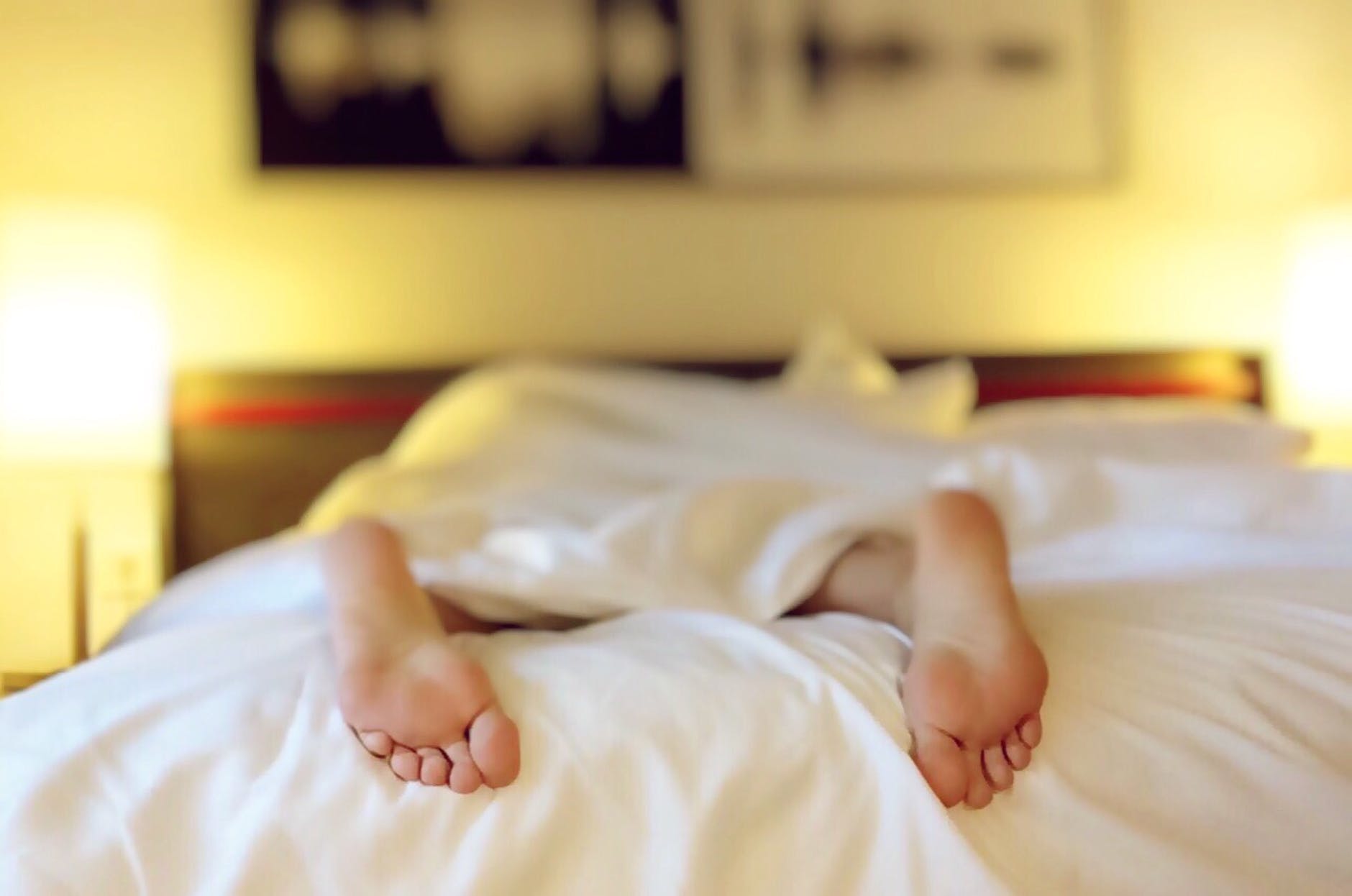
Yet even though we all have a schedule to stick to, cutting back on your sleep hours is never a good idea. Sleep really has fabulous benefits, and getting enough sleep is vitally important for your overall health and well-being. Sleeping well doesn’t just serve to look good: it keeps you healthy.
Discover six benefits of sleep for your happiness and health.
1. Sleep makes you look good
Sleep is perhaps the closest thing to a fountain of youth. During deep sleep, the brain secretes a growth hormone responsible for cell renewal and repair of damaged tissue. This growth hormone is only released at night and can work miracles for your skin. The skin cells themselves go into repair mode when you sleep. Their metabolism accelerates and they regenerate faster than at any other time of the day.
In addition to these freshly renewed and healthy cells, sleep also has the effect of increasing blood flow to your skin, which is why your cheeks are warm and pink when you sleep. Lack of sleep can make the skin dull or chalky.
Thanks to a good night’s sleep you will look naturally throughout the following day.
2. Sleep strengthens the immune system
Researchers are only confirming what your mom has always told you: when you’re sick, the best thing to do is stay in bed and sleep as much as possible. Sleep helps fight the flu and other similar conditions, because the body produces disease-fighting proteins called cytokines when you sleep. If you’re sick often, maybe you’re not getting enough sleep. To strengthen your immune defences, try going to bed earlier or napping during the day.
3. Sleep helps solve problems
When faced with a dilemma, a good night’s sleep can help make the right decision. Researchers have observed that sleep helps solve problems creatively, because it provides access to the mass of knowledge and memories stored in your brain. At rest, your brain looks for associations that are not obvious when you are awake. This makes it possible to imagine creative solutions to solve the most difficult problems using information you didn’t even know you had.
Sleep and stress are back-feeding. Stress can cause a lack of sleep and lack of sleep can generate stress. It’s a vicious circle that can be hard to get out of. But by managing your sleep well, you learn to fight stress too. Better quality sleep helps your body and mind recover, but you’ll also be less sensitive to stress if you’ve slept well. All challenges are easier to face after at least 6 hours of good sleep!
5. Sleep helps to lose weight
If you’re looking to get back on your ideal weight, a good nap can be as effective as a workout. A study published by the American Journal of Clinical Nutrition claims that people who sleep well burn more calories during the day than people who don’t get enough sleep. According to researchers at the University of Chicago, sleep promotes weight loss, and another study in the journal Obesity shows that tired people tend to consume more caloric foods.
6. Sleep is good for your social relationships
Sleeping well is not only good for your physical and mental well-being, it is also a way to keep healthy relationships. Lack of sleep makes us more irritable, less patient, and with less energy to devote to others. It also impacts our capacity for empathy, and prevents us from being sensitive to the emotions of our loved ones. In short, we are much more pleasant for others when we are well rested. A nap may not solve all your relationship problems, but sometimes all that’s missing is a few hours of sleep.
Do you know what are you going to do today? Are you bored sometimes on Sundays?
Here are some ideas that you could try out in your free time, or when you feel bored.
Have you ever thought about becoming a juggler? In addition to the development of concentration and the improvement of psychomotricity, juggling is very fun to learn. Once you master it, it is an activity that will entertain children, but not only. Then, who knows, it could become a second source of income.
Offer yourself a moment of relaxation. Whether you go to a specialized center or have someone come to your home, offer yourself a moment to relax. A massage with essential oils made by expert hands is a panacea for relaxation. You can call someone to your place, as I do when I want to get a pedicure. You could also organize a complete home ritual: scented bath, candles, and of course relaxing music.
Organize a movie night. Choose your favorite film, or one you would like to share with your friends, prepare some popcorn, something to drink and start watching the movie. At the end you can discuss it with your friends.
Participate in a festival. Look on your town’s online agenda to see if you find a dance, music, or theater festival. If you don’t find it nearby, then look for it in other places, maybe in one of those places that you wanted to visit for a long time. And if you do not find anything today, look for something to do next Sunday.
Plan a visit to a museum or exhibition. We usually are prepared to go more or less far to see an exhibition, forgetting about the treasures close to home. Search for the list of museums that are located in your area and book a guided tour with the one that interests you most. Of course, if you don’t like guided tour, you could also go on your own!






 Crisbie Coach