For about a year, we have been facing a health crisis that does not give us a break and actually begins to cause psychological effects.
If you feel tired and have little energy to do things, know that you are not alone.
Fatigue is one of the most common consequences of this pandemic. We are exhausted for several reasons. The disease directly causes one of them. Obviously, if you had the Covid, you have been more tired afterwards; it takes some time to recover from it and to get back into shape.
The World Health Organization (WHO) has defined “pandemic fatigue” the fatigue resulting from always being super attentive to the precautionary measures that we must comply with in order not to catch the virus.
More and more people suffer from nervousness, anxiety and feel pushed to the limit of their ability to bear the situation.
This state of hyper vigilance with Covid represents a constant strain of our hormonal and endocrine system which results in greater anxiety and, sometimes might turn into depression.
The economic situation and the uncertainty about the future we are living now are working our nerves out.
Photo by RD LH on Pixabay
In addition, you have to consider the deprivation of liberty caused by the lockdown.
Knowing that we are vulnerable to pandemic fatigue, we must put into practice measures that help us regain some well-being.
Here are 3 ideas that may help you out:
Normalize what you feel. It is normal for you to feel stressed or sad. These last months are even harder because we are in winter and we do not see the way out (during the 1st wave we had summer ahead).
Your well-being must become your priority. Just as you pay attention to wearing a mask, respecting safety distances and washing often your hands, you must take care of your well-being. Try to eat healthy, practise physical activity even at home, and talk to friends or beloved ones even if you cannot do it in person. If the rules in force allow it, go out, especially when it is sunny. Vitamin D is good not only for the body but also for the spirit. Find a hobby, or if you had one before, start doing it again.
Give your mind a break. Stop listening to the latest news on Covid. Take a break from the news. Give yourself permission to disconnect. If you miss the latest update on the contagion data, nothing will happen. When you talk to someone, try to avoid the Covid topic. It is not a matter of pretending nothing has happened, but simply of avoiding further fatigue.
“She asked me to put her in copy to all emails, even the most trivial ones. Sometimes she would knock on my office door to ask me if I was okay because I had spent a lot of time in the bathroom, when actually only five minutes have passed. She checked when I walked in and when I left my office to see how long I had been way. The pressure she exerted by checking every detail of my work was suffocating, more than exaggerated and above all counterproductive.”
This is just a testimony from an employee who used to work with a micro-manager. What exactly is micromanagement? It is a managerial practice through which the manager exercises exhaustive control of the actions, tasks, functions and responsibilities of the people subordinated to him / her at a hierarchical level.
This type of managers may also ask to see an email before it is sent, and they may want to be informed of all the decisions that employees need to take, because they think that their staff cannot take decisions. A micromanager combines impatience and distrust with absolute control of the tasks assigned to their subordinates.
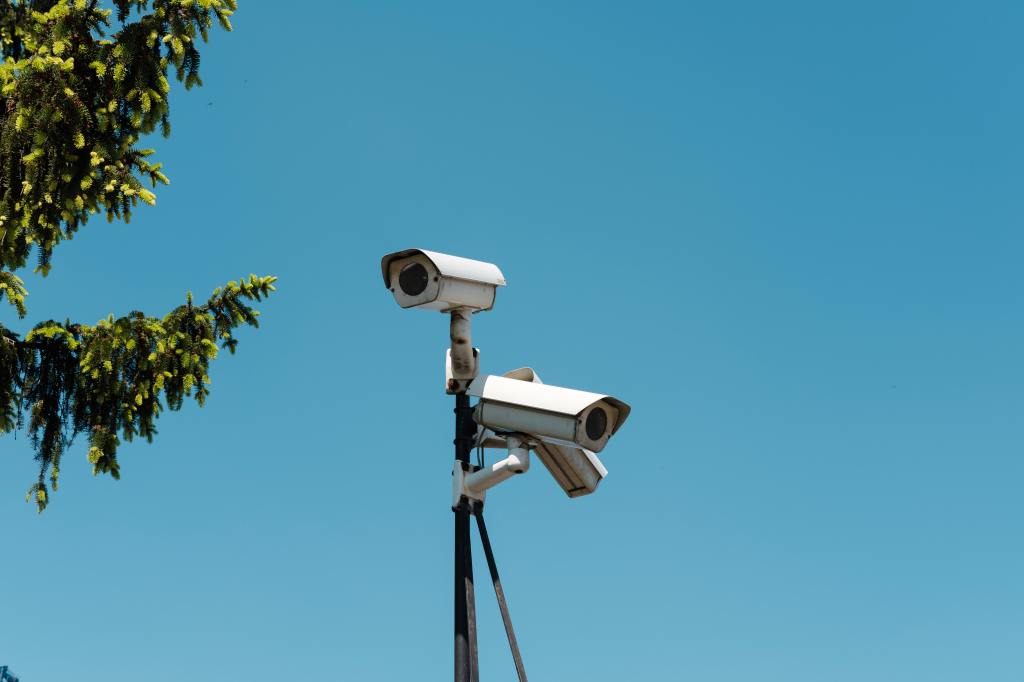
The situation look like the schemes used by the “Thought Police” to scrupulously monitor every moment of the characters in George Orwell’s “1984” novel. As in that book, the consequences of this practice of strict control on employees are devastating. The boss gains in peace of mind but staff suffer from it and are also less productive. Actually, this system creates bottlenecks that cause a slowdown in all activities. This type of manager wants to earn a good reputation and prevent a supervisor from blaming them that something was wrongly done.
Photo by Michal Jakubowski on Unsplash
But the worst part falls on the employees. Many times they do not know how to give priority, because the boss constantly changes their priorities based on the urgency that arrives, or because a superior asks him or her or it is the market requiring that. Employees lose creativity and self-esteem. A culture of fear is established, where everything is subject to the orders of the superior. This can lead to sickness absenteeism.
Apart from real psychosomatic diseases that can arise, psychological situations can also develop for which the person feels worthless, becomes smaller and smaller until they doubt their abilities. You begin to ask yourself: “Am I capable of doing it? ”,“ Am I in the wrong job? ”,“ Why do they control me like this, what have I done wrong? ”. And it can also happen that you quit your job, even if you have a good salary. When a situation cannot be changed or accepted, you have to leave it, and, in this case, you leave your job.
It is important to know that people do not quit jobs, they leave bosses.
But why do managers fall into this trap?
If micromanagement spoils the work environment, employees’ health, and it is harmful even to bosses who lose productivity and may lose also staff, why can’t this total and constant control be avoided? The bosses don’t have enough work to do?
Let’s see the possible causes.
First, managers themselves suffer pressure from the environment, be it from their own bosses, shareholders, markets or competition.
Second, incompetence. Either managers feel unsecure because their staff perform an excellent job compared to their own, or the employees are not suitable for that type of job.
The third cause is clear and straightforward: the boss’s obsessive personality making them unable to organize and manage the work.
Whatever the cause is, it is necessary to analyse what is happening in order to put an end to the situation as soon as possible. First, you should go to the human resources of your company. I have worked in human resources for over 10 years and have seen a lot of micromanagement.
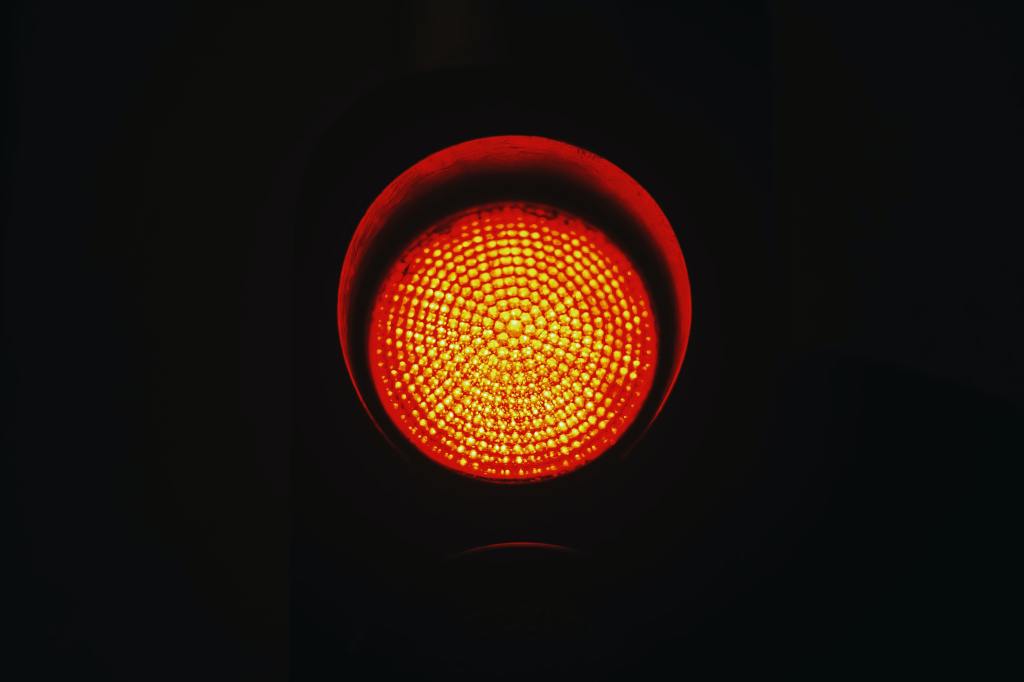
As an alternative, you could turn to your superior and ask them to implement one or more techniques, perhaps with the help of a coach. One technique could be that of the traffic light. Together with the boss, you define the admissible and acceptable control limits, that are not to be exceeded. If these limits should be overcome, some signals will be sent to the manager. When the manager receives them, they identify their behaviour and try to control it.
Another strategy is to define the profile of the boss and of each team members, analysing their personal, professional and communication style and characteristics. Once this “x-ray” is completed, the boss shall answer the following questions:
1. What leadership style they use with each employee;
2. What leadership style each employee would need;
3. Which leadership model they would like to use with the each employee.
By doing so, the boss can realize that the type of leadership they are using is in line with that person’s role, but it is not what that employee, due to his or her personality, needs. By adopting this paradigm shift, the boss begins to think not from their own point of view, but from that of the subordinate. While this strategy may sound like science fiction, with time and a willingness to change, success is assured.
I’m sure you use the word stress often throughout your day.
We all feel a little stressed due to the multiple commitments we have, pending deadlines, and lack of time to dedicate to ourselves.
The common denominator of all forms of stress is a feeling of malaise, fatigue, irritability that makes us more fragile with illness and less tolerant of others and of daily problems.
Actually stress is an adaptive response that has allowed our species to survive throughout its evolution.
Hans Seyle, the first theorist of stress, conceived it as an adaptive response that the body puts into force to overcome all the situations that its alarm systems deem dangerous.
The stress reaction is indeed characterized by the secretion of hormones such as cortisol and adrenaline which make the muscles stronger and the person more reactive. In this sense, stress has a value that is not only positive but also necessary for the survival of the species.
Primitive men had to face dangers that were of a short duration. While they were hunting, for example, they might encounter an animal and had to decide whether to run away or face it (have you ever heard of the “fight or flight” response?), but once they made up their mind and acted accordingly, they had plenty of time to recover.
Photo by Crawford Jolly on Unsplash
In the contemporary age, we too have this type of reaction when facing what, on a conscious or unconscious level, we perceive as dangerous (stressor). But today’s stressors are definitely different from those our ancestors faced. Modern stressors are psychosocial and no longer physical. It’s about the work environment, social relationships, financial worries, the huge amount of commitments we have and the limited time to complete them. Above all, these stressors are not momentary but can persist for a long time and consequently we need more time to recover.
Look at these signs that may indicate that stress is becoming a threat to your health:
What can you do concretely to combat stress, when the conditions in which you find yourself do not allow you to avoid it?
Physical activity, especially aerobic, such as brisk walking, swimming and cycling, is undoubtedly one of the best remedies for stress.
Breathing control, like getting used to using the diaphragm and slowing the respiratory rate, is another useful tool against stress.
Other activities may be: yoga, tai chi and meditation. In recent years, mindfulness has become popular. Mindfulness, by increasing the level of personal awareness, carries out an anti-stress action.
Obviously, a good massage that helps you increase the level of oxytocin, a hormone capable of counteracting cortisol, is certainly effective.
As regards food supplement, magnesium is the anti-stress mineral for excellence, also because we are chronically deficient. Remember that a supplement is such because it must be complementary to a healthy diet. Therefore, remember to eat well!
The pandemic has put us in front of an uncertain future and left us with negative emotions.
We have all experienced as children the disappointment of asking for something that was then denied. It could also happen that we started crying and this drove our parents crazy. They labelled this behaviour as a whim.
Actually, frustration is present in all stages of life and our success also depends a little on how we manage this typical human emotion.
A Zen master summarizes happiness in a simple formula: happiness is the reality that we live less than what we want or hope to achieve.
When what you want outweighs what you have, then you are faced with what Carl Gustav Jung used to say: “Life not lived is a disease from which you can die.”
In our society where competition and instant satisfaction prevail, frustration necessarily accompanies us more or less always, because as soon as we have satisfied a wish, another one comes.
This period of pandemic has made us move from unbridled consumerism to a culture of cancellation (cancellation of holidays, cancellation of dinners with friends, cancellation of medical appointments, etc.).
Has this sudden change affected your life? See if you have any of the symptoms listed below to understand if you have become a frustrated person:
you are often melancholic;
you experience increased irritability, tension and stress. Things that didn’t bother you before now make you jump up;
you have negative thoughts that come back all the time, stealing you energy and sometimes sleep;
you have increased consumption of alcohol and medicines taken without medical advice;
you want to run away.
Photo by Oscar Aguilar Elías on Unsplash
If you recognize yourself in one or two of these characteristics, then it means that frustration has taken over part of your life.
Here are some tips that will help you get through this moment:
cultivate patience. It may seem obvious, but it is very effective. As a child as well as an adult, frustration occurs when you don’t get what you want. If the parents don’t buy you the toy you want when you ask for it, but they tell you they will offer it to you over your birthday, that doesn’t make you feel better. In times of crisis, if we do not know when the situation that creates frustration will end (as now, which the spread of Covid has resumed in a rather important way) we could lose hope. Against this view, only a long-term perspective will help you. Although you don’t know how long the situation will last, knowing that there is light at the end of the tunnel helps you to live in the present moment.
analyse what you get from it. Just as energy is not created or destroyed, but it is transformed, even losses can bring you gains. If you could not leave for that trip you wanted so much, think that you have saved some money and as soon as you can leave again, you will have greater financial availability. If you have lost your job because the company where you used to work has closed down, you will be forced to evaluate other possibilities, to get back into the game and maybe you can start an independent business that you never would have thought of before and that finally it is worthy. To fight frustration you have to ask yourself: What do I gain from this loss?
think that everything changes. Nothing we have will last for ever. Even if we could satisfy all our wishes, it would always be a temporary satisfaction. If nothing remains as it is but everything changes, then the frustration loses its meaning.
The following thought is attributed to the painter Eugéne Delacroix: “Desire the best, avoid the worst and take what comes”. If you follow this motto, instead of holding on to expectations, you will take things as they happen. You will feel more in the flow of events, even chaotic, that life sometimes offers you.
I look forward August with impatience as for me it represents the top of summer time, that is my favourite period of the year. July prepares myself to August that comes full of expectations and good intentions.
However, at the end of the summer I find myself dealing with what I have actually achieved and I am not always happy with the results.
It happens that often my expectations are misaligned with reality and this causes me frustration and distress that reaches its top at the end of the summer. The idea of not having enjoyed the summer period as I wanted and the thought of the “going back to work” around the corner might turn the last days of vacation into moments of anxiety and suffering.
The August melancholy is known as “August Blues”, the boredom and the dissatisfaction that may become a real malaise of the season.
Therefore, this year I decided to anticipate it and I identified four suggestions so to avoid being overwhelmed by it:
spending time outdoors: natural light, fresh air and nature help psychophysical well-being and allow us to look at situation with more detachment and serenity;
thinking about the positive moments: we all have had for sure beautiful experiences that brought us some benefits, even though small ones. They will help us to add value to the time spent. Sometimes our mind plays with us and makes us not very objective;
scheduling your time: we are all different and there are people who can go back to work straight after their flight back home but there are others who need some time to recover from the shock of returning home from holidays. Listen to your needs and plan your time accordingly;
last but not least, show awareness: learning to recognize the first signs of your distress will help you to manage it better and to prevent it from overwhelming you.
Insomnia can have different causes: noisy surrounding environment, excess of light or lack of light, extreme heat or cold, intense rhythm of life that causes stress, anxiety and depression. Good sleep is the cornerstone of a healthy life, while insomnia can cause mental and physical health ailments and weaken the immune system.
Several studies have shown a positive effect of essential oils on sleep disorders. However, if you experience severe sleeping disorders that have a significant impact on any aspect of your well-being, seek professional help.
I have selected five essential oils that I use for myself and my family that I hope will be useful to you too.
Oils that prevent insomnia and calm the spirit by reducing anxiety:
Lavender: relaxes the muscles, has antidepressant, calming and balancing properties. I used it also when my son was little and found difficult to fall asleep.
Roman chamomile: powerful calming oil, helps to manage nervous and anguish crisis.
Bitter orange: calming, balancing, sedative, it allows to fight anxiety, anguish, restless sleep and night time awakenings.
Photo by Daiga Ellaby on Unsplash
Oils to calm muscle spasms responsible for agitation:
Marjoram: a very powerful anxiolytic, antispasmodic and sedative. In addition to providing a sedative and anti-inflammatory effect, it relieves stiff and painful joints.
Ravensara (Ravintsara): muscle relaxant. Complements and strengthens the marjoram and helps you fall asleep.
This is only a small selection based on my preferences. You can also try mandarin, neroli, hypericum, valerian and lemon scented geranium.
Photo by Brooke Lark on Unsplash
How to use them:
Aroma Diffuser: pour 20 to 25 drops of essential oil into an electric diffuser to avoid combustion and turn it on 5 minutes before going to bed.
Massage: pour 4 to 10 drops of essential oil into a vegetable oil such as argan or hemp. Massage the solar plexus before going to bed. If you have the chance, ask those who live with you to massage your feet, back, legs and belly.
Bath (for an adult): mix 5 to 10 drops of essential oil with unrefined coarse salt (a medium-sized glass) and add it to your bath water just before plunging in. Rest about 15 minutes in the tub and then go to bed. For children use only 5 drops.
Steam your pillow: spray some oil a few times on your pillow before going to sleep.
Avoid noise and light in your room. Deep darkness is optimal for a deep sleep. Keep the temperature between 18 and 19 degrees C, before going to bed open the window for 5 minutes and eliminate allergens (cat or dog hair, dust, pollen, etc.).
In the evening, eliminate exciting drinks like coffee, tea, carbonated drinks and alcohol. Eat light food and do not go to bed immediately after eating, even if you are very tired. Beware if you miss vitamin B, calcium and magnesium as it may be the cause which can cause sleep disorders.
Avoid spending many hours in front of a screen (both computer and television) before going to sleep. Of course, you should also avoid having a television in the room.
Emotions
Anxiety and adaptation to change are two enemies of sleep. Read, drink a herbal tea, meditate. Plan a 30 minute relaxation time to at least calm your spirit and body before going to bed.
Sleep Cycle
Respect your schedules and habits as much as possible so as not to upset your biological clock. Always try to eat and go to bed at the same time. If you suffer from insomnia do not take an afternoon nap because you risk changing your sleeping pattern.
A few days ago, listening to the news updating on the Covid-19 outbreak in Belgium, I heard that they were talking about the Cabin Fever. Since what they were saying sounded familiar to me, I decided to do some research. Having spent 9 weeks at home, without going to work and without seeing people other than my family, I must admit that I also felt something strange. I don’t feel like going back to a so-called normal life (then I should also know what it is the meaning of this normal life and see if I like it).
Actually, I don’t want to go back to work, I mean to my office premises, as I have been tele-working very well since the beginning of the crisis. It wasn’t clear to me why, so I decided to try to find it out and I drove nearby my office place. I found out with great relief that I did not feel anything in particular, neither stress nor anxiety, or fear.
However, this did not change my wish to continue teleworking.
The Cabin Fever is a syndrome that you may develop as a reaction to being isolated or confined for an extended period of time. It is not a real mental disorder, but it is associated with a particular condition linked to a long period of being lockdown, such as a disease, or a pathological condition, or in the case that we have been just experiencing, with the Coronavirus pandemic. We can feel anxiety, insecurity, fear of the future and of those we don’t know. You don’t want to leave your own place and only there you feel safe.
This syndrome, first described in the early twentieth century, is not fully recognised at a scientific level because there are not enough literature and case studies. At the time, they referred to people who, for example, worked in the high mountains and spent a lot of time within their home. It was discovered that these people found it difficult to go out, because they felt that they could not control the external space. This may also happen to prisoners when they go out of prison (that is why it is also called prisoner syndrome). You may feel infinitely small in front of a big world, out of your reach.
What to do then?
We spent about two months locked in our apartment or house, worried about the spread of the virus, fearing of ourselves getting sick, fearing that one of our loved ones would get sick and fearing of losing our job.
The media have also played a bit with our fears: put on the mask when you go out (but there were no masks available), don’t touch anything when you’re out if you don’t have disposable gloves (also unavailable on the market), above all do not touch your face (do you know how many times are we tempted to touch our face in an hour? On average 60 times, that is once a minute. Try to pay attention to it). It doesn’t matter then if on the street you see people wearing the mask in an absolutely inappropriate way which could also be more harmful than useful (wearing the mask around the neck, putting it on and taking it off maybe with unwashed hands, leaving the nose uncovered – I know it is difficult to breathe with something on your nose and mouth).
And now that, all of a sudden, they tell us that we can get out, we wonder if the danger has really passed. Our mind is still focused on everything that has just happened and it is normal to think that there may be a situation of danger and / or insecurity outside (think only if you have to use public transport for example).
Now, however, it is time to plan the future, calmly. Did you appreciate the quietness found during the time spent at home? I have appreciated it very much and I would like teleworking from home to become a regular working pattern. I wish that we could choose to stay at home to tele-work (it is obvious that it is not a possible option for all types of job, but big companies like Twitter have already adopted this policy and have decided that only those who want will go back to their office). I list only some of the advantages that this choice entails: your ecological footprint will decrease, your quality of life will improve because you find yourself with “freed” time, for example from avoiding the journey home-work-home. This time could be dedicated to your well-being.
Then you can arrange a meeting with some (a few) friends and pay a visit to your family (though without being able to hug each other yet).
A few days ago it has been announced that from June 3 we can return to Italy without having to spend 14 days in quarantine. So, we can start planning vacations. You could start too.
What you shouldn’t do is listening obsessively and compulsively (transforming or even adding obsessive-compulsive disorder – OCD – to the Cabin Fever) the continuous updates on new infections, number of deaths, and the news coming from other continents. Don’t watch catastrophic movies, they don’t help you but rather will increase your anxiety. Then, try to think positive, because as the law of attraction teaches you, if you think negative then what happens to you will be negative. Also be aware that most of the bad things you think won’t happen, and that’s statistics.
Above all, try to be courageous, patient and safe: step by step the world will start to turn again, more or less well, but I hope better than before.
However, if you experience a sense of terrible anxiety, a malaise that paralyses you and you feel like being surrounded by flames, or by monsters, or by dangerous animals, you should go to a professional, such as a psychologist for example, if you don’t want this syndrome to turn into post-traumatic stress disorder (PTSD).
Do you feel the need to relax but don’t know which relaxation method to choose? Here are some of my favourite ones! You have to just choose the one that inspires you the most.
Method 1: mindful breathing. Obviously it is not our normal way of breathing, which consists of inhaling and exhaling without even realizing it. It is a conscious breathing, to which you have to pay attention.
How does it work? Sit where you want, on the floor, on a chair, on the sofa. Begin to inhale through your nose by inflating your belly. Slowly breathe out through your mouth, emptying your belly (it’s also a good exercise for your abs). Just focus on the air flow that passes through your body. You will see that your breathing slows down and your body slowly relaxes. The ideal would be to practice this type of breathing at least three times a day. You can do it everywhere, you always breath, you only need to do it mindfully. One minute of deep, conscious breathing will help you to relax.
Method 2: meditation. I am not referring here to transcendental meditation, but to meditation in full consciousness (mindfulness), accessible and easy to apply. Meditation helps you take care of yourself and your mind, allowing you to be aware of the “here and now”, moving away from stress and problems.
How does it work? Close your eyes and concentrate on the sensation of the air going in and coming out from your nostrils. Try not to be distracted, and every time you notice that your mind is wandering, focus back your attention on the breath. A meditation session can last a few minutes for beginners and hours for the more experienced. If you are a super technological type, you can try apps that guide and follow you during your meditation journey. It would be ideal practising this type of meditation a few minutes several times a day.
Method 3: massage Massage eliminates tension and provides a feeling of serenity and super pleasant well-being. So if you have the chance, get a massage. Your stress will disappear. If you don’t find anyone among your family or friends that can massage you (in these confinement times you cannot go to a wellness centre), you can take massage devices, which you can use for the neck, feet, back or head. There are also armchairs that do massages and even a mask that gently massages your eyes and makes you look and feel perfectly rested! A simple solution for the feet could be crushing and rolling tennis balls. It is almost like having a reflexology session. Give it a try!
Method 4: Yoga and Pilates They are two similar disciplines and are both helpful for your physical and mental health. While Yoga focuses on the physical and mental connection, Pilates is more similar to a sport that, however, makes us use deeply the muscles of our body.
Method 5: aromatherapy Aromatherapy uses the aromatic essence of plants to prevent, cure or relax. In the latter case, you can use an essential oil diffuser that allows the atomization of the oils and their diffusion in the home environment.
What oils can you use to relax? Here are some that I like very much:
Lavender essential oil: it has sedative and calming properties and allows relaxation.
Neroli essential oil: it reduces stress and fights insomnia and tension.
Marjoram essential oil: it regulates emotions and protects you from fears.
Grapefruit essential oil: it combats stress and helps you resolve doubts.
Mandarin essential oil: it is relaxing and sedative.
Scots pine essential oil: it helps you control emotions.
Here are my favourite relaxation methods. Choose the one you like most and, if you like, let me know. You can even choose more than one because taking care of yourself is the best thing you can do!
Today we speak a lot about Mindfulness. Do we really know what it is and why it is useful?
Let’s start with a small definition. Mindfulness is a mental training that makes you aware of your actions and bring focus on what you are doing in the present moment. It is a concept taken from Buddhism but it has lost the religious component and it is not limited to meditation, though meditation is part of Mindfulness.
Today’s life is sometime difficult and often very busy. We find ourselves more and more exhausted and breathless. Our mind is forced to focus on several tasks at the same time (the so called multitasking), at the expenses of our mental and physical well-being.
Practising Mindfulness helps us for sure with finding a bit of quietness and copying with events’ life differently, both in the work environment and at personal level. Mindfulness helps us with finding our own human and spiritual intimacy.
Practising regularly Mindfulness has a positive effect on stress and anxiety and it also helps us in developing useful mental skills that build capacity for:
Focus
Mental Clarity and Agility
Collaboration
Creativity and Innovation
Emotional Intelligence
Empathy and Compassion
Resilience
Happiness
Overall Well-Being.
Try a simple exercise: eat slowly a fruit, trying to taste it fully, to understand the consistency and find out the feelings it gives you. If you eat like that once a day, you will be on the good path for being mindful!
Spring brings back light. The short winter days are now a memory. It is the perfect time to recharge your batteries and repair your body, your spirit and your soul. Find your energy to get a good start.
Spring is the season of renewal. Every spring day is a new departure. Each morning represents a new chance to reach your goals and follow your dreams.
To get the best out of this spring spirit, here are 5 tips to regain your well-being.
1.Take care of yourself and adopt a healthy sleep pattern. Sleep is essential for physical and mental well-being, specialists recommend sleeping between 7 and 9 hours per night. Feeling rested after a good night’s sleep allows you to better manage your energy during the day.
Tips: Plan your day the night before. In the evening, do restful activities. Create an environment favourable to rest by eliminating strong light and screens (TV, computer but also mobile phone) in your room. Practise yoga or meditation exercises.
2. Energy is on the plate. Breakfast is the most important meal of the day. With it, you establish the blood sugar level, avoid the cravings during the morning and give your body the energy it needs to function. Beware of some foods that could be counterproductive. Too sweet food gives you an immediate energy boost but, when over, they will leave you more tired than before.
Tips: Avoid sugars and caffeine in excess and favour food that makes you feel full, such as bananas or apples. Drink large quantities of green tea (which also helps weight loss and prevents cells aging). Buy fresh fruit and vegetables and try to eat less refined food (whole grains would be great). Make the menu of your week and fill up the fridge to avoid coming home hungry and having nothing to eat. By doing so, you will eat what you have and will not order food to be delivered at home. Establish a regular daily meal pattern. Have you ever thought about learning to cook?
3. Meditation is useful for your well-being. We live at high speed. Sometimes this rhythm of life prevents us from fully living the things we do and focusing on them. Many activities can help us take better advantage of the present moment and meditation is at the top of the list. Before going to work, focusing on the rhythm of breathing (inhale / exhale) can help you face the day more calmly. Meditation has beneficial effects on the brain and the general well-being.
Tips: Meditate every day at the same time: wake up your senses by disconnecting yourself for a few minutes. You do not have time? Try meditating in the shower or while you are on the bus or on the metro! It is enough to breathe with awareness. Relax while remaining alert. Follow your cat’s example, if you have one. But don’t meditate while driving!
4. Move to reduce your fatigue. Even if this statement may seem contradictory, sport is the best way to lighten your spiri up, remove your anxiety and regain your energy. Physical activity can stimulate the mitochondria, which are the generators of the body’s energy. So what are you waiting for? Put your sneakers on!
Tips: Walk at least 10,000 steps a day (I know, they are a lot). Try the sun salutation, a sequence of yoga positions that helps you release endorphins in the blood and then help you be in a good mood and spirit and energised. Practise yoga, Pilates, take a bike ride or a walk with your colleagues. Walk with awareness, focusing on each one of your steps and trying to feel the contact with the ground from the top of your heels to the tip of your toes.
5. More balance for more energy We often overlook the importance of emotional balance in everyday life. The harmony of the senses can help us feel better and improve our relationships with others. Pay attention to your emotions and learn to manage them. Do not prevent yourself from expressing them, in the appropriate ways and occasions, of course, otherwise you risk that they would become too intense and then you will no longer take control over them. Take full advantage of positive emotions and try to accept your feelings in moments of sadness or distress. Emotions have their reason for being: they are the ones who determine our actions.
Tips: Try looking at things from a broader perspective: everything in life is useful, even if it does not seem like that. Try not reacting immediately, breathe deeply and remind yourself that it will go away. If you really have to take a position, count up to ten before speaking. Set goals regularly to get the best out of yourself by living again your feelings or thoughts.











 Crisbie Coach