The Trap Of High Expectations

Our brain does not like uncertainty. We are programmed for survival but we cannot move on if what surrounds us is not clear. To reduce the uncomfortable feeling that a lack of certainty generates, we create expectations. However, relying on our expectations does not always help us feel better. Our expectations affect us more than we imagine. They affect our learning, our perception, and how we treat those around us.

Our expectations can become a source of frustration. For example, you definitely want to see a movie because you have heard great comments about it but after watching it you find out that you actually did not like it that much, so you feel disappointed. If you go to eat in a famous restaurant, then the food does not seem to you so well prepared, you are disappointed (and you may have spent a fortune).

Expectations are said to be anticipated resentments, because when reality does not match your expectations it causes you frustration.

In marketing, customer satisfaction is defined as the result of perception minus expectation. The higher the expectation, the higher you will have to set the bar of experiences or relationships in order to be satisfied. This is an unconscious mechanism, but there are ways to act on your way of thinking, so that it could play in your favour.

Let’s see how they can help you in the context of the current pandemic.

1. Trust that soon the pandemic will end, thanks to the progress of vaccination. Do not get obsessed by setting an end date though. Now in Europe they are talking about mid-July, but can how you be sure? Do not let your happiness depend on the end of Covid.

2. Replace expectations with gratitude. Be grateful that you did not get sick, that you have a house to live in, that someone loves you. Look at the little details of your daily life and you will surely find something to be grateful for.

Living without so many expectations is easier because you value what happens to you in that moment without being influenced by the idea you created before. This does not mean abandoning your dreams or desires. You must keep them as a beacon that guides you in the decisions about your future, but you shall not make your happiness depend on external factors that are beyond your control.

Can you let go any of your expectations?

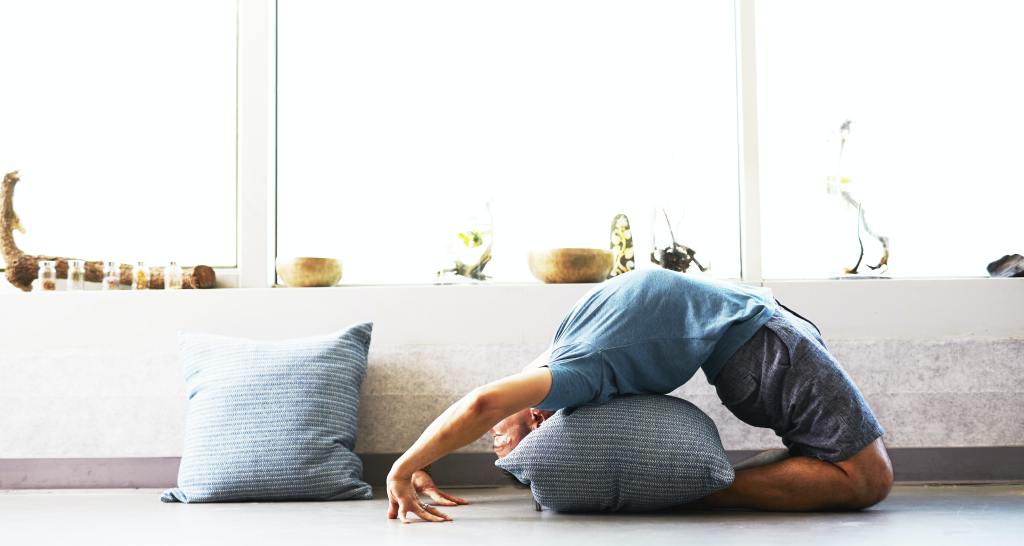
Photo by Cortney Corlew on Unsplash

La trappola delle grandi aspettative

Al nostro cervello non piace l’incertezza. Siamo programmati per la sopravvivenza però non sappiamo muoverci se quello che ci circonda non è chiaro. Per ridurre la sensazione scomoda che genera la mancanza di certezza, ci creiamo delle aspettative. Tuttavia, basarci sulle nostre aspettative, non sempre ci aiuta a sentirci meglio.

Le nostre aspettative ci condizionano più di quanto immaginiamo. Influiscono sul nostro apprendimento, su come percepiamo la realtá e su come trattiamo chi ci sta vicino.

Le nostre aspettative possono diventare fonte di frustrazione. Per esempio, vuoi assolutamente vedere un film perché ne hai sentito parlare benissimo ma dopo averlo visto scopri che in realtà a te non è piaciuto tanto, quindi ti senti deluso/a. Se vai a mangiare in un ristorante stellato, poi il cibo non ti sembra tanto ben preparato, ci rimani male (e potresti aver speso una fortuna).

Si dice che le aspettative sono risentimenti anticipati, perché quando la realtà non corrisponde a quello che ci aspettavamo ci provoca frustrazione.

In marketing si definisce la soddisfazione del cliente come il risultato della percezione meno l’aspettativa. Quanto più alta è l’aspettativa, tanto più alta dovrá essere posta la barra delle esperienze o delle relazioni per poterci ritenere soddisfatti. Questo è un meccanismo inconscio. Tuttavia, ci sono alcuni modi per agire sul nostro modo di pensare, affinché giochi a nostro favore.

Vediamo quali sono e come possono esserti utili nel contesto dell’attuale pandemia.

  1. Abbi fiducia : la pandemia presto finirà, grazie all’avanzamento delle vaccinazioni. Non farti ossessionare però immaginando una data finale. Ora si parla di metà luglio, ma puoi esserne certo? Non lasciare che la tua felicità dipenda dalla fine del Covid.
  2. Sostituisci le aspettative con la gratitudine. Ringrazia che non ti sei ammalato/a, che hai una casa dove abitare, che qualcuno ti vuole bene. Guarda i piccoli dettagli della tua vita quotidiana e troverai sicuramente qualcosa per cui essere grato/a.

Vivere senza tante aspettative è più facile perché dai più valore a ciò che ti succede senza essere influenzato/a dall’idea che ti sei creato prima. Questo non significa abbandonare i tuoi sogni o desideri. Li devi tenere come un faro che ti guida nelle decisioni sul tuo futuro. Tuttavia, cerca di non far dipendere la tua felicità da fattori esterni che non puoi controllare.

Tu pensi di poter abbandonare parte delle tue aspettative?

Photo by Courtney Corlew on Unsplash

Buona Pasqua!

Ho visto, a Pasqua, sbarcare
dall’uovo di cioccolato
un pulcino marziano.
Di certo il comandante
di quell’uovo volante
di zucchero e cacao
con la zampa ha fatto ciao.
E il gatto, per la sorpresa,
non ha detto neanche: “Miao”
(Gianni Rodari)

Cristiana

10 Ideas For Spending Your Holidays At Home.

In this period of mobility restrictions caused by the pandemic, the time when we could travel freely seems a long ago. Last year for Easter, I had planned a trip to Berlin and I would not have expected to cancel it. This year too, I would have liked to leave for the Easter break, but the virus is still among us and it is better to stay where we are.

Covid has changed many aspects of our life and going on vacation is one of them. It is obvious that going on vacation is very important for physical and mental health. You should think about taking rest periods even without being able to travel.

When we work we look forward to the weekend but it is not long enough to fully recharge ourselves. To be able to really disconnect from work we need more time.

Holidays are a period of time that we need, we need it as well as sleep, eat, drink, in short, they are a necessity. If we want to stay healthy, we have to take vacations.

Waiting for the pandemic to pass and then taking a long vacation is not a good idea. It is better to take shorter vacations but more often.

Of course, we cannot travel now, it is strongly discouraged, but this does not mean that a period of rest at home or close to your place, depending on what you can do in the country where you live, will do some good. Holidays allow us to recover and when we come back, we often feel better, full of energy and even more creative.

Photo by Wee Lee on Unsplash

It does not matter where you go on vacation. The main thing is that you can rest and put aside your daily worries. Choose what to do, with whom and when to do it. Not everyone likes travelling. Some like to have time to read more, do more physical activity, spend time outdoors. Others like to take small hikes, without straying too far from home. Some people enjoy long trips, some other like only short ones.

With the health crisis, many of us had their vacations at home. Let us see the positive aspects of it: definitely less pollution, you saved some money and also the stress of travelling.

However, there are people who do not like being at home. They do not know what to do, they get bored, they do not want to tidy up the house (but for this one could call someone to help), and the children (when they are there) need care and attention. They have to think about many things, as if they were working. On the other hand, they may simply want to change air and get to know new places, or return to places they have loved before.

If, however, you are forced to stay at home due to travel restrictions, take some days off and try to take advantage of your free time anyway, as doing so will make you feel better. Moreover, think that the pandemic will be hopefully over soon.

If you find yourself in the position of having to stay at home during your holidays, try these tips:

1. Don’t read professional emails;

2. Do little housework;

3. Establish rules and times for being at the computer or television (both for you and your children, if you have any);

4. Look for new places to discover in your neighbourhood;

5. Spend time in nature because nature is a source of energy;

6. Make a list of what you would normally do on vacation, eliminating the things you cannot do due to anti-Covid rules. For example, in Belgium, where I live, you can ride a bike, but you cannot go to a restaurant;

7. Organize a movie marathon with friends and discuss with them to find out which ones you all liked the most;

8. You can do the same thing with a book. Choose with your friends a book you all would like to read. When finished, you gather together (on-line if not possible a real gathering together) to comment on it;

9. Why do not you sign up for an online course to learn new things? There are many possibilities even for free!

10. Indulge yourself with little vices: buy some chocolate (soon it will be Easter, the best moment to buy it), a good bottle of wine, or have a three-course meal delivered.

What kind of vacation do you like? Do you prefer to travel far away or stay closer?

Photo by Emma Simpson on Unsplash

10 idee per passare le vacanze a casa

In questo periodo di restrizioni alla mobilità causate dalla pandemia, ci sembra così lontano il tempo in cui si poteva viaggiare liberamente.

L’anno scorso per Pasqua avevo programmato un viaggio a Berlino e non mi sarei aspettata di doverlo annullare. Anche quest’anno avrei voluto fare un viaggetto per le vacanze di Pasqua, ma il virus è ancora tra di noi e ci dicono che è meglio non muoversi.

Il Covid ha cambiato molti aspetti della nostra vita e andare in vacanza è uno di questi.

È ovvio che andare in vacanza é molto importante per la salute fisica e mentale. Dovresti pensare a prendere dei periodi di riposo anche senza poter viaggiare.

Quando si lavora aspettiamo il weekend con impazienza ma non è abbastanza lungo per poter ricaricare completamente le batterie. Per poter staccare dal lavoro abbiamo bisogno di più tempo.

Le vacanze sono un periodo di tempo del quale abbiamo bisogno, ne abbiamo bisogno come di dormire, mangiare, bere, insomma sono una necessità. Se vogliamo restare in buona salute dobbiamo prenderci delle ferie.

Aspettare che passi la pandemia per poi prendere un lungo periodo di vacanza, non è una buona idea. È meglio fare delle ferie più brevi ma più spesso.

Certo adesso non possiamo viaggiare, è fortemente sconsigliato, ma ciò non significa che un periodo di riposo a casa o vicino a casa, dipende da quello che puoi fare nel luogo dove abiti, ci possa fare bene. Le ferie ci consentono di recuperare e al rientro spesso ci sentiamo meglio, pieni di energia e persino più creativi.

Photo by Wee Lee on Unsplash

Non importa dove vai in vacanza. La cosa principale è che tu ti possa riposare e mettere da parte le preoccupazioni quotidiane. Scegli cosa fare, con chi e quando farlo. Non a tutti piace viaggiare. Ad alcuni piace avere il tempo per leggere di più, fare più attività fisica, passare del tempo all’aperto. Ad altri piace fare delle piccole escursioni, senza allontanarsi troppo da casa. Ad altri ancora, invece, piace fare viaggi lungi, mentre ci sono persone a cui piacciono solo viaggi brevi.

Con la crisi sanitaria, molti di noi hanno dovuto passare le vacanze a casa. Ci sono alcuni aspetti positivi: meno inquinamento ambientale, sicuramente hai speso meno soldi e ti sei risparmiato lo stress del viaggio.

Tuttavia, ci sono persone alle quali non piace stare a casa. Non sanno cosa fare, si annoiano, non hanno voglia di riordinare casa (ma per questo si potrebbe chiamare un’agenzia di pulizie), i tuoi figli (se ne hai) fanno confusione, insomma devi pensare a tante cose, come se stessi lavorando. Oppure semplicemente hanno voglia di cambiare aria e conoscere posti nuovi, o ritornare in posti che hanno amato.

Se, però, sei obbligato a restare a casa a causa delle restrizioni di viaggio, prendi dei giorni di ferie e cerca di approfittare comunque del tempo libero, perché così facendo starai meglio. E pensa che, prima o poi, questa pandemia finirà.

Se ti trovi nelle condizioni di dover restare a casa, prova a seguire questi consigli:

  1. Non leggere le email professionali;
  2. Riduci al minimo i compiti casalinghi;
  3. Stabilisci delle regole e dei tempi per stare al computer o alla televisione (sia per te che i tuoi figli, se ne hai);
  4. Cerca dei posti nuovi da scoprire nelle vicinanze della tua abitazione;
  5. Passa del tempo in mezzo alla natura perché la natura è fonte di energia;
  6. Fai una lista di quello che faresti in vacanza normalmente, eliminando le cose che non puoi fare a causa delle regole anti-Covid. Ad esempio, in Belgio, dove abito, puoi andare in bicicletta ma non al ristorante;
  7. Organizza con amici una maratona di film e discuti con loro per scoprire quelli che sono piaciuti di più;
  8. La stessa cosa la puoi fare con un libro: tu e i tuoi amici scegliete un libro da leggere poi vi ritrovate (on-line se non é possibile diversamente) per commentarlo;
  9. Perché non iscriverti a un corso on-line per imparare qualcosa di nuovo? Ci sono tante possibilità anche gratuite!
  10. Concediti dei piccoli vizi: compra della cioccolata (tra un po’ é Pasqua, quale momento migliore?), una buona bottiglia di vino, oppure fatti consegnare un pasto di tre portate.

Tu che tipo di vacanziere sei? Preferisci viaggiare lontano o restare vicino?

Photo by Emma Simpson on Unsplash

How To Use the Pareto’s Principle

Towards the end of the 19th century, a group of economists from the University of Lausanne in Switzerland studied the social inequalities in Europe. Analysing the tax data of several European countries, they found out that in each of them about 20% of the population owned 80% of the wealth.

This discovery was a real springboard for the career of an economist, Vilfredo Pareto, who gave his name to a principle, the Pareto principle, also known as the law of 20-80.

Some examples of the application of this principle:

• to optimize production, some industries in Japan focus on 20% of the causes that generate 80% of production problems;

• customer services of most companies focus on 20% of customers who generate 80% of turnover;

• finance professionals agree that 20% of their investments represent 80% of the benefits.

What does this principle make us understand? The message of Pareto’s principle is that we need to focus on 20% of the actions that lead us to 80% of the results.

Photo by Austin Distel on Unsplash

In practice, we must focus on high value-added actions because they are the ones that make us move forward.

This principle is very important because it deals with a precious resource: time.

To avoid being stuck on a goal and slowly losing sight of it, it would be beneficial to use this perspective (20-80).

However, how can we identify what are the essential things to our goal? Moreover, how to choose high valuable actions?

Try to answer these two questions for each action you have planned but are hesitating to take:

1. Is this action vital in moving me towards my goal?

2. Am I the only one who can do this action?

The first question allows you to separate essential actions from those that can wait.

The second allows you to identify what are the actions that others can do in your place and that, therefore, you can delegate.

Once this is done, you will know 20% of the actions you need to take to advance towards achieving your goal.

Photo by Nick Fewings on Unsplash

Now you could estimate the time required for each action but it is not ideal, because you would end up putting it on your “to-do-list” and you could continue to shift the priority order. Therefore, in the end you would have wasted some time.

Once again you have to ask yourself some questions:

1. What problems are stopping you from really moving forward with your goals?

2. What do you need to do to solve these problems?

3. What are the elements that allow you to understand if the problems have been solved?

You will be surprised to see how well these questions work. The 20-80 rule allows you to focus on actions that have a visible and direct impact. You will see that they will soon become a habit to you, and that you will use them every time you feel stuck with something.

Do you think that the Pareto’s principle is useful for progressing with your goals?

Photo by Lindsay Henwood on Unsplash

Come progredire verso il tuo obiettivo

Verso la fine del XIX secolo, un gruppo di economisti dell’Università di Losanna in Svizzera studiano le diseguaglianze sociali in Europa. Analizzando i dati fiscali di diversi paesi europei scoprono che in ciascun paese circa il 20% della popolazione possiede l’80% della ricchezza.

Questa scoperta fu un vero trampolino di lancio per la carriera di un’economista, Vilfredo Pareto, che ha dato il nome a un principio, il principio di Pareto appunto, conosciuta anche come la legge dell’20-80.

Alcuni esempi dell’applicazione di questa legge:

  • per ottimizzare la produzione alcune industrie in Giappone si focalizzano sul 20% delle cause che generano l’80% dei problemi di produzione;
  • i servizi clientela della maggior parte delle imprese si concentrano sul 20% dei clienti che generano l’80% del fatturato;
  • i professionisti delle finanze sono d’accordo nel dire che il 20% dei loro investimenti rappresentano l’80% dei guadagni.

Cosa ci fa capire questa legge? Il messaggio della legge di Pareto è che ci si deve concentrare sul 20% delle cose che ci porta all’80% dei risultati.

Photo by Austin Distel on Unsplash

In pratica, ci si deve concentrare sulle azioni ad alto valore aggiunto perché sono quelle che ci fanno avanzare.

Questa legge è molto importante perché ha a che fare con una risorsa preziosa: il tempo.

Per evitare di bloccarci su un obiettivo e piano piano perderlo di vista, sarebbe veramente importante utilizzare questa prospettiva (20-80).

Ma come fare ad individuare quali sono le cose essenziali al nostro obiettivo? E come scegliere le azioni a forte valore aggiunto?

Cerca di rispondere a queste due domande per ciascuna azione che hai previsto ma che esiti a realizzare:

  1. questa azione è vitale per farmi avanzare verso il mio obiettivo?
  2. sono l’unico/a a poter fare questa azione?

La prima domanda ti permette di separare le azioni essenziali da quelle che possono aspettare.

La seconda ti permette di individuare quali sono le azioni che altri possono fare al tuo posto e che, quindi, puoi delegare.

Una volta fatto questo, avrai scoperto il 20% delle azioni che devi portare avanti per raggiungere il tuo obiettivo.

Photo by Nick Fewings on Unsplash

Ora potresti fare una stima del tempo necessario per ciascuna azione ma non è il metodo migliore, perché finiresti per metterlo nella tua “to-do-list” e potresti continuare a spostare l’ordine di priorità. Quindi, alla fine avresti perso del tempo.

 Ancora una volta devi farti delle domande:

  1. Quali problemi ti impediscono di raggiungere davvero con i tuoi obiettivi?
  2. Cosa devi fare per risolvere questi problemi?
  3. Quali sono gli elementi che ti permettono di capire se i problemi sono stati risolti?

Sarai sorpreso/a di vedere come funzionano bene queste domande. Vedrai che presto diventeranno un’abitudine, te le porrai tutte le volte che ti senti bloccato/a con qualcosa, perché la regola del 20-80 ti permette di concentrarti sulle azioni che hanno un impatto visibile e diretto.

Pensi che la legge di Pareto sia utile per raggiungere i tuoi obiettivi?

Photo by Lindsay Henwood on Unsplash

How to Overcome Difficulties with the Ganbatte

The Japanese people have an incredible ability to recover from catastrophes of any kind. After World War II that left the country in ruins, in just thirty years Japan became the second largest economy in the world, becoming leaders in the electronics sector in the eighties and nineties. How could the Japanese economic miracle happen? The answer has to do with an expression that we should use too: “ganbatte” which means “try your best”.

Here lies one of the differences between the fragility of the Western culture and the resilience of Japanese culture: how they deal with crisis’ situations.

In Japan, when they have to take an exam, they say “Ganbatte kudasai“, which is the best way to tell others to do their best. In this case, there is no external factor on which the outcome of your exam depends on. According to the Japanese, if you try your best, you will get a result, which even if not the best ever, it will be the best for you, because it represents your maximum effort.

Another Japanese saying, also very useful to all of us, is: “if you want to warm a rock, sit over it for a hundred years”, which means that to overcome great difficulties you need to be patient. However, this doesn’t mean sitting down and waiting for circumstances to change, it means actually working to create new situations and opportunities.

The “ganbatte” is present in the individual and collective activities of the Japanese, and it is very much linked to the Ikigai, that is simply the priority around which everything else (often unconsciously) turns.

In 1995, when the disastrous earthquake happened in Kobe causing enormous damages, the slogan that circulated in Japan was: Ganbaro Kobe. The meaning of the message was: strength and courage from all of us; united and with efforts we will get out of this situation.

Later on, in 2011, on the occasion of another great earthquake that caused the nuclear catastrophe in Fukushima, the slogan that encouraged all Japanese was: Ganbaru Nippon! This encouraged all Japanese to join in the collective effort to help all those involved in the catastrophe. A collective effort was required, and this spirit manifested heroically when retired workers from the nuclear power plant, volunteered to control it. The reason presented by those people was that it was better for the radiation to affect people who had already lived a good part of their lives rather than young people with a future ahead.

A good lesson for all of us in these difficult times. We could try to do as the Japanese do by following these four practical tips.

  1. Do and not complain. Don’t complain with your arms crossed: do something. Value your actions, even if they seem of little importance to you, in reality everything you do is important. As the Kaizen philosophy says, modest but continuous progress ends up in a great transformation.
  2. Hope instead of despair. An attitude of hope focused on day after day rather than on “when this will end” helps to keep morale high.
  3. Don’t waste energy. Don’t venture into endless arguments, which get you nowhere. It is necessary to keep all your strengths (mental and physical) to keep moving forward.
  4. Seek the company of enthusiastic people. We are friends by affinity. This does not, however, exclude that we can surround ourselves with people with a ganbatte spirit, who strive to improve rather than seeing only the negative side.

Do you think ganbatte can help you with facing difficult situations?

Photo by Clément Falize on Unsplah

Come superare le difficoltá con il ganbatte

I giapponesi hanno una capacità incredibile di recuperare di fronte alle catastrofi di qualsiasi tipo. Dopo la II guerra mondiale, che lasciò il paese in rovina, in appena trent’anni il Giappone si trasformò nella seconda economia del mondo, diventando leader nel settore dell’elettronica negli anni ottanta e novanta. Come si realizzó il miracolo economico giapponese? La risposta ha a che fare con una espressione che dovremmo usare anche noi: “ganbatte” che significa “sforzati al massimo”.

Qui risiede una delle differenze tra la fragilitá della cultura occidentale e la resilienza della cultura nipponica: il modo in cui affronta una crisi.

In Italia, quando devi affrontare un esame, ti dicono “in bocca al lupo”, come se dipendesse dal povero lupo la riuscita del tuo esame. Praticamente, collochi fuori da te la possibilità di riuscita del tuo esame.

Photo by Margot Noyelle on Usplash

In Giappone, invece, si dice “Ganbatte kudasai”, che è il migliore modo di dire all’altro di fare del suo meglio. In questo caso non c’è un fattore esterno da cui dipende l’esito del tuo esame. Secondo i giapponesi, se ti sforzi al massimo, otterrai un risultato, che, anche se non il migliore in assoluto, sarà il migliore per te, perché rappresenta il tuo sforzo massimo.

Un altro modo di dire giapponese, molto utile a noi tutti, è: “se vuoi scaldare una roccia, siediti sopra cento anni”, che significa che per superare grandi difficoltà bisogna avere pazienza. Tuttavia, questo non vuol dire sedersi ed aspettare che le circostanze cambino, significa invece lavorare per creare nuove situazioni.

Il “ganbatte” é presente nelle attività individuali e collettive dei giapponesi e puó essere collegato all’Ikigai, che é una forma di adattamento all’ambiente circostante.

Nel 1995, quando ci fu il disastroso terremoto che causó degli enormi danni a Kobe, lo slogan che circolava in Giappone fu: Ganbaro Kobe. Il significato del messaggio era: forza e coraggio da parte di tutti, uniti e facendo del nostro meglio usciremo da questa situazione.

Successivamente, nel 2011, in occasione di un altro grande terremoto che provocò la catastrofe nucleare a Fukushima, lo slogan che incoraggiava tutti i giapponesi era: Ganbaru Nippon! Con questo si incitava il popolo giapponese a unirsi nello sforzo collettivo per aiutare tutti coloro coinvolti nella catastrofe. Era necessario uno sforzo collettivo e questo spirito si manifestò in maniera eroica quando dei lavoratori in pensione della centrale nucleare si offrirono come volontari per controllarla. Le ragioni presentate da questi pensionati furono che era meglio che le radiazioni colpissero delle persone che avevano già vissuto una buona parte della loro vita, piuttosto che delle persone giovani con un futuro davanti.

Una bella lezione per tutti noi in questi tempi difficili. Potremmo emulare lo spirito giapponese seguendo questi quattro suggerimenti pratici.

  1. Fare e non lamentarsi. Non lamentarti stando con le braccia incrociate: fai qualcosa. Valorizza le tue azioni, anche se ti sembrano di poca importanza, in realtà tutto quello che fai è importante. Come dice la filosofia Kaizen, un progresso modesto ma continuo, si conclude in una grande trasformazione.
  2. Sperare invece di disperare. Un’attitudine di speranza focalizzata nel giorno dopo giorno anziché nel “quando finirà questo”, aiuta a mantenere alto il morale.
  3. Non sprecare energia. Non avventurarti in discussioni senza fine, che ti non portano da nessuna parte. E’ necessario conservare tutte le tue forze (mentali e fisiche) per continuare ad andare avanti. Ricorda che per ogni minuto di discussione ad alto coinvolgimento emotivo, ti occorre un’ora per recuperare l’energia persa.
  4. Cercare la compagnia di persone entusiaste. Di solito si è amici per affinità. Questo non esclude, però, che possiamo circondarci di persone con spirito di ganbatte, che si sforzano di migliorare anziché di vedere sempre solo il lato negativo.

Pensi che il ganbatte possa aiutarti a superare le difficoltá?

Photo by Clément Falize on Unsplash

What I Have Learned From Leonardo da Vinci

Leonardo da Vinci was the most creative genius in history. Of course, saying that I learned things from Leonardo is perhaps a bit risky, because in fact Leonardo is the very embodiment of genius.

As we know, Leonardo lived in a particular era for humanity, the Renaissance, when literature, philosophy, science and the fine arts experienced an unprecedented splendour. Italy was in full economic momentum and Florence became the capital of fine arts.

Leonardo was born not far from Florence, in Vinci in 1452. In Florence, he learned painting, sculpture, architecture, music, nature, science, geography, poetry and who knows what else. After all, we know he was a genius, right?

Let’s see some of his main masterpieces:

1. The Last Supper, a mythical painting, difficult to preserve because Leonardo used a technique of his own invention that, however, proved to be inappropriate.

2. The Vitruvian Man, a drawing that illustrates the proportions of the human body.

3. The Gioconda, also known as the Mona Lisa, one of the most famous and seen artworks in the world.

Photo by Markuns Baumeler on Pixabay

Other works are less famous but not less important:

  1. The Codex Atlanticus, which brings together the largest collection of Leonardo’s writings and drawings.
  2. His futurist inventions such as the helicopter, the plane and the submarine.
  3. The huge statue depicting a horse: 70 tons of bronze and 7 metres high.

Why Leonardo wanted to make these works, so different from each other?

I think he was mainly driven by the curiosity to experiment and discover new horizons. He loved creating and doing things with his hands. He loved dreaming, designing, building and putting wings to his ideas.

Taking care of all his projects, one after the other and sometimes even in parallel, represented for Leonardo his life’s purpose.

The lesson that Leonardo taught me is that in life you have to try, make mistakes, do not give up and start over again to move forward. It does not matter how many difficulties you may face. Surely, Leonardo had to go through a series of failures to achieve his project. I am sure that determination and perseverance were also some of his skills. Look at what he left us, all the works that gave him the title of genius of all time.

You may not forget your failures, but to progress you can learn from them.

What are the lessons learned from your life?

Photo by Bessy on Pixabay