Do you know what are you going to do today? Are you bored sometimes on Sundays?
Here are some ideas that you could try out in your free time, or when you feel bored.
Have you ever thought about becoming a juggler? In addition to the development of concentration and the improvement of psychomotricity, juggling is very fun to learn. Once you master it, it is an activity that will entertain children, but not only. Then, who knows, it could become a second source of income.
Offer yourself a moment of relaxation. Whether you go to a specialized center or have someone come to your home, offer yourself a moment to relax. A massage with essential oils made by expert hands is a panacea for relaxation. You can call someone to your place, as I do when I want to get a pedicure. You could also organize a complete home ritual: scented bath, candles, and of course relaxing music.
Organize a movie night. Choose your favorite film, or one you would like to share with your friends, prepare some popcorn, something to drink and start watching the movie. At the end you can discuss it with your friends.
Participate in a festival. Look on your town’s online agenda to see if you find a dance, music, or theater festival. If you don’t find it nearby, then look for it in other places, maybe in one of those places that you wanted to visit for a long time. And if you do not find anything today, look for something to do next Sunday.
Plan a visit to a museum or exhibition. We usually are prepared to go more or less far to see an exhibition, forgetting about the treasures close to home. Search for the list of museums that are located in your area and book a guided tour with the one that interests you most. Of course, if you don’t like guided tour, you could also go on your own!
Oggi è domenica. Hai qualcosa in programma? Se non hai delle idee su cosa fare oggi, oppure ti stai annoiando, prova una di queste.
Hai mai pensato a diventare un giocoliere? Oltre allo sviluppo della concentrazione e al miglioramento della psicomotricità, la giocoleria è molto divertente da apprendere. Una volta che la padroneggi, è un’attività che farà divertire i bambini, ma non solo. Poi, chissà, potrebbe diventare una seconda fonte di reddito.
Offriti un momento di rilassamento. Sia che tu vada in un centro specializzato o che faccia venire qualcuno a casa tu, offriti un momento di relax. Un massaggio agli oli essenziali realizzato da mani esperte è un toccasana per il relax. Puoi chiamare qualcuno a casa tua, come faccio io, per farti fare la pedicure oppure puoi organizzare un rituale casalingo completo: bagno profumato, candele, e non dimenticare un po’ di musica.
Organizza una serata cinematografica. Scegli il tuo film preferito, o quello che vorresti condividere con i tuoi amici, prepara dei pop-corn, qualcosa da bere e cominciate a guardare il film. Alla fine potrete discuterne insieme.
Partecipa a un festival. Guarda sull’agenda online del tuo paese o della tua città per vedere se trovi un festival di danza, di musica, o di teatro. Se non lo trovi nelle vicinanze, cercalo allora in altri posti, magari in uno di quei luoghi che avresti voluto visitare da tanto tempo. Ma se non trovi proprio niente da fare oggi, organizzati per la prossima settimana.
Pianifica una visita a un museo o una mostra. Di solito ci rechiamo più o meno lontano per vedere una mostra, dimenticandoci dei tesori vicino a casa. Cerca l’elenco dei musei che si trovano nella tua zona e prenota una visita guidata in quello che ti interessa di più. Se non ti piacciono le visite guidate, ovviamente puoi andarci anche da solo/a.
It is the end of winter and spring appears timidly showing us the first blossoms, longer days and birds that build nests.
Spring marks the awakening of nature and therefore also our awakening, not only physical but also spiritual.
There is a Sanskrit word that defines spiritual awakening, but which actually means “liberation”. The word is Moksha.
According to the Indian tradition, the discovery of one’s Self is associated with that of freedom.
But why? What kind of freedom are we talking about?
First of all, let us remember that waking up our true nature means becoming aware that there is a much wider presence within ourselves than the individual we normally identify with. The Self is called Atman in Indian philosophy.
The first freedom that we should discover is to abandon identification with the body. In fact, by discovering our Self, we stop living as prisoners inside our body. Suddenly our presence, which was previously closed within the perimeter of our skin, becomes immense and limitless. We join the world. We are no longer inside our body, but it is our body that is inside us.
The second freedom is the discovery that we are not dependent on our thoughts. The Self is not a thought, but it is consciousness, the awakened space in which our thoughts appear and disappear. Liberation from thought is like liberation from a corvee, from a hellish cycle of recurring thoughts, and it gives us silence.
The third freedom consists in the discovery that our Self is free from our past, from what has happened to us of both positive and negative. Our past remains, of course, and constitutes our history, but the Self lives only in the present moment, so it is always new, original, fresh. It allows us to regenerate the source of our presence every moment.
The fourth freedom is that from the judgment of others, which too often is very heavy. Others see us, judge us and this makes us lose some of our freedom. But others cannot see our true Self, they cannot see who we really are. They only see our appearance, our body, but they cannot see our true nature. Thanks to awakening we are able to free ourselves from the gaze of others and finally to be free.
Siamo alla fine dell’inverno e la primavera spunta timidamente facendoci vedere i primi germogli, giornate più lunghe e uccelli che costruiscono il nido.
La primavera segna il risveglio della natura e quindi anche il nostro risveglio, non solo fisico ma anche spirituale e di libertá.
C’è una parola sanscrita che definisce il risveglio spirituale, ma che significa in realtà “liberazione”. La parola è moksa.
Secondo la tradizione indiana, la scoperta del proprio Sé è associata a quella della libertà.
Perché? Di che tipo di libertà si tratta?
Innanzitutto, ricordiamoci che svegliare la nostra vera natura significa prendere coscienza che in noi si trova una presenza ben più ampia dell’individuo al quale noi ci identifichiamo normalmente. Il Sé viene chiamato in filosofia indiana Atman.
La prima libertà che dovremmo scoprire è abbandonare l’identificazione con il corpo. Infatti, scoprendo il nostro Sé, smettiamo di vivere come prigionieri dentro il nostro corpo. All’improvviso la nostra presenza, che prima era chiusa dentro il perimetro della nostra pelle, diventa immensa e senza limite. Ci uniamo al mondo. Non siamo più dentro al nostro corpo, ma è il nostro corpo che è dentro di noi.
La seconda libertà è la scoperta che non siamo assoggettati ai nostri pensieri. Il Sé non è un pensiero, ma è la coscienza, lo spazio risvegliato nel quale i nostri pensieri appaiono e scompaiono. La liberazione dal pensiero è come la liberazione da una corvée, da un ciclo infernale di pensieri ricorrenti, e ci regala il silenzio.
La terza libertà consiste nella scoperta che il nostro Sé è libero dal nostro passato, da quello che ci è successo di positivo e negativo. Il nostro passato resta, ovviamente, e costituisce la nostra storia, ma il Sé vive solo nel momento presente, quindi è sempre nuovo, originale, fresco. Ci consente di rigenerare la fonte della nostra presenza ogni istante.
La quarta libertà è quella dal giudizio degli altri, che troppo spesso è molto pesante. Gli altri ci vedono, ci giudicano e questo ci fa perdere un po’ della nostra libertà. Tuttavia, gli altri non possono vedere il nostro Sé, cioè non riescono a vedere chi siamo in realtá. Vedono solo la nostra apparenza, il nostro corpo, ma non possono vedere la nostra vera natura. Grazie al risveglio riusciamo ad affrancarci dallo sguardo degli altri e ad essere liberi.
La storia del pescatore é una breve storia che racconta due visioni opposte della vita e del lavoro.
Un uomo d’affari si trovava sul molo di un piccolo villaggio marittimo messicano quando un pescatore su una piccola barca attraccò. Aveva sul fondo della sua barca diversi superbi tonni pinna gialla. L’americano si complimentó con il messicano per la qualità del pescato e chiese quanto tempo ci fosse voluto per pescarlo.
“Non molto tempo”, rispose il pescatore “Allora perché non sei rimasto in mare più a lungo per pescare di più?” chiese l’americano. Il pescatore rispose che quello che aveva pescato gli bastava per mantenere la sua famiglia.
L’uomo d’affari poi gli chiese: “Ma cosa fai il resto del tempo?”
Il pescatore rispose “Dormo fino a tardi, pesco un po’, gioco con i miei figli, faccio un pisolino, chiacchero con mia moglie. La sera vado al villaggio a trovare i miei amici. Beviamo vino e suoniamo la chitarra. Ho una vita molto attiva. ”
L’imprenditore lo interruppe: “Ho un MBA dell’Università di Harvard e posso aiutarti. Dovresti iniziare a pescare di più. Con i profitti, potresti comprare una barca più grande. Con i soldi guadagnati da quella barca, potresti poi comprarne una seconda e così via fino a quando non avrai una flotta di pescherecci. Invece di vendere il tuo pesce a un intermediario, potresti negoziare direttamente con la fabbrica e persino aprire la tua fabbrica. Potresti quindi lasciare la tua piccola città per Città del Messico, Los Angeles oppure New York, da dove condurresti i tuoi affari. ”
Il messicano quindi chiese: “Quanto tempo ci vorrebbe?” “Da 15 a 20 anni”, risponse l’americano. “E dopo?”
“Dopodiché, è qui che diventa interessante”, rispose l’uomo d’affari, ridendo. “Quando è il momento giusto, puoi vendere la tua attivitá e guadagnare milioni”. “Milioni? Ma dopo?” “Dopo, puoi andare in pensione, vivere in un piccolo villaggio costiero, dormire, giocare con i tuoi nipoti, andare a pescare, fare un pisolino, chiaccherare con tua moglie e passare le serate a bere e suonare la chitarra con i tuoi amici”.
Il pescatore, un po’ deluso, gli disse che lui tutte queste cose le faceva giá!
Da questa storia emergono due visioni contrapposte della vita:
1. La prima visione esprime questo punto di vista: “lavorando di più cadrei in una trappola, diventerei schiavo del mio lavoro. Ma perché farlo? Dovrei lavorare così duramente per poi vendere un giorno la mia attività invece che godermi la vita adesso? ”
2. La seconda visione invece ci mostra un punto di vista piú cauto: “Come farà il pescatore il giorno in cui un membro della sua famiglia si ammalerà? O un altro problema si presenterá per cui sarebbe necessario disporre di più denaro?
Nel 2010, Daniel Kahneman, autore di Thinking Fast and Slow, ha dimostrato che oltre i 75.000 dollari guadagnati ogni anno, il nostro livello di felicità non ne sarebbe influenzato. Ogni dollaro in più guadagnato oltre questa soglia avrebbe infatti solo un impatto marginale sul nostro livello di felicità. L’altro aspetto però è che, guadagnando sempre di piú, ci si abitua a un certo stile di vita, a volte piú lussuoso, cadendo in trappola anche in questo modo.
Secondo te, sarebbe meglio rinunciare a lavorare tanto e di conseguenza guadagnare di meno per poter vivere quello che la vita ti offre in quel momento, oppure preferisci lavorare di più per poter affrontare il futuro con più tranquillità?
Visione della vita – Photo by Pixabay on Pexels.com
There are a lot of ways to incorporate responsible actions into your daily life. Climate crisis is one of the biggest challenges the human kind has to face. More and more people are trying to live responsibly and are also becoming aware that even small changes can have a positive impact on the future of our planet.
Time for change has come. Drastically changing your habits and sticking to them may be difficult. To help you get started, I have come up with 10 eco-responsible actions that you could easily apply daily.
1. Choose where to buy your clothes
Today, unfortunately, many fashion items are still produced in factories with deplorable working conditions. Before buying your clothes, do some research and choose brands that sell ethically produced clothing.
2. Refill, reduce, reuse
Choosing sustainability does not mean any longer being able to enjoy moments of well-being. It is simply a matter of integrating these moments into your daily life in a sustainable and meaningful way. Buy refills for a large number of products, such as face creams or liquid soaps, so you can continue to take care of yourself and enjoy moments of well-being by helping to reduce unnecessary waste.
Use skincare and home care products that can be refilled, and while it may seem obvious, only buy the products you use. Be sure to finish them before buying new ones. When considering buying a refill, take a look at the figures that show the impact reductions. They will tell you the efforts you are making by using them.
3. Switch to a bike
Carbon dioxide and other greenhouse gases emitted by cars contribute to global warming. If you work far away from your home, taking the bike every morning may seem difficult. If you can’t ride all along the way, why do not you ride at least to the bus, subway or train station? There are only benefits: let the planet breathe for a few moments, save some money and keep you fit.
4. Eat less meat and sugar
According to scientists, the most effective way to protect the future of our planet is to adopt a vegetable-based diet on a more regular basis and limit sugar intake. The food industry consumes a lot of energy. By consuming seasonal, vegetable-based and, ideally, locally produced foods, you too can act for the planet. Vegan and vegetarian foods can be incredibly tasty. You can try shopping at your local grocer instead of at the supermarket. Maybe there’s a farm near you, or even a local vegetable garden where your neighbours grow and sell fruits and vegetables? Or you could grow your own vegetables and fruits!
5. Travel with discernment
Because of the pandemic, in 2020 many of us travelled less than in previous years. Now that “normal” life resumes, you can try to limit unnecessary air travel as much as possible. Turn your next trip abroad into a holiday at home or consider another means of transport, such as the train or bicycle. Think of travel as part of your vacation. Don’t just focus on the destination. Why do not you go on holiday by train reading a good book?
When you think of green energy, the first things that come to mind are electric cars and solar panels. Actually, you might invest in these solutions, but it’s not always possible. A very simple way to provide sustainable energy to your home can be to opt for a green energy supplier. These companies offer gas or electricity in the same way as traditional companies, but in a more environmental friendly way thanks to energy from renewable sources, such as wind, sun or water.
7. Borrow instead of buying
Opt for sharing, lending or borrowing rather than buying items. Borrow your neighbour’s drill, temporarily refresh your wardrobe with clothes rental (perfect for fast fashion or special occasions), and swap books with friends (or look for books in book-crossing points).
8. Optimize daily commutes
Because of the pandemic, many of us don’t take public transport any longer. If you’re driving to work or planning a day trip, why do not you suggest your colleagues or friends to go together?
Did you know that your tire pressure has an impact on your car’s carbon emissions? Deflated tires need to be replaced more often and consume more fuel. You can check them also at gas stations.
9. Take smart showers
In the bathroom, the greatest impact on the environment does not come from care products, but from the energy used to heat the shower water. This accounts for about 77% of the impact, as the water is often heated with gas. According to research, skincare products account for only 5% of the impact of your overall environmental footprint. Consider buying an inexpensive water-saving shower head. You will save a lot of water and taking a shower will be the same.
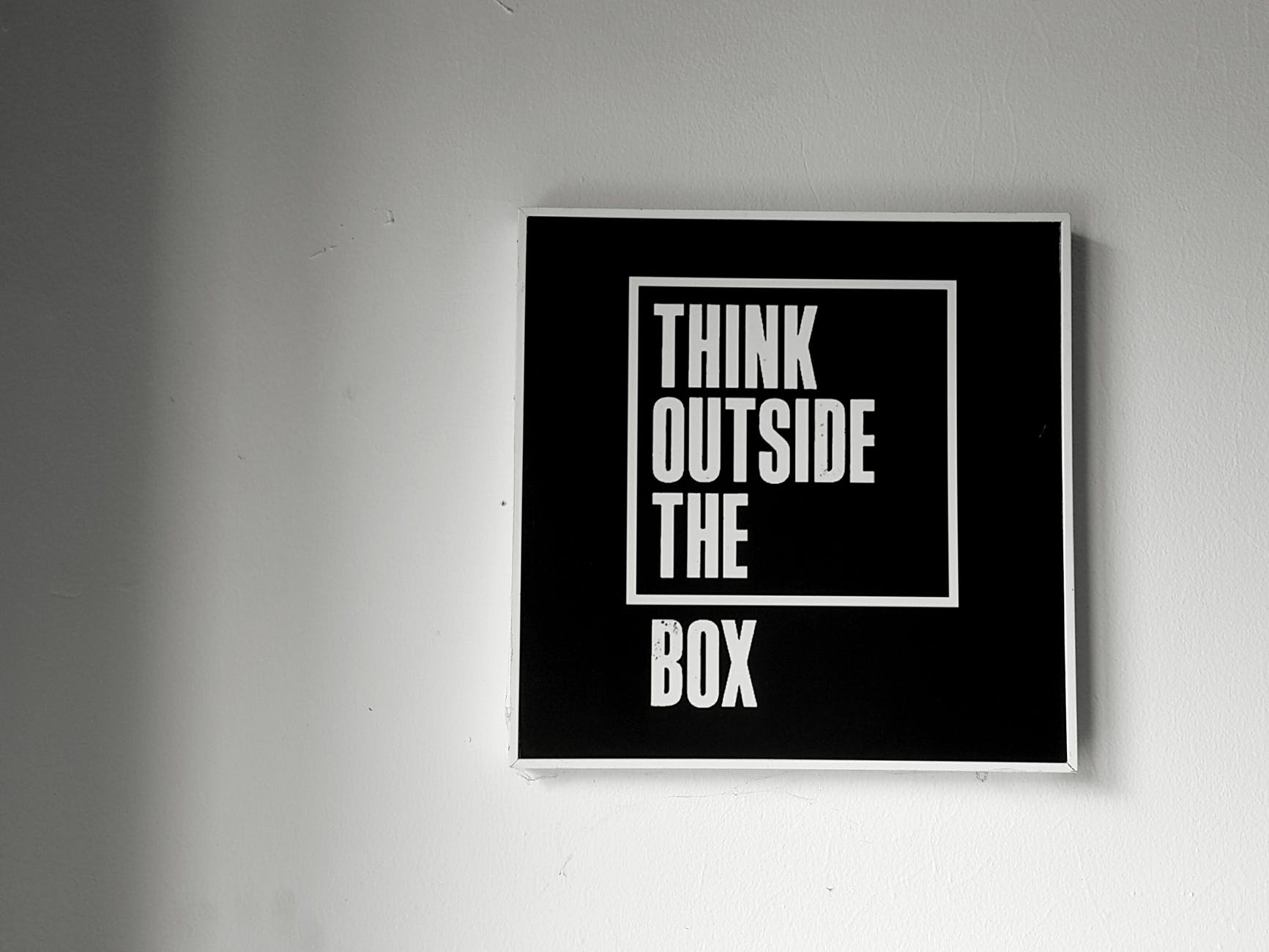
10. Think outside of the box
Small actions add up and if you experiment with creative solutions, your mindset will also change for the better. For example, your gift boxes can be reused to store small souvenirs, jewellery, letters or photos.
Ci sono tante azioni eco-responsabili che puoi incorporare nella tua vita quotidiana. Sempre più persone stanno cercando di vivere responsabilmente e di prendere coscienza dei piccoli cambiamenti che si possono apportare per avere un impatto positivo sul futuro del nostro pianeta.
È arrivato il momento del cambiamento. Si tratta di introdurre alcuni possibili e significativi aggiustamenti nella tua vita quotidiana. Tutti dovremmo provare a mobilitarci. Per aiutarti a iniziare, ti propongo di provare queste 10 azioni eco-responsabili.
1 – SCEGLI BENE DOVE VESTIRTI
Oggi, purtroppo, molti articoli di moda sono ancora prodotti in fabbriche con condizioni di lavoro deplorevoli. Prima di correre in negozio per comprare dei vestiti, fai qualche ricerca e scegli i marchi che vendono abbigliamento prodotto eticamente. Fai del bene al pianeta e a te stesso/a.
2 – RICARICARE, RIDURRE, RIUTILIZZARE
Scegliere la sostenibilità non significa non poter più godere di momenti di benessere, si tratta semplicemente di adottare comportamenti quotidiani sostenibil. Acquista le ricariche per un gran numero di prodotti, come creme per il viso o saponi liquidi, così potrai continuare a prenderti cura di te stesso/a e goderti momenti di benessere contribuendo a ridurre gli sprechi inutili. Puó sembrarti ovvio, ma acquista solo i prodotti che usi. Assicurati di finirli prima di acquistarne altri. Quando consideri l’acquisto di una ricarica, dai un’occhiata ai numeri che mostrano le riduzioni dell’impatto. Ti renderai conto degli sforzi che stai facendo per la salvaguardia dell’ambiente.
3 – USA LA BICI
L’anidride carbonica e altri gas serra emessi dalle automobili contribuiscono all’inquinamento e quindi al riscaldamento globale. Se lavori lontano da casa, prendere la bici ogni mattina può sembrarti difficile. Se non ce la fai a pedalare fino al lavoro, perché non andare almeno fino alla stazione degli autobus, della metropolitana o dei treni? Ci sono solo vantaggi: lasciare respirare il pianeta per pochi istanti, risparmiare un po’ di denaro, e mantenerti in forma.
4 – MANGIA MENO CARNE E ZUCCHERO
Secondo gli scienziati, il modo più efficace per proteggere il futuro del nostro pianeta è adottare una dieta a base di verdure su base più regolare e limitare l’assunzione di zucchero. L’industria alimentare consuma molta energia. Consumando cibi di stagione, idealmente verdure e frutti prodotti localmente, anche tu puoi agire per il pianeta. I cibi vegani e vegetariani possono essere incredibilmente gustosi. Puoi provare a fare la spesa presso il fruttivendolo vicino a casa invece che al supermercato. Forse c’è una fattoria vicino a te, o anche un orto locale dove i tuoi vicini coltivano e vendono frutta e verdura? Oppure potresti coltivarli tu stesso/a? Ancora meglio, perché avrai contribuito alla riduzione dei chilometri percorsi per il trasporto.
5 – VIAGGIA CON DISCERNIMENTO
Nel 2020 molti di noi hanno viaggiato meno rispetto agli anni precedenti. Potresti cercare di limitare il più possibile i viaggi aerei non necessari. Trasforma il tuo prossimo viaggio all’estero in una vacanza a casa o considera un altro mezzo di trasporto, come il treno o la bicicletta. Pensa al viaggio come parte della tua vacanza. Non concentrarti solo sulla destinazione. Perché non andare in vacanza in treno leggendo un buon libro?
Viaggiare in treno – Photo by Krivec Ales on Pexels.com
6 – SCEGLI L’ENERGIA RINNOVABILE
Quando si pensa all’energia rinnovabile, le prime cose che vengono in mente sono le auto elettriche e i pannelli solari. In effetti, potresti investire in queste soluzioni, ma non sempre è possibile. Un modo molto semplice per fornire energia sostenibile alla tua casa é quello di optare per un fornitore di energia verde. Queste aziende offrono gas o elettricità allo stesso modo delle aziende tradizionali, ma in modo più rispettoso dell’ambiente grazie all’energia da fonti rinnovabili, come vento, sole o acqua.
7 – PRENDI LE COSE IN PRESTITO
Opta per la condivisione, il prestito o l’affitto piuttosto che l’acquisto di oggetti. Prendi in prestito il trapano dal tuo vicino, rinfresca temporaneamente il tuo guardaroba con il noleggio di vestiti (perfetto per il fast fashion o per occasioni speciali) e scambia libri con gli amici, o guarda nei punti di book-crossing.
8 – OTTIMIZZA I PERCORSI QUOTIDIANI
A causa della pandemia, molti di noi hanno smesso di prendere i mezzi pubblici. Se preferisci andare al lavoro in macchina o stai pianificando una gita di un giorno, perché non suggerire ai tuoi colleghi o amici di venire con te?
Sapevi che la pressione dei tuoi pneumatici ha un impatto sulle emissioni di carbonio della tua auto? Controlla piú spesso la pressione dei tuoi pneumatici, lo puoi fare anche nelle stazioni di rifornimento di carburante.
9 – LAVA IN MODO INTELLIGENTE
In bagno, l’impatto maggiore sull’ambiente non viene dai prodotti per la cura, ma dall’energia utilizzata per riscaldare l’acqua della doccia. Ciò rappresenta circa il 77% dell’impatto ambientale del tuo bagno, se l’acqua che usi é riscaldata con il gas. Il gas libera CO2 e ossidi di azoto che danneggiano le vie respiratorie, la crescita delle piante e lo strato di ozono. Secondo una ricerca, i prodotti per la cura della pelle rappresentano solo il 5% dell’impatto della tua impronta ambientale complessiva. Prendi in considerazione l’acquisto di un soffione doccia economico a risparmio idrico. Risparmi molta acqua facendo la doccia allo stesso modo.
10 – PENSA FUORI DAGLI SCHEMI
Piccole azioni si sommano e, se sperimenti soluzioni creative, anche la tua mentalità cambierà in meglio. Un esempio? Riutilizza le scatole regalo per conservare piccoli souvenir, gioielli, lettere o foto.
In Iceland they carried out an experiment. From 2015 to 2019, 2,500 people (equal to 1% of the inhabitants) participated in a very ambitious project: to reduce working time without reducing wages. Public sector employees, with different profiles and working in different sectors (schools, hospitals, social and administrative services), worked 4 days a week following their working hours, not necessarily during the day.
Objective
Analyse positive changes in professional and personal life.
How it was achieved
Communication mainly via emails, reduced time of breaks and daily activities redistributed in order to optimize the available time.
Results
The results speak for themselves. In 4 years, participants’ productivity and well-being have increased, while stress and risk of burn-out has decreased considerably.
The results show that the 2,500 workers involved used their free time to recover their energy, to spend more time with their families, or to practise their hobbies. This has led unions to renegotiate employment contracts and now 86% of Icelandic employees have chosen to work less for the same salary.
Benefits
A marked improvement in the quality of life has been noticed. In fact, it is often the work environment that increases states of anxiety and malaise.
This research could be replicated in the UK, because, according to a survey, 63% of the population would be in favour. In addition, 45 deputies voted a motion to ask the government to study this proposal.
In Islanda hanno fatto un esperimento. Dal 2015 al 2019, 2.500 persone (pari all’1% degli abitanti) hanno partecipato a un progetto molto ambizioso: ridurre il tempo di lavoro senza riduzione di salario. Gli impiegati del settore pubblico, con profili diversi (scuole, ospedali, servizi sociali e amministrativi), hanno lavorato quattro giorni alla settimana seguendo il loro orario di lavoro, non necessariamente durante il giorno.
Obiettivo
Analizzare i cambiamenti positivi nella vita professionale e personale.
Com’è stato realizzato
Le aziende hanno ridotto il numero di riunioni, preferendo spesso la comunicazione per email, e diminuito il numero delle pause, mentre le attività giornaliere sono state ridistribuite in modo da ottimizzare il tempo a disposizione.
Risultati
I risultati parlano da soli. In 4 anni la produttività e il benessere dei partecipanti sono aumentati, mentre lo stress e il rischio di burn-out è diminuito notevolmente. I risultati dimostrano che la produttività è rimasta invariata o addirittura aumentata e i più 2500 lavoratori coinvolti hanno utilizzato il tempo libero per recuperare le energie, passare più tempo in famiglia o dedicarsi ai loro hobby. Questo ha portato i sindacati a rinegoziare i contratti di lavoro e adesso l’86% dei dipendenti islandesi ha scelto di lavorare meno giorni alla settimana per lo stesso stipendio.
Benefici
La settimana corta ha benefici non solo in termini di tempo libero ma anche perché gli impiegati hanno notato un netto miglioramento della qualità della vita. Infatti, spesso, è proprio l’ambiente di lavoro ad aumentare stati d’ansia e di malessere.
Questa ricerca potrebbe essere replicata nel Regno Unito, perché, secondo un sondaggio il 63% della popolazione sarebbe favorevole. Inoltre, 45 deputati hanno votato una mozione per chiedere al governo di studiare questa proposta.
We have seen that writing, visiting an unknown city or village, creating a time capsule and learning a new skill are ideas that you could try out in your free time.
Now let’s see some others.
1. Rediscover a childhood pleasure. You surely have many good memories related to your childhood. Some are related to places, others to people, and others to activities. Why don’t you try to rediscover what you liked to do when you were a child? Did you like playing with Lego? Now you could try building something out of wood. Or did you like to draw and then you stopped because life led you to a different path? You could take up this passion again, turn it into a hobby and maybe find out that you also have talent. Let yourself be carried away by memories and choose one that is realistically possible to materialize again.
2. Get moving. Have you not been physically active for a long time? Did the pandemic stop you wanting to go to the gym? Why don’t you try running, walking, or cycling? These are activities that you can do outdoors, so don’t be afraid to get infected. Choose a route or destination then go! Don’t compete with others, just test yourself. Every time you go for a run, walk, or ride you can decide to challenge yourself and go further, or take a more difficult path. Keep track of your achievements with an app or simply by writing them in a notebook. Then, from time to time look at them and you will see the improvements.
3. Dare to “digital detox”. Whatever your degree of addiction to your computer, mobile phone or tablet is, a digital detox can only do some good to you. Stop watching compulsively if a new message has arrived, how many likes the photo you posted on Instagram received, do not download the update of the new trendy game. You may decide to suspend these activities for a weekend. See how it goes, even in this case you can challenge yourself and go beyond the two days.
4. Take care of your pet or someone else’s pet. Studies have shown that spending time with a cat or dog reduces stress, improves physical and mental fitness, and increases our feelings of joy and satisfaction. If you don’t have a pet, you can go to a stray animal shelter and take care of them. You will be amazed by their gratitude!
5. Cook new recipes. We all have at least one cookbook that is gathering dust, as everything is now on the Internet. The advantage of a book over the web is that if you don’t have any ideas on what to prepare for dinner in the evening, you can grab the book and start leafing through it until you find something that inspires you. Then go shopping and start trying your hand at this new idea. Or you can come up with something with what you have already at home. You may also call a friend to prepare this recipe together. Do you know that cooking together is one of the best activities to build a team?














 Crisbie Coach