
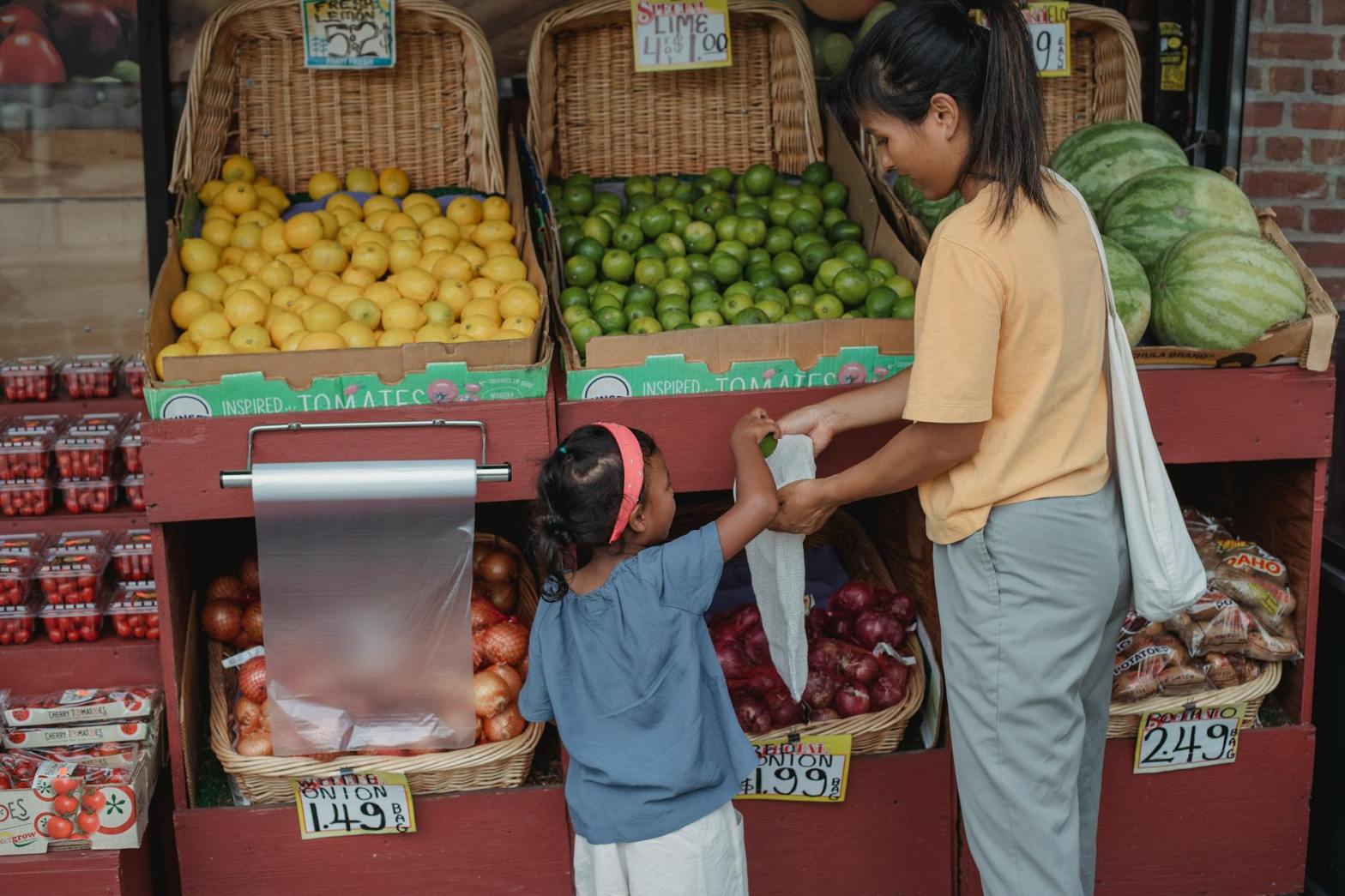
Imagine walking into your local grocery store. You’re curious about trying plant-based burgers or almond milk, but the shelf is nearly empty. Or maybe you see a wall of options, but the prices make you pause. What makes you pick one over the other?
New research reveals that where you live, city or countryside, changes everything about how retailers should stock, price, and promote plant-based foods. And the results might surprise you.
What Actually Moves the Needle?
A four-year study of over 20,000 Italian grocery stores found that three retail strategies make the biggest difference:
- Assortment: More Choices, More Sales
- Stores with a wider variety of plant-based options saw a consistent boost in sales, especially in rural areas.
- Why? Limited choices push people back to familiar animal products. Rural people, in particular, respond strongly to variety, likely because they’ve had fewer options.
- Price Promotions: Urban Shoppers Love a Deal
- Discounts and promotions worked best in cities and towns, where competition is fierce and people are used to comparing prices.
- Rural consumers? Not so much. Promotions had little impact outside urban areas, except for plant-based.
- Relative Price: Not the Game-Changer You’d Expect
- Even though plant-based products often cost more, price alone didn’t significantly sway market share.
- Consumers choosing plant-based foods are often motivated by health, ethics, or the environment, not just cost. However, price sensitivity was slightly higher in rural areas, where budgets may be tighter.
The Bigger Picture: What Consumers Really Want in 2026
The plant-based market isn’t just for vegans anymore. More and more citizens have been buying plant-based foods during the last years, and most of them also buy animal products. The real growth is coming from flexitarians, those who mix plant and animal foods for health, convenience, or sustainability.
Trends to Watch:
- Clean labels and whole foods are in. Consumers are reading ingredient lists and walking away from overly processed options.
- Health and nutrition now drive purchases more than environmental concerns, which is a pity considering the impact that our food choices have. But let’s says that it’s a starting point to become more aware.
- Convenience and taste are non-negotiable. Brands that deliver on both are winning.
Why This Matters for the Future
The plant-based market is projected to grow from €14.79 billion in 2026 to €46.04 billion by 2036, driven by mainstream adoption and innovation. Retailers who adapt their strategies to local needs, and focus on variety, smart promotions, and clear value will lead the change.
The future of plant-based food isn’t about replacing animal products overnight. It’s about giving everyone real choices, real value, and real reasons to try something new.
What’s your experience with plant-based shopping? Have you noticed these trends in your local stores? Let’s discuss in the comments!
Thank you for reading! You can read more from me on my blog crisbiecoach and, please, subscribe!

 Crisbie Coach
I’m lucky that I live in an area where there are many plant-based options available. What an interesting post, Cristiana!
"Mi piace""Mi piace"
I think so Wynne, thank you for commenting!
"Mi piace""Mi piace"