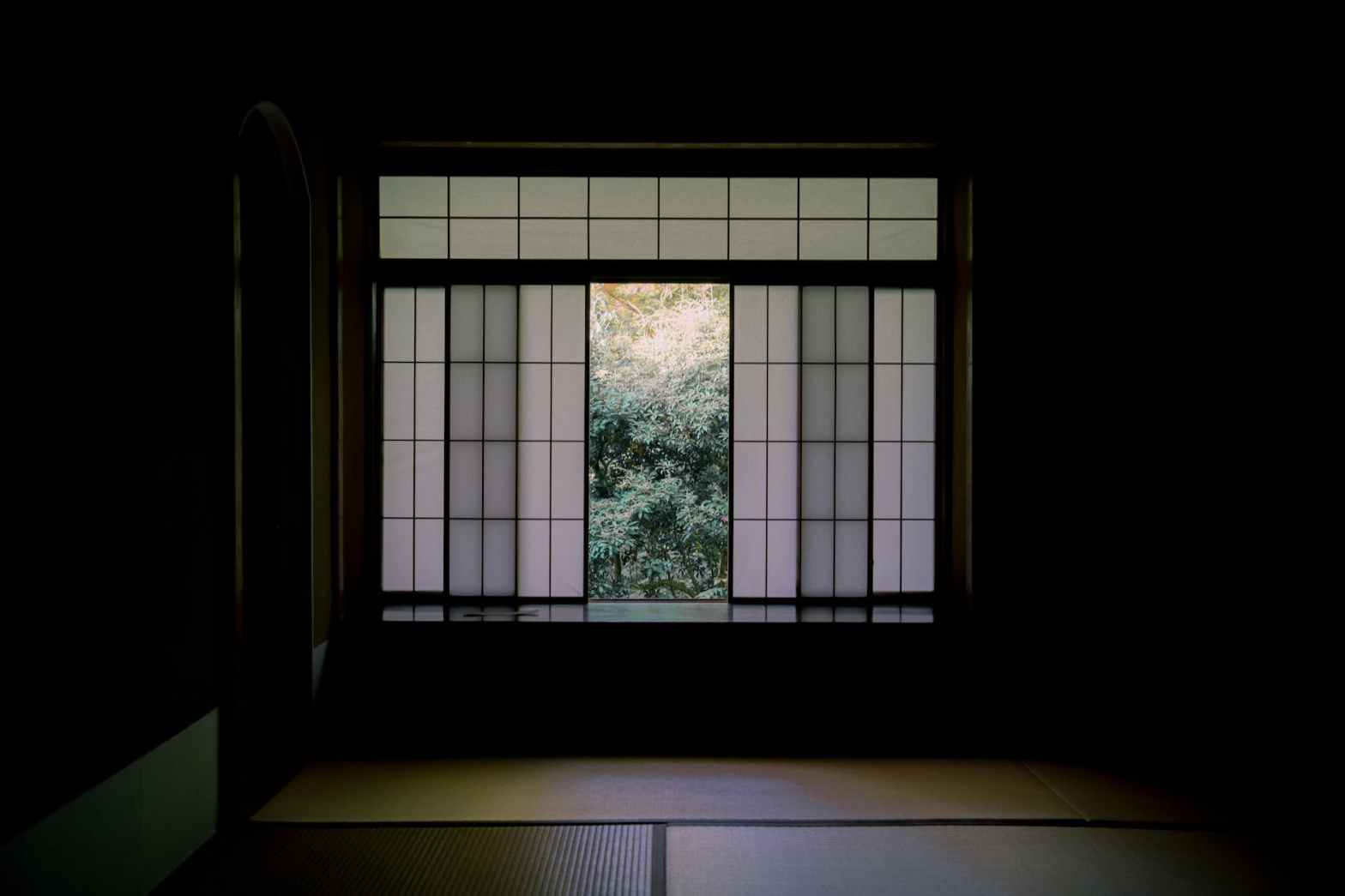
The Power of Intuition

Intuition has always been a fascinating subject of study. It is generally associated with genius, because the greatest scientific discoveries happened thanks to moments of intuition.

Einstein wrote:

Intuition is a sacred gift of which reason is a faithful servant. We have created a society that honours the servant and forgets the gift.

In addition, we all know that it is thanks to our intuition that we make some of the decisions of our lives, even if we consider ourselves rational and Cartesian beings.

From the point of view of the Eastern religions (Buddhism, Hinduism, Taoism) there is no mystery. In the traditional languages of these millennial wisdoms, the terms designating knowledge, consciousness, lucidity are often identical.

Attachment to mental constructions, beliefs, and concepts, as well as the mental agitation that accompanies it, are seen by them as a veil over primordial intelligence. Buddhists explain it like that:

if we do not stir water, it will become clear by itself. In the same way, if we leave unchanged the nature of the spirit, and we do not manipulate it, it will find peace and clarity on its own.

But let’s go back to the West and see that to make a decision we will evaluate three elements:

  1. rational analysis,
  2. emotional aspect,
  3. intuitive wisdom.

However, if we practise meditation, thoughts and emotions would calm down, and intuition would manifest. In fact, there are several testimonies from practitioners who tell that the most creative ideas came at the end of their meditation.

In a linear, predictable, and orderly environment, a rational analysis is often more effective for deciding and planning an action.

On the contrary, in a volatile, unpredictable, or chaotic environment, when the human element predominates, intuitive intelligence becomes useful.

Therefore, meditation is more and more used in our times, as we live in an ever-increasing insecurity and instability.

How intuition works

Intuition draws on three main resources.

  1. Like a tree, the first source is the ramification of its roots. It is the entirety of information, of experiences lived in the past and stored in the unconscious.
  2. The second source is comparable to the leaves of a tree. These are the strong or weak signals, picked up in the present instant.  All these signals are undefined and cannot be evaluated by rational analysis.
  3. The third source is collective intelligence. In fact, our personal intuition can go beyond temporal and spatial limitations. Intuitive intelligence can tap into a nearly unlimited source, outside the limits of time, space, and the individual. All this is normal according to Buddhist philosophy where, for example, the individual, time, and space are conceptual categories created by the mind.

two brown trees
Trees – Photo by Johannes Plenio on Pexels.com
How do you synthesize these sources of information?

Cognitive science researchers have tried to answer.

Just before an intuition, there is a “letting go” moment, a descent within us. Then, suddenly, the presence increases, there is a kind of awakening, a feeling of unity and inner agreement. There is also a feeling of evidence, of surprise, of amazement and wonder.

These are the elements that we also find in a meditative experience: letting go, increased presence, awakening, unity.

It is necessary to emphasize the essential place occupied by the body in intuitive intelligence.

How many times have you made rational or emotional decisions while your body opposed it? Did you regret this decision a few days, months or years later? It happened to me several times in my life. I should have listened to the signals that my body sent me and taken them into account when making my decision.

In this regard, body scan meditation can help to develop this sixth sense of intuition. We shall also consider that if we constantly ignore the body’s messages, we might experience illness, pain, or disorder. Which is what happened to me.

Intuition, beyond the help it provides us in making decisions, is our deep inner voice, our wisdom, our most precious guide. It is important to learn to listen to it and to look after it.

To conclude if you hesitate to follow your intuition, try asking yourself these two questions, which will help you clarify what is at stake:

  1. What do I risk following my intuition?
  2. What do I not risk following my intuition?

What do you think about intuition? Do you agree with me that it is powerful?

This article has been previously published on Wise&Shine magazine.

How to Help a Friend in Need

It hurts to see a loved one who is not psychologically well. How to help a friend need then?

Nobody taught you how to help a friend and you don’t know what to do. You celebrate successes with them but you would like to be able to listen to their anxieties, fears, frustrations and problems in general. It really depends on your sensitivity and empathy.

You have noticed that a friend of yours no longer looks like the one you used to know. They seem sad, dull, speak little, they are isolated and blocked in their thoughts. They may be also restless, nervous, hyperactive, anxious, irritable, and have started drinking a lot of alcohol.

You wonder if it was due to the pandemic. Maybe, but they were like that also in the summer, when the Covid situation had improved. They continue to see everything black, they don’t want to go out, see anyone or even talk to anyone.

Moreover, they sleep badly, and are not motivated to go to work.

The first thing that comes naturally to do is trying to reassure them, saying that they don’t need to worry, it will pass quickly, we all have problems and maybe you start telling them about yours, as if this could cheer them up. The result is that your friend is getting worse and worse.

Actually, this diminishing other people’s state of discomfort only contributes to making them feel worse.

Once a psychologist told me that when a person is agitated, you should never tell them to stay calm, because this would have the opposite effect. It is more or less the same thing. If a person is in distress, you should not underestimate their discomfort.

stormy sea with splashes and waves
Photo by Pok Rie on Pexels.com

Therefore, how to help a friend in need?

First, you have to listen to them, in an active and empathic way. Listening in this way is not easy, but you can learn. Validate what the friend feels; don’t underestimate their situation and make them understand that they are not alone.

Sometimes, giving advice is not useful. On the other hand, it may be useful to offer practical help, such as shopping for example.

Alternatively, you can propose to go out together, for a drink or to a restaurant, so that your friend can get distracted and maybe they relax and tell you about the difficult time they are going through. A walk in nature or a short hike are also activities that can prove useful. Visiting an art exhibition or a museum can really help raise the moral.

You don’t have to force them to do anything they don’t want to, you have to give your friend space and time, conveying hope that they will feel better later on. You can also tell them to remember some good times from the past that might be comforting. Or, you can tell them to think of other difficult moments they went through and ask themselves how they overcame them.

In addition, you don’t have neither to put pressure on them nor judge them. Only be available.

Obviously, you must not take responsibility for the mental health of the other person. If you are not a psychologist, you cannot know if what the person is going through is temporary or if it is a real mental disorder.

Therefore, if you see that your friend’s health does not improve, you should try to convince them to go to the doctor to explain the situation. Maybe you could even offer to accompany them, because friendship also means helping each other.

What are your strategies for helping a friend to overcome a difficult situation?

gray asphalt road surrounded by tall trees
Photo by Pixabay on Pexels.com

How and Why You Should Learn to Forget

Letting go of the burden of the past is important to your happiness.

Many people live in the past; they remember what they were, the love stories that did not go well, their failures and disappointments.

Such a burden takes away space and energy from the present, which is actually the only time you can live actively.

I read somewhere that happiness consists in enjoying good health and having a bad memory.

Actually, you should learn to let go of the past, forget about the insults received, the bad events and the mistakes, in short, all the bad memories, and learn to focus more on the present.

Photo by Ian Dooley on Unsplash

Here are some tips you could follow.

  1. The best antidote to guilt, resentment, or anger that takes you back to the past is to devote energy to building the life you want.
  2. Stop playing the victim and become an active protagonist of your life
  3. Your memories change while time passes by, they may distort, and they do not really reflect what happened. Try asking a person who shared an event with you to tell you about their memory and then compare it with your memory. You will see that you and that person remember different aspects of the same fact.
  4. Prioritize your well-being. Life is too short to spend arguing and complaining. What happened could be a source of stress and even discomfort. Continuing to feel anger at a past event drains up your energy. It is more important for your physical and mental health to live quietly than to be right at all costs.

The past, however, also brings with it good memories and lessons learned, which shape your personality.

Have a look at what Buddhism teaches: “Joy and happiness arise from letting go. Sit down and take an inventory of your life. There are things you have been hanging on to that really are not useful and deprive you of your freedom. Find the courage to let them go.”  

What about you? Would you find the courage to let go of your past?

accomplishment action adventure challenge
Photo by Pixabay on Pexels.com