A lady, who we will call Anna, widowed, had become very poor and even had three children to raise all alone.
At that time lotteries were already very common in tobacco shops and once the lady wanted to play because she had dreamed of the number 16. She told a neighbor who suggested she go to the tobacco shop and play everything she had on that number.
So, Anna went to the tobacco shop and played the number she dreamed of, 16. On the day of the draw, her neighbor told her happily that number 16 had come out. The win earned the lady a large sum of money that allowed her to change her life.
Since then Anna was convinced that she was a fortunate foresight.
The children grew up and left the town in search of work. When one of the three children returned to the house where he grew up, to visit his old mother, he also met old friends, including the former neighbor. The woman then told him how happened that his mother Anna won the lottery.
The idea was just that Anna’s neighbor asked around the whole neighborhood for a monetary contribution, each according to their own possibilities, to be donated to his mother because otherwise she would never have accepted money from anyone, because of her pride.
When they heard that Mrs. Anna had dreamed of the number 16, they gave the money to the owner of the tobacco shop, who then gave it to her mother, telling her that the winning number was precisely 16, that she had dreamed of.
What is the ego? Is it really negative? How to keep it under control?Is the ego a friend?
The word ego comes from the Latin and means “I”. It is difficult to define it because it is not visible and it manifests mainly in a negative way. It is easier to recognize the ego in others than in oneself.
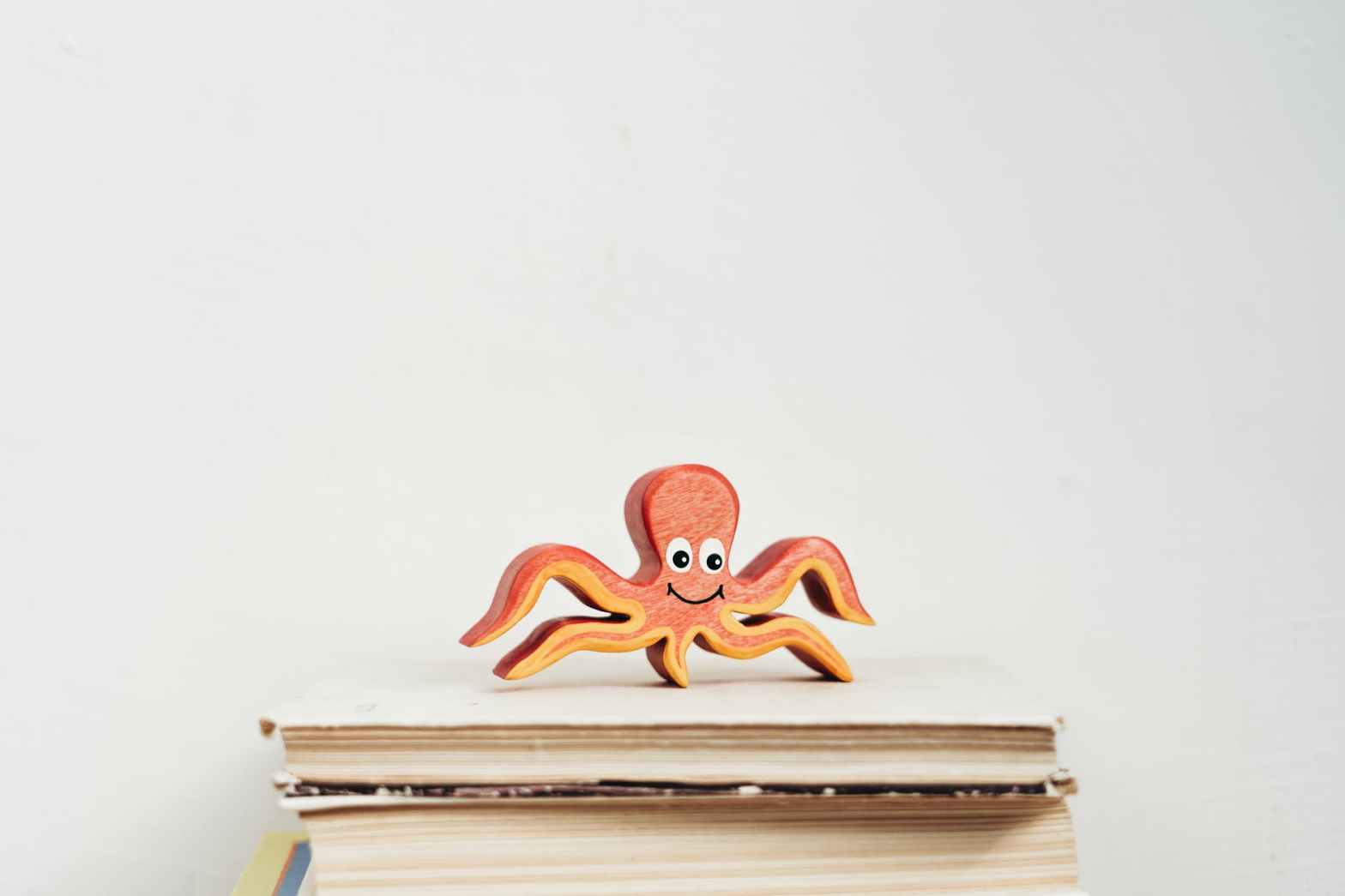
Sometimes, the ego is represented with animals. The octopus, the bloodsucker, any parasite, the wolf or the tiger. Or it is also represented with objects. Mask, dress, glasses, onion, egg or even serious illnesses.
It is a mystery and a paradox at the same time. The ego is us but not really us. It is a false self, or a pseudo self. It is not the personality but a part of the personality. It is not our true consciousness, but an altered, partial and non-objective consciousness. It does not represent a real need, but it wants to make us look perfect in a certain way, it wants to control everything and always be right. It is not real, but an illusion, an empty shell, which is based on fear, separation, loneliness and opposition. The ego can be a defensive or an aggressive reaction. In reality, the ego tries to protect us from showing our vulnerabilities.
Is the ego negative?
For Westerners, the ego is a necessary evil with which we must live, it is not so serious, indeed sometimes it can be useful or even positive. In fact, Western civilization since 1623 is based on the ego thanks to Descartes.
On the contrary, for spiritual masters, most of them Orientals, the ego has nothing positive, since it is the opposite of love, it represents our dark part, our Mr. Hyde, our shadow zone.
The ego is a false friend that makes us lack authenticity, honesty, and humanity. This is why certain traits of our character might be selfishness, self-centredness, narcissism, individualism, greed, possessiveness, materialism, avarice, susceptibility, and even paranoia. The ego is responsible for almost all of our negative emotions, especially hatred. It pushes us to defend ourselves, to justify ourselves, to rationalize, to deny the evidence, and generates childish behaviours. Escape, rejection, negative or destructive communication (like haters). It can also be responsible for toxic relationships, manipulation, harassment, and violence in a broad sense.
Why would we keep the ego under control?
On an individual level, keeping the ego under control would mean being happier, having better physical and mental health, more self-confidence, connecting better with others, living in harmony, having happier relationships, more energy, and being even more efficient.
On a social level, keeping it under control would help society overcome racism, sexism, nationalism, domination, oppression, exploitation, delinquency and even war! It would allow us to live better together, to develop a sense of brotherhood, equality, cohesion, solidarity, understanding and peace.
How to keep the ego under control?
It is impossible to eliminate the ego, because it is part of our personality. What we can do is trying to control it.
At the social level there are institutions such as the family and school that are delegated to this role. Other institutions, such as the police and justice, try to correct it.
We can try to transform the ego into our ally with meditation techniques, practising yoga, or using psychotherapeutic techniques that can help us to be more attentive, conscious, and to become more collaborative. We will be able to learn to listen, to help, to forgive, to let go, to create, to laugh and make people laugh, and of course to love.
I would like to conclude with a short story, The Story of the Two Wolves.
“One evening, an old Indian grandfather tells his grandson the story of the two wolves.
In each of us coexist two wolves, constantly fighting. One is bad, angry, jealous, sad, greedy, arrogant, liar, feels superior to the other wolf.
The other wolf is kind, empathetic, generous, sincere, compassionate, cheerful, peaceful, serene, hopeful, and humble.
The grandson asks his grandfather: “Who wins between the two wolves?”
Grandpa simply answers, “The one you feed will be the winner.”
Lille, 2018, Yolande, an 85-year-old lady, lives alone. She has children and grandchildren but they live far from her. Yolande does not like living alone and she needs some help with her daily life.
At the same time, Sandrine, a young single mother who has resumed her studies as a nurse, is looking for an accommodation for her and her daughter. But rents are expensive.
Photo by Joshua Newton on Unsplash
Sifting through ads on the Internet, Sandrine sees a much lower offer than the market average. She does not know yet, but it is the announcement that Yolande made.
Thanks to an association, Yolande puts in the market her house in a so called “intergenerational and supportive rent”. With this new type of contract, a single person over 60 can share their place with someone under 30.
The renter benefits from a much lower rent than the market average. In return, they undertake to live with the elderly person and help them with their daily life.
This type of cohabitation is encouraged by the French state which even enforced it in law in 2018. The aim is to help young people find affordable housing, and making older people less lonely.
Sandrine then moves with her daughter to Yolande’s place and they recreate a real little family. Sandrine helps Yolande with the grocery shopping and cleaning the house, while Yolande sometimes looks after the little child and even picks her up from school. By doing so, she feels like a young grandmother again!





 Crisbie Coach