
The Healing Power of Shinrin-Yoku: A Journey into Forest Bathing

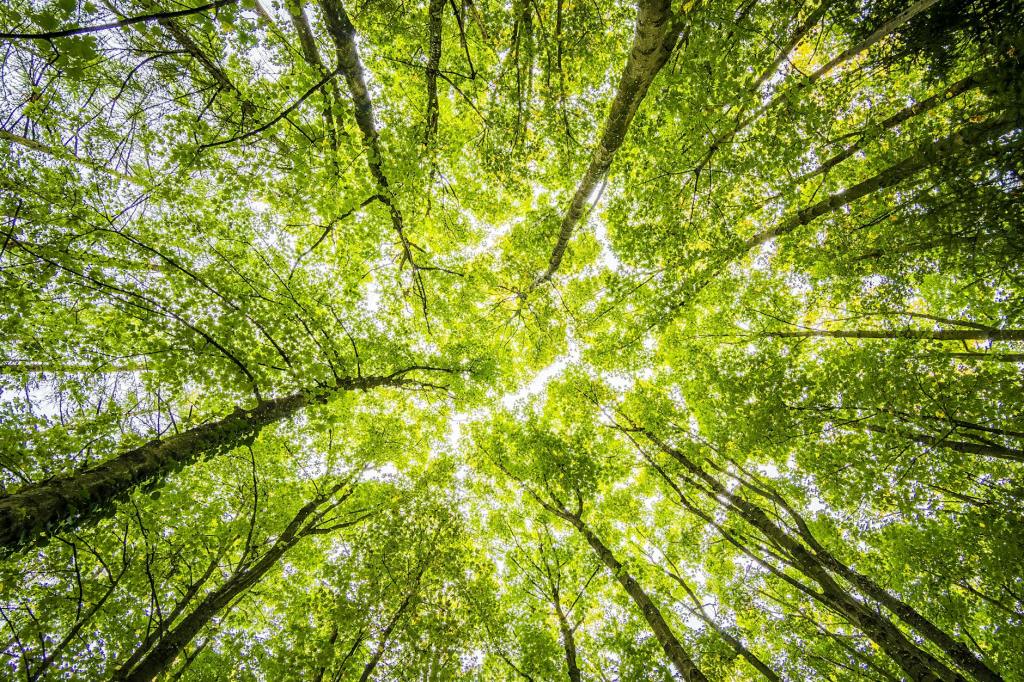
Photo by Felix Mittermeier on Pexels.com

Hidden within the natural world lies an ancient Japanese practice that invites us to slow down, breathe deeply, and reconnect with ourselves: Shinrin-yoku, or forest bathing. Unlike a brisk hike or outdoor adventure, forest bathing is not about reaching a destination. It’s about being present, immersing yourself in the sights, sounds, and smells of the forest, and allowing nature to wash over you, much like a rejuvenating bath.

What is Shinrin-Yoku?

Shinrin-yoku translates to “forest bath” in English, but there’s no water involved—just trees, earth, and the rich sensory experience that comes from spending mindful time in the woods. The practice originated in Japan in the 1980s as a form of preventive healthcare. Since then, it has gained popularity worldwide as a scientifically-backed way to reduce stress, improve mood, and boost overall well-being.

It may sound strange to you but forest bathing is about doing nothing at all. It’s a slow, deliberate practice of wandering through the forest, allowing your senses to open and your mind to quiet. The forest becomes both a sanctuary and a healer.

The Science Behind the Practice

One of the most fascinating aspects of Shinrin-yoku is the growing body of research that supports its benefits. Studies have shown that spending time in nature, particularly in forests, reduces cortisol levels (the stress hormone), lowers blood pressure, and improves heart rate variability. The trees themselves contribute to this healing process. Trees release phytoncides, antimicrobial compounds that help plants protect themselves from pests. When humans breathe these compounds in, they can boost immune function by increasing the activity of natural killer cells in our bodies.

Reflecting on this, I often think of the forest as more than just a beautiful setting—it’s a partner in our wellness journey. Every deep breath, every step on the soft, uneven ground, is an invitation to recalibrate, to let go of tension and reconnect with a slower, more natural rhythm of life.

A Personal Experience in the Forest

My first experience with forest bathing was transformative. At first, I felt the familiar urge to move quickly, to explore every corner of the forest as if it were a task to complete. But as I slowed down, I noticed the details I had been missing—the gentle sway of leaves in the breeze, the earthy scent of damp moss, and the distant call of birds. It wasn’t long before I felt my shoulders relax and my breath deepen.

Each visit to the forest since has been different, yet it always brings me back to the same realization: the natural world has a profound ability to heal, but we must meet it halfway by allowing ourselves to be fully present. It’s a practice in mindfulness, in noticing the small wonders that often go unseen.

How to Practice Shinrin-Yoku

You don’t need to be an experienced hiker or venture deep into remote wilderness to enjoy the benefits of Shinrin-yoku. A local park, nature reserve, or even a quiet tree-lined street can offer a similar experience if approached with intention.

Here are a few tips to get started:

  1. Go Slowly: This is not a hike. Move at a leisurely pace, allowing yourself to stop and observe your surroundings as often as you like.
  2. Engage Your Senses: Focus on what you can see, hear, smell, and feel. Run your fingers along the rough bark of a tree, inhale the crisp scent of pine, or listen to the sound of leaves rustling.
  3. Leave Technology Behind: To truly immerse yourself in the experience, put away your phone. The goal is to disconnect from the digital world and reconnect with the natural one.
  4. Be Present: Forest bathing is a form of mindfulness. When your mind wanders, gently bring your attention back to the present moment and your surroundings.
  5. Stay as Long as You Like: There’s no set time for forest bathing. Whether you spend 20 minutes or two hours, what matters is your intention and presence.

The Long-Lasting Impact

What I find most powerful about Shinrin-yoku is the way its benefits linger long after you’ve left the forest. The calm, clarity, and sense of renewal stay with you, coloring your day with a softness that’s hard to find in the midst of everyday stress. Forest bathing reminds us that we are not separate from nature; we are part of it. And when we take the time to reconnect, we discover a source of strength, healing, and peace that is always available, just waiting for us to pause and take notice.

Conclusion

Our days are often chaotic and overwhelming. Shinrin-yoku offers a simple, accessible way to restore balance. It teaches us that the natural world is not just a backdrop to our lives, but an essential part of our well-being. So next time you feel the weight of stress, consider taking a walk in the woods, not to escape life, but to rediscover it through the quiet wisdom of the trees.

Photo by Maria Laura Catalogna on Pexels.com

Thank you for reading! Please sign up for my blog crisbiecoach so you don’t miss out on any posts!

Il Potere Curativo dello Shinrin-Yoku: Un Viaggio nel Bagno di Foresta

Nella frenetica vita di oggi, trovare momenti di pace può sembrare un lusso raro. Eppure, nel mondo naturale si cela una pratica giapponese antica che ci invita a rallentare, respirare profondamente e riconnetterci con noi stessi: lo Shinrin-yoku, il bagno di foresta. A differenza di una passeggiata veloce o di un’avventura all’aperto, il bagno di foresta non riguarda la meta da raggiungere. Si tratta di essere presenti, di immergersi nei suoni, negli odori e nelle immagini della foresta, lasciando che la natura ci avvolga come un bagno rigenerante.

Cos’è lo Shinrin-Yoku?

Shinrin-yoku si traduce letteralmente come “bagno di foresta”, ma non si usa acqua. Si passeggia tra gli alberi per godere dell’esperienza sensoriale possibile nel bosco. La pratica è nata in Giappone negli anni ’80 come forma di prevenzione sanitaria. Da allora, ha guadagnato popolarità in tutto il mondo come metodo scientificamente riconosciuto per ridurre lo stress, migliorare l’umore e potenziare il benessere generale.

Il bagno di foresta significa non fare nulla. È una pratica lenta, in cui si vaga attraverso la foresta, permettendo ai sensi di aprirsi e alla mente di diventare quieta. La foresta diventa un santuario che ha il potere di guarirti.

La scienza dietro la pratica

Uno degli aspetti più affascinanti dello Shinrin-yoku è che numerevoli ricerche scientifiche ne sostengono i benefici. Studi dimostrano infatti che trascorrere del tempo nella natura, in particolare nelle foreste, riduce i livelli di cortisolo (l’ormone dello stress), abbassa la pressione sanguigna e migliora la variabilità della frequenza cardiaca. Gli alberi stessi contribuiscono a questo processo di guarigione. Rilasciando fitoncidi (composti antimicrobici che aiutano le piante a proteggersi dai parassiti) che noi respiriamo, la funzione immunitaria risulta migliorata perchè aumenta l’attività delle cellule del nostro corpo.

Riflettendo su questo, vedo la foresta non solo come un bellissimo luogo naturale dove passare del tempo, ma anche come un vero partner nel nostro viaggio verso il benessere. Ogni respiro profondo, ogni passo sul terreno morbido e irregolare, è un invito a riequilibrare, a lasciar andare la tensione e a riconnettersi con un ritmo di vita più naturale.

Un’esperienza personale nella foresta

La mia prima esperienza di Shinrin-yoku è stata trasformativa. All’inizio sentivo l’impulso di muovermi velocemente, di esplorare ogni angolo della foresta alla ricerca di qualcosa di sconosciuto. Ma, rallentando, ho iniziato a notare i dettagli che stavo perdendo, il movimento leggero delle foglie al vento, l’odore terroso del muschio umido, il canto distante degli uccelli tra le fronde.

Ogni visita alla foresta è diversa, ma porta sempre allo stesso pensiero: la natura ha una capacità profonda di guarire. Tuttavia, dobbiamo vivere questa esperienza pienamente presenti. È una pratica di mindfulness, che ci deve far osservare le piccole meraviglie che spesso passano inosservate.

Come praticare lo Shinrin-Yoku

Non è necessario essere escursionisti esperti o avventurarsi in remote aree selvagge per godere dei benefici dello Shinrin-yoku. Un parco locale, o persino una tranquilla strada alberata possono offrire un’esperienza simile se affrontata con intenzione.

Ecco alcuni consigli per iniziare:

  1. Rallenta. Questo non è trekking. Muoviti a un ritmo rilassato, permettendoti di fermarti e osservare il tuo ambiente ogni volta che lo desideri.
  2. Coinvolgi i tuoi sensi. Concentrati su ciò che puoi vedere, sentire, odorare e toccare. Passa le dita sulla corteccia rugosa di un albero, inala l’odore fresco dei pini o ascolta il fruscio delle foglie.
  3. Lascia spento il telefono. L’obiettivo di questa esperienza è disconnettersi dal mondo digitale per riconnettersi con quello naturale.
  4. Sii presente. Il bagno di foresta è una forma di mindfulness. Quando la tua mente vaga, riportala gentilmente al momento presente e all’ambiente circostante.
  5. Rimani quanto vuoi. Non c’è un tempo prestabilito per lo Shinrin-yoku. Che siano venti minuti o due ore, ciò che conta è l’intenzione e la presenza.

L’Impatto duraturo

Ciò che trovo più potente dello Shinrin-yoku è il modo in cui i suoi benefici persistono anche dopo aver lasciato la foresta. La calma, la chiarezza e la sensazione di rinnovamento restano con te, influenzando positivamente la tua giornata con una dolcezza difficile da trovare nel bel mezzo dello stress quotidiano. Il bagno di foresta ci ricorda che non siamo separati dalla natura bensì ne facciamo parte. E quando ci prendiamo il tempo per riconnetterci, scopriamo una fonte di forza, guarigione e pace sempre disponibile, che aspetta solo di essere notata.

Conclusione

Lo Shinrin-yoku offre un modo semplice e accessibile per ritrovare l’equilibrio. Ci insegna che la natura non è solo uno sfondo della nostra vita, ma una parte essenziale del nostro benessere. La prossima volta che senti il peso dello stress, prova a fare una passeggiata nel bosco, non per fuggire dalla vita, ma per riscoprirla attraverso la quieta saggezza degli alberi.

Grazie per aver letto questo articolo. Se ti é piaciuto, perché non ti iscrivi al mio blog?