How Car Use and Meat Consumption Vary by Gender and Drive Climate Change

In the battle against climate change, understanding the contributing factors and their nuanced dynamics are crucial in planning for effective strategies. A recent study of 15,000 people in France throws light on an often-overlooked aspect of this challenge: the emissions gap driven by gender differences in lifestyle choices, particularly car use and meat consumption. This research shows that men in France have a 26 per cent higher carbon footprint than women. This finding not only opens new paths for targeted environmental policies but also invites individuals and communities to reflect on their environmental responsibilities.

The study underscores an intriguing facet of climate dynamics — the substantial impact of personal lifestyle choices on carbon emissions, delineated by gender. According to the research, men tend to have higher carbon footprints primarily due to higher car usage and meat consumption.

The implications of these findings are significant. Cars are known to be one of the most significant sources of greenhouse gas emissions, substantially contributing to air pollution and global warming. Men, statistically more inclined towards car use, add disproportionately to these emissions owing to both frequency of travel and preferences for larger, more polluting vehicles. Similarly, meat consumption, particularly from ruminant animals like beef and lamb, stands out as a major carbon emitter. The dietary preferences of men, leaning more towards meat-heavy meals, again skew the emissions balance unfavorably.

Environmental and Social Implications

Addressing this emissions gap involves more than individual accountability; it defines a broader picture requiring societal transformation. Environmental policies and initiatives must pivot to acknowledge these gender-based differences. For instance, promoting the shift to public transportation or enhancing the appeal of plant-based diets could be geared more strategically by recognizing and targeting these demographic nuances.

Moreover, this research aligns closely with ongoing discussions about sustainable living and gender equality. As the world progresses towards egalitarian norms, understanding how consumption behaviors intersect with gender dynamics can ensure that sustainability efforts are holistic and inclusive.

In light of these findings, what can we do individually and collectively? It begins with conscientious consumer choices — opting for public transportation, carpooling, or plant-based diets can substantially lower our personal carbon footprints. Let’s reflect on this opportunity to change our habits, foster discussions, and advocate for policies that recognize and address these disparities.

The intersection of gender and environmental responsibility is complex but pivotal to address climate change. By understanding and implementing gender-specific tendencies in emissions, we can build up on more targeted strategies that respect the diversity of human habits and needs. Our planet’s future may very well depend on how effectively we can balance these scales.

What do you think about the gender differences in tackling climate change?

Thank you for reading! Please sign up for my blog crisbiecoach so you don’t miss out on any posts!

10 Ideas for Eco-responsible Actions

There are a lot of ways to incorporate responsible actions into your daily life. Climate crisis is one of the biggest challenges the human kind has to face. More and more people are trying to live responsibly and are also becoming aware that even small changes can have a positive impact on the future of our planet.

Time for change has come. Drastically changing your habits and sticking to them may be difficult. To help you get started, I have come up with 10 eco-responsible actions that you could easily apply daily.

1. Choose where to buy your clothes

Today, unfortunately, many fashion items are still produced in factories with deplorable working conditions. Before buying your clothes, do some research and choose brands that sell ethically produced clothing.

 2. Refill, reduce, reuse

Choosing sustainability does not mean any longer being able to enjoy moments of well-being. It is simply a matter of integrating these moments into your daily life in a sustainable and meaningful way. Buy refills for a large number of products, such as face creams or liquid soaps, so you can continue to take care of yourself and enjoy moments of well-being by helping to reduce unnecessary waste.

Use skincare and home care products that can be refilled, and while it may seem obvious, only buy the products you use. Be sure to finish them before buying new ones. When considering buying a refill, take a look at the figures that show the impact reductions. They will tell you the efforts you are making by using them.

3. Switch to a bike

Carbon dioxide and other greenhouse gases emitted by cars contribute to global warming. If you work far away from your home, taking the bike every morning may seem difficult. If you can’t ride all along the way, why do not you ride at least to the bus, subway or train station? There are only benefits: let the planet breathe for a few moments, save some money and keep you fit.

4. Eat less meat and sugar

According to scientists, the most effective way to protect the future of our planet is to adopt a vegetable-based diet on a more regular basis and limit sugar intake. The food industry consumes a lot of energy. By consuming seasonal, vegetable-based and, ideally, locally produced foods, you too can act for the planet. Vegan and vegetarian foods can be incredibly tasty. You can try shopping at your local grocer instead of at the supermarket. Maybe there’s a farm near you, or even a local vegetable garden where your neighbours grow and sell fruits and vegetables? Or you could grow your own vegetables and fruits!

5. Travel with discernment

Because of the pandemic, in 2020 many of us travelled less than in previous years. Now that “normal” life resumes, you can try to limit unnecessary air travel as much as possible. Turn your next trip abroad into a holiday at home or consider another means of transport, such as the train or bicycle. Think of travel as part of your vacation. Don’t just focus on the destination. Why do not you go on holiday by train reading a good book?

gray and red train on subway
Train – Photo by Dom J on Pexels.com
6. Choose green energy

When you think of green energy, the first things that come to mind are electric cars and solar panels. Actually, you might invest in these solutions, but it’s not always possible. A very simple way to provide sustainable energy to your home can be to opt for a green energy supplier. These companies offer gas or electricity in the same way as traditional companies, but in a more environmental friendly way thanks to energy from renewable sources, such as wind, sun or water.

7. Borrow instead of buying

Opt for sharing, lending or borrowing rather than buying items. Borrow your neighbour’s drill, temporarily refresh your wardrobe with clothes rental (perfect for fast fashion or special occasions), and swap books with friends (or look for books in book-crossing points).

8. Optimize daily commutes

Because of the pandemic, many of us don’t take public transport any longer. If you’re driving to work or planning a day trip, why do not you suggest your colleagues or friends to go together?

Did you know that your tire pressure has an impact on your car’s carbon emissions? Deflated tires need to be replaced more often and consume more fuel. You can check them also at gas stations.

9. Take smart showers

In the bathroom, the greatest impact on the environment does not come from care products, but from the energy used to heat the shower water. This accounts for about 77% of the impact, as the water is often heated with gas. According to research, skincare products account for only 5% of the impact of your overall environmental footprint. Consider buying an inexpensive water-saving shower head. You will save a lot of water and taking a shower will be the same.

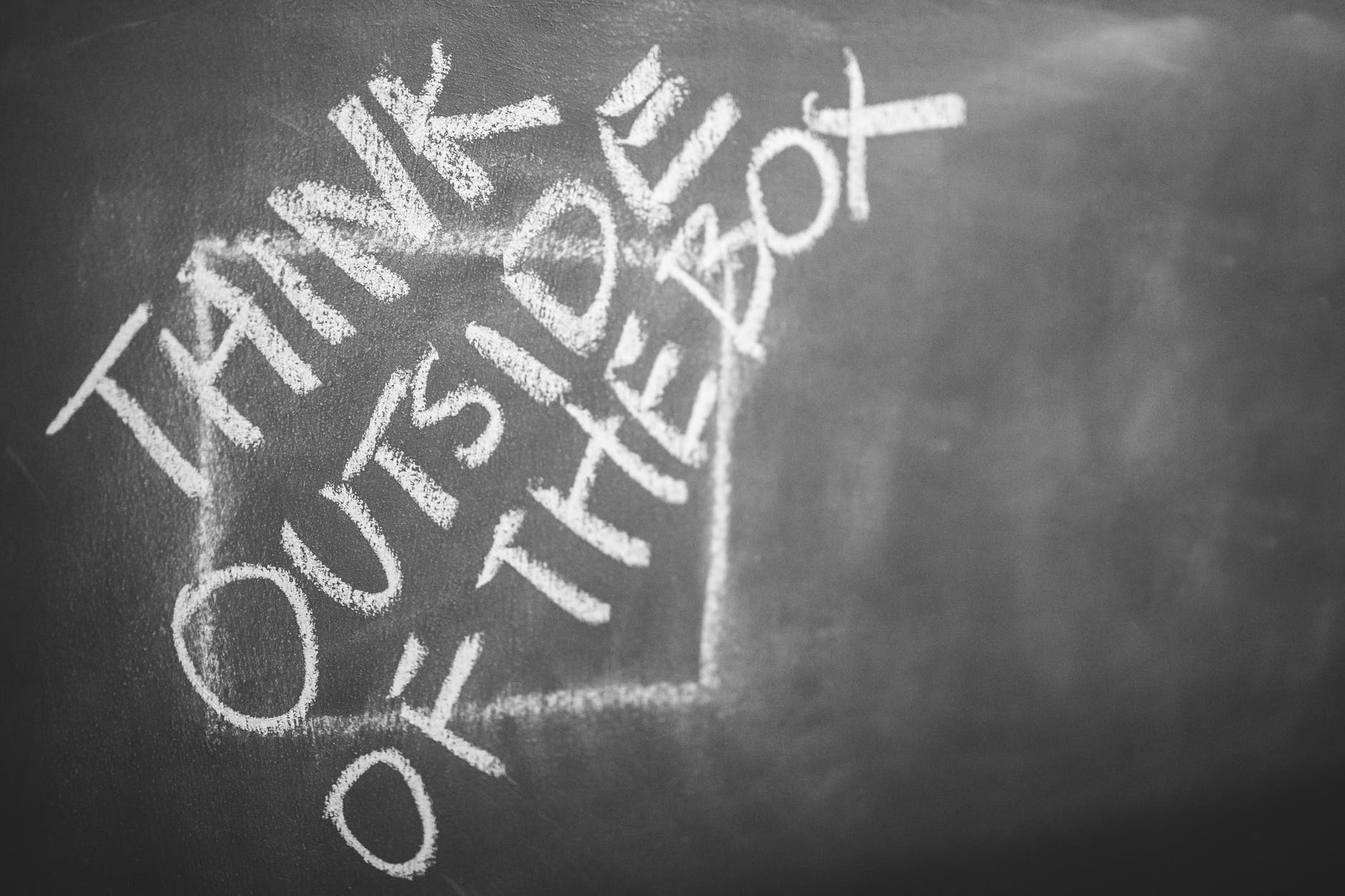
10. Think outside of the box

Small actions add up and if you experiment with creative solutions, your mindset will also change for the better. For example, your gift boxes can be reused to store small souvenirs, jewellery, letters or photos.

What actions will you start tomorrow?

think outside of the box
Think Outside of the Box – Photo by Kaboompics .com on Pexels.com