Nostalgia: Why Reflecting on the Past is Crucial for Mental Health

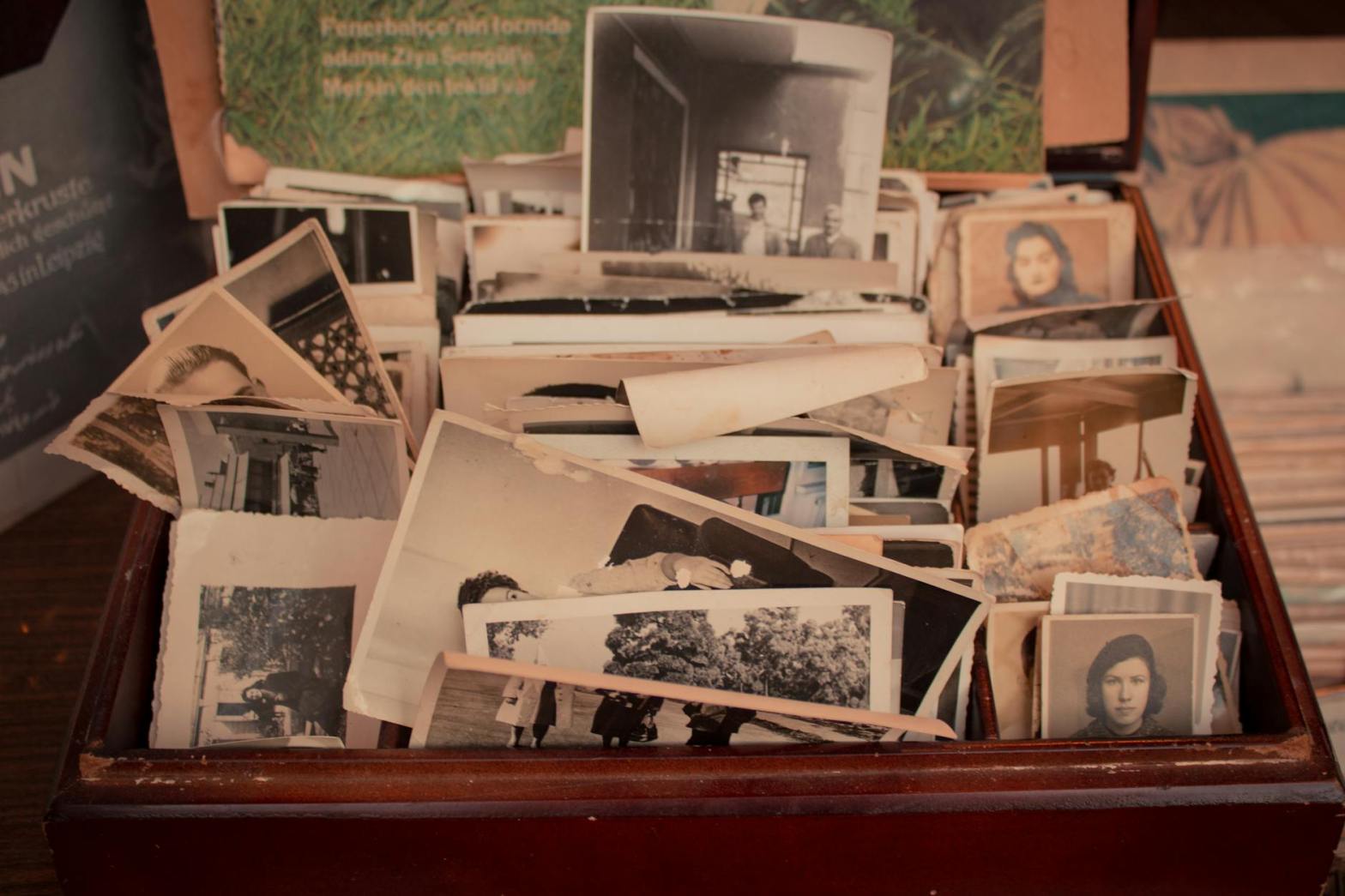
Nostalgia protects against existential challenges, helping us cope with the present and future by evoking positive experiences and feelings from the past. This powerful emotion serves as a rearview mirror, reflecting a particular time, place, or emotion that once brought joy or comfort. Whether it’s the memory of your first love, a yellowed photograph found by chance, or an object that stirs a significant memory, nostalgia plays a crucial role in our mental well-being.

How the Internet Fuels Nostalgia

In today’s digital age, the Internet has become a key driver of nostalgia. With just one click, you can find the soundtrack of a cherished moment from your past, instantly transporting you back in time. Experts suggest that nostalgia is a complex emotion—predominantly positive—that enhances our sensitivity and helps us understand the present.

The Origin of Nostalgia

The term “nostalgia” was coined in 1680 by Johannes Hofer, a student at the University of Basel. He combined the Greek words “nóstos” (homecoming) and “algia” (suffering) to describe the deep longing Swiss soldiers felt to return home from battle. Today, we understand nostalgia as a positive and stimulating emotion, distinct from melancholy, which does not cause illness symptoms but helps combat them.

Nostalgia as a Source of Resilience and Wellbeing

Research from the University of Southampton in the UK highlights nostalgia as a vital mental health component. It motivates us, boosts our self-esteem, and serves as a reservoir of emotions that we can consciously and unconsciously access. These positive memories reinforce feelings from our past, aiding us in coping with current and future challenges.

While nostalgia allows us to recall the past, it does not bring back what we have lost. Instead, it helps us better manage the life we are living. By tapping into nostalgic memories, we can find comfort and strength, making it an essential tool for resilience and well-being.

Does Nostalgia Help You Manage Your Life?

Reflecting on your own experiences, do you find that nostalgia helps you manage your life? Share your thoughts and let me know how nostalgia influences your mental health and daily coping strategies.

Thank you for reading! Please sign up for my blog crisbiecoach so you don’t miss out on any posts and also for Wise&Shine an incredible online magazine!

Why I Think Happiness at Work is Overestimated

“The Dalai Lama, when asked what surprised him most about humanity, answered “Man! Because he sacrifices his health in order to make money. Then he sacrifices money to recuperate his health. And then he is so anxious about the future that he does not enjoy the present; the result being that he does not live in the present or the future; he lives as if he is never going to die, and then dies having never really lived.”

Why do I think that happiness at work is overestimated? My job is okay but am I really happy? I don’t think I would stop working in the sense that I would sit doing nothing, but I would no longer work for money. I would dedicate myself to one of my passions, for example writing. I would also volunteer, and go to Pilates more often.

I would more or less continue to live the life I am living now without doing the same job and without feeling obliged to earn enough to make my living. This is actually the core issue. In most of the cases we work to support ourselves and our families and not because we like it. So talking about happiness at work is overestimated, at least in some cases. Ask some underpaid workers who work on the assembly line if they are happy to go to work. Or to a teacher harassed by the students if their job motivates them. Or a nurse doing stressful night shifts, if they’d rather work during the day.

The concept of happiness at work seems to me a bit forced, yet a lot of people talk about it, without considering that a large number of employees do not like the work they do but have no other choice, especially in an economic downturn such as the current one (at least in Europe). It seems to me a bit like a race towards a goal that cannot be achieved.

Then let’s look at the increase of the cases of burn-out. In Europe, France holds the record with their 10% of active population suffering from burn-out. Is it better in other European countries? Actually, the key question to ask would be if there is a good balance between private life and working life. People are better where governments implement policies to balance work with life.

The problem of work is therefore the space it occupies in our lives, space and not time. Space means not only the time actually spent at the workplace, but also the time spent thinking about work, the famous work that you take home and that interferes with your private life.

What to do then to change this constant thought that we have towards work?

Have a look at the techniques I described in the following posts:

5 Tips to Start The Day Anxiety-Free

5 Reasons Why Hiking Is Good for the Body, Soul And Spirit

How to Relax in 10 Steps: Making Space Within You

Try also to be grateful for what you have without thinking that this means lack of ambition. It simply means to stop chasing a chimera and to seek your well-being in what you have. Well-being, not happiness, because well-being is a state that can become permanent, while happiness is a moment, or some moments, that may fade away soon.

Pursuing well-being means beginning a journey made of small steps that could lead us to happiness but if the longing for happiness is not achieved, the most important thing is being well.

What about you? If you would win € 2 million, would you keep going to work?

How and Why You Should Learn to Forget

Letting go of the burden of the past is important to your happiness.

Many people live in the past; they remember what they were, the love stories that did not go well, their failures and disappointments.

Such a burden takes away space and energy from the present, which is actually the only time you can live actively.

I read somewhere that happiness consists in enjoying good health and having a bad memory.

Actually, you should learn to let go of the past, forget about the insults received, the bad events and the mistakes, in short, all the bad memories, and learn to focus more on the present.

Photo by Ian Dooley on Unsplash

Here are some tips you could follow.

  1. The best antidote to guilt, resentment, or anger that takes you back to the past is to devote energy to building the life you want.
  2. Stop playing the victim and become an active protagonist of your life
  3. Your memories change while time passes by, they may distort, and they do not really reflect what happened. Try asking a person who shared an event with you to tell you about their memory and then compare it with your memory. You will see that you and that person remember different aspects of the same fact.
  4. Prioritize your well-being. Life is too short to spend arguing and complaining. What happened could be a source of stress and even discomfort. Continuing to feel anger at a past event drains up your energy. It is more important for your physical and mental health to live quietly than to be right at all costs.

The past, however, also brings with it good memories and lessons learned, which shape your personality.

Have a look at what Buddhism teaches: “Joy and happiness arise from letting go. Sit down and take an inventory of your life. There are things you have been hanging on to that really are not useful and deprive you of your freedom. Find the courage to let them go.”  

What about you? Would you find the courage to let go of your past?

accomplishment action adventure challenge
Photo by Pixabay on Pexels.com

Why nostalgia is important

Nostalgia is a shield against existential challenges. Evoking positive experiences and feelings from the past can help you cope better with the present and the future.

Nostalgia is a rear view mirror that reflects a particular feeling of a time or place or an emotion that happened in the past. It could be the memory of your first love, a yellowed photograph found by chance, or an object that reminds you of something. The Internet can help make you nostalgic. With one click you can find, for example, the soundtrack of a pleasant moment you lived.

Photo by Laura Fuhrman on Unsplash

Today, experts tell us that nostalgia is a complex emotion, above all, but not always, positive, which can give you greater sensitivity and can help you understand the present.

The word nostalgia was invented in 1680 by a student (Johannes Hofer) from the University of Basel who combined the Greek word nóstos (homecoming) and algia (suffering). He described it as the pain that the Swiss soldiers felt in battle and that they wanted to go home.

Current studies distinguish nostalgia from melancholy because it has a stimulating effect and does not cause symptoms of illness, rather it tries to fight them.

Could it be said that nostalgia is a source of resilience and wellbeing?

Researchers from the University of Southampton (UK) have observed that nostalgia is a vital component of mental health that motivates us and increases our self-esteem.

Nostalgia also represents a reservoir of emotions that you can consciously access and which you unconsciously use in your daily life to reinforce the feelings of your past that help you cope with the present and the future.

But remember that the past can be recalled but cannot come back. Nostalgia does not give you back what you have lost but it helps you to better manage the life you are living.

Do you think nostalgia helps you with managing your life?

Photo by Alexander Schimmeck on Unsplash