
Exchange of Things: I Give Something to You, You Give Something to Me

Summer 1959, Moscow. During an official meeting, the head of the Soviet Union, Nikita Khrushchev, drinks a Pepsi Cola. Yes, victory! A member of the meeting discreetly welcomes.

The happy man is a representative of the famous American brand of drinks, Donald Kendall. That evening, Kendall had one goal: to convince the Russians to sell their drink in that immense country.

But Kendall shouted victory too early. If Khrushchev likes Pepsi, we are still in the times of the “cold war”. We don’t really talk about consuming a product from capitalist America!

But a few years later, when relations between the two countries improve, Pepsi tries again. And this time the Russians also see an interest in them because they can sell vodka to the Americans.

The deal can only be done without using the currency: Russia rejects the dollars of the American capitalists and cannot bring out the rubles from the country.

Then we return to the oldest form of exchange: bartering. The Russians authorize Americans to sell their drink on their soil in exchange for selling vodka on American soil.

This Pepsi exchange for vodka has continued for years, but in 1979 the US no longer wants to exchange Pepsi for vodka.

So Pepsi finds an alternative. Instead of regulating trade in vodka, the Russians will be able to pay with their old warships. Pepsi thus resells the old scrap metal to make a good profit.

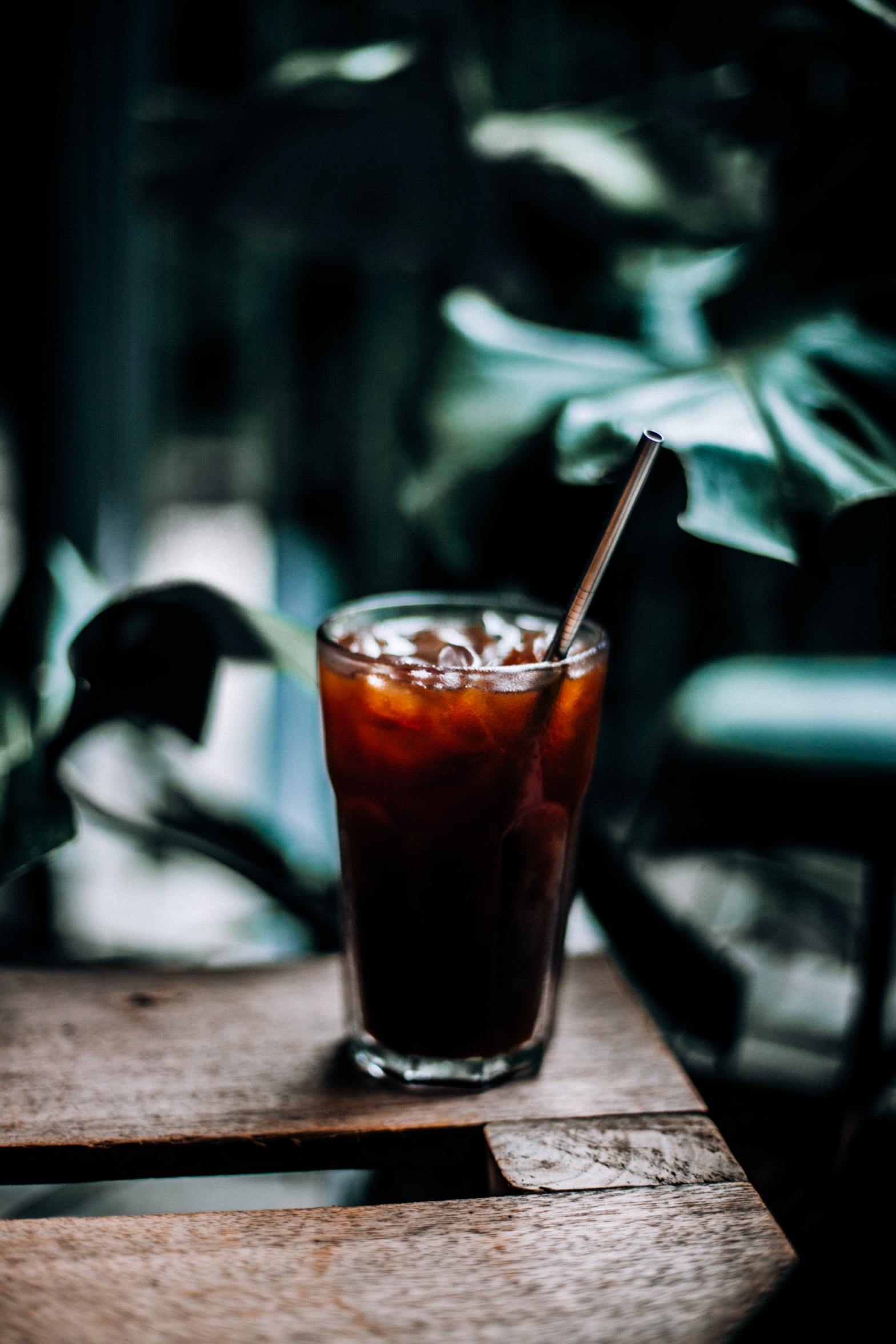
Photo by Nick Jio on Unsplash

What do you think about it? Have you ever exchanged items with your friends? Would you like to do it, like when you were a child and you exchanged stickers?

Do you know that there are Local Exchange Trading Systems (LETS) where you can trade not only things but also services?

In times of crisis, it would be good to start applying new economic models, like the sharing economy, where individuals can hire out things like their cars, homes and time to others in a peer-to-peer modality. We exchanged our home for vacation for many years through a website called Home Based Holidays, and on the Web you can find many more. No worries about your belongings: they come to you place, but you go to theirs!

Once, at a second hand market I bought a sweater made by a famous French brand for 2 euros. I was astonished and the lady told me: What I don’t like any longer, you may like it.

Actually this is the principle: instead of buying things that we maybe use only once, or we get tired of soon, like children with their toys, we could start exchanging them.

It will be a step towards a more sustainable economy, that will bring us some benefits like reducing negative environmental impacts by decreasing the amount of goods needed to be produced, and cutting down on industry pollution. It will also increase recycling items and grant access to people who can’t afford buying certain types of goods or use them only from time to time.

All this is also in the perspective of the degrowth theory, that will let us go towards strengthening our belonging to our local community.

By the way, I have been using that sweater since then!

Photo by Norwood Themes on Unsplash

Scambio di prodotti, ovvero ritorno al baratto

Estate 1959, Mosca. Durante una riunione ufficiale, il capo dell’Unione sovietica, Nikita Chruščëv, beve una Pepsi Cola. Yes, vittoria! Si rallegra discretamente un membro della riunione.

L’uomo contento è un rappresentante della famosa marca americana di bibite, Donald Kendall.  Quella sera, Kendall aveva un obiettivo: convincere i russi a vendere la loro bibita in quel paese immenso.

Però Kendall ha gridato vittoria troppo presto. Se a Chruščëv piace la Pepsi, siamo ancora ai tempi della “guerra fredda”. Non se ne parla proprio di consumare un prodotto proveniente dall’America capitalista!

Ma qualche anno dopo, quando le relazioni tra i due paesi migliorano, Pepsi tenta di nuovo il colpo. E questa volta i russi ci vedono anche un loro interesse perché potranno vendere vodka agli americani.

L’affare si potrà fare solo senza utilizzare la moneta: la Russia rifiuta i dollari dei capitalisti americani e non può far uscire i rubli dal paese.

Quindi si ritorna alla forma più antica di scambio: il baratto. I russi autorizzano gli americani a vendere la loro bibita sul loro suolo, in cambio della vendita di vodka sul suolo americano.

Questo scambio Pepsi contro vodka continua per degli anni, ma nel 1979 gli USA non vogliono più scambiare Pepsi per vodka.

Quindi Pepsi trova un’alternativa. Anziché regolare gli scambi in vodka, i russi potranno pagare con le loro vecchie navi di guerra. Pepsi rivende così la vecchia ferraglia per ottenere un buon profitto.

Photo by Nick Jio on Unsplash

Cosa ne pensi? Hai mai scambiato degli oggetti personali con dei tuoi amici? Ti piacerebbe farlo, come quando eri bambino/a e scambiavi le figurine?

Sai che esistono delle reti di scambio locale, non solo per prodotti ma anche per servizi? In Italia, ad esempio, abbiamo la Banca del tempo.

Oggi si sente anche parlare di “sharing economy“, cioé quel tipo di modello in cui gli individui affittano o “condividono” cose come la propria auto, casa e/o tempo con altri. Per anni abbiamo scambiato casa per le nostre vacanze estive tramite la piattaforma Home Based Holidays, ed ha sempre funzionato benissimo. Niente paura se lasci la tua casa in mani di sconosciuti, per loro é la stessa cosa!

In tempi di crisi non sarebbe male cominciare ad usare nuovi modelli economici, scambiarci le cose che abbiamo, affittarle o venderle per pochi soldi. Qualche anno fa, ad un mercatino dell’usato comprai per 2 euro un maglioncino di una famosa marca francese. Di fronte alla mia faccia stupita, la signora mi disse: “Quello che non piace più a me, piace a te.” E’ proprio questo il principio: anziché continuare a comprare cose delle quali ci stanchiamo presto, un po’ come i bambini con i giocattoli, potremo iniziare a scambiarcele. Faremo così un passo verso un’economia più sostenibile, riducendo la nostra impronta ecologica perché si produrrebbero meno beni e logicamente si userebbero meno risorse, che sappiamo essere limitate. Di conseguenza, si ridurrebbe l’inquinamento, anche perché potremmo riciclare di piú. Se poi abbiamo bisogno di una cosa solo una volta, perche comprarla quando la possiamo chiedere in prestito? Tutto questo é anche nell’ottica della teoria della decrescita. Non dimentichiamo poi che questo modello rafforzerebbe anche la nostra appartenenza alle comunitá locale.

A proposito, quel maglioncino lo uso ancora oggi!

Photo by NordWood Themes on Unsplash