Today, Easter Sunday morning a sudden snowstorm swept over the island. Between the greening hedges lay snow. My young son drew me to a little apricot tree by the house wall away from a verse in which I pointed the finger at those who were preparing a war which could well wipe out the continent, this island, my people, my family and myself. In silence we put a sack over the freezing tree.
I find this poem very appropriate to the times we are living in. Unfortunately.
Are you feeling the need to relax but unsure which relaxation method suits you best? Let’s explore some of my favorite techniques which can help you unwind and rejuvenate. Choose the one that resonates with you the most, and embark on a journey of self-care.
Mindful Breathing: Embrace the Power of Conscious Respiration – Have you tried mindful breathing to ease stress and promote relaxation? Unlike our usual unconscious breathing, mindful breathing requires intentional focus. Find a comfortable spot, sit down, and inhale deeply through your nose, allowing your belly to expand. Exhale slowly through your mouth, emptying your belly. Concentrate on the rhythmic flow of air through your body. Practicing this mindful breathing technique at least three times a day can significantly reduce stress. You can do it anywhere, anytime – just take a minute for deep, conscious breathing, and feel the relaxation take over.
Meditation: Embracing Mindfulness for Inner Peace – Discover the simplicity of mindfulness meditation to care for your mind and well-being. Close your eyes and concentrate on the sensation of air entering and leaving your nostrils. Stay focused, redirecting your attention to your breath if your mind wanders. Meditation doesn’t have to be complicated – even a few minutes can make a difference. For those who love technology, there are meditation apps that guide and support your journey. Incorporate short meditation sessions to your day to experience a profound sense of tranquility.
Massage: Unlock Serenity and Well-Being – Tension can melt away with a soothing massage, providing a sense of serenity and relaxation. If you can’t access a professional massage, consider massage devices for targeted relief on your neck, feet, back, or head. From massage chairs to eye masks, various tools are available to help you unwind. Try simple solutions like rolling tennis balls under your feet for a DIY reflexology session. Reclaim your calm and bid farewell to stress.
Yoga and Pilates: Nurturing Physical and Mental Health – Explore the combined benefits of Yoga and Pilates for both physical and mental well-being. While Yoga emphasizes the mind-body connection, Pilates engages your muscles deeply. Whether you prefer the meditative flow of Yoga or the dynamic exercises of Pilates, these disciplines contribute to overall health. Incorporate these practices into your routine to enhance relaxation and build resilience against life’s challenges.
Aromatherapy: Elevate Your Mood with Aromatic Bliss – Harness the power of aromatherapy by using plant essences to promote relaxation. Essential oil diffusers can atomize oils, creating a calming atmosphere. Some favorite relaxation oils include Lavender, Neroli, Marjoram, Grapefruit, Mandarin, and Scots Pine. Each oil brings its unique properties, from sedative and calming effects to stress relief and emotional balance. Experiment with these scents to find the perfect aromatic escape that suits your relaxation needs.
These are my top relaxation methods, each offering a unique path to tranquility. Choose the one that resonates with you or mix and match to create your personalized self-care routine. Remember, taking care of yourself is a powerful step towards a more relaxed and balanced life. Share your favorite relaxation method or discover new ones to enhance your well-being!
Thank you for reading! Please sign up for my blog crisbiecoach so you don’t miss out on any posts!
What is the ego? Is it really negative? How to keep it under control?Is the ego a friend?
The word ego comes from the Latin and means “I”. It is difficult to define it because it is not visible and it manifests mainly in a negative way. It is easier to recognize the ego in others than in oneself.
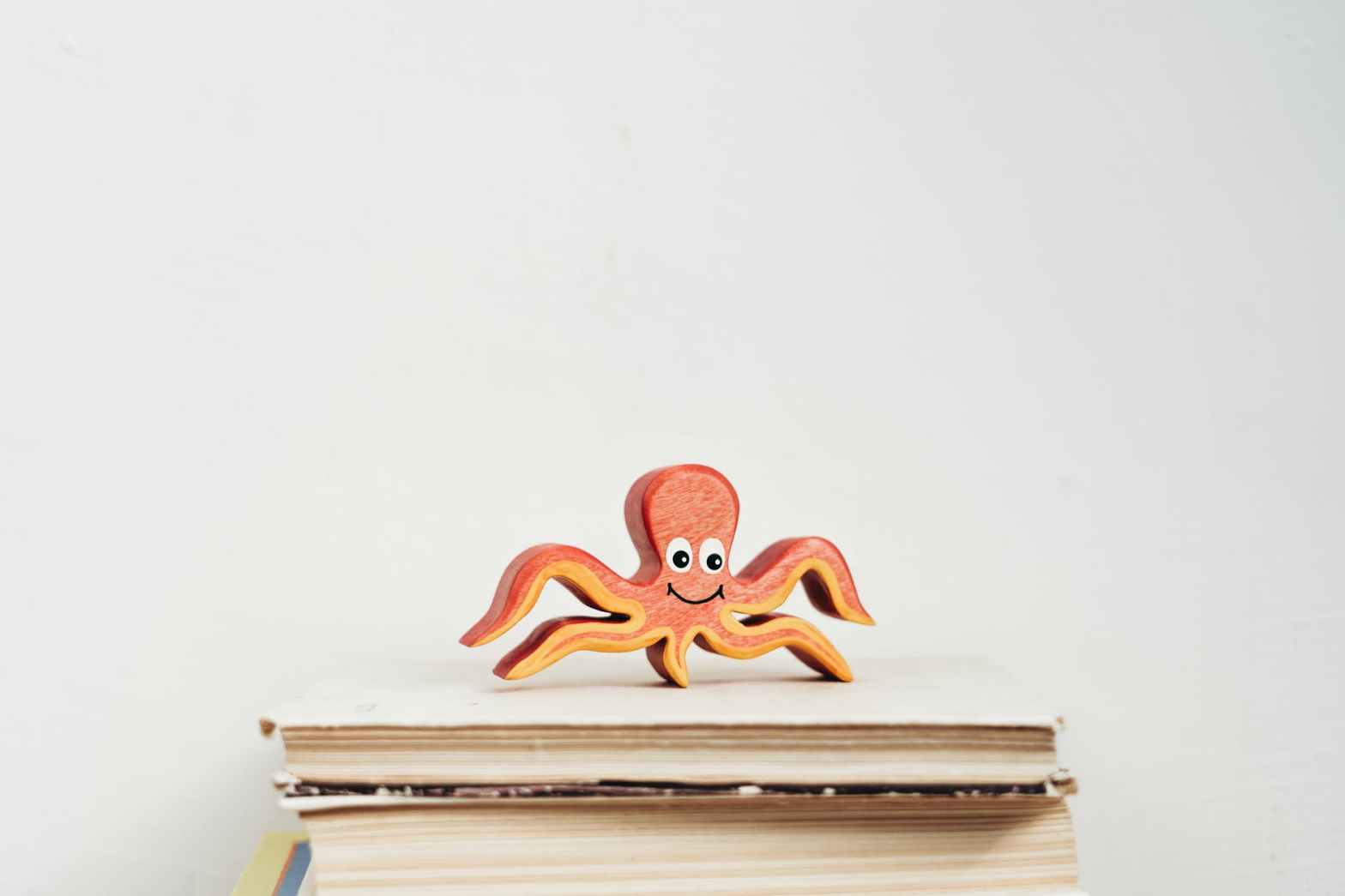
Sometimes, the ego is represented with animals. The octopus, the bloodsucker, any parasite, the wolf or the tiger. Or it is also represented with objects. Mask, dress, glasses, onion, egg or even serious illnesses.
It is a mystery and a paradox at the same time. The ego is us but not really us. It is a false self, or a pseudo self. It is not the personality but a part of the personality. It is not our true consciousness, but an altered, partial and non-objective consciousness. It does not represent a real need, but it wants to make us look perfect in a certain way, it wants to control everything and always be right. It is not real, but an illusion, an empty shell, which is based on fear, separation, loneliness and opposition. The ego can be a defensive or an aggressive reaction. In reality, the ego tries to protect us from showing our vulnerabilities.
Is the ego negative?
For Westerners, the ego is a necessary evil with which we must live, it is not so serious, indeed sometimes it can be useful or even positive. In fact, Western civilization since 1623 is based on the ego thanks to Descartes.
On the contrary, for spiritual masters, most of them Orientals, the ego has nothing positive, since it is the opposite of love, it represents our dark part, our Mr. Hyde, our shadow zone.
The ego is a false friend that makes us lack authenticity, honesty, and humanity. This is why certain traits of our character might be selfishness, self-centredness, narcissism, individualism, greed, possessiveness, materialism, avarice, susceptibility, and even paranoia. The ego is responsible for almost all of our negative emotions, especially hatred. It pushes us to defend ourselves, to justify ourselves, to rationalize, to deny the evidence, and generates childish behaviours. Escape, rejection, negative or destructive communication (like haters). It can also be responsible for toxic relationships, manipulation, harassment, and violence in a broad sense.
Why would we keep the ego under control?
On an individual level, keeping the ego under control would mean being happier, having better physical and mental health, more self-confidence, connecting better with others, living in harmony, having happier relationships, more energy, and being even more efficient.
On a social level, keeping it under control would help society overcome racism, sexism, nationalism, domination, oppression, exploitation, delinquency and even war! It would allow us to live better together, to develop a sense of brotherhood, equality, cohesion, solidarity, understanding and peace.
How to keep the ego under control?
It is impossible to eliminate the ego, because it is part of our personality. What we can do is trying to control it.
At the social level there are institutions such as the family and school that are delegated to this role. Other institutions, such as the police and justice, try to correct it.
We can try to transform the ego into our ally with meditation techniques, practising yoga, or using psychotherapeutic techniques that can help us to be more attentive, conscious, and to become more collaborative. We will be able to learn to listen, to help, to forgive, to let go, to create, to laugh and make people laugh, and of course to love.
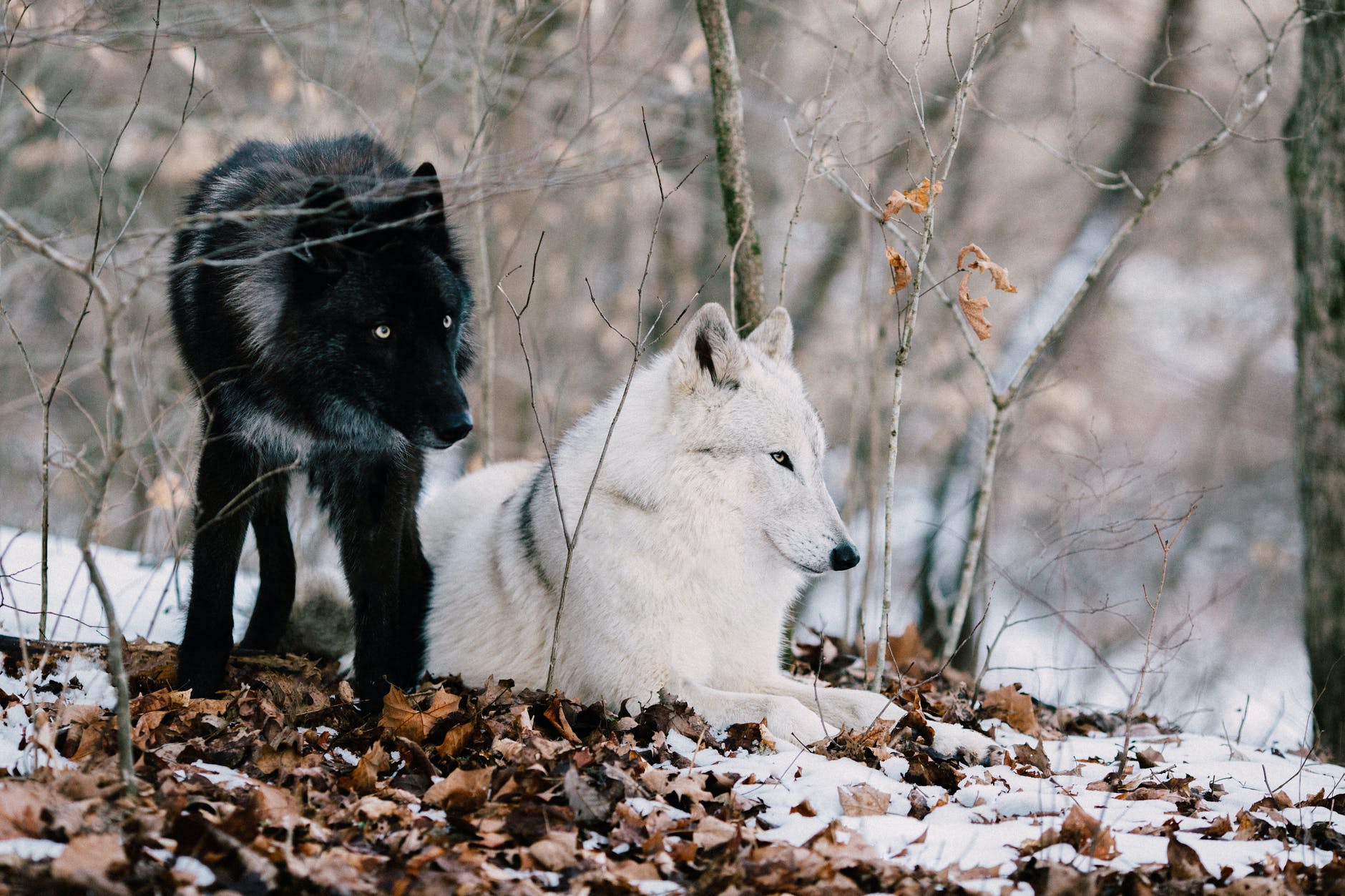
I would like to conclude with a short story, The Story of the Two Wolves.
“One evening, an old Indian grandfather tells his grandson the story of the two wolves.
In each of us coexist two wolves, constantly fighting. One is bad, angry, jealous, sad, greedy, arrogant, liar, feels superior to the other wolf.
The other wolf is kind, empathetic, generous, sincere, compassionate, cheerful, peaceful, serene, hopeful, and humble.
The grandson asks his grandfather: “Who wins between the two wolves?”
Grandpa simply answers, “The one you feed will be the winner.”
Folding
1000 origami cranes is believed to bring good fortune. Today, this ancient Japanese
practice has spread around the world, embodying faith, hope and peace.
According to an ancient Japanese belief, folding 1000 paper cranes can bring good fortune in your life. According to the legend, the crane may live for a thousand years; each paper crane represents one year in the majestic bird’s life. After you complete 1000 origami cranes, your wish will become truth. The 1000 origami cranes suspended in the air are often made by groups of people who join forces to achieve this goal. This tradition often supports a good cause or a special occasion like a marriage. The latter is popular with the Japanese American community, which assigns meanings to different colours: red is love, white is purity, gold is wealth, green is health, yellow is creativity, blue is loyalty, and purple is spirituality.
The custom has spread all over the world thanks to Sadako Sasaki, who was just two years old when the atomic bomb was dropped on Hiroshima. She developed leukaemia and, inspired by the senbazuru story, began folding cranes – first for her health, then, when she realised that she would not survive, for world peace. She made 644 origami, and her family and classmates completed the task and folded the missing cranes in her honour. To remember Sadako and the other children victims of the nuclear bomb, the Children’s Peace Monument has been built within the Hiroshima’s Peace Memorial Park. Around 10 million paper cranes are sent to the monument from all around the world every year – proof of how Sadako’s message of peace has widely flown, and an example of how one person can make a difference.
The beauty of origami is not only a practice. Ultimately, you will make something personal that you can give to someone you care about. Moreover, not only you can share the physical gift of origami, but also you can use the making process to think of your beloved ones.





 Crisbie Coach