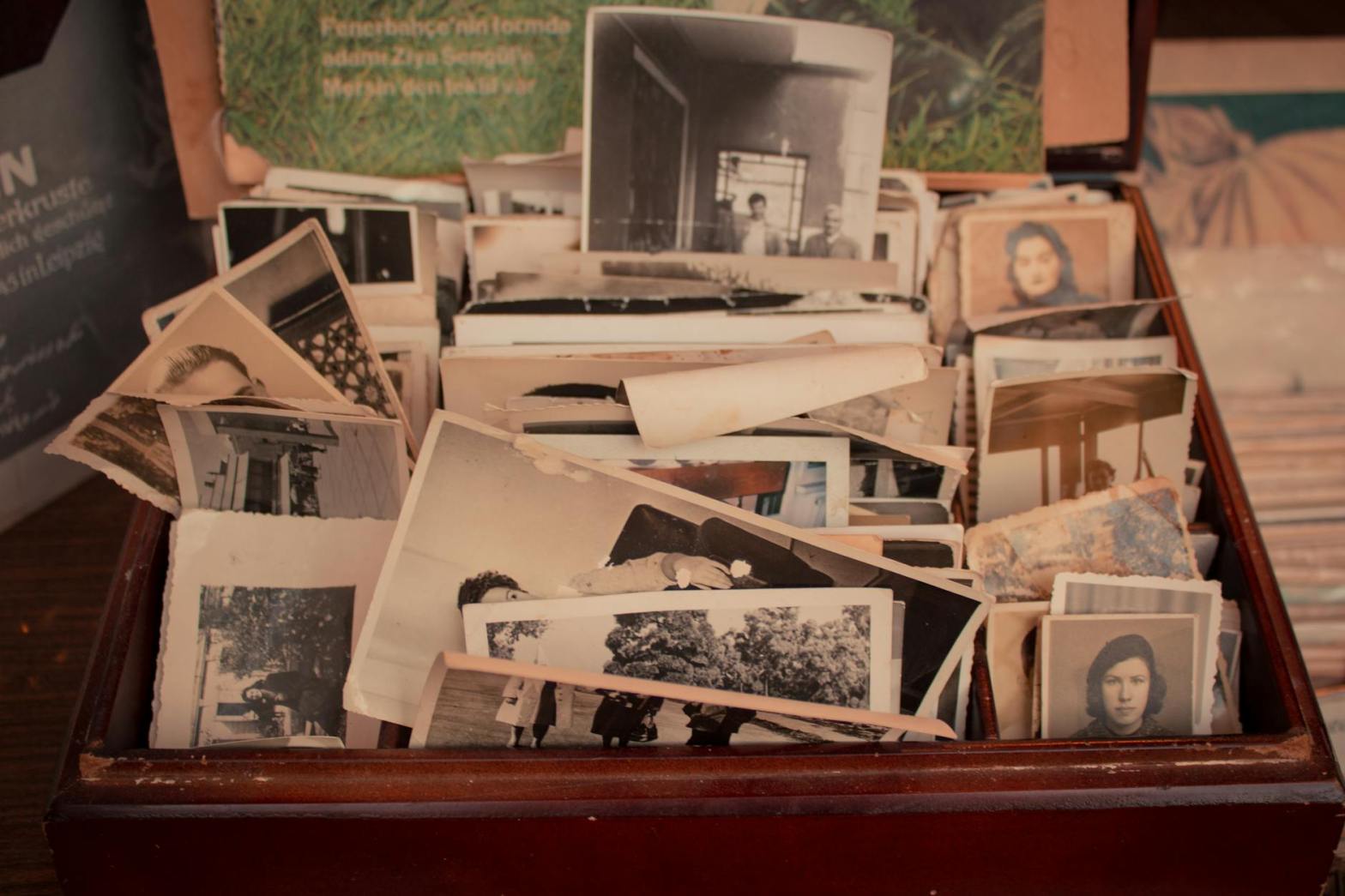
Nostalgia: Why Reflecting on the Past is Crucial for Mental Health

Nostalgia protects against existential challenges, helping us cope with the present and future by evoking positive experiences and feelings from the past. This powerful emotion serves as a rearview mirror, reflecting a particular time, place, or emotion that once brought joy or comfort. Whether it’s the memory of your first love, a yellowed photograph found by chance, or an object that stirs a significant memory, nostalgia plays a crucial role in our mental well-being.

How the Internet Fuels Nostalgia

In today’s digital age, the Internet has become a key driver of nostalgia. With just one click, you can find the soundtrack of a cherished moment from your past, instantly transporting you back in time. Experts suggest that nostalgia is a complex emotion—predominantly positive—that enhances our sensitivity and helps us understand the present.

The Origin of Nostalgia

The term “nostalgia” was coined in 1680 by Johannes Hofer, a student at the University of Basel. He combined the Greek words “nóstos” (homecoming) and “algia” (suffering) to describe the deep longing Swiss soldiers felt to return home from battle. Today, we understand nostalgia as a positive and stimulating emotion, distinct from melancholy, which does not cause illness symptoms but helps combat them.

Nostalgia as a Source of Resilience and Wellbeing

Research from the University of Southampton in the UK highlights nostalgia as a vital mental health component. It motivates us, boosts our self-esteem, and serves as a reservoir of emotions that we can consciously and unconsciously access. These positive memories reinforce feelings from our past, aiding us in coping with current and future challenges.

While nostalgia allows us to recall the past, it does not bring back what we have lost. Instead, it helps us better manage the life we are living. By tapping into nostalgic memories, we can find comfort and strength, making it an essential tool for resilience and well-being.

Does Nostalgia Help You Manage Your Life?

Reflecting on your own experiences, do you find that nostalgia helps you manage your life? Share your thoughts and let me know how nostalgia influences your mental health and daily coping strategies.

Thank you for reading! Please sign up for my blog crisbiecoach so you don’t miss out on any posts and also for Wise&Shine an incredible online magazine!
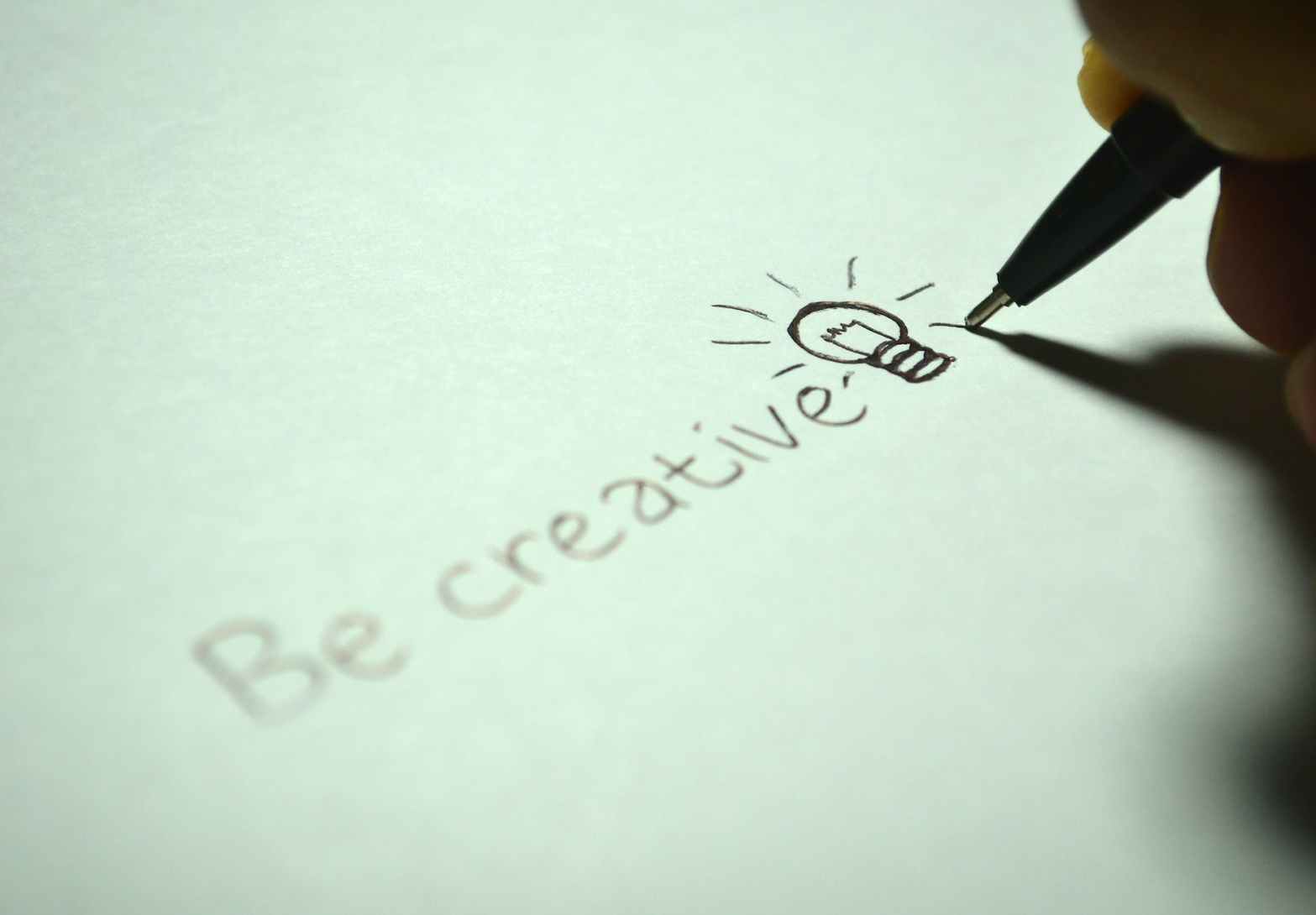
Nurturing Creativity: Unleashing the Vital Skill for the Future

In the fast-paced world of tomorrow, creativity stands tall as one of the essential skills. In this article, I aim to demystify the concept of creativity and provide you with valuable resources to delve deeper into this skill.

Beyond the conventional perception of creativity being limited to artists and innovators, I explore its universal relevance, the process it entails, and how anyone can harness and enhance their creative capabilities.

Unveiling the Real Essence of Creativity

Commonly, creativity is associated with individuals possessing extraordinary artistic or inventive talents. However, this narrow view is debunked by creativity expert Sir Ken Robinson. In his immensely popular TED talk, Robinson reshapes our understanding of creativity, emphasizing:i

  • Creativity’s significance across all spheres of life and work.
  • The inherent creativity we are born with but tend to outgrow.
  • The misconception that creativity thrives only when boundaries are absent; in reality, it often thrives within constraints.
  • Viewing creativity as an ongoing process, not a singular event, and thus, acquirable by all.

Creativity, Imagination, and Innovation Distilled

Distinguishing creativity from imagination and innovation is crucial. The following definition outlines the two fundamental phases of the creative process:

  • Generating ideas.
  • Making judgments to evaluate the value of those ideas.

This dual-phase approach sheds light on the myriad factors that foster creativity, including cognitive abilities, knowledge, thinking styles, motivation, personality traits, and environment.

Fostering Creativity: Techniques and Strategies

While no foolproof formula exists to boost creativity, several techniques can be beneficial:

Empowering Resources for Unleashing Creativity

A wealth of online resources awaits those seeking to enhance their creative prowess:

Embrace the exciting journey of nurturing your creativity, a skill pivotal for the future. Shedding the misconception of creativity being exclusive, the universal relevance is unveiled and the process demystified. With an array of techniques and resources at your disposal, you’re empowered to unlock your creative potential and contribute meaningfully to the ever-evolving world. So, dive in, explore, and enjoy the transformative power of creativity!

Why I Think Happiness at Work is Overestimated

“The Dalai Lama, when asked what surprised him most about humanity, answered “Man! Because he sacrifices his health in order to make money. Then he sacrifices money to recuperate his health. And then he is so anxious about the future that he does not enjoy the present; the result being that he does not live in the present or the future; he lives as if he is never going to die, and then dies having never really lived.”

Why do I think that happiness at work is overestimated? My job is okay but am I really happy? I don’t think I would stop working in the sense that I would sit doing nothing, but I would no longer work for money. I would dedicate myself to one of my passions, for example writing. I would also volunteer, and go to Pilates more often.

I would more or less continue to live the life I am living now without doing the same job and without feeling obliged to earn enough to make my living. This is actually the core issue. In most of the cases we work to support ourselves and our families and not because we like it. So talking about happiness at work is overestimated, at least in some cases. Ask some underpaid workers who work on the assembly line if they are happy to go to work. Or to a teacher harassed by the students if their job motivates them. Or a nurse doing stressful night shifts, if they’d rather work during the day.

The concept of happiness at work seems to me a bit forced, yet a lot of people talk about it, without considering that a large number of employees do not like the work they do but have no other choice, especially in an economic downturn such as the current one (at least in Europe). It seems to me a bit like a race towards a goal that cannot be achieved.

Then let’s look at the increase of the cases of burn-out. In Europe, France holds the record with their 10% of active population suffering from burn-out. Is it better in other European countries? Actually, the key question to ask would be if there is a good balance between private life and working life. People are better where governments implement policies to balance work with life.

The problem of work is therefore the space it occupies in our lives, space and not time. Space means not only the time actually spent at the workplace, but also the time spent thinking about work, the famous work that you take home and that interferes with your private life.

What to do then to change this constant thought that we have towards work?

Have a look at the techniques I described in the following posts:

5 Tips to Start The Day Anxiety-Free

5 Reasons Why Hiking Is Good for the Body, Soul And Spirit

How to Relax in 10 Steps: Making Space Within You

Try also to be grateful for what you have without thinking that this means lack of ambition. It simply means to stop chasing a chimera and to seek your well-being in what you have. Well-being, not happiness, because well-being is a state that can become permanent, while happiness is a moment, or some moments, that may fade away soon.

Pursuing well-being means beginning a journey made of small steps that could lead us to happiness but if the longing for happiness is not achieved, the most important thing is being well.

What about you? If you would win € 2 million, would you keep going to work?

Cultivating Trust in Life

In life it happens sometimes that the difficulties are transformed into problems and that the efforts necessary to solve the complexities that life presents to us are important and sometimes last a long time. Sometimes we feel discouraged, and we feel like saying “Enough, I can’t take it any longer, when will it end?”. That’s how we lose trust in life.

Those who know the universal law of alternation continue to have confidence in life, whatever happens because they know that everything is change, renewal and impermanence. They were able to observe that an expansion necessarily follows a contraction and that after dark the light returns.  They are aware that one day things will change, and that life will make them smile again.

The guides who accompany the great expeditions in Kilimanjaro, one of the highest mountains in the world, use a Swahili expression to comfort fatigued walkers: “Polé, polé”, which means “slowly, slowly, one step at a time”.

Without interpreting what happens to us or projecting ourselves into a future that we do not know, we are left with only the concrete possibility of welcoming our moments of misfortune, without resisting them, because all the efforts will only cause loss of energy.

So, go ahead, keep on with trust in life, and slowly, slowly, one step at a time, you will find the light at the end of the tunnel.

You can find more articles on trust here.

brown brick tunnel
Light – Photo by Ksenia I on Pexels.com

Why nostalgia is important

Nostalgia is a shield against existential challenges. Evoking positive experiences and feelings from the past can help you cope better with the present and the future.

Nostalgia is a rear view mirror that reflects a particular feeling of a time or place or an emotion that happened in the past. It could be the memory of your first love, a yellowed photograph found by chance, or an object that reminds you of something. The Internet can help make you nostalgic. With one click you can find, for example, the soundtrack of a pleasant moment you lived.

Photo by Laura Fuhrman on Unsplash

Today, experts tell us that nostalgia is a complex emotion, above all, but not always, positive, which can give you greater sensitivity and can help you understand the present.

The word nostalgia was invented in 1680 by a student (Johannes Hofer) from the University of Basel who combined the Greek word nóstos (homecoming) and algia (suffering). He described it as the pain that the Swiss soldiers felt in battle and that they wanted to go home.

Current studies distinguish nostalgia from melancholy because it has a stimulating effect and does not cause symptoms of illness, rather it tries to fight them.

Could it be said that nostalgia is a source of resilience and wellbeing?

Researchers from the University of Southampton (UK) have observed that nostalgia is a vital component of mental health that motivates us and increases our self-esteem.

Nostalgia also represents a reservoir of emotions that you can consciously access and which you unconsciously use in your daily life to reinforce the feelings of your past that help you cope with the present and the future.

But remember that the past can be recalled but cannot come back. Nostalgia does not give you back what you have lost but it helps you to better manage the life you are living.

Do you think nostalgia helps you with managing your life?

Photo by Alexander Schimmeck on Unsplash

Three Tips to Fight Frustration

The pandemic has put us in front of an uncertain future and left us with negative emotions.

We have all experienced as children the disappointment of asking for something that was then denied. It could also happen that we started crying and this drove our parents crazy. They labelled this behaviour as a whim.

Actually, frustration is present in all stages of life and our success also depends a little on how we manage this typical human emotion.

A Zen master summarizes happiness in a simple formula: happiness is the reality that we live less than what we want or hope to achieve.

When what you want outweighs what you have, then you are faced with what Carl Gustav Jung used to say: “Life not lived is a disease from which you can die.”

In our society where competition and instant satisfaction prevail, frustration necessarily accompanies us more or less always, because as soon as we have satisfied a wish, another one comes.

This period of pandemic has made us move from unbridled consumerism to a culture of cancellation (cancellation of holidays, cancellation of dinners with friends, cancellation of medical appointments, etc.).

Has this sudden change affected your life? See if you have any of the symptoms listed below to understand if you have become a frustrated person:

  1. you are often melancholic;
  2. you experience increased irritability, tension and stress. Things that didn’t bother you before now make you jump up;
  3. you have negative thoughts that come back all the time, stealing you energy and sometimes sleep;
  4. you have increased consumption of alcohol and medicines taken without medical advice;
  5. you want to run away.
Photo by Oscar Aguilar Elías on Unsplash

If you recognize yourself in one or two of these characteristics, then it means that frustration has taken over part of your life.

Here are some tips that will help you get through this moment:

  1. cultivate patience. It may seem obvious, but it is very effective. As a child as well as an adult, frustration occurs when you don’t get what you want. If the parents don’t buy you the toy you want when you ask for it, but they tell you they will offer it to you over your birthday, that doesn’t make you feel better. In times of crisis, if we do not know when the situation that creates frustration will end (as now, which the spread of Covid has resumed in a rather important way) we could lose hope. Against this view, only a long-term perspective will help you. Although you don’t know how long the situation will last, knowing that there is light at the end of the tunnel helps you to live in the present moment.
  2. analyse what you get from it. Just as energy is not created or destroyed, but it is transformed, even losses can bring you gains. If you could not leave for that trip you wanted so much, think that you have saved some money and as soon as you can leave again, you will have greater financial availability. If you have lost your job because the company where you used to work has closed down, you will be forced to evaluate other possibilities, to get back into the game and maybe you can start an independent business that you never would have thought of before and that finally it is worthy. To fight frustration you have to ask yourself: What do I gain from this loss?
  3. think that everything changes. Nothing we have will last for ever. Even if we could satisfy all our wishes, it would always be a temporary satisfaction. If nothing remains as it is but everything changes, then the frustration loses its meaning.

The following thought is attributed to the painter Eugéne Delacroix: “Desire the best, avoid the worst and take what comes”. If you follow this motto, instead of holding on to expectations, you will take things as they happen. You will feel more in the flow of events, even chaotic, that life sometimes offers you.

Do you feel frustrated in this period of pandemic that is not over yet nor do you know when it will end?

Photo by Steve Johnson on Unsplash