

Do You Know the Story of Ferdinand the Bull?

This is a story about a bull named Ferdinand who lives in Spain. Unlike his young bull brothers who like to run, jump, and butt their heads together, Ferdinand prefers to sit quietly and smell the flowers. He is gentle and peace-loving.

One day, men come to pick the biggest, fastest, and roughest bull for the bullfights in Madrid. Despite his calm nature, Ferdinand is mistakenly chosen after accidentally sitting on a bee, making him jump and snort in pain, appearing fierce.

When Ferdinand is taken to the bullfight, everyone expects him to be a ferocious fighter. However, Ferdinand remains true to his nature. He simply sits in the middle of the arena, smelling the flowers in the ladies’ hair, refusing to fight. Ultimately, he is taken back to his peaceful pasture where he can continue to enjoy the flowers.

The story of Ferdinand is celebrated for its message of nonviolence and individuality. It emphasizes the importance of being true to oneself and not conforming to societal expectations.

The Story of Ferdinand was banned by Nazi Germany and other fascist regimes because its themes of pacifism and non-conformity were seen as subversive to their ideologies. The book’s promotion of peace and individualism directly contradicted the militaristic and conformist values promoted by these regimes.

In Nazi Germany, literature and art were heavily censored to align with the state’s propaganda and ideological goals. Anything that encouraged critical thinking, individuality, or opposition to violence was considered dangerous. Ferdinand’s refusal to fight, his contentment with simply smelling flowers, and the overall anti-war message of the book were seen as promoting ideals that could undermine the aggressive, war-driven mentality the Nazis sought to instill.

Similarly, the book was banned in Francoist Spain for similar reasons. Francisco Franco’s fascist regime viewed the book’s peaceful and non-conformist themes as a threat to the authoritarian and militaristic values it was trying to enforce.

In contrast, during the Spanish Civil War, the book was embraced by leftist and anti-fascist groups, who saw it as a symbol of resistance against tyranny and war.

The banning of “The Story of Ferdinand” by these regimes underscores how literature can be powerful in promoting ideas that challenge authoritarianism and advocate for peace and individuality.

What do you think about banning books from schools, something that is happening also nowadays?

Thank you for reading! Please sign up for my blog crisbiecoach so you don’t miss out on any posts and also for Wise&Shine an incredible online magazine!

Embrace Your Cracks – Finding Beauty in Imperfection

I read this story that I want to share with you because I find it very beautiful.

An elderly Chinese woman owned two large vases, which she carried hanging from the ends of a long pole resting on her neck.

One of the two vases had a crack, while the other was intact.

Every day, the elderly woman brought home a vase and a half of water.

The intact vase was proud of itself, while the broken vase was terribly ashamed of its imperfection because it could only perform half of its task.

After a while, it finally found the courage to speak to the elderly woman, and from its end of the pole, it said, “I’m ashamed of myself because my crack makes you bring home only half of the water you collect.”

The elderly woman smiled and said, “Have you noticed that on your side of the road, there are always flowers, while there are none on the other side? This happens because, since I know you have a crack and let the water leak, I planted flower seeds only on your side of the road. So every day, when we return home, you water the flowers.”

Throughout this time, I have been able to gather flowers that have brightened up my home and my table. If you weren’t the way you are, I would never have been able to delight in their beauty and decorate my dwelling.

Here is the moral of the story

Each of us obviously has our weak side. But it’s the cracks and imperfections we have that make our life together interesting and beautiful to live.

You just need to be capable of taking each person for who they are and discovering their positive side.

A hug to all those who feel like a broken vase, and remember to enjoy the scent of the flowers on your side of the road!

Hanami, a Japanese tradition also known as cherry blossom contemplation

In the shade of cherry blossoms, there are no more strangers.

Kobayashi Issa, Poet

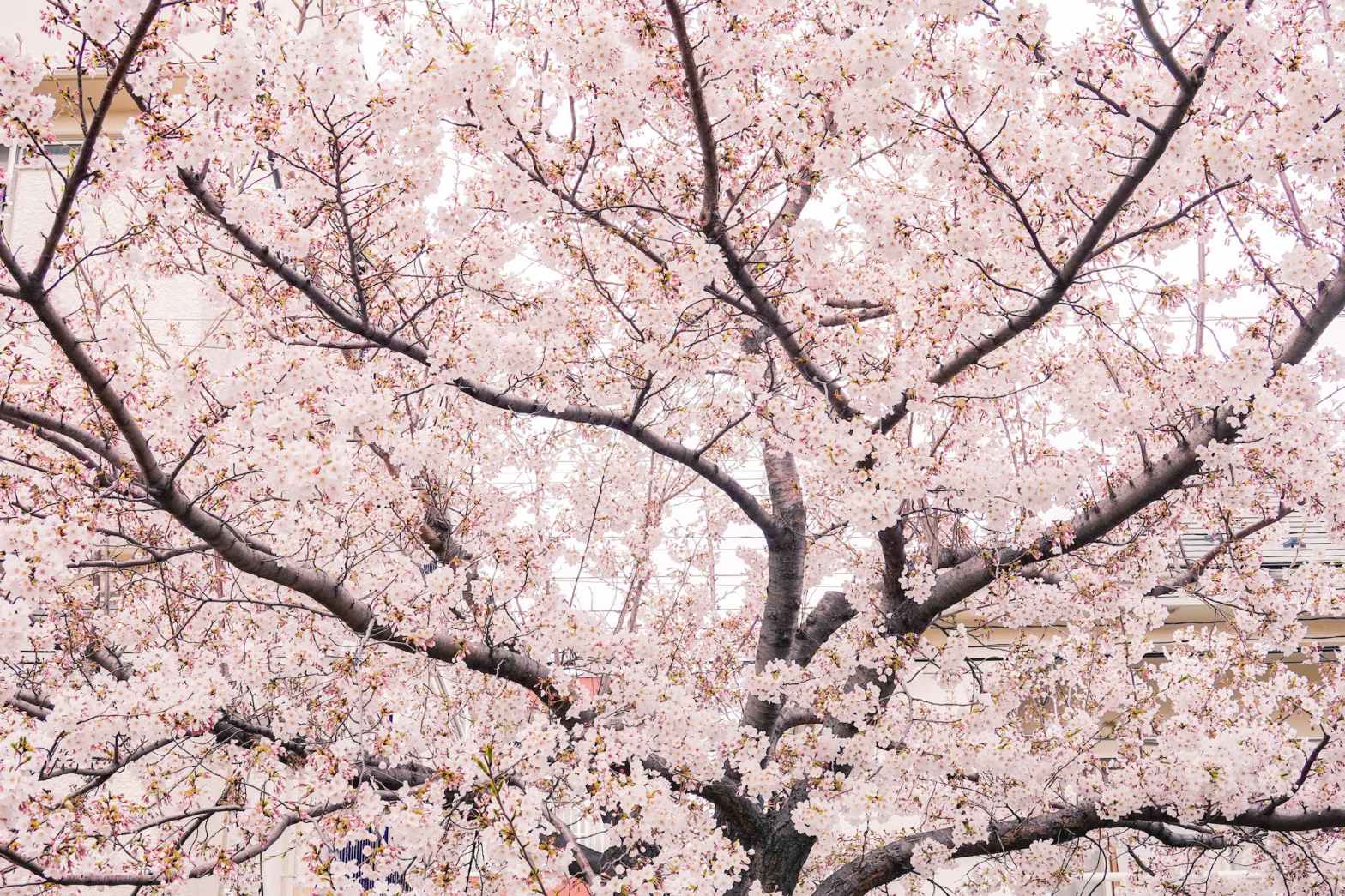
Have you ever heard of the beautifully simple Japanese tradition of Hanami, also known as “flower contemplation”, better known as “cherry blossom contemplation”? It is an ancient practice of contemplating the flowers.

Life is beautiful yet fleeting. This is the feeling behind the Japanese celebration of Hanami. Every spring, friends and families gather to organize picnics and parties under the beautiful cherry blossoms. Otherwise known as Sakura, the flowers appear for a very short period between March and May, embellishing the Japanese landscape with their delicately fragrant presence.

Sakura bloom for only two weeks before the wind spreads them in nature, so the flowers symbolize the beauty and ephemerality of life. As we admire these beautiful flowers, we remind ourselves that every moment is a gift and should be celebrated as such. In this way, we learn to let our lives flourish and to appreciate every moment of joy, love and wonder that the wind brings us.

“Sa”, which means “god” (神), refers to the god of the rice fields. “Kura” represents the stand used to honor a god with offerings of food and saké.

THE HISTORY OF SAKURA

The Hanami tradition is centuries old, with references dating back between 710 and 794, and it is inspired by the Chinese custom of admiring plum blossoms. Sakura were worshipped as gods in Japan, and when the cherry blossoms bloomed, it was a sign that the god had come down from the mountain and it was time to plant rice. Emperor Saga (Heian period from 794 to 1185) was the first to throw a real party on that occasion – with food, drink, music, and poems – after having admired a cherry tree at Jishu Shrine located in Kiyomizu Temple.

HANAMI IN MODERN TIMES

This activity is so popular – and has been for so long – that the Japan Meteorological Agency is even involved in forecasting tree blooms. Cherry blossom contemplation is one of the best experiences in Japan, but it can also be practiced in many other countries. There are famous cherry blossom parks in the United States, Canada, South Korea, Brazil, Europe, Taiwan and China.

ABOUT CHERRY BLOSSOMS

  • There are nine types of cherry trees in Japan and more than 100 varieties according to the Japan Cherry Blossom Association.
  • In addition, there are 200 other cultivated varieties.
  • Their colors range from white to dark pink, and the size and number of petals can also vary.
  • Some trees can reach up to 20 meters tall.
  • A tree can also be a national monument. The Miharu Takizakura in Miharu City is believed to be more than a thousand years old and 13.5 meters high and about 25 meters wide.

Do you like this flowers’ contemplation tradition?