Dispel Those 7 Beliefs About Solutions For Heatwaves

During heatwaves like the one we are going through, being in fresh areas, not going out during the central hours of the day and drinking lot of water (not iced water) is surely recommended. However, there are practices that are bad ideas, wrong beliefs and that you should avoid.

Photo by Massimiliano Martini on Unsplash
  1. I do not feel hungry so I do not eat. During periods of strong heat, it is recommended to eat foods with a high water content, such as strawberries (in Belgium we still have them and they are very good!), cucumbers, watermelon, melon, salad, courgettes, tomatoes and peppers. Everything that the summer season offers us. Nature always provide us with the best solution for every period of the year. You can also eat sorbets, yoghurt and white cheese. What you must avoid are fatty meals, because the digestion of fats involves an effort of the body that increases body temperature and consequently the perceived heat.
  2. Using the air conditioning at its maximum power. Using air conditioning is recommended but the temperature must be adjusted to a maximum of 10 degrees C lower than the outside one. Of course, if the outside temperature is 40 degrees C, 30 will be still a high temperature. However, a big gap between the outside and the insider temperatures weakens the body. And don’t forget to clean the filters.
  3. Drinking very hot drinks. A legend tells that people living in the desert use to drink very hot teas to fight the heat. However, this is not necessarily a good idea, actually it is what it is: a legend. The body temperature is around 37 degrees. Consuming a hotter drink would mean forcing the body to sweat and therefore going forward dehydration to eliminate the accumulated heats. Ideally, you should drink liquids between 12 and 14 degrees C.
  4. While sleeping, directing the fan to your face. A person who directs the fan towards the face in the morning will have dry nose, mouth and eyes. This is likely to give you a headache but you will definitely have a stuffy nose. It is recommended to put the fan a little further away from the bed and not to direct it to your face.
  5. Drink at least three litres of water a day. Actually, drinking a quantity of water between one and a half and two litres is more than enough. In case of over consumption the body will be forced to eject more through sweating or peeing, in this latter case overloading the kidneys.
  6. Nothing better than a beer to stay hydrated. Actually, alcohol dehydrates. If you drink a glass of beer, you must then drink water to compensate for the loss of water. Coffee and tea are also drinks that you do not want to drink too often for the same reason. Obviously, all carbonated and sugar-containing drinks are absolutely to be avoided.
  7. I wait for being thirsty before drinking. When you feel thirsty, it is already late. Your body is warning you that you have lost water. Experts recommend drinking small amounts of water often rather than a lot of water in a few moments of the day. It is important to keep the body hydrated throughout the day to avoid headaches, dizziness or feelings of fatigue.
Photo by Clint McCoy on Unsplash

And you, what habits have you adopted to fight heat waves like that one of this summer?
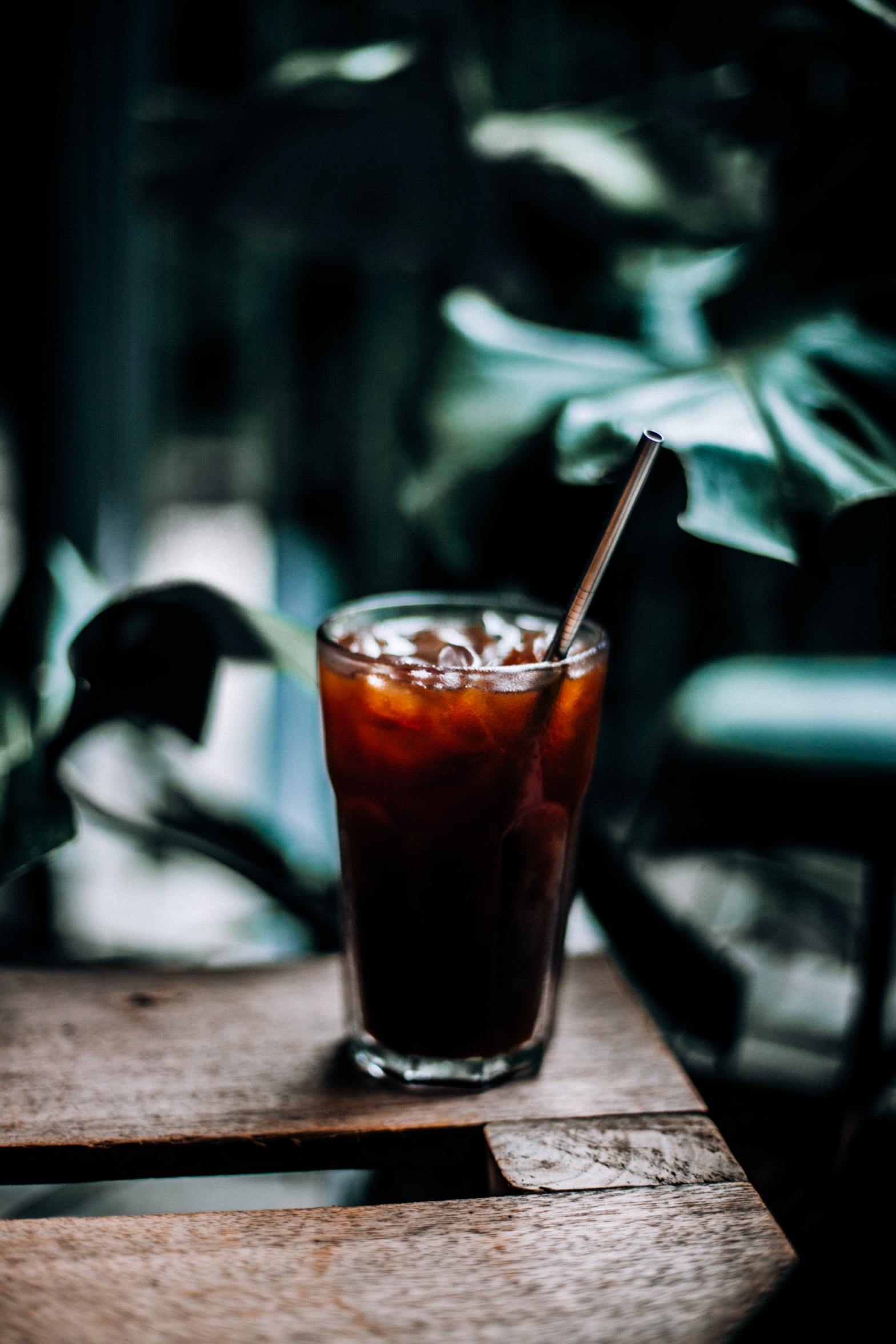
Exchange of Things: I Give Something to You, You Give Something to Me

Summer 1959, Moscow. During an official meeting, the head of the Soviet Union, Nikita Khrushchev, drinks a Pepsi Cola. Yes, victory! A member of the meeting discreetly welcomes.

The happy man is a representative of the famous American brand of drinks, Donald Kendall. That evening, Kendall had one goal: to convince the Russians to sell their drink in that immense country.

But Kendall shouted victory too early. If Khrushchev likes Pepsi, we are still in the times of the “cold war”. We don’t really talk about consuming a product from capitalist America!

But a few years later, when relations between the two countries improve, Pepsi tries again. And this time the Russians also see an interest in them because they can sell vodka to the Americans.

The deal can only be done without using the currency: Russia rejects the dollars of the American capitalists and cannot bring out the rubles from the country.

Then we return to the oldest form of exchange: bartering. The Russians authorize Americans to sell their drink on their soil in exchange for selling vodka on American soil.

This Pepsi exchange for vodka has continued for years, but in 1979 the US no longer wants to exchange Pepsi for vodka.

So Pepsi finds an alternative. Instead of regulating trade in vodka, the Russians will be able to pay with their old warships. Pepsi thus resells the old scrap metal to make a good profit.

Photo by Nick Jio on Unsplash

What do you think about it? Have you ever exchanged items with your friends? Would you like to do it, like when you were a child and you exchanged stickers?

Do you know that there are Local Exchange Trading Systems (LETS) where you can trade not only things but also services?

In times of crisis, it would be good to start applying new economic models, like the sharing economy, where individuals can hire out things like their cars, homes and time to others in a peer-to-peer modality. We exchanged our home for vacation for many years through a website called Home Based Holidays, and on the Web you can find many more. No worries about your belongings: they come to you place, but you go to theirs!

Once, at a second hand market I bought a sweater made by a famous French brand for 2 euros. I was astonished and the lady told me: What I don’t like any longer, you may like it.

Actually this is the principle: instead of buying things that we maybe use only once, or we get tired of soon, like children with their toys, we could start exchanging them.

It will be a step towards a more sustainable economy, that will bring us some benefits like reducing negative environmental impacts by decreasing the amount of goods needed to be produced, and cutting down on industry pollution. It will also increase recycling items and grant access to people who can’t afford buying certain types of goods or use them only from time to time.

All this is also in the perspective of the degrowth theory, that will let us go towards strengthening our belonging to our local community.

By the way, I have been using that sweater since then!

Photo by Norwood Themes on Unsplash