
My Trip to India, part 1 – A Day in Bangalore: Chaos, Connection, and the Taste of Tradition

My husband and I spent our first day in India in Bangalore, to meet with Monisha, a student that I met remotely during the running of a scientific project.

Bangalore doesn’t just wake up, actually it never sleeps. We arrived at 3 a.m. and there was already heavy traffic. In the morning, it exploded of life. The city’s energy is a living thing, a whirlwind of everyone having two, three, four and even more wheels honking, the scent of jasmine garlands, and the hum of a million conversations in Kannada, Hindi, and English. I arrived expecting what you may expect from India: traffic, people and animals everywhere, and maybe filter coffees, even though I prefer tea (and I must admit that it was difficult to find a good one despite the fact that India is a tea producer). What I found was a day so vivid, so unexpectedly human, that it’s still imprinted on my senses.

It started with a message from Monisha. “I am in your hotel lobby. Take your time and when you are ready I call a cab.” she texted. An hour later, we were squeezed into the back of a car, driving through lanes packed with vendors selling marigolds, steaming idlis, fabrics, clothes and all you can think about. Monisha told me that her mother would join us for lunch. “Excellent”, I said. The cab let us off in a shopping area (Bangalore doesn’t really have a city center, you are always in the center of something going on…). While waiting for her, we walked around looking the livelihood of the people. Everyone has something to sell, and everyone is smiling and welcoming. Finally Monisha’s mother, Shantha, arrived and greeted me with a smile that cut through the chaos. “Today, you eat like us,” she declared, and just like that, I was no longer a visitor but a guest in their world.

The Art of Eating with Your Hands

We stopped at a restaurant where they used to go when Monisha was a child and she had very good memories about that place. It was a kind of place where tourists would never go because they won’t be able to find it. You have to enter through a gate next to a shop, go up a stairs and then a door opens up for you. We didn’t order: food was brought with confidence by the waiters. I don’t remember what we ate, I just remember that it was excellent! All the food was served on a banana leaf and no cutlery is needed. You eat with your hands. There is what they call “wash room” where you can wash up your hands before eating. I watched as they deftly mixed food with their fingers, shaping it into a perfect bite. Hesitant at first, I followed suit but I have to admit that it was not easy. I don’t tell you about the stains I still have on my t-shirt and that they will never go away. But eating with my hands wasn’t just about taste. It was about texture, temperature, and the unspoken intimacy of sharing a meal.

Bangalore Palace: A Whisper of Royalty

With stomachs full and spirits high, we headed to the Bangalore Palace. Built in 1878 and inspired by England’s Windsor Castle, the palace is a surreal blend of Tudor towers, Gothic windows, and vine-covered walls. Inside, the Durbar Hall gleamed with gold leaf, while the ballroom felt like a set from a film. Monisha pointed out at the different paintings by Raja Ravi Varma. The gardens, lush and sprawling, offered a quiet escape from the city’s frenzy.

ISKCON Temple: Serenity in the City

Our final stop was the ISKCON Sri Radha Krishna-Chandra Temple. The moment we stepped inside, the city’s noise faded. The temple’s gold-plated spires and marble floors reflected the afternoon light, and the air smelled of incense and fresh flowers. Devotees chanted, their voices rising in harmony. Shantha had her hands folded in prayer, while Monisha explained the meaning of the different statues in the temple. There was also some music performed alive. On going out, they offered us food, but I didn’t feel like to eat. Shantha told me that I shouldn’t refuse sacred food so I just took a little from her.

We ended up the day eating in a finger food truck, where we could taste other specialties of the city. They also gave us a bottle of water and some sweets. We were ready to go on with our trip the day after.

Why This Day Mattered

What made this day unforgettable wasn’t the checklist of sights but the people who brought them to life. Monisha and Shantha didn’t just show us Bangalore; they let us feel it: the warmth of a shared meal, the pride in showing us their city, and the quiet moments of connection in a place that never stops moving. Bangalore, I learned, isn’t just about its reputation as India’s Tech. It’s a city of layers: the chaos of its streets, the grace of its temples, and the generosity of its people.

Tags & Links for the Curious

Karnataka Cuisine

Bangalore’s Cultural Experiences


Have you ever had a travel experience that changed how you see a place? Or a meal that became a memory? I’d love to hear your stories.

This is the first part of my trip to India. If you liked it, stay tuned for the next episodes by signing up for my blog crisbiecoach 
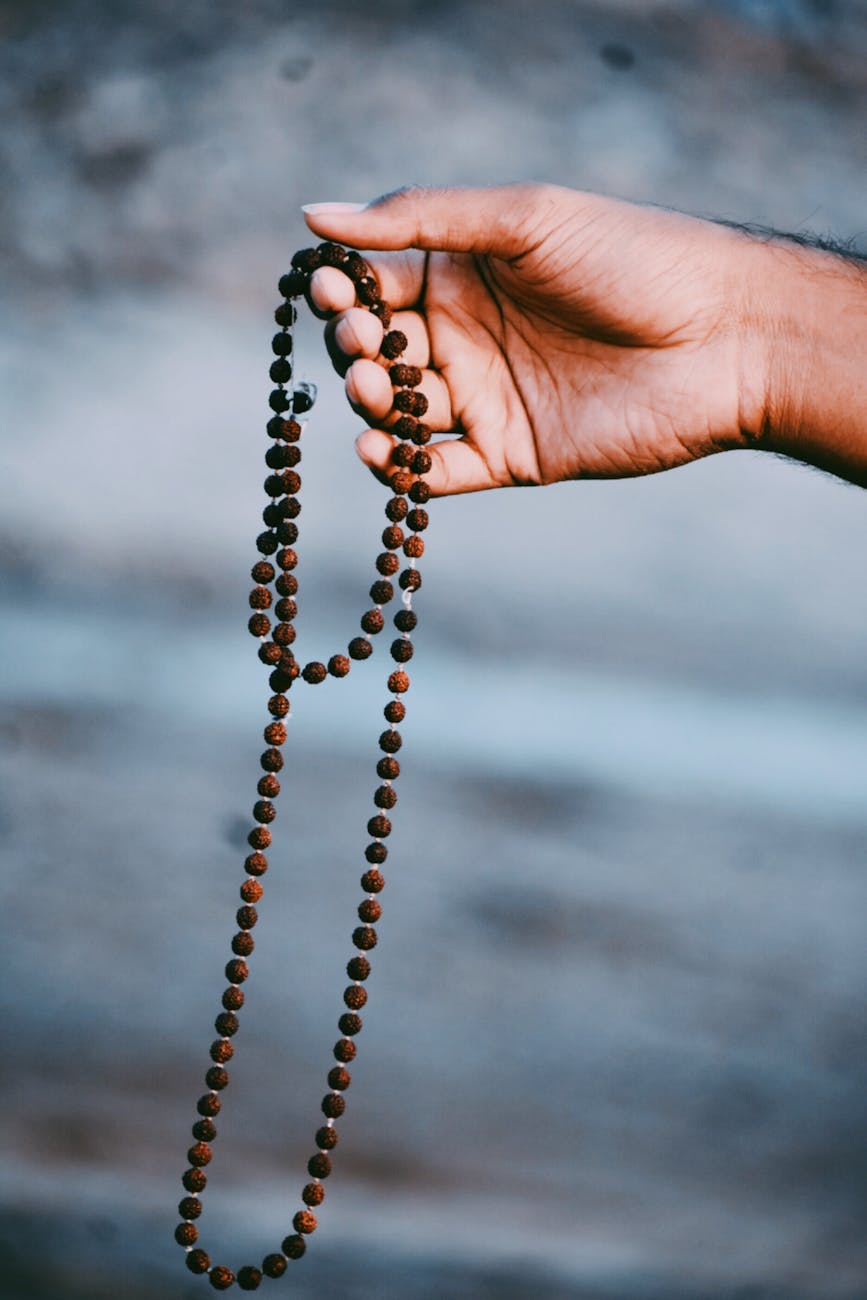
Discover the Power of Tantra: Intimacy, Connection, and Self-Discovery


The world of tantra combines intimacy, connection, and self-discovery that takes us harmoniously on a beautiful, enriching journey. Whether you’re looking to deepen relationships or tap into your personal energy, tantra offers a path to profound exploration.

What is Tantra, Anyway?

At its essence, tantra is a practice of embracing the sacred in everyday life. It intertwines the physical, emotional, and spiritual, creating a holistic experience. While tantra is often associated with relationships, it extends beyond that. It’s an invitation to explore your body, energy, and connection with the universe.

Think of tantra as a way to enhance your intimacy with yourself and others, offering tools for more meaningful connections.

Why Would You Want to Discover Tantra?

  1. Deepen Emotional Bonds
    If you’re yearning for deeper relationships, tantra can help. It teaches authentic communication, active listening, and how to be fully present. By learning to connect on a deeper level, you unlock the key to truly meaningful interactions.
  2. Celebrate Your Sensual Self
    Tantra celebrates the body’s natural sensuality. In this practice, you’ll learn to explore your body in a safe, nurturing environment. Every touch, breath, and heartbeat becomes an opportunity to awaken your senses and celebrate your inner world.
  3. Unleash Your Inner Energy
    Feeling stuck or blocked? Tantra offers techniques to shift and transform your energy, clearing pathways that lead to greater creativity, passion, and zest for life. By learning how to harness and redirect your energy, you can experience personal transformation.
  4. Live Fully in the Moment
    Imagine moving through life with a heightened sense of presence. Tantra encourages mindfulness, allowing you to fully experience each moment. Whether in your yoga practice or daily routine, this heightened awareness enriches every facet of life.

Who Can Practice Tantra?

Tantra is open to everyone, from the curious newbie to the experienced practitioner. No matter your starting point, tantra is about embracing where you are and unlocking the potential for deeper intimacy, connection, and self-awareness.

Awaken Your Senses with Tantra

Ready to embark on this journey? Tantra offers a sacred space to explore intimacy and connection. Awaken your senses, tap into your energy, and let the magic of tantra unfold in your life.

Thank you for reading! Please sign up for my blog crisbiecoach so you don’t miss out on any posts!


Achievable Resolutions for the New Year

As the New Year dawns, resolutions become a familiar topic of conversation. While setting goals is common, the challenge lies in their realization. Often, we find ourselves succumbing to boredom, doubting our abilities, and overwhelmed by competing priorities. The question arises: why bother taking these resolutions seriously? However, the key is not to burden ourselves with unrealistic expectations. Instead, consider setting achievable resolutions that align with your genuine desires.

Here are some practical and realistic resolutions to kickstart your year:

  1. Cultivate Meaningful Connections: Dedicate more time to friends and loved ones, engaging in activities you genuinely enjoy. This is a powerful way to foster connection, even for introverts. Establishing a routine, such as joining a monthly club meeting every first Monday, can make this resolution more manageable.
  2. Express Gratitude Daily: Boost your happiness by expressing gratitude each day. Begin by acknowledging the abundance in your life—your home, your job, and even your gym. Gradually, extend your gratitude to smaller joys, appreciating a blooming flower, the morning sun, or a smiling baby. Over time, you’ll become adept at finding joy in the little things.
  3. Prioritize Sleep and Exercise: Improve your overall well-being by getting adequate sleep and incorporating regular exercise. If you currently sleep less than 7-8 hours per night, start by gradually increasing your sleep time. Add 10 minutes each night for a week, progressively reaching your optimal sleep duration. Additionally, kickstart your post-holiday fitness routine to shed those extra pounds and boost your mood with the release of endorphins—the hormones associated with pain inhibition and euphoria.

I wish you the best of luck on your journey to achieving your realistic resolutions.

May the coming year bring success and fulfillment to your goals!

Coping Strategies After a Traumatic Event

Last Monday, October 16, marked another tragic incident in Brussels, rekindling memories of the 2016 terror attacks at Brussels airport and Maelbeek subway station. Maelbeek, once my daily station, became the epicenter of the horrifying event that unfolded that morning. As someone who was there during the attack, the impact on my life has been profound. In the wake of this traumatic experience, I sought guidance and learned valuable lessons that I want to share with you.

  1. Limit Exposure to News and the Internet:

In times of distress, it’s crucial to manage your access to information. Instead of constantly checking the news or the internet, consider tuning into the radio for updates. This helps in staying informed without overwhelming yourself with distressing visuals.

  1. Prioritize Connection with Loved Ones:

Seek comfort in the company of your loved ones. Talking and spending time with them can provide a crucial support system. Share your feelings and experiences, allowing for mutual understanding and emotional healing.

  1. Journaling and Prioritizing Concerns:

Documenting your thoughts in a journal can be therapeutic. Make a list of your concerns and prioritize them. Take one step at a time, focusing on manageable goals to regain a sense of control over your life.

  1. Avoid Major Decisions Under Stress:

During times of distress, it’s advisable to refrain from making significant life decisions. Overwhelmed by emotions, rational decision-making can be compromised. Give yourself time to heal before contemplating major life changes.

  1. Normalize Your Reactions:

Acknowledge that your reactions are normal responses to an abnormal experience. Be gentle with yourself and allow the healing process to unfold naturally. If, after about a month, recovery seems still far away, consider seeking professional help from your doctor.

Coping with the aftermath of a traumatic event requires a thoughtful and personalized approach. By implementing these strategies, you can gradually navigate the path towards healing and resilience. Remember, seeking support and being patient with yourself are vital components of the recovery journey.

Do you know other strategies that could be adopted to overcome a traumatic event?

Simply Happy

In her book The Happiness Project, author Gretchen Rubin describes how she dedicated an entire year of her life doing things that can increase her happiness. Although we all aspire to have more time, resources and energy, few of us really take actions to achieve this admirable goal. But there is one simple thing that can bring more happiness into our lives, of which we are all capable, and which has proven being worth: developing and improving our personal relationships.

Your brother-in-law has just been promoted to senior manager. The lady who takes care of your dog when you’re not around has just found her dream job. And you? What has happened to you to make you happier?

According to various psychologists and studies conducted on the subject, neither professional status nor wealth have a more significant impact on our emotional well-being than a fulfilling relationship.

According to a study carried out by the London School of Economics and broadcasted by the BBC, it is indeed close ties that have the greatest impact on our happiness. The study, based on a survey of about 200,000 respondents, examines the impact of various external factors on the overall life satisfaction rate. On a scale of 1 to 10, the findings revealed that doubling your salary has very little influence on your happiness, while meeting a person to whom you feel closely connected, maybe a potential partner, is much more important.

Although the success of your brother-in-law and dog-sitter is more easily measurable (a consequence of a higher position and greater economic freedom), true happiness is feeling connected to others. That being said, it’s not just about romantic relationships. People are happier when they hang out with others who share the same interests, culture, or also sense of humour.

So, if you can’t do what makes you happy 365 days a year, if your career is stuck or if your bank account is almost empty, don’t give up! A conversation with one of your best friend can be the key to your happiness.

Why do not you follow this advice and call one of your friends now?