
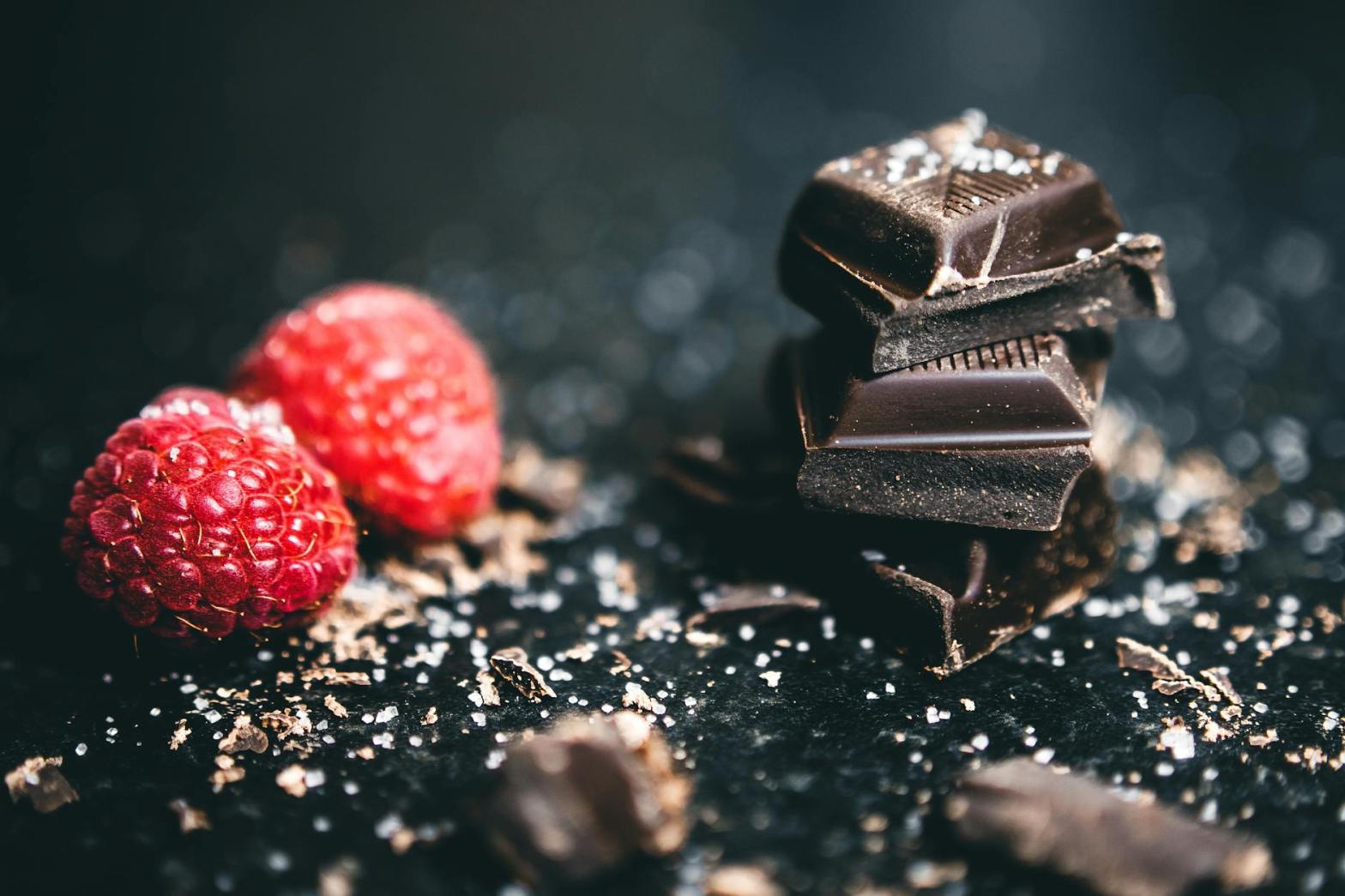
As the holiday season wraps us in twinkling lights and festive cheer, there’s one treat that often takes center stage: chocolate. Whether it’s a rich dark truffle or a creamy milk chocolate bar, this beloved indulgence does more than just satisfy our sweet tooth. Recent scientific studies suggest that chocolate, especially dark chocolate, might just be the brain’s best friend—boosting mood, sharpening cognition, and even protecting against age-related decline.
But is this too good to be true? Let’s unwrap the science behind chocolate’s potential brain benefits, just in time for Christmas.
Chocolate and Mood: A Festive Lift
The Comfort of Cocoa – For centuries, chocolate has been celebrated for its mood-enhancing properties. The ancient Mayans called it the “food of the gods,” and modern science is beginning to understand why. A 2024 clinical trial published in Scientific Reports found that menopausal women who consumed 12 grams of 78% dark chocolate daily experienced significant improvements in mood and sleep quality compared to those who ate milk chocolate. The study suggests that the high flavonoid content in dark chocolate may play a key role in reducing depressive symptoms and enhancing overall well-being.
Dark Chocolate: The Mood Stabilizer – A large-scale study of over 13,000 U.S. adults revealed that those who regularly consumed dark chocolate had a 70% lower risk of clinically relevant depressive symptoms. The key? Dark chocolate’s rich flavonoid content, which is known for its anti-inflammatory and neuroprotective effects. While milk and white chocolate didn’t show the same benefits, dark chocolate’s unique composition makes it a standout for mental health.
Cognitive Benefits: Sharpening Your Mind for the Holidays
Flavonoids: The Brain’s Secret Santa – Dark chocolate is packed with flavonoids, powerful antioxidants that cross the blood-brain barrier and accumulate in regions associated with learning and memory. Research from 2023 and 2024 highlights that regular flavonoid intake is linked to better cognitive function, reduced risk of dementia, and even improved memory in healthy adults. These compounds enhance cerebral blood flow, boost oxygenation, and protect brain cells from oxidative stress—making them a natural ally for cognitive vitality.
A Nobel-Worthy Treat? – In a whimsical yet thought-provoking study, researchers found a surprising correlation: countries with higher per capita chocolate consumption tend to produce more Nobel laureates. While this doesn’t prove causation (after all, correlation isn’t causation!), it’s a fun reminder of chocolate’s potential cognitive perks. The theory? Flavonoids in cocoa may enhance brain function, giving chocolate lovers a subtle mental edge.
The Christmas Caveat: Not All Chocolate Is Created Equal
Choose Wisely – Not all chocolate is a brain booster. The benefits are most strongly linked to dark chocolate with a high cocoa content (70% or more). Milk and white chocolate, which contain less cocoa and more sugar, don’t offer the same advantages. So, this holiday season, opt for quality over quantity, savor a square or two of dark chocolate to reap the rewards without overindulging.
Moderation Matters – While chocolate can be a festive friend to your brain, balance is key. Overconsumption can lead to weight gain and other health issues. Enjoy it as part of a varied, nutrient-rich diet, especially during the holidays when treats abound.
Wrapping Up: Chocolate as a Festive Gift for Your Brain
This Christmas, give yourself the gift of chocolate, guilt-free and backed by science. Whether you’re unwrapping a dark chocolate truffle or sipping on a rich cocoa drink, remember that this festive favorite might just be doing your brain a world of good. From lifting your mood to sharpening your mind, chocolate is more than a treat; it’s a celebration of health and happiness.
So go ahead, indulge in a little holiday magic. Your brain will thank you.
What’s your favorite way to enjoy chocolate during the holidays? Share it in the comments!
Wishing you a season of peace and joy, and a New Year filled with hope and happiness.
Thank you for reading! You can read more from me on my blog crisbiecoach and, please, subscribe!

 Crisbie Coach