The importance of trees in cities, but not only, is also evident from the final declaration of the recent G20 summit in Rome which reads: “Recognizing the urgency to combat soil degradation and create new carbon sinks, we share the ambitious goal of planting 1,000 billion trees collectively, focusing on the most degraded ecosystems on the planet “.
“We urge other countries to join forces with the G20 to achieve this global goal by 2030, including through climate projects, with the involvement of the private sector and civil society”.
The importance of trees in cities does not have to be demonstrated. Natural filters, trees absorb carbon dioxide and other pollutants to return oxygen and naturally cool the air during hot summer days.
In addition, they also offer shelter to small animals, birds build their nests there and with their roots, trees carry out a flood protection action by helping the soil drainage.
Last year a local television crew from Brussels stopped me on the street to interview me about something that had happened where I live. A man had cut branches from a tree, obviously without having the right because it is the municipality that is in charge of cutting trees’ branches regularly.
Therefore, they asked me what my opinion was about it. My comment was negative. How could a citizen dare to cut branches from a tree that belongs to the whole community? Trees are our friends; they do a very important and priceless job for all of us. Maybe I exaggerate a little, because I also think they give me positive energy and when I walk in the forest, I do not miss the opportunity to hug some trees.
I am happy to see that more and more city administrations are moving towards the organization of events in honour of our friends, the trees of course, which are good not only for the environment but also for the health and psychological well-being of each of us.
Plants improve the air we breathe and can be a place to grow vegetables. Therefore, green spaces have been increasing recently in urban spaces thanks to the creation of rooftop gardens.
For those who live in the city, the importance of having a green space close to home has become necessary during the lockdown due to Covid. From London to New York, parks and public gardens have always offered a precious refuge in the asphalt jungle of the streets, shops and offices that make up the typical urban landscape. But apart from these oases of peace, there is not much room left to become “greener”, which is why we are witnessing the development of rooftop gardens.
From improving physical and mental health to bringing communities closer passing by fighting pollution, the creation of green spaces at the top of the buildings can be truly seductive.
Here are some benefits you can get from growing a rooftop garden.
They help purify the air
All cities in the world face the same challenge: maintaining quality of life despite the high pollution rate and rising CO2 concentrations. For this reason, planting trees or shrubs on the roofs can be useful to exchange carbon dioxide for pure oxygen. In addition, roof gardens can also improve the insulation of the building, reducing heat loss in winter and maintaining a cooler temperature in summer. In this way, besides making a gift of oxygen to the environment, you will lower the consumption of electricity and heating, paying less expensive bills.
They offer shelter to wildlife
Loss of natural habitat is a threat to wild animals in general.
A roof garden can quickly become a refuge for bees, butterflies and birds, where they can rest and nest, thus keeping the pollination cycle active, which is essential for human nutrition.
They allow you to grow your own vegetables
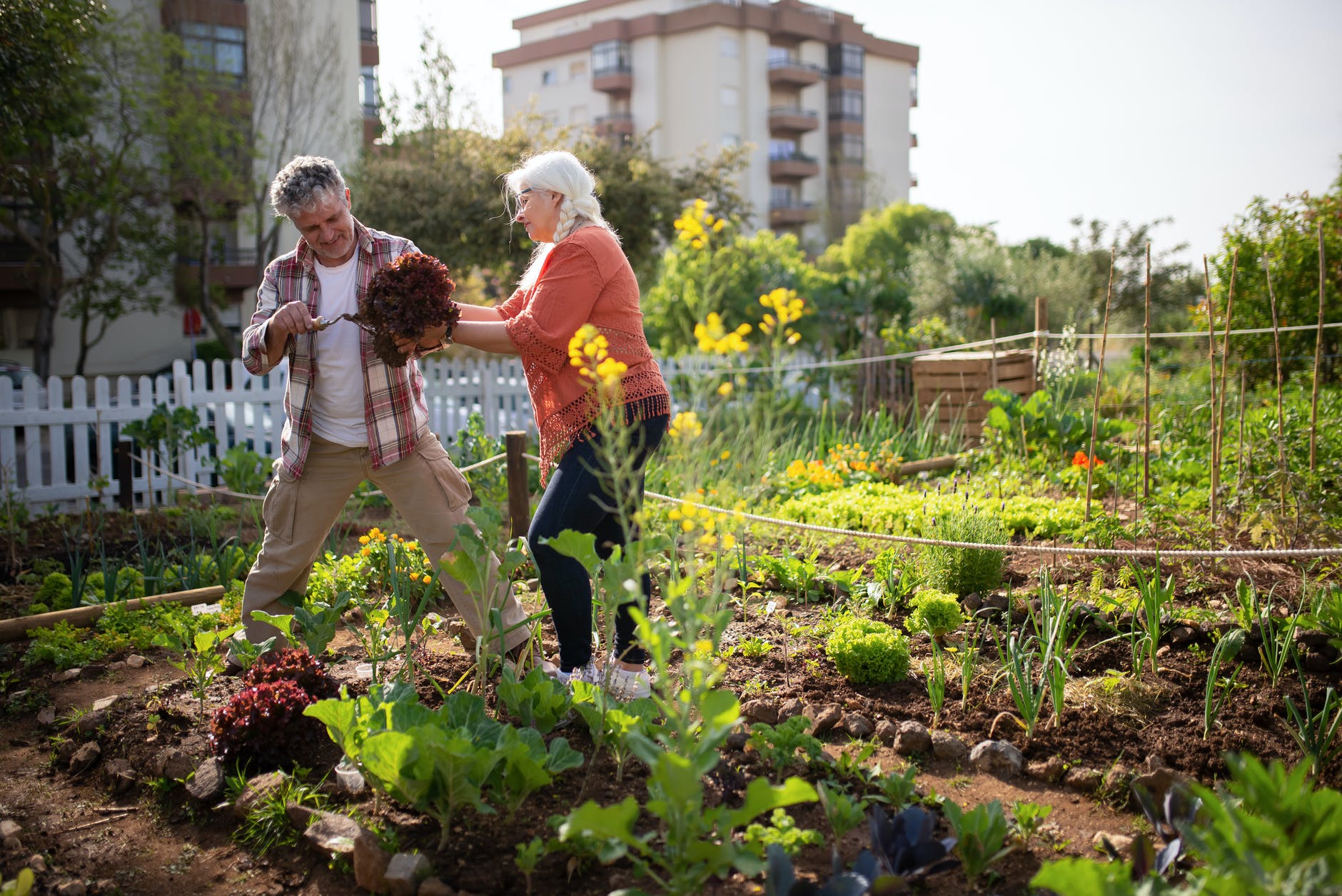
Tomatoes, courgettes, peas and strawberries, all organic. The fact of sowing and growing your own vegetables is an incredibly rewarding activity that allows you not only to save money but also to eat healthier.
They inspire engaging actions for communities
Why not thinking about involving the primary school close to home by inviting children to discover your garden or vegetable garden? You will be surprised to see the enthusiasm of the little boys and girls. Gardening is a real contribution to integration into the local community. Where I live in Brussels there is an association called Parck Farm that has taken over a greenhouse and created a botanical garden. In addition, it offers small plots of land to cultivate. We share the land together with Belgians of several origins, Poles, Portuguese, … The association also offers the possibility of organising team building activities there. Participants can help members of associations to remove weeds, collect garden products, prepare the soil for winter. Educational activities for boys and girls are regularly scheduled to make them discover the wonders of flowers and plants. Workshops for the preparation of creams and syrups are other events organized by the association to promote integration among the inhabitants of the neighbourhood.
They improve physical and mental health
We all know that spending time in nature revitalises the body, spirit and soul. This practice is known as shinrin-yoku (forest bath) in Japan and has been validated by scientific research. In 2019, a study revealed that spending at least 120 minutes a week (the equivalent of about 17 minutes a day) in nature can have a significant impact on our health and general well-being. Other research has established a link between regularly visiting green spaces, improving sleep and decreasing negative thoughts.



 Crisbie Coach