Unlocking Personal Agility: Discovering Adaptability, Proactivity, and Resilience

In the intricate world of self-management, personal agility emerges as a guiding light, a concept woven from the threads of adaptability, proactivity, and resilience. Picture this: the quintessential agile person, a maestro of flexibility, someone who seamlessly adjusts to the ever-shifting landscapes of organizational dynamics – be it new equipment, novel work methodologies, diverse projects, or ever-changing teams.

Adaptability: Dance with Change

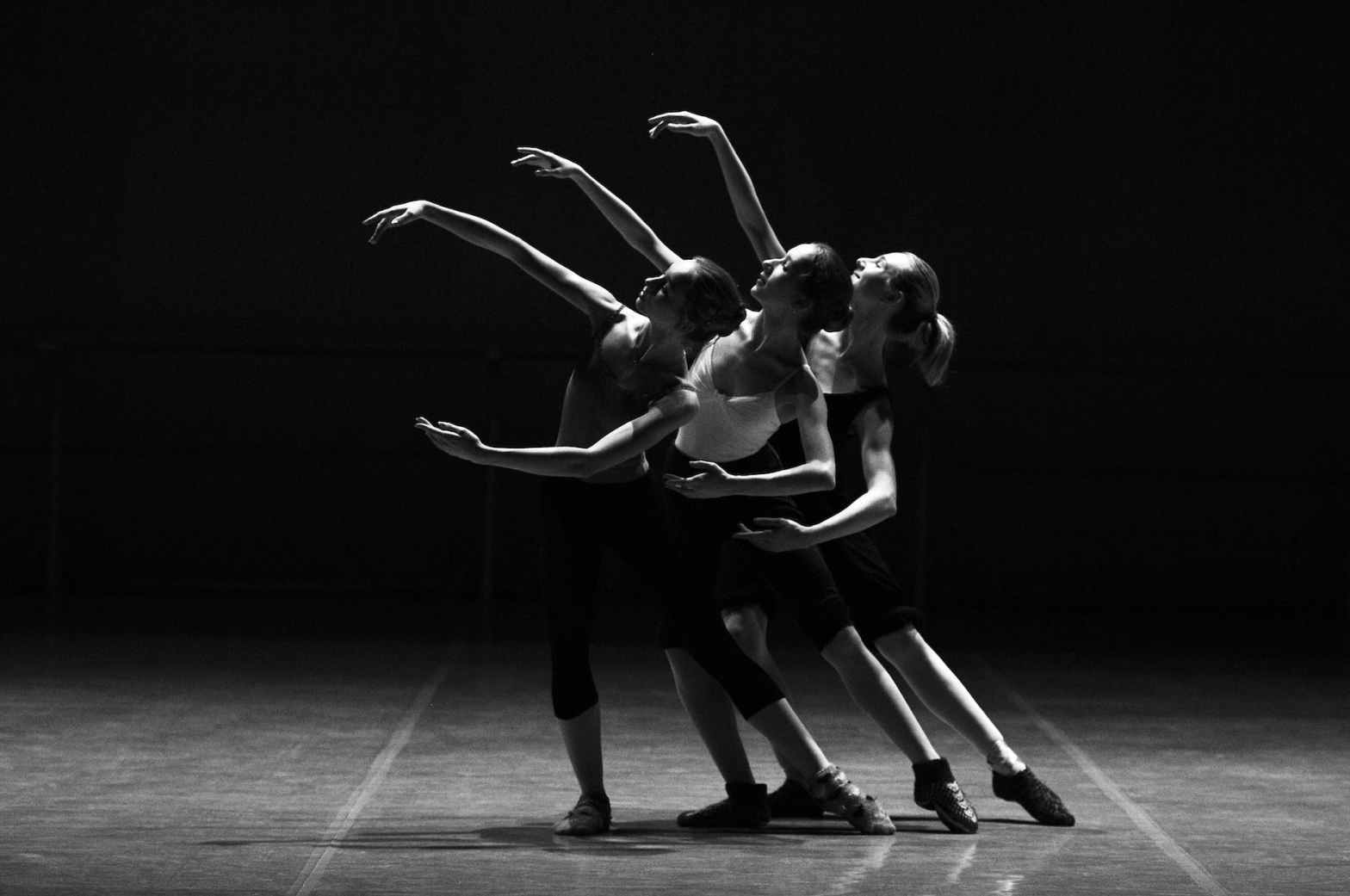
To be truly agile means being adaptive, like a seasoned dancer gliding effortlessly across different organizational stages. It’s about embracing change as an inevitable companion, evolving any processes, and the dynamic interplay of projects and teams.

Proactivity: The Art of Timely Response

Personal agility isn’t just about adjusting; it’s about seizing the reins of change and steering them in your favor. A proactive individual not only responds swiftly to the metamorphosis around them but actively seeks out opportunities within the transformed environment.

Resilience: Weathering the Storms

The agile spirit is resilient, standing firm in the face of uncertainty, adapting to unknown conditions, and navigating through difficulties and failures. Resilience is the anchor that keeps you grounded as the winds of change blow.

But how do you cultivate this agility within yourself?

  1. Expect Change, Make it Your Ally – Personal agility begins with the anticipation of change. Expect it to happen and embrace it as a natural part of your journey. Change, after all, is the only constant.
  2. Embrace Ambiguity – Find Comfort in the Unknown – Agile minds find solace in ambiguity. Instead of fearing the unknown, embrace it. Let it be the canvas on which you paint your adaptability and resilience.
  3. Reframe Your Thoughts – See Challenges as Opportunities – Learning to reframe your thoughts is like putting on a pair of agile glasses. Challenges are not roadblocks; they are stepping stones to growth. Reframe your perspective, and suddenly, obstacles become opportunities.
  4. Fail, Learn, Repeat – Accept Failure as a Stepping Stone – Personal agility doesn’t shy away from failure; it embraces it. Every stumble is a lesson, every failure a guidepost. Accept failure, learn from mistakes, and let them sculpt your path to agility.
  5. Curiosity – Fuel for Agile Mind – Be curious, be inquisitive. A curious mind is an agile mind. Ask questions, seek answers, and let your thirst for knowledge propel you through the ever-changing landscapes.
  6. Can-Do Attitude – Cultivate Positivity – A can-do attitude is the heartbeat of personal agility. Approach challenges with optimism, believing that you can overcome them. Your mindset shapes your agility.
  7. Stressor Sorting – Control What You Can – Not all stressors are created equal. Distinguish between those beyond your control and those you can confront. Channel your energy into navigating the controllable, and let go of what lies beyond your grasp.

Being agile doesn’t equate to a mindless ‘yes’ to everything. On the contrary, it’s a thoughtful dance with change, a nuanced navigation of the self. Remember, personal agility isn’t a solitary pursuit; it’s entwined with the organizational context.

In this dance of self-management, we can draw inspiration from unlikely sources, such as children who effortlessly embrace change.

What do you think about being agile?

Do You Know Why Storks Are Said to Bring Children?

Late February, early March, in Europe, storks are back on the chimneys! This year again, they will bring beautiful babies into homes…

Finally, this is what children are told, because no one believes in this cute legend. But by the way, where does it come from?

Weddings are often held in early summer, in June-July. And in earlier times, almost elsewhere, children were often conceived immediately after the wedding, especially because there was no effective means of contraception. After 9 months of pregnancy, a peak of births happened around March, precisely when the storks returned from their winter migration!

That’s where this little story comes from, the observable link between births and the return of storks. It is a correlation, namely a statistical relationship between two phenomena. But that doesn’t mean one is caused by the other. That’s causality, and we must not confuse correlation and causality as the legend does!

In economics, for example, looking at a graph, one might think that the more mobile phones a country is equipped with, the less infant mortality there is. The two elements are correlated, that’s for sure, but the real cause of the link lies elsewhere: the country concerned is rich enough to have good maternity wards and a population that can afford mobile phones.

Between storks and births, it’s the same thing. Causality is simply the calendar, which makes the reproductive habits of humans coincide with the migration of storks. This cute legend thus originates from an error of reasoning of which we are all victims and that we call the stork effect!

Did you know this little story about storks?

Ideas to Try Out in Your Free Time (part five)

Have a look at some other ideas to try out in your free time. You can find more here.

  1. Stargazing. Prepare stargazing by becoming familiar with the sky that will show up on the chosen day and time (on the Internet you can find this information easily). You will have to choose a place away from light sources, take a blanket or even a deck chair and binoculars. There are also astronomical observatories and parks that organize evenings to look up at the sky, especially in summer when the phenomenon of streamers occurs (between 14 and 24 August, with a peak of activity during the night of Saint Lawrence between 12 and 13 August).
  2. Plan a garage sale. If you want to free up some space in your home from things you no longer use while also earning some money, a good idea is to organize a “garage sale”, or a private sale in your home. If you find a flea market nearby your place, why don’t you participate? It is also an opportunity to invite all your friends and acquaintances, and have a chat while drinking a cup of coffee.
  3. Let the children manage a day. The preparation of a day by children can itself become a playful moment. As adults, we can establish criteria, a budget and a timeline, then we entrust the organization to the children. Let yourself be surprised and if you do not have children, propose this activity to those who have them.
  4. Take part in a short-term training. Are there any activities or things you’ve wanted to do but haven’t done yet? Look around and look for short-term courses organized by in neighbourhood. Don’t think too much about the content. Do you get inspired by meditation, zumba, or writing? Sign up for! Do not hesitate, follow your intuition!
  5. Walk more barefoot. The foot has 26 bones, 16 joints and 107 ligaments that need to be kept active for your overall well-being. In addition, the sole of the foot contains 7,200 nerve endings, which are the basis of foot reflexology. Being barefoot is essential for your health. Start little by little and then increase the time you spend barefoot. On the beach or in a park would be perfect!

What do you usually do in your free time?

bare feet laying on green grass
Barefoot – Photo by Ron Lach on Pexels.com