
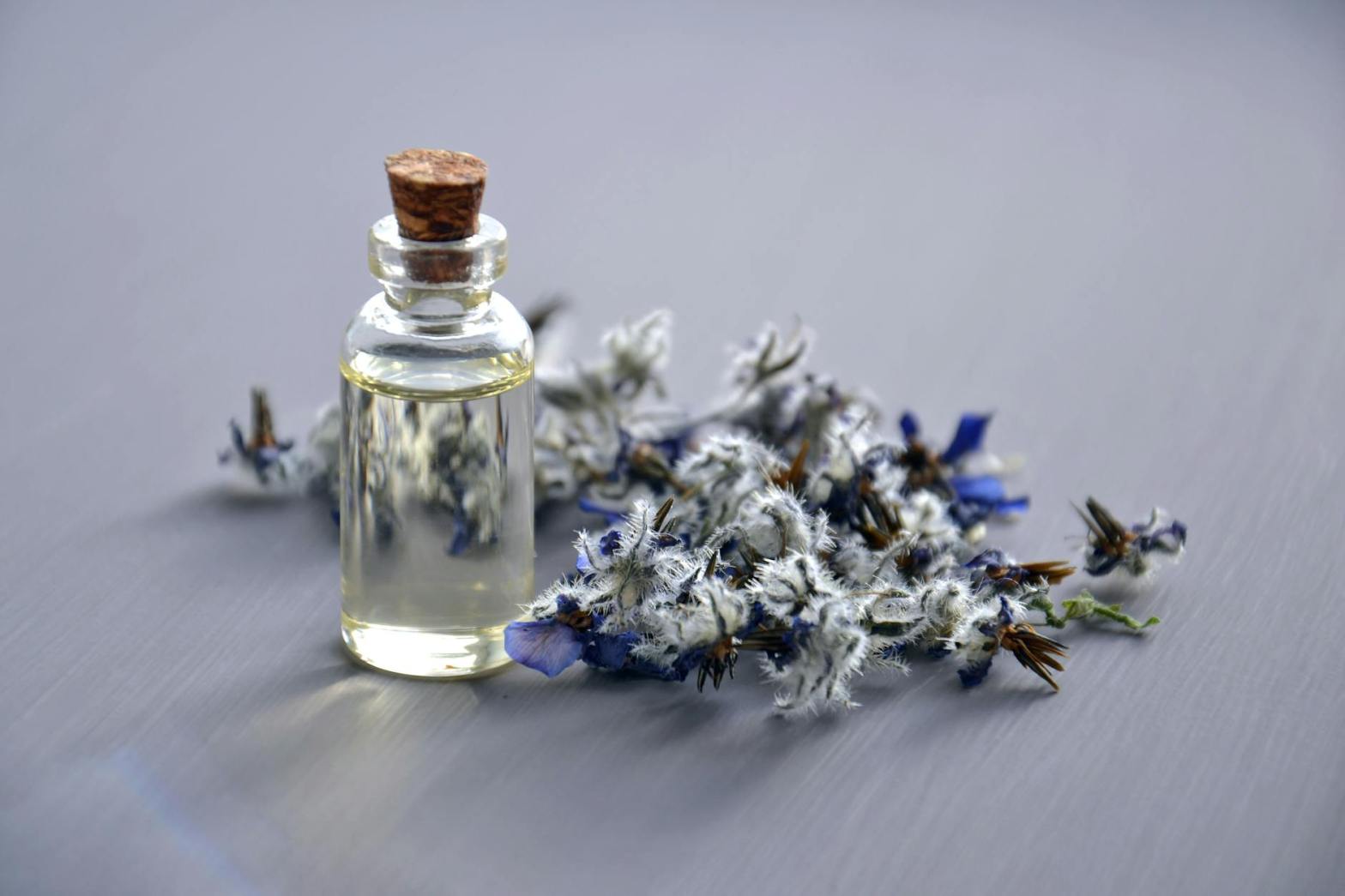
I’ve recently started a comprehensive course on aromatherapy, a therapy that is revered for its benefits and has captivated enthusiasts worldwide, offering a natural and holistic approach to well-being.
Join me as we explore the fascinating origins of aromatherapy, from ancient civilizations to contemporary practices, and discover how aromatic oils can enhance our physical, emotional, and spiritual well-being.
History of Aromatherapy
Aromatherapy originates in ancient civilizations, where aromatic plants were revered for their medicinal and spiritual properties. Ancient Egyptians, Greeks, and Romans utilized essential oils extracted from herbs, flowers, and resins in religious ceremonies, beauty rituals, and healing practices. The renowned Greek physician Hippocrates and Persian polymath Avicenna also documented the medicinal properties of aromatic plants.
Traditional Production Methods
In antiquity, essential oils were extracted through crude yet effective methods such as steam distillation, maceration, and cold pressing.
Steam distillation, the most common technique, involves passing steam through plant material to extract volatile compounds, which are then condensed into essential oils.
Maceration involves soaking plant material in a carrier oil to extract aromatic compounds.
Cold pressing is primarily used for citrus oils, extracting the oil by mechanically pressing the fruit’s rind.
Modern Production Techniques
Today, advancements in technology have revolutionized the production of essential oils, enabling higher yields and improved quality. Modern distillation equipment allows for precise control of temperature and pressure, ensuring optimal extraction of volatile compounds while preserving their therapeutic properties. Additionally, innovations such as CO2 extraction and solvent extraction have expanded the range of oils available, offering extracts with distinct aromas and therapeutic benefits.
Practical Applications of Aromatherapy:
- External Use:
- Inhalation: Add a few drops of essential oil to a diffuser or inhale directly from the bottle to enjoy the aromatic benefits.
- Massage: Dilute essential oils in a carrier oil and massage onto the skin to promote relaxation, alleviate muscle tension, and improve circulation.
- Bath: Add a few drops of essential oil to a warm bath to create a soothing and aromatic bathing experience.
- Internal Use:
- Oral Consumption: Some essential oils can be ingested under the guidance of a qualified aromatherapist or healthcare professional. They can be added to beverages, and foods, or taken in capsule form for various health benefits.
- Culinary Use: Certain culinary herbs and spices, such as peppermint, lavender, and rosemary essential oils, can be used to flavor dishes and beverages.
- Vaping:
- Vaporization: A growing trend in aromatherapy involves using essential oil vaporizers or vape pens to inhale aromatic compounds. It offers a convenient and discreet way to enjoy the benefits of essential oils on the go.
Exploring aromatherapy, and understanding its history, production methods, and practical applications is essential for harnessing its full potential.
Aromatherapy serves as a gateway to holistic wellness, offering a natural and effective approach to improving physical, emotional, and spiritual health. By embracing the ancient wisdom of aromatic plants, we can unlock the transformative power of aromatherapy in our lives.
Are you ready to incorporate aromatic oils into your daily routine for enhanced well-being?
Thank you for reading! Please sign up for my blog crisbiecoach so you don’t miss out on any posts.


 Crisbie Coach