Being Too Attached to Your Pet Would Reflect a Psychological Disorder

The importance of human-animal bonding in developing emotion regulation, social skills and mental health in children, teen-agers and adults has always been recognized. Attachment to a pet is fundamental for human beings.

He who is cruel to animals becomes hard also in his dealings with men. We can judge the heart of a man by his treatment of animals.” Immanuel Kant

This famous expression involves the concept from which one of the most beautiful existing relationships can be extrapolated. The link that can be created between two different species: human beings and animals.

Literature, cinema, but above all facts of everyday life (often made famous), are the tangible proof of the indissoluble bond that animals and people can generate between themselves; a true relationship that arises from trust and mutual respect.

Here is a study that may spark debate among pet owners, as it shows that too much attachment to pets would be a sign of an attachment disorder.

A recent study published in the journal BMC Psychiatry tells us that people very attached to their pet are more likely to suffer from a behavioral disorder and more specifically attachment disorders.

To reach this conclusion – which immediately makes our connection with our pets less romantic – researchers at Saarland University conducted a survey with 610 dog owners, mostly women aged 18 to 73. They asked the participants to complete various questionnaires to assess their mental health status and the type of connections they develop in general. By analyzing the answers, the scientists found a link between being attached to their dogs and signs of mental disorders and emotional distress.

A compensatory strategy

The study goes even further by pointing out that this intense bond with a pet demonstrates a lack of trust in others and a fear of being rejected or not being loved. Attachment to one’s pet would thus be an attachment strategy to compensate for the difficulty of being closed to other humans. A difficulty probably stemming from a lack of emotional security during childhood.

For sure I am super attached to my gorgeous cat, I cannot say though if I am disturbed 🙂

What about you? Do you have a pet? Do you feel attached to them?
Ideas to Try out in Your Free Time (part 2)

Do you remember the ideas to try out in your free time published some time ago?

We have seen that writing, visiting an unknown city or village, creating a time capsule and learning a new skill are ideas that you could try out in your free time.

Now let’s see some others.

1. Rediscover a childhood pleasure. You surely have many good memories related to your childhood. Some are related to places, others to people, and others to activities. Why don’t you try to rediscover what you liked to do when you were a child? Did you like playing with Lego? Now you could try building something out of wood. Or did you like to draw and then you stopped because life led you to a different path? You could take up this passion again, turn it into a hobby and maybe find out that you also have talent. Let yourself be carried away by memories and choose one that is realistically possible to materialize again.

2. Get moving. Have you not been physically active for a long time? Did the pandemic stop you wanting to go to the gym? Why don’t you try running, walking, or cycling? These are activities that you can do outdoors, so don’t be afraid to get infected. Choose a route or destination then go! Don’t compete with others, just test yourself. Every time you go for a run, walk, or ride you can decide to challenge yourself and go further, or take a more difficult path. Keep track of your achievements with an app or simply by writing them in a notebook. Then, from time to time look at them and you will see the improvements.

3. Dare to “digital detox”. Whatever your degree of addiction to your computer, mobile phone or tablet is, a digital detox can only do some good to you. Stop watching compulsively if a new message has arrived, how many likes the photo you posted on Instagram received, do not download the update of the new trendy game. You may decide to suspend these activities for a weekend. See how it goes, even in this case you can challenge yourself and go beyond the two days.

4. Take care of your pet or someone else’s pet. Studies have shown that spending time with a cat or dog reduces stress, improves physical and mental fitness, and increases our feelings of joy and satisfaction. If you don’t have a pet, you can go to a stray animal shelter and take care of them. You will be amazed by their gratitude!

5. Cook new recipes. We all have at least one cookbook that is gathering dust, as everything is now on the Internet. The advantage of a book over the web is that if you don’t have any ideas on what to prepare for dinner in the evening, you can grab the book and start leafing through it until you find something that inspires you. Then go shopping and start trying your hand at this new idea. Or you can come up with something with what you have already at home. You may also call a friend to prepare this recipe together. Do you know that cooking together is one of the best activities to build a team?  

If you have other ideas, please share them with me!

Don’t miss the next part on other ideas to try out in your free time!

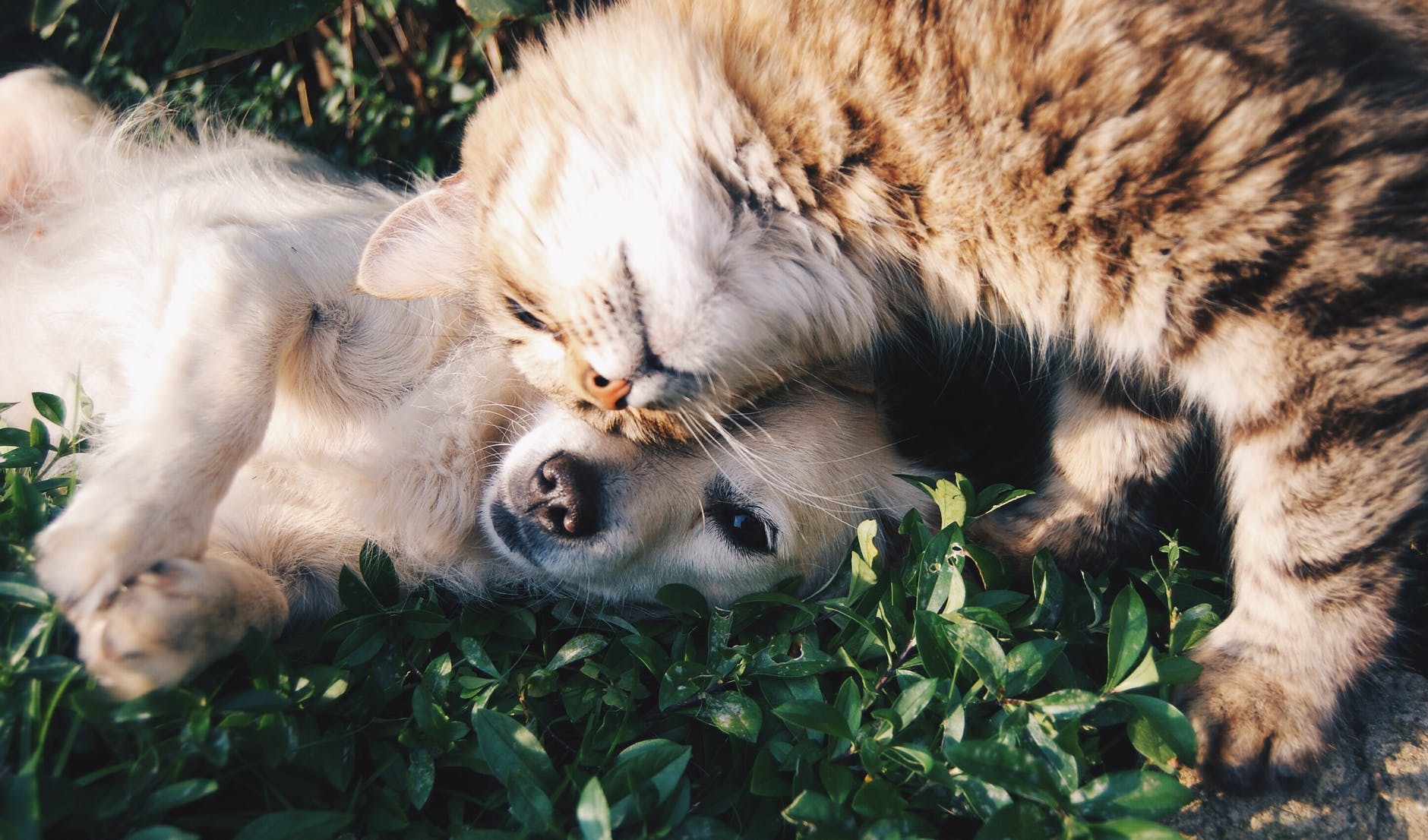
orange tabby cat beside fawn short coated puppy
Cat and Dog – Photo by Snapwire on Pexels.com

Why Cultivating a Garden or a Vegetable Garden Is Good for Your Health

Plants improve the air we breathe and can be a place to grow vegetables. Therefore, green spaces have been increasing recently in urban spaces thanks to the creation of rooftop gardens.

For those who live in the city, the importance of having a green space close to home has become necessary during the lockdown due to Covid. From London to New York, parks and public gardens have always offered a precious refuge in the asphalt jungle of the streets, shops and offices that make up the typical urban landscape. But apart from these oases of peace, there is not much room left to become “greener”, which is why we are witnessing the development of rooftop gardens.

From improving physical and mental health to bringing communities closer passing by fighting pollution, the creation of green spaces at the top of the buildings can be truly seductive.

low angle photo of four high rise curtain wall buildings under white clouds and blue sky
Photo by Philipp Birmes on Pexels.com

Here are some benefits you can get from growing a rooftop garden.

They help purify the air

All cities in the world face the same challenge: maintaining quality of life despite the high pollution rate and rising CO2 concentrations. For this reason, planting trees or shrubs on the roofs can be useful to exchange carbon dioxide for pure oxygen. In addition, roof gardens can also improve the insulation of the building, reducing heat loss in winter and maintaining a cooler temperature in summer. In this way, besides making a gift of oxygen to the environment, you will lower the consumption of electricity and heating, paying less expensive bills.

They offer shelter to wildlife

Loss of natural habitat is a threat to wild animals in general.

A roof garden can quickly become a refuge for bees, butterflies and birds, where they can rest and nest, thus keeping the pollination cycle active, which is essential for human nutrition.

They allow you to grow your own vegetables

Tomatoes, courgettes, peas and strawberries, all organic. The fact of sowing and growing your own vegetables is an incredibly rewarding activity that allows you not only to save money but also to eat healthier.

They inspire engaging actions for communities

Why not thinking about involving the primary school close to home by inviting children to discover your garden or vegetable garden? You will be surprised to see the enthusiasm of the little boys and girls. Gardening is a real contribution to integration into the local community. Where I live in Brussels there is an association called Parck Farm that has taken over a greenhouse and created a botanical garden. In addition, it offers small plots of land to cultivate. We share the land together with Belgians of several origins, Poles, Portuguese, … The association also offers the possibility of organising team building activities there. Participants can help members of associations to remove weeds, collect garden products, prepare the soil for winter. Educational activities for boys and girls are regularly scheduled to make them discover the wonders of flowers and plants. Workshops for the preparation of creams and syrups are other events organized by the association to promote integration among the inhabitants of the neighbourhood.

They improve physical and mental health

We all know that spending time in nature revitalises the body, spirit and soul. This practice is known as shinrin-yoku (forest bath) in Japan and has been validated by scientific research. In 2019, a study revealed that spending at least 120 minutes a week (the equivalent of about 17 minutes a day) in nature can have a significant impact on our health and general well-being. Other research has established a link between regularly visiting green spaces, improving sleep and decreasing negative thoughts.

Do you think that those benefits are a good reason to launch yourself into the cultivation of a green space?

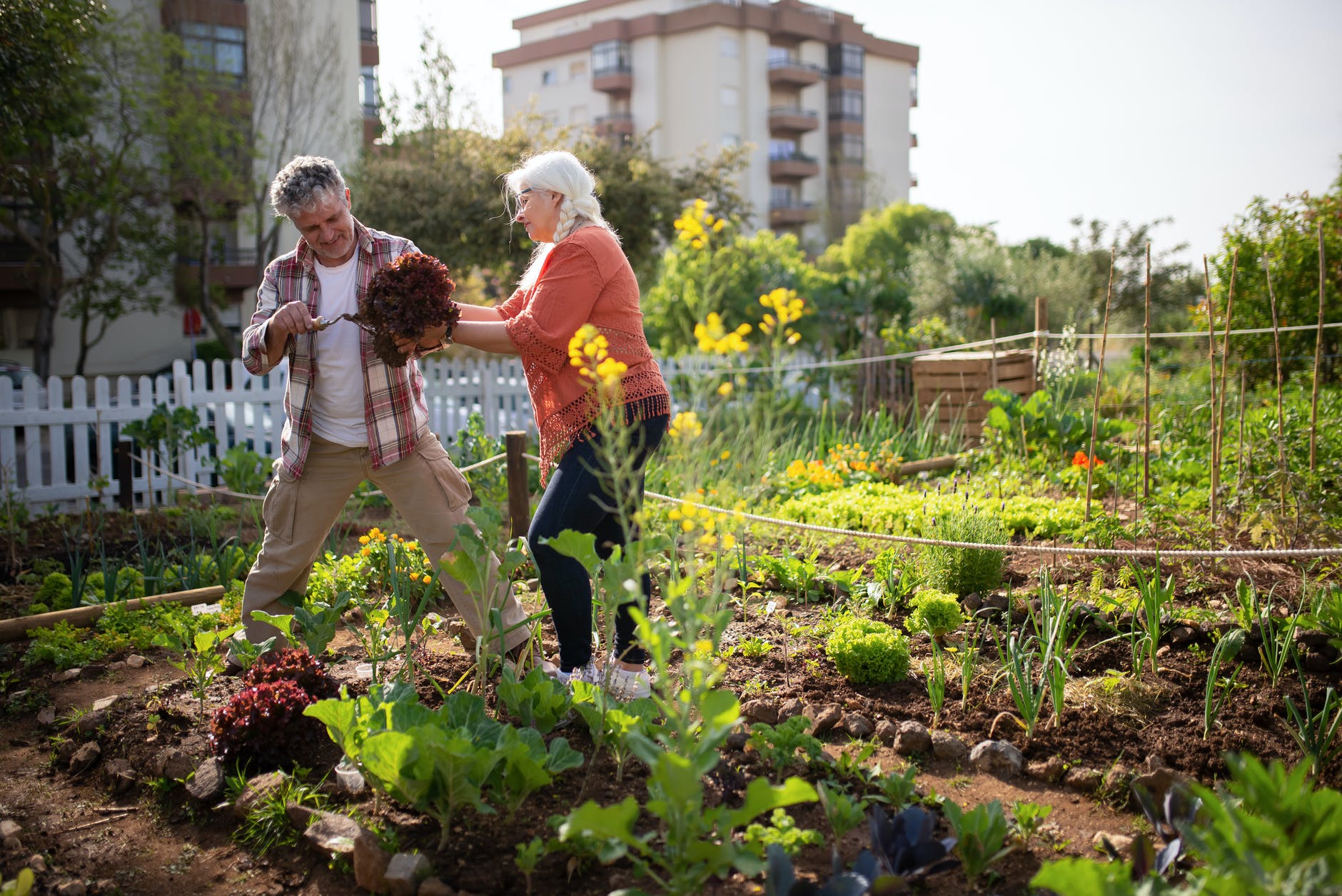
a couple in a vegetable garden
Photo by Kampus Production on Pexels.com

Walking on Stilts

1980, Quebec City. People rush to meet three exhausted travellers, who have just walked 90 kilometres in 22 hours…on stilts!

They had left for this trip to be noticed and raise funds. Their goal was setting up their own circus company, but not just like the others.

At the time, circus companies still followed the main rules established at the beginning of the twentieth century by the showman Phineas Barnum. A show was to include trained animals, stellar acrobats, clowns for children.

In the 1980s, hundreds of circus companies competed fiercely to attract an increasingly rare audience. Yes, things have changed: the circus is no longer popular compared to the cinema or the television.

Result: circuses earn less and less money.

Our young waders say it is time to reinvent the circus, thus changing the business model.

Photo by Alejandro Contreras on Unsplash

Thanks to their genius, the three friends got their first funding and launched their project: the Cirque du Soleil.

Pets and animals? That’s enough! We don’t want to see them in cages any more, and it costs too much to keep them healthy. The stellar acrobats? Okay, long live to young talents, unknown and motivated. Clowns? We keep the principle but let them do things that make adults laugh too. The sand track and the badly heated tent? Never again, the Cirque du Soleil offers comfortable space and beautiful decorations.

And it works! The new model finds their audience and it is known all over the world. Some of the founding waders even become billionaires.

Now, however, with the Covid-19 crisis, the management of Cirque du Soleil has filed for bankruptcy protection at the end of June. With bankruptcy, Cirque du Soleil aims to restructure its debt with assistance from the Canadian government and private equity firms, to be able to return enchanting their millions of fans around the world with their acrobatic shows.

Would you like to wish to Cirque du Soleil a fast recovery from their debt situation?

Photo By Rob Laughter on Unsplash