I Accept Myself As I Am

After finishing my training to become a coach (already a long ago, in 2017), I began to recite a mantra that sounds like this: 

I love and accept myself as I am.

Every time I argue with my husband, especially when he doesn’t like some of my behaviour, I go with my mantra: I love and accept myself as I am.

What does it mean to love and accept ourselves as we are?

First, it means having a healthy relationship with ourselves, namely clogging the genuine belief that we are enough and not continuing to try to be “validated” by others.

Self-acceptance is not just about your body. Sometimes when we look in the mirror (especially us women) we do not like ourselves, we see ourselves fat, a little older, with dark circles under our eyes and who knows what other defects. Our body is the most visible part of ourselves, and commercials make us see people in great shape, always perfect and beautiful.

But also our personality is important of course, and it is crucial to accept ourselves as we are.

Why is accepting oneself so important?

Research has shown that non-acceptance of oneself or poor self-acceptance can be the cause of depression and anxiety. In addition, a negative image of ourselves can even cause eating disorders that could also turn into obesity.

Although accepting ourselves as we are would make us feel better, it is not easy, because we always seek others’ approval. This is also the result of social conditioning, which pushes us to always seek validation from the group, from the community we belong and feel part of.

Moreover, today, with the massive use of social media, we tend more and more to compare ourselves to others, we want to get as many likes as possible, to feel part of something that goes beyond our identity, and prevents us from achieving a well-being based on who we really are and what we seek in life, our purpose, why we are on this planet, in one word, your Ikigai, as the Japanese would say.

We think that judgment, the approval of others contributes to our well-being, when in reality it is not like that.

Ask yourself the following questions:

  1. Who are these “others” whom you trust so much that you let them judge you?
  2. Do you really know them well?
  3. Why do you trust their judgment?

Remember: accept yourself for what you are, with all your strengths and weaknesses.

Make my mantra yours: I love and accept myself as I am.
Avoid Comparing Yourself to Others

Why does the crow walk limping?

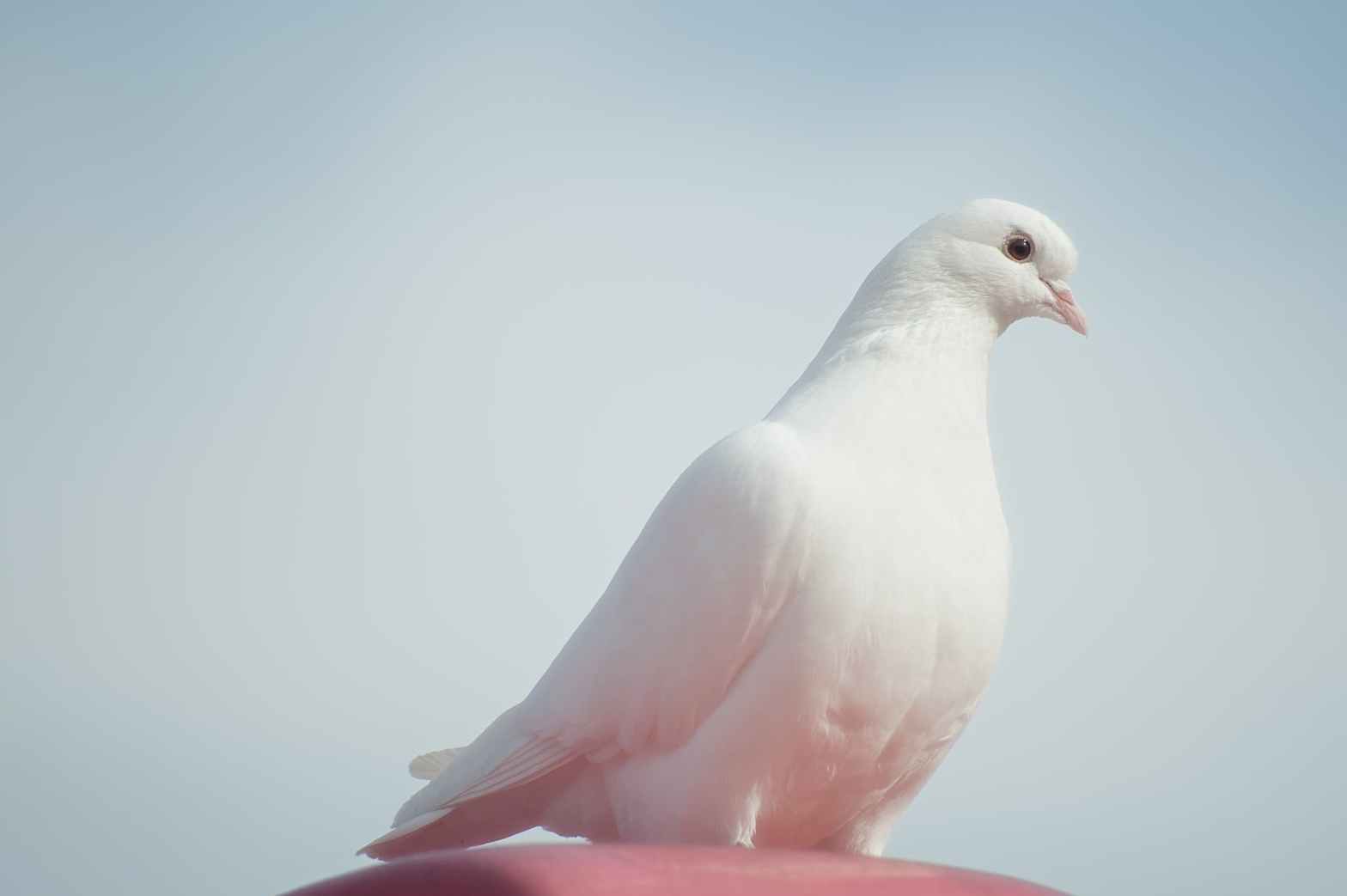
A short time ago I wrote a story about a crow and a dove. In that story, the dove makes a bad impression, while in this story she takes revenge. Let’s see how.

Once a crow saw a dove walking more gracefully than any other bird.

The step of the dove enchanted him and he decided to imitate her. The crow wanted at all costs to be able to move like her. But in that way his bones hurt.

Then, the other birds made fun of him, so the crow, ashamed, decided to return to the previous gait.

However, he did not succeed, because all his attempts to walk like the dove had made him forget his original movements.

That’s why since then crows jump, they cannot walk in either way.

In this case the moral is that you should accept yourself as you are because by comparing yourself to others you may hurt yourself.

What do you think of this story? Have you ever compared yourself to others?

Why You Should Accept Your Insecurities

“All I have achieved in life has been thanks to good luck”. “My colleagues are better than me”. “I cannot believe my colleagues complimenting me on a job well done.”

Does it sound familiar to you? If you think that everything that happens to you is due to chance and good luck you are probably someone with an external locus. You may feel insecure in one area of your life, personal or professional, or in both areas. Maybe you think being unable to manage a project (remember that the best solutions come after unsuccessful events) or that a person you like does not want to talk to you (but have you ever tried approaching them?).

Insecurity does not always come with the same intensity. It ranges from an unpleasant feeling to a real paralysis, for instance when you have to make a presentation in front of a big audience or when you do not have the courage to talk to someone you like.

Photo by Samuel Pereira on Unsplash

However, insecurity can become your ally if you know how to turn it in your favour. The first step is to recognize that you are insecure. Try to think objectively about your successes, big or small. At the beginning, you felt insecure but you succeeded thanks to your will and determination.

Continuously complaining, looking at others success, constantly thinking that you are unlucky certainly does not help you. Perhaps you will not be able to control your insecurity in any situations, but try to change your attitude, take it into your hands, look at it and say, “Yes, I can do it!”

Accepting yourself for who you are with all your strengths and weaknesses, even if you do not like them, will help you overcoming insecurity.

Are you ready to challenge your insecurities?

Photo by Slava on Unsplash