How to avoid arguments with your partner? It may seem strange to you, but the way you argue with your partner says a lot about the relationship. Arguments demonstrate that you care about each other’s feelings!
Even if you complain, for example, that you are bored, or you are left alone too often, this is a sign that you would like to spend more time with your partner and share intense moments with him/her.
Here are 5 tips to avoid arguments with your partner.
1 – Do not say anything that you will immediately regret, be sure to stick to the topic discussed, and listen carefully to your partner. In the end you may be wrong and it would be wise to admit it.
2 – It is important to recognize when you and your partner can no longer have constructive discussions. If every time you have to debate a topic, you end up getting angry, it’s time to work on managing the conflict.
3 – You shall be ready to see the other person’s point of view, how they feel, what they expect from you and what they want to do to regain happiness.
4 – It is normal to be upset, however, screaming, having vulgar language, and anything else that could hurt your partner mentally or physically is going to have disastrous consequences. Try to remember why the discussion started, what the issue was, why it needed to be addressed, and do your best to see your partner’s point of view.
5 – Finally, keep your emotions under control. Remember that if your emotions take over it may be destructive. You should try to make a strong and reasonable case. If the topic of the dispute is particularly sensitive, it is even more important for you to control your emotions. The purpose of an argument is not to hurt each other, but rather to reconnect with each other in ways you didn’t do before.
Don’t hesitate to share these simple tips with people around you, you may save a couple in trouble!
Reconnection – Photo by Trung Nguyen on Pexels.com
A short time ago I wrote a story about a crow and a dove. In that story, the dove makes a bad impression, while in this story she takes revenge. Let’s see how.
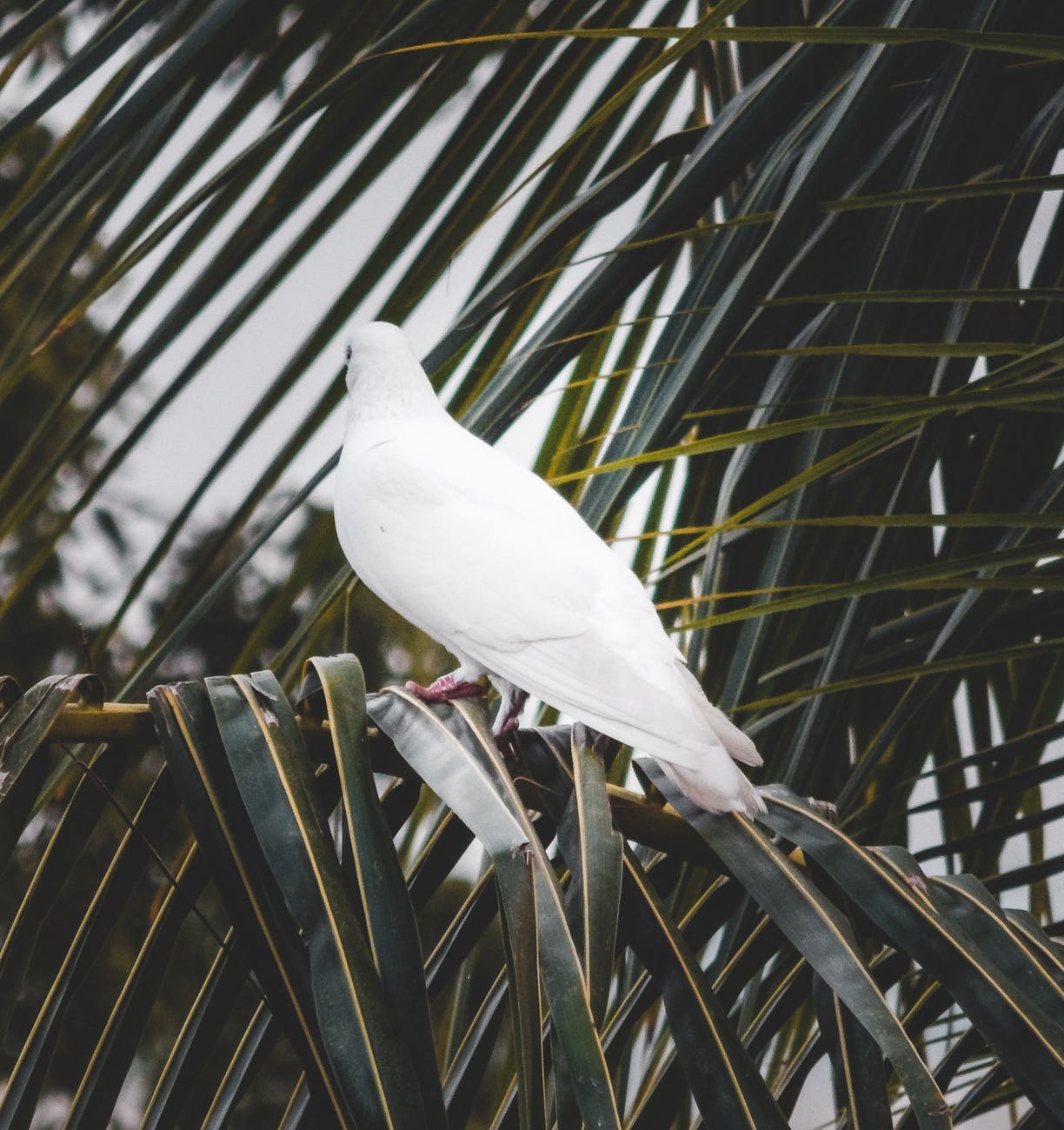
Once a crow saw a dove walking more gracefully than any other bird.
The step of the dove enchanted him and he decided to imitate her. The crow wanted at all costs to be able to move like her. But in that way his bones hurt.
Then, the other birds made fun of him, so the crow, ashamed, decided to return to the previous gait.
However, he did not succeed, because all his attempts to walk like the dove had made him forget his original movements.
That’s why since then crows jump, they cannot walk in either way.
In this case the moral is that you should accept yourself as you are because by comparing yourself to others you may hurt yourself.
If you have been lucky enough not to have suffered from anxiety disorders, you may not understand what it means to be in such a situation of psychological distress.
Family or friends, mostly out of fear, tend to think that the person suffering is not strong enough or determined to get out of it. However, no one chooses to be anxious or depressed, and no one has the magic wand to put an end to such suffering.
Moreover, people who suffer from anxiety are not as easily spotted as you may think. Many victims of anxiety often wear an unconscious mask of confidence and apparent happiness.
They want to hide a disorder that is very difficult to live with because they feel the constant apprehension of revealing it to their loved ones. Anxious people would not want to cause additional worries that could be difficult for their family and friends to deal with. They are also afraid that the relationships could be strongly impacted.
Therefore it may be difficult for families and friends to detect or recognise anxiety disorders.
However, if one of your friends in distress would end up speaking to you about their true condition, then you could try to provide appropriate support. Dialogue, emotional presence and referral to health professionals such as a psychotherapist who would help identify the basic problem are some of the first steps towards healing.
Would you like some tips on getting rid of anxiety? Have a look here!
Becoming older means also becoming wiser. You realize what really matters in your life, what you privilege and who you choose to spend your time with.
Priority goes to what really matters in your life
During your youth, you felt almost always excited and you believed that the world was in your hands. You thought you had all the time ahead to realize and live your dreams. Becoming older makes you understand that time is limited and therefore precious.
Because of that, you want to enjoy every minute and every second with what is essential for you. Going out in the evening and getting home very late (or also very early the day after), nights spent drinking, dancing until your feet would hurt, no longer interest you. What matters is enjoying the time spent with your family, dedicating them qualitative time, that is time of exchange, time that counts and that is not forgotten. You realize that time flies, so you want to favour the present moment. Looking at photos together, savouring the small magical moments of hugs, or playing with your children are moments of unforgettable happiness.
Avoiding self-righteous people
Hypocrisy is no longer part of your life as an adult (at least it should be). Sincerity is what you are looking for. Instead of uttering an uninteresting sentence to someone you barely know or don’t particularly like, you’d rather be sincere, kind but sincere. At the same time, you will be attracted to people who are honest in their gestures, words and actions; people who bring a positive note to your life.
Respecting the lives of others.
Time and experience are great teachers when it comes to knowing oneself and the others. Wisdom teaches you to turn away from the problems and conflicts that don’t concern you, so as to avoid getting involved with bad energy. Therefore, respecting the lives of others becomes a fundamental principle.
Restricting your circle of friends
By ageing, the idea of making new friends doesn’t interest you any longer. Your priorities are more related to your family. You seek good friends rather than many friends. You try to build healthy relationships and you want to avoid toxic people.
Becoming older means crossing many paths with pitfalls. However, the difficulties that life presented you, allowed you to become stronger, more determined and wiser.
You have learned to know the difference between a person who is harmful to your well-being and a person full of positive energy who brings you joy and good mood.
Here are the last ideas (for the moment) that came up to my mind and that you could try our in your free time. The previous parts are published here.
Plan a trip “on the road”. Offer yourself a little adventure to organize a road trip. Take a road map, identify a path that you do not know, and maybe not so well known. Look for a place to stop for the night. Check the weather forecast and go!
Try “geocaching”. Do you know what geocaching is? It is a so-called “experiential” game, which is nothing more than the technological evolution of the classic treasure hunt. Participants, called “geocachers”, use a GPS device or an App on a Smartphone to hide or find containers of different types and sizes. Sometimes they are organized by voluntary associations to raise funds, so participating would also help to finance a good cause. You will find them of any types, from the simplest to the most elaborate, sometimes with puzzles to solve.
Make a bucket list. A bucket list is a list of things you want to do in your life, from your goals to your dreams, and also the experiences you want to live. Once completed, choose a wish and make it come true!
Rest. It is decided, in your free time you do nothing. It is your right, if you get bored know that boredom could prove to be a source of creativity. Doing nothing helps you recreate your regenerating sphere to which you consciously or unconsciously aspire.
To conclude, I would like to stress the importance of the mentality with which you approach your free time. Sometimes it would be more useful to take leave also from yourself and not only from your job.. Going on vacations not always means making emptiness within yourself, freeing yourself from everyday thoughts. Sometimes going on vacations means fleeing, running away from your reality. And escaping from everyday life doesn’t mean your mental worries go on vacations too!
In her book The Happiness Project, author Gretchen Rubin describes how she dedicated an entire year of her life doing things that can increase her happiness. Although we all aspire to have more time, resources and energy, few of us really take actions to achieve this admirable goal. But there is one simple thing that can bring more happiness into our lives, of which we are all capable, and which has proven being worth: developing and improving our personal relationships.
Your brother-in-law has just been promoted to senior manager. The lady who takes care of your dog when you’re not around has just found her dream job. And you? What has happened to you to make you happier?
According to various psychologists and studies conducted on the subject, neither professional status nor wealth have a more significant impact on our emotional well-being than a fulfilling relationship.
According to a study carried out by the London School of Economics and broadcasted by the BBC, it is indeed close ties that have the greatest impact on our happiness. The study, based on a survey of about 200,000 respondents, examines the impact of various external factors on the overall life satisfaction rate. On a scale of 1 to 10, the findings revealed that doubling your salary has very little influence on your happiness, while meeting a person to whom you feel closely connected, maybe a potential partner, is much more important.
Although the success of your brother-in-law and dog-sitter is more easily measurable (a consequence of a higher position and greater economic freedom), true happiness is feeling connected to others. That being said, it’s not just about romantic relationships. People are happier when they hang out with others who share the same interests, culture, or also sense of humour.
So, if you can’t do what makes you happy 365 days a year, if your career is stuck or if your bank account is almost empty, don’t give up! A conversation with one of your best friend can be the key to your happiness.
Making others happy is simpler than you might think. There is a scientific explanation behind the phrase “a smile is contagious”. Researchers at Harvard University have found that happiness is contagious: when a person is joyful, people around them are 25% more likely to be happy as well. Imagine what could happen if every person in the world would do one act of kindness a day to another person. The repercussions would be staggering. You would not need to do great things, as even small gestures may make others smile.
Try these ideas to see if you would bring more happiness around you.
How to Make Others Happy #1: Sharing Books
Two Australian friends wanted people to quit the habit of watching their phones on the public transport and replace them with a good book. That is why they launched @booksontherail. This initiative invites people to place a sticker on a book they liked and leave it somewhere for someone else to pick it up and read it. After reading it, the book could be left again somewhere for another person. Why not give it a try? Next time you finish a good book, instead of leaving it on a shelf to gather dust, leave it somewhere and invite with a post-it the person who finds it to read it, and continue the literary chain of happiness.
In Brussels, there are small free “book shelves” on the streets where people can exchange books for free, of course. If you live in an apartment, why not set one up in the lobby of your building, or why not also at work?
How to Make Others Happy #2: Giving Compliments
“If you think something positive about someone, you should tell them,” says Steven Bartlett, who runs one of Europe’s biggest podcasts, Diary of a CEO. “It’s the easiest way to add positive things to a world that needs it so much.”
Take a little branch of your favourite plant from your garden or balcony and give it to a friend to integrate a part of your world into their world. Every time they look at it, they will think of you and they will put a smile in their face.
How to Make Others Happy #5: Pay for a Coffee In Advance
A “caffè sospeso” is a “hanging coffee” in Italian. This term was created in the workers’ bars of Naples more than 100 years ago. Some people will pay for two coffees while having only one so that people in need could enjoy the second one for free. When you order a coffee next time, ask the waiter if you can buy one for someone else as well. Some bars have regular visits from homeless people to whom they can offer your coffee.
How to Make Others Happy #6: Opening Doors
By “opening doors” I don’t mean metaphorical doors, I really mean opening a door for someone else who is behind you. “Something as simple as keeping a door open for someone else coming in can really lift both spirits,” says psychologist Jess Baker. “It only takes a few seconds, but it’s a moment of connection that shows that you’ve seen the other person, that you’ve taken them into account, and that you’re doing something to make their day more pleasant.”
The story you are about to read contains a very interesting moral, especially in light of the importance that our society gives to physical appearance. Here is how you can avoid disastrous results.
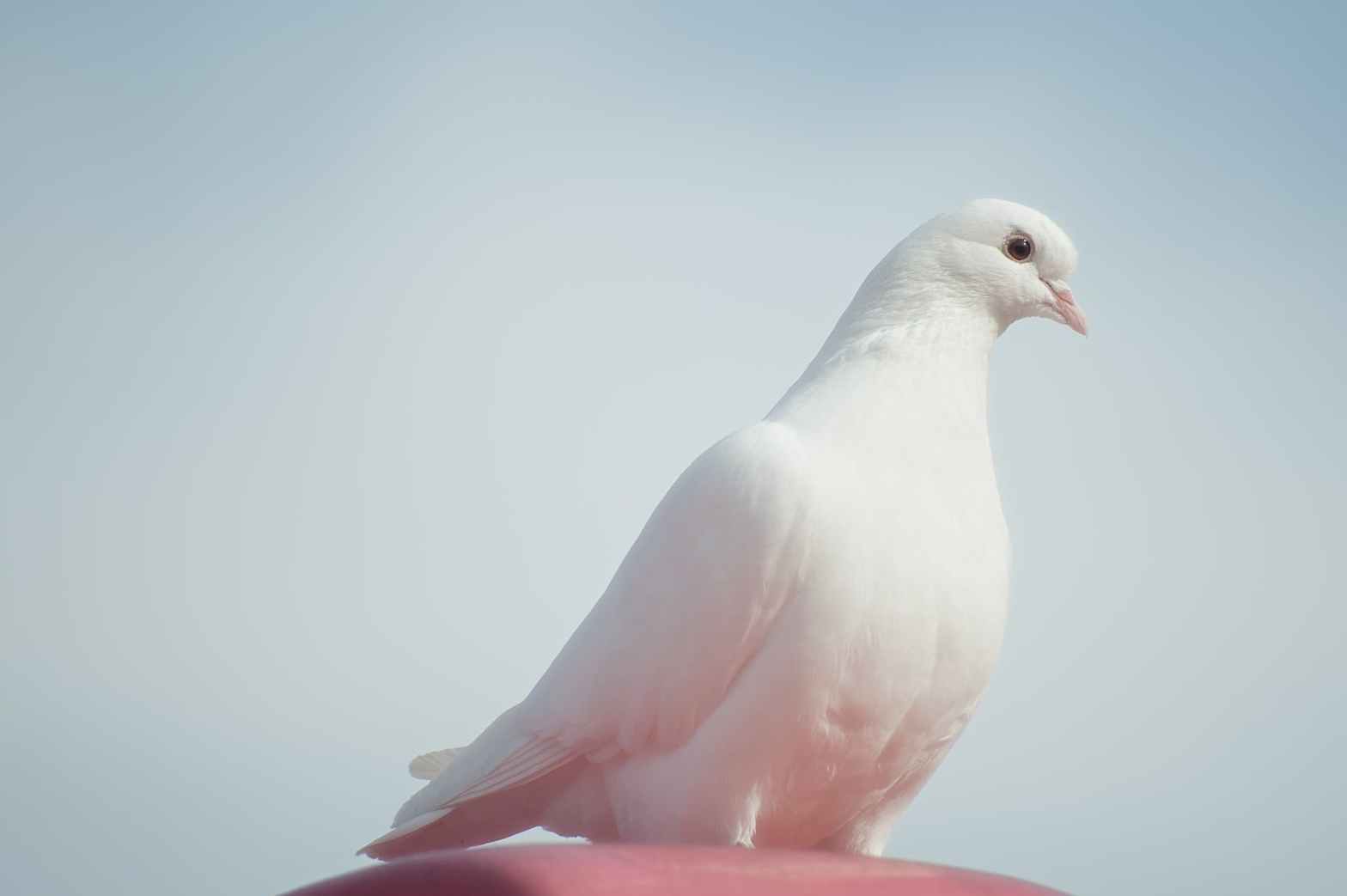
The Dove and the Crow.
On a beautiful sunny spring day, a dove with white feathers flew through the forest, and she stopped on a branch.
And what bird are you? A crow asked. I am a dove. Looking around she saw a flock of strange black birds: some flew, others rested like her on the branches of the trees. – What strange birds. They are black as carbon! – thought the dove. Suddenly one of them flew on the branch in front of her.
You are as pale as a dead man – said the crow. But everyone tells me that my feathers are snow-white – replied the dove. Don’t make me laugh! Look at us instead. Everyone admires us precisely for our beautiful feathers. The dove felt mortified: she felt different from all of them!
The dove decided then to get her feathers dirty.Now I really want to see what that obnoxious bird will say – she thought. There was a puddle full of mud nearby. So, without thinking for a moment she flew away, glided over the water and began to turn in the mud, dirtying the white feathers with black. Finally she was black too!
Unfortunately, at that moment a hungry wolf arrived, and targeted the dove. The poor thing was not able to fly because the feathers were all stuck by the mud, and she ended up being the wolf’s lunch.
Moral: Everyone should be happy with their appearance. Do not try to imitate others because the result might be disastrous.
Have a look at some other ideas to try out in your free time. You can find more here.
Stargazing. Prepare stargazing by becoming familiar with the sky that will show up on the chosen day and time (on the Internet you can find this information easily). You will have to choose a place away from light sources, take a blanket or even a deck chair and binoculars. There are also astronomical observatories and parks that organize evenings to look up at the sky, especially in summer when the phenomenon of streamers occurs (between 14 and 24 August, with a peak of activity during the night of Saint Lawrence between 12 and 13 August).
Plan a garage sale. If you want to free up some space in your home from things you no longer use while also earning some money, a good idea is to organize a “garage sale”, or a private sale in your home. If you find a flea market nearby your place, why don’t you participate? It is also an opportunity to invite all your friends and acquaintances, and have a chat while drinking a cup of coffee.
Let the children manage a day. The preparation of a day by children can itself become a playful moment. As adults, we can establish criteria, a budget and a timeline, then we entrust the organization to the children. Let yourself be surprised and if you do not have children, propose this activity to those who have them.
Take part in a short-term training. Are there any activities or things you’ve wanted to do but haven’t done yet? Look around and look for short-term courses organized by in neighbourhood. Don’t think too much about the content. Do you get inspired by meditation, zumba, or writing? Sign up for! Do not hesitate, follow your intuition!
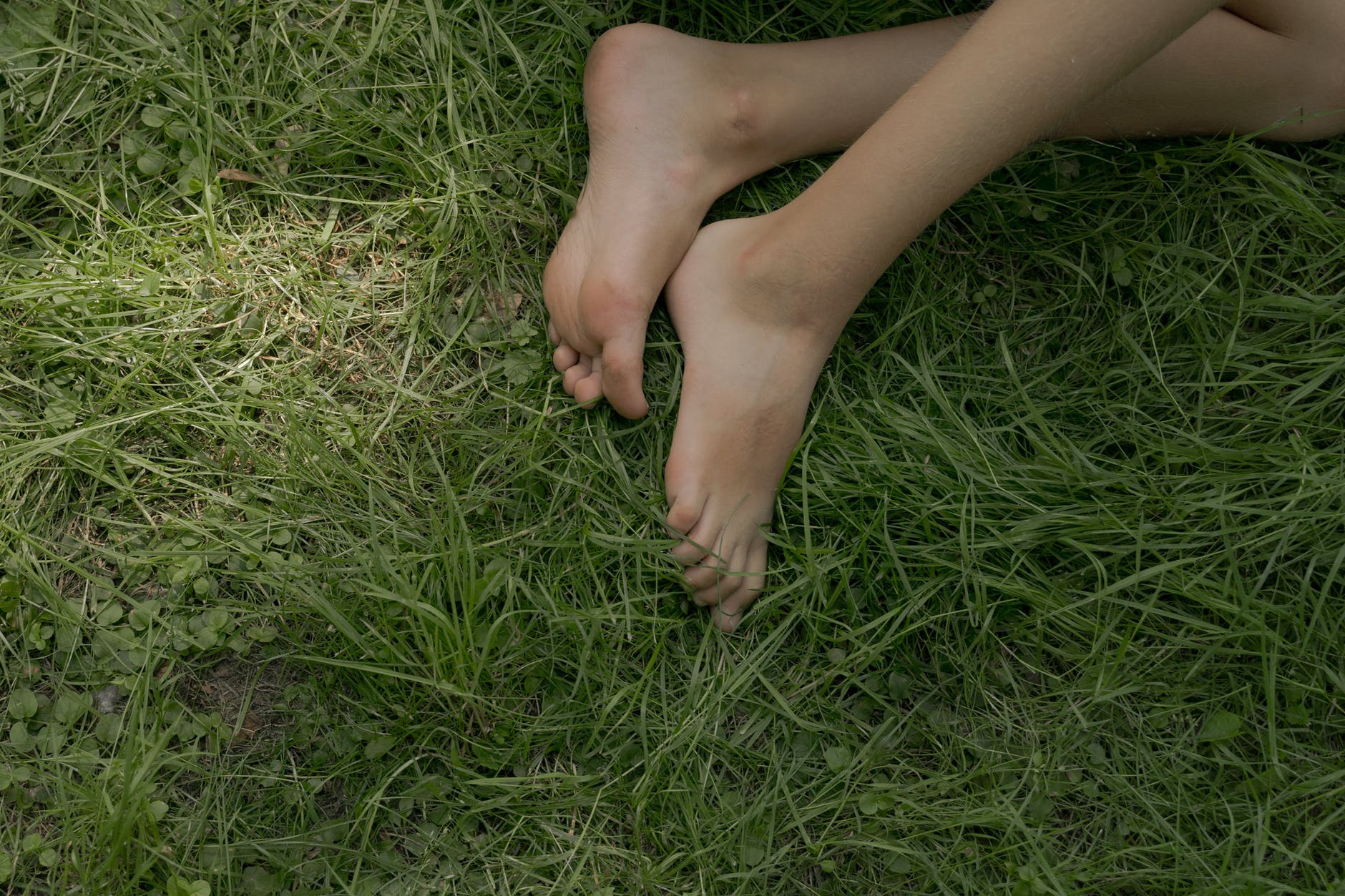
Walk more barefoot. The foot has 26 bones, 16 joints and 107 ligaments that need to be kept active for your overall well-being. In addition, the sole of the foot contains 7,200 nerve endings, which are the basis of foot reflexology. Being barefoot is essential for your health. Start little by little and then increase the time you spend barefoot. On the beach or in a park would be perfect!








 Crisbie Coach