Strengthen the Body and Mind with Pilates

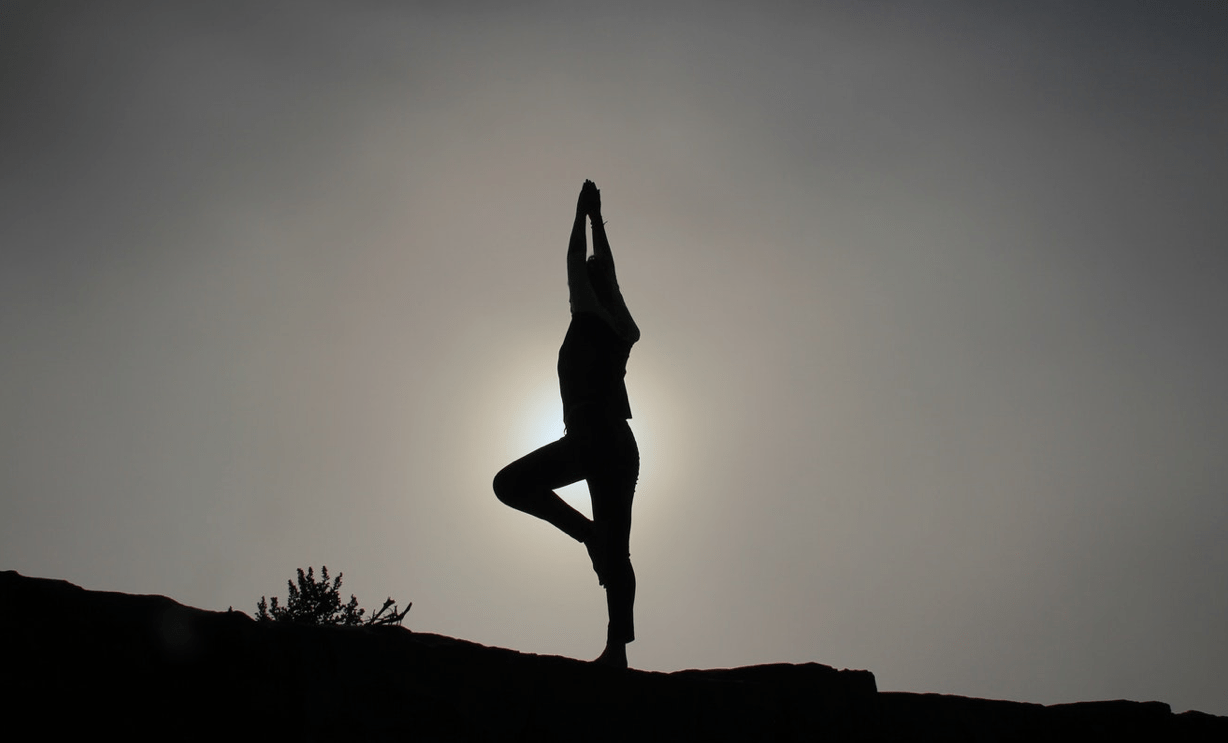
Do you know Pilates? It is a complete physical exercise that strengthens the muscles and the mind at the same time. During a Pilates session, the mind controls the movements of the body and the breathing allows the movements to be amplified. It’s not complicated, is it? Although it is a rather simple discipline, Pilates is an intense sport that helps to regain physical and mental well-being.

Through the sequence of fluid postures, Pilates allows you to work the strength and flexibility of the whole body. Pilates is an excellent exercise to recover your shape, and the benefits go beyond the loss of a few extra pounds and a flat stomach.

The stressful rhythm of modern life does not always allow us to take care of ourselves, of our body and our mind. Too often, we spend all day sitting in front of the computer, busy finding solutions to different problems. As a result, it is not rare to suffer from muscle contractions, back pain and stress in general. Focusing on the present moment and strengthening the abdominal muscles (the so-called Power House), Pilates is an exceptional antidote to the tensions of your body and mind.

5 Reasons Why Hiking Is Good for the Body, Soul And Spirit

Hiking means enjoying a revitalizing moment. People increasingly appreciate the benefits of slowness and simplicity. Walking is a wonderful way to discover the natural environment.

Here are 5 reasons why you should start hiking:

1. It is an extremely healthy activity.

Hiking can improve your general physical health that under many aspects is comparable to other sports. Sleep improves, the risk of cardiovascular diseases and chronic diseases is reduced. Indeed, it could also be better than an indoor sport activity: the uneven surface of the paths allows actually to work naturally and effectively on your internal balance and to strengthen it. This does not happen on a treadmill in the gym, whose surface is absolutely equal and you can only change the inclination. The gym doesn’t even offer the combination of pure air and natural light, accompanied by sounds, colours and perfumes of nature.

2. Walking outdoors makes you happier.

Hiking strengthen your spirit and your body at the same time. You can improve your mood, you can increase your happiness, the symptoms of anxiety and depression can be reduced. Connecting your spirit and your senses to the present moment, an excursion into nature represents the perfect antidote to the stress of modern life. In Japan, a long walk in the natural environment is considered an official therapy to reduce stress. The “shinrin-yoku“, or bath in the forest, simply consists of plunging yourself in the heart of a peaceful forest for a few hours and soaking up its atmosphere.

3. Sport is mixed with discovery

This is one of the main advantages of hiking, because it allows you to associate sport with discovery. Going to the gym can sometimes be difficult while going on an excursion is perceived as a pleasant activity. Hiking is always a new journey. By simply putting one foot in front of the other, you can venture into the diversity of new landscapes: green prairies, relaxing forests, sparkling lakes or cozy villages.

4. It’s a nearly free activity

There is no need to enrol, no classes or expensive equipment are required, hiking is an affordable activity. some nature reserves may ask for a low-cost entry ticket but there are plenty of areas whose access is completely free. The only think really necessary is a pair of good and comfortable shoes and a hat and sunglasses if it is sunny, of course.

5. Hiking is accessible to all, in almost all seasons and in all places

Everyone can enjoy a walk in the nature, regardless of the age and the level of training. Of course, you may have to choose paths that are suitable for your age and physical fitness. You don’t even need to plan or prepare the excursion in advance. Surely there are natural spaces suitable for hiking around or not far from you. If there are no mountains or large trails nearby where you live, there will certainly be a park or a natural space.

Let me know about your experience!

A Little Fat Is Beautiful

On Saturdays, I always go to Pilates, if possible, of course. Yesterday, a lady I haven’t seen for a while, approaches to me and starts to talk, explaining me why she has not come for the last month.

Her story begins by saying that she is too thin. It doesn’t seem to me, she is not fat, that’s true, but never before I’ve heard of someone complaining of being too thin, usually it’s the other way, people complain because they are too fat.

Then she starts telling me her problem. Because of her thinness, the bones pierce the skin and come out. Her coccyx has just healed and she suffered a tremendous pain. I am speechless, then the Pilates class kicks off and she stops talking.

I begin to reflect on my two extra pounds, on the fact that I wanted to have a session of cryolipolysis, and on the fact that I do not like my body a little “round”. Then I think about the lady, her problem, and I tell myself that I think I will keep my two extra pounds. I start then to do some research on the benefits of having a little extra fat, so to find a justification for keeping my two extra pounds (I have to find a good reason not to lose these two pounds, right?)

First of all, you need to know your BMI, Body Mass Index, and mine is okay, my weight is normal.

Once that I have established that I am not overweight, I go on with the search to look for possible damages that an excessive thinness may cause.

First of all, the adipose tissue plays important functions, including the production of hormonal substances, such as leptin (the satiety hormone), which has a role, among other things, in the regulation of energy balance and fertility. The reduction of adipose tissue below 20% in women can lead to menstrual irregularities, for example.

Let’s see now other risks associated to an excessive thinness:

  1. Early menopause. It has been found that being overweight may trigger an early menopause.
  2. Osteoporosis. Even the bones can be compromised. Above all, elderly people can experience the fragility of the bones. A certain percentage of fat mass, or even better muscle mass, can act as a protection to the bones.
  3. An insufficient dietary intake causes the body to trigger a “saving” situation with various consequences on the hormons such as the reduction of the growth hormone, or the increase in blood sugar because insulin is reduced.
  4. Muscle strength. Reduction of muscle strength, weakness, anemia.
  5. Infections. Underweight is also associated with an increase in infections due to the lowering of immune defenses.

Watch out! I’m not telling you that you have to fatten excessively to become obese, because then you would have other problems, like cardio vascular diseases. What I am saying is that you do not have to lose weight excessively.

Calculate your BMI and try to keep it over time by eating healthy and regularly, not forgetting that doing the right amount of exercise is just as important.

These are the best things you can do for yourself.

Eating Well for Sleeping Better

It is well-known that what we eat influences the quality of our sleep. It is even more important to eat well in the evening, because we go to sleep afterwards. Eating out a hamburger with friends coming out from work, eating a whole tablet of chocolate in front of the television, or eating too much on coming back late from work, they are not good habits. 

Why don’t we sleep well after having eaten late in the evening, or having eaten a lot or to having eaten a fat or sweet meal?
Which are the effects on health and on wellbeing if you sleep badly?
Which are the recommendations in order to sleep well and wake up completely restored?

Let’s see.

Why eating late it’s not good?
The body accumulates more fat. Recent studies have compared people eating late in the evening some food and people eating earlier the same kind of food. The former show more fat in their blood test.

This also represents a cardio-vascular risk for those people who would eat just before going to bed and after 10 p.m..
You may have some cramps or refluxes because of the lying down position in bed and therefore you may not sleep.
A bad digestion may wake you up during the night and therefore it may alter the quality of your sleep.

When you don’t sleep well, the whole body will suffer and you may become nervous, be in a bad mood and may not be able to focus well. Besides, the sleep regulates also our hormonal balance. The hunger hormone (the ghrelin) and the satiety hormone (the leptin) are produced while sleeping. If you don’t sleep well or don’t sleep enough, the two hormones are unbalanced: more ghrelin than leptin is produced. Then, you will be prone to eat more for compensating the lack of sleep or the bad sleep. You will eat more and sleep worse, in short you will find yourself in a vicious circle.
The stress hormone (cortisol) and the sleeping hormone (melatonin) are also regulated by the sleep. If they get unbalanced, the whole quality of your life will suffer.

Finally, the hemoglobin becomes rarer. This antibody protects the organism against bacteria, viruses and some toxins, therefore it is needed for a good immunity. As it is also produced during the sleep, you may become more vulnerable if you don’t sleep well. That’s why fatigue or stress can provoke illnesses.

In the long term, an irregular sleep or lack of sleep will increase the risk of depression, obesity, cardiac illnesses and diabetes. It is therefore fundamental sleeping well and also trying to pay attention to what you eat in the evening.

Try to privilege some foods rich in tryptophan and vitamin B2, because they make sleeping easier. The tryptophan, needed to produce the melatonin (the sleeping hormone) can be found in bananas, tuna, chickpeas, dates and milk. The vitamin B2, that also make sleeping easier, can be found in all dairy products (milk, yoghurt, cheese), green beans, tomatoes, mushrooms and in asparagus.

Recommendations for a healthy evening meal:

  1. eating at least three hours before going to bed;
  2. eating slowly, without stress;
  3. eating up to when you start feeling full, not more;
  4. eating with moderation foods as pasta, potatoes, cheese;
  5. avoiding sauces, excessively salty or excessively sweet food;
  6. avoiding alcoholic and energising drinks and other stimulants like caffeine;
  7. it would be better to avoid smoking too;
  8. sugar gives immediately available energy, therefore avoid also sweet drinks, sweets in general, above all if you would eat them in front of the television.

Do you feel hungry before going to bed?

Someone say that it would be better going to bed being a bit hungry, also your shape would benefit. But if you cannot really make it, then eat a light yoghurt with no sugar, some walnuts, drink some warm milk or an herbal infusion. The good old chamomile is an excellent option.

Ready for this challenge?

Keeping Your 2019 Resolutions

We are still in January and many of us have decided about their objectives for 2019, the so-called resolutions. The new year brings with itself the desire of change, the need of renewal. We would like to spend more time with the family, to take that trip that we have been dreaming about for so long, to change job, to enrol in a gym club, to lose weight, to stop smoking…the main goal is feeling better with themselves and with the others.
Why does it happen then that along the way we forget about them or we abandon them?

Here are some questions you should ask yourself.

Are your objectives too much ambitious, vague or simply they are too many? In this case you are putting too much pressure to yourself. If you have decided to stop smoking or to lose 10 kilos, you must ask yourself why you have started smoking and why you are always hungry. Are they not ways for relieving the so many daily tensions?

Are you positive in comparison to the achievement of your objectives? If you think that you will never make it, it is sure that you will never make it. Henry Ford used to say: “If you believe you can make it or if you believe you cannot make it, you will be always right”.

Is your goal appealing? You have decided to lose weight or to stop smoking. As such, they are great objectives. But find a bigger reason for which you want to achieve these objectives. For instance, you want to stop smoking for being able to recover breath faster when you go jogging or you want to lose weight to put again on those beautiful pants that suited you very well.

Bad habits are difficult to lose, above all you need time. As I said before, if you have been sticking to them for years, you have your good reasons (to protect you from stress, for example). You cannot change your habits in some weeks. Some time ago, studies told us that you can take up a new habit in 21 days. Now, neuroscience has found out that you need at least 60 days! Take you your time then, establish a new habit with calm, don’t stretch your body too far, your body is comfortably used to the old habit and it doesn’t feel like to replace it. You must make it understand, day after day, that another way is possible and it is also healthier!

Besides, remember that the path won’t be always linear and you may find obstacles. There will be some easiest moments then others but losing a battle doesn’t mean losing the war. Accept the ups and downs: your body will learn to adapt slowly.

Choose an objective that won’t sound like an obligation, in the sense that it must represent a real choice, a thing that you want to do, not that you must do. Control your thoughts, remember what Henry Ford said. Don’t focus on what you still have to achieve, but celebrate what you have already achieved. List the small victories and congratulate yourself. Stay positive!

Think about the strength that a seed has to become grass. It must come out from the soil to be able to live and flourish. It works slowly under the soil, up to when one day it comes out and sees the light! For you it is a kind of the same thing. Work slowly and one day you will see the results, because you are stronger than you think.

And now the four tips:

1. set one objective at the time, but define it well, use the SMART model (specific, measurable, attainable, relevant and time bound). Even though this model has been created for organisations, it may be helpful also to individuals engaged in goal setting.

2. Adopt the strategy of small steps by dividing your objective in some smaller objectives.

3. Celebrate achievements: the first kilo you have lost, the first whole day without smoking. Put some post-it all over your place with your success on it. Tell yourself “Well done!”.

4. Inform your family and friends about your goals and ask them to help you with this. Getting their support will help you in achieving the results. Look for some groups on Facebook that share your same goals, participate in forums on the Internet. Remember that you are not alone, there are other thousands of people that may have your same goals and exchanging ideas with them can be helpful to you. You can create yourself a blog, that can become your journal (a journal on paper is also okay).

Always remember that you are stronger than you believe!

A Guide to Budget-Friendly Self-Care Purchases for 2019

Self-care has become one of the most popular New Year’s resolutions, promising a year full of health, well-being, and self-love. However, the problem with self-care as a concept is that it is extremely vague. What does promising to take care of yourself actually entail? Is it possible to invest in self-care without spending a fortune on exclusive treatments and high-tech gadgets?

Eating Better

According to INC (1), the most popular New Year’s resolution for 2019 is to eat better or diet. Now, with increasing evidence showing that dieting is both ineffective and bad for your overall health, your focus should definitely be on simply improving your diet rather than drastically restricting it.

There are a few items that can help you do that. A slow cooker is a great way to eat healthier and save money, and some models cost under $50. A juice blender is great for people who want a way to have a healthy breakfast on the go, with cheaper models costing as little as $20.

Mental Health

Self-care for mental health can mean different things for different people. If you need to reduce stress, meditation is an excellent tool with loads of free options — try an app such as Insight Timer to help get you started. Journaling is another great budget-friendly, stress-busting habit, which can give you a sense of order and control.

It is also crucial that you take care of any unresolved or undiagnosed mental health disorders you may be suffering from, so go see a medical professional if you suspect you may have depression, anxiety, seasonal affective disorder, or any other issue.

Physical Health

Don’t forget that your mental health is strongly connected to your physical well-being, so regular check-ups are in order. One area people tend to neglect is dental care. Poor dental hygiene can be both a result of and a contributing factor to depression, not to mention affecting your physical wellbeing. This guide to affordable health insurance can help you keep these costs under check. 

Exercising

Exercise doesn’t have to cost you anything. For example, jogging, walking, and hiking are all great forms of exercise that can be done for free, and there are some excellent free YouTube channels for workouts from yoga to Pilates.

If you do want to invest in your fitness, go for some new exercise gear that gets you excited for your workouts. Health.com has a great guide to buying budget-friendly workout clothes without sacrificing quality. Alternatively, you could spring for that gym membership — just make sure you make it worth your money by going regularly.

Sleep

Sleep is often neglected as a health habit, especially compared to diet and exercise, but it is just as important as everything else. One of your main resolutions for the year should be to sleep better, and there are a few simple ways to achieve this.

Firstly, create a consistent sleep routine and stick to it. This means going to sleep at the same time every night to wake up energized and refreshed in the morning. This is free, and it’s possibly the most important part. However, you can enhance your sleep with small, affordable luxuries such as high-quality bedding or a soothing pillow mist spray.

Self-care is often used as an advertising tool to sell luxury and expensive wellness items. However, the truth is that true self-care is available to everyone and can actually cost very little (even nothing at all). The items you purchase for self-care should be tools to support lifestyle improvements, not the improvements themselves. The most important thing is your attitude and commitment to taking better care of your mind and body — the stuff is just there to help.

(1) editor’s note: Inc. is an American weekly magazine which publishes about small businesses and startups (Wikipedia)

6 Tips To Meditate While Walking

Walking and meditating are two powerful anti-stress remedies. Practicing them together brings enormous physical and psychological benefits. Ten minutes a day are enough and you can practice meditation walking at any time of day and anywhere. No excuses, then! Do you want to try?

The meditative walk, both outdoor in the nature and in the chaos of the city, allows us to free ourselves from everyday stress.

Walking by itself is good for your health. It allows to eliminate cardiovascular diseases and back pain, for example. Why not combining this practice with meditation? Here are 6 tips on how to do it.

  1. Keep your back straight.
  2. Synchronise the breath on your steps, by keeping a quiet walking pace.
  3. Become aware of your body: focus on your feet, on your legs, on the movement, on the contact with the soil. Try to eliminate tensions and concentrate only on the steps.
  4. Focus on the feelings this practice gives you. Are they pleasant? Does your body relax? Does your mind relax?
  5. Then move your attention on your emotions. What do you feel? Do not judge the emotions you feel, let them go, observe them as a spectator.
  6. Finish your practice by standing, contemplating the feeling of fullness and thanking your body and mind for the beautiful meditative walk.

Do not try not to think. Thinking is the activity of the brain, it is impossible to stop it! On the other hand, try to take advantage of the moment of relaxation you are experiencing, to become aware of your body and your emotions without this affecting your mood and without judging.

By regularly practicing the meditative walk, you will feel more and more balanced and at peace with yourself.

Unplug your mind, find yourself

When e-mails, text messages, conference calls, Webex, Whatspp, FB, Instagram, Tweeter, Google and anything else from your partner to your boss invade our lives, it becomes necessary for our survival to stop for a while and be silent.

Our always connected minds take us away from the best of ourselves and our creative potential.

Referring constantly to what one or the other has said, we forget to connect to our essential being, which is unique and precious.

We have become individuals driven by technological change that moved away from ourselves, from our awareness of being human, from the first component of Emotional Intelligence (EI). EI is recognized today as a condition of success in a Volatile, Uncertain, Complex and Ambiguous (VUCA) world, as it is the one we live today.

Refocusing, looking inside, listening to silence and our inner voice. In the depths of ourselves we find an enormous amount of resources and our most authentic creativity: it is our treasure, a unique, rich and colorful, magical place where everything is open and possible.

In this space, we can find synchronicity, messages and insights that will enable us to make the right decisions for our lives.

In this space real relationships can arise, authentic relationships between sincere people who are now masked by the ego that continues to rule us.

What to do then?

Give yourself moments of silence! Be for a while without your mobile phone. Go out for a walk without it, walk with no direction in the nature and feel, look, listen, use all your senses to the maximum.

Be present in this unique moment and let yourself be pervaded by the harmony that surrounds you.

Practice your favorite hobby, and if you do not have it, think about finding one. Quietly cooking at home, knitting, painting, drawing, gardening and all the other activities that you may be passionate about.

Stop for a moment and stop moving from one activity to another, from one piece of information to another. Your brain can not take it anymore, it also needs a rest. Give yourself time to deepen the reasons of your choices and discover the reason of your being, your purpose.

So many people today cannot make a decision, if it has not been recommended by someone, a friend, a colleague, or a family member.

People feel lost. Most probably they are really lost: they have disconnected from themselves to live in connection with the social networks.

It is not my intention to condemn social networks and sources of information, I also use them. The problem is their overuse: a lot of people nowadays lives constantly with an external reference and far away from their real life.

I can accompany you on a journey where you will learn to clear some space for your inner needs. I will show you techniques to manage your stress that will help you to go back to your daily occupations in a more balanced way. And live your life fully. You deserve it!