Do You Know Why Storks Are Said to Bring Children?

Late February, early March, in Europe, storks are back on the chimneys! This year again, they will bring beautiful babies into homes…

Finally, this is what children are told, because no one believes in this cute legend. But by the way, where does it come from?

Weddings are often held in early summer, in June-July. And in earlier times, almost elsewhere, children were often conceived immediately after the wedding, especially because there was no effective means of contraception. After 9 months of pregnancy, a peak of births happened around March, precisely when the storks returned from their winter migration!

That’s where this little story comes from, the observable link between births and the return of storks. It is a correlation, namely a statistical relationship between two phenomena. But that doesn’t mean one is caused by the other. That’s causality, and we must not confuse correlation and causality as the legend does!

In economics, for example, looking at a graph, one might think that the more mobile phones a country is equipped with, the less infant mortality there is. The two elements are correlated, that’s for sure, but the real cause of the link lies elsewhere: the country concerned is rich enough to have good maternity wards and a population that can afford mobile phones.

Between storks and births, it’s the same thing. Causality is simply the calendar, which makes the reproductive habits of humans coincide with the migration of storks. This cute legend thus originates from an error of reasoning of which we are all victims and that we call the stork effect!

Did you know this little story about storks?

Why Being Curious Is Worth

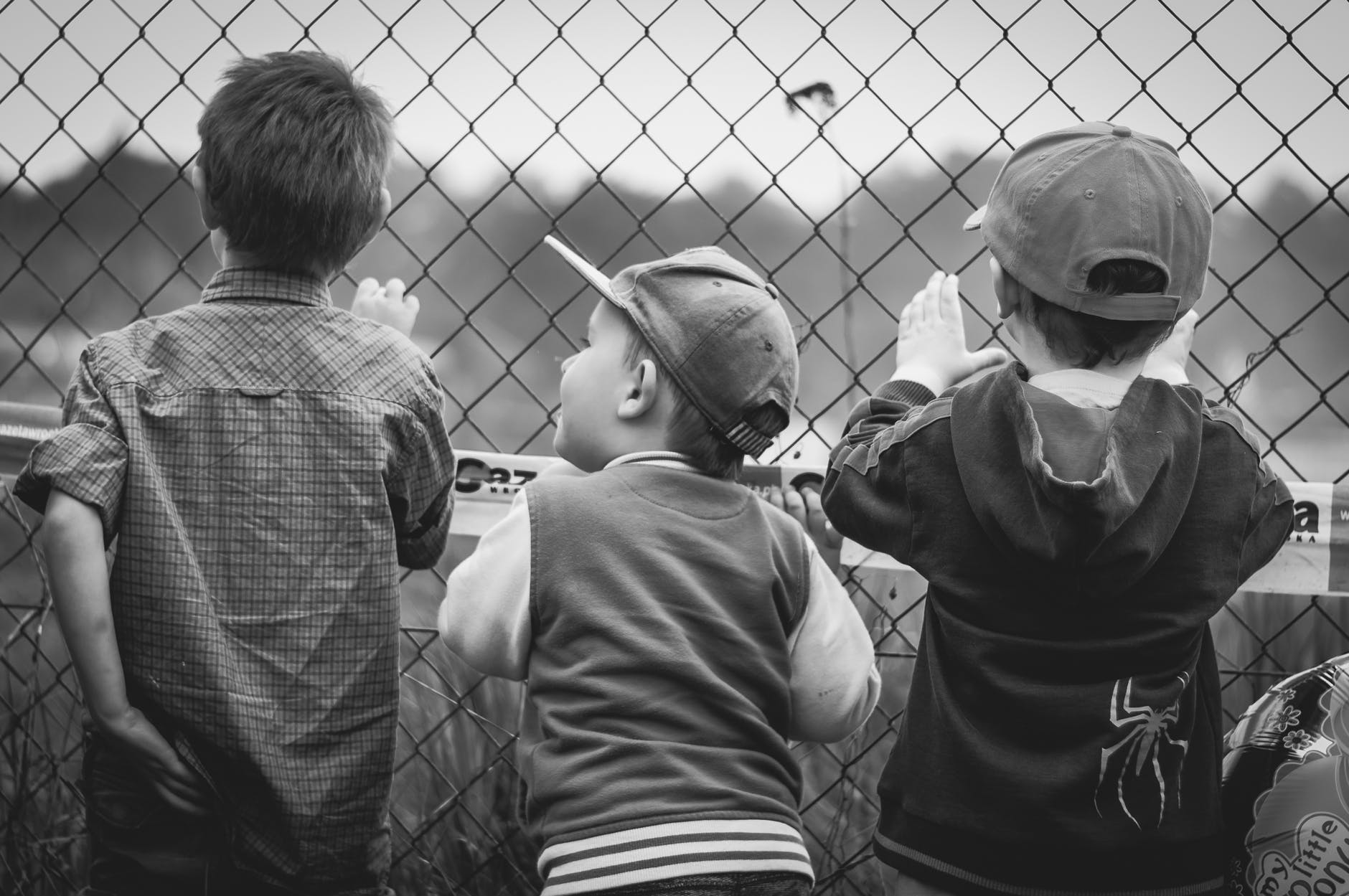
We are all born curious. Think about when you were a child or at children you know. They are extremely curious, aren’t they? They ask a lot of questions and they put themselves in dangerous situations.

Curiosity has great benefits: from rejuvenating your minds to helping you cope with change successfully.

However, we don’t all experience it the same way. There are those who are fascinated by Instagram to look into others’ lives, and there are some people who focus their interest on getting to know how things work, like for instance a car engine.

In both cases they are curious people.

However, the latest research shows that there are different types of curiosity which influence our personality and abilities.

Let’s look at the typology proposed by Todd Kashdan, of George Mason University, and other authors:

Joyful exploration: this is the classic type of curiosity. You look for something related to new knowledge or information, from learning how to cook a dish you liked to knowing who built a particular building. This curiosity, as the name indicates, is linked to the joy of learning something you did not know before.

Anxiety caused by missing something: this dimension has a different emotional tone. While the previous one gives you joy, in this case you get stressed or anxious to know how to solve a problem during an exam or to remember something that does not come to your mind, for example.

Tolerance to stress: it is activated when you accept doubt or anxiety facing new, complex or unknown events. In some ways, it helps reduce resistance to change. It allows you to ask yourself what there may be beyond fear, for example when you experience changes in your job.

Social curiosity: if you are socially curious you tend to observe what others think, or how they behave. It is the desire to learn about others’ lives through the press, TV or social networks.

Thrill-seeking: This is the dimension that leads people to take any kind of risks to seek out new experiences, such as practising extreme sports or travelling to dangerous countries for the pleasure of the adventure.

According to a research conducted in 2018 on over 3,000 workers in the United States, Germany and China, 84% recognized that curiosity allows them to generate new ideas and 64% that it helps them to get a job promotion. Furthermore, according to the study’s conclusions, the first four dimensions of curiosity improve outcomes at work while people with high social curiosity are best at stirring up conflicts and gaining trust.

Ultimately, you can have one or more of the previous dimensions and, depending on this, you will  be a joyful explorer, or you will be more inclined to solve problems, or, thanks to your social curiosity, you will be more empathetic.

Which category do you think you belong to?

black and white boys children curiosity
Children Are Extremely Curious – Photo by Pixabay on Pexels.com

September Quotes

Let’s welcome September with four quotes:

All at once, summer collapsed into fall. -Oscar Wilde

And then the sun took a step back, the leaves lulled themselves to sleep and Autumn was awaken. – Raquel Franco

September days are here. With summer’s best of weather and autumn’s best of cheer. – Helen Hunt Jackson

September tries its best to have us forget summer. – Bernard Williams

Do you know any other quotes on September? Which ones?

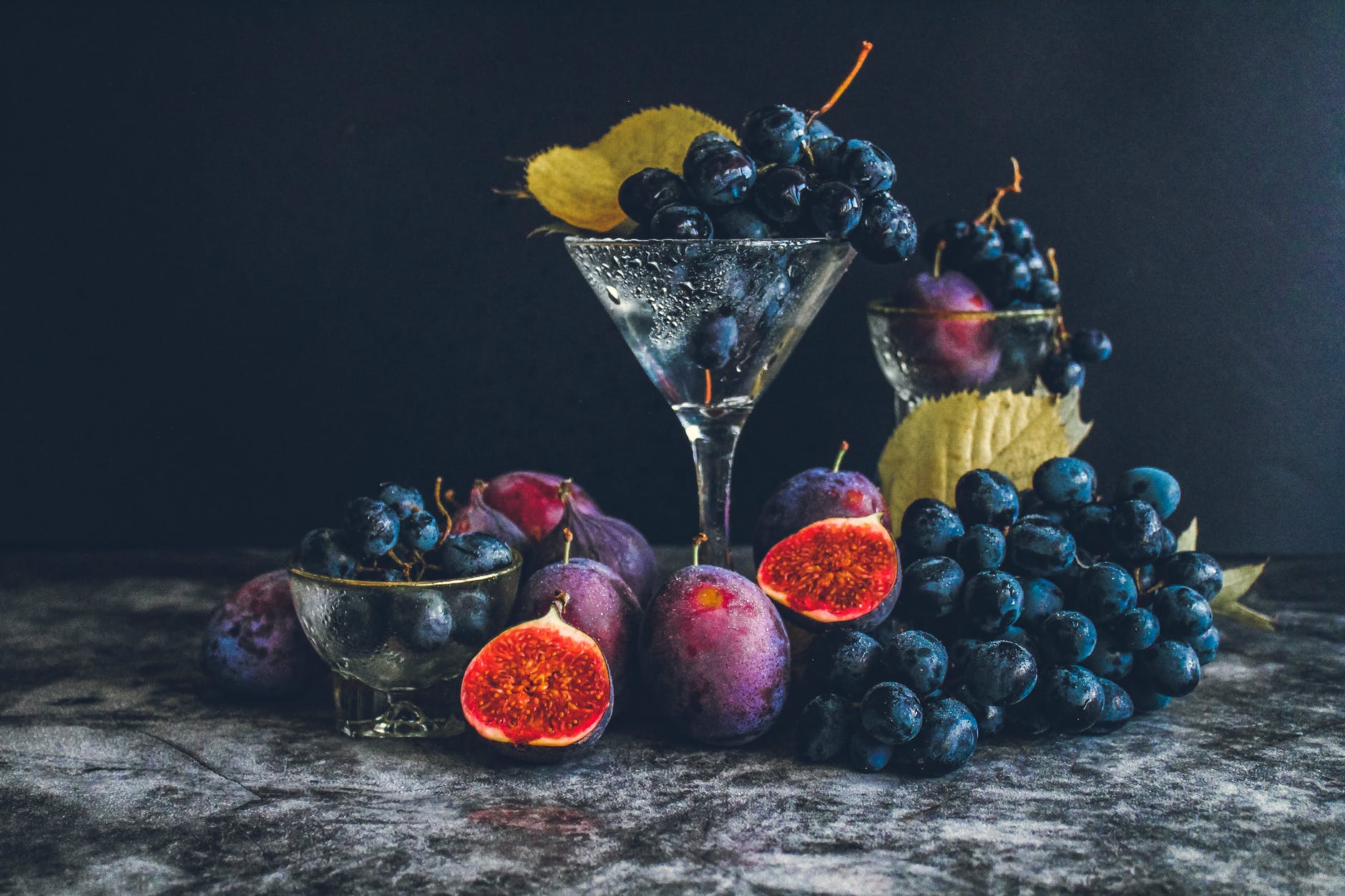
variety of fruits
Photo by Tijana Drndarski on Pexels.com

Happy Ferragosto to All!

Do you know that today in Italy, and in some other Catholic countries, the 15 August is a holiday?

We call it Ferragosto. Today it is a religious day when the Catholics celebrate the Assumption of the Virgin Mary into Heaven (the Assumption Day).

However, the most famous Italian summer day derives from the Roman day called Feriae Augusti (rest of Augustus), established by the emperor Augustus in 18 BC. to grant a period of rest and celebrations to the Consalia, the end of agricultural work. The days of the Feriae Augusti were used precisely to recover from the work on the fields, and to celebrate the harvest.

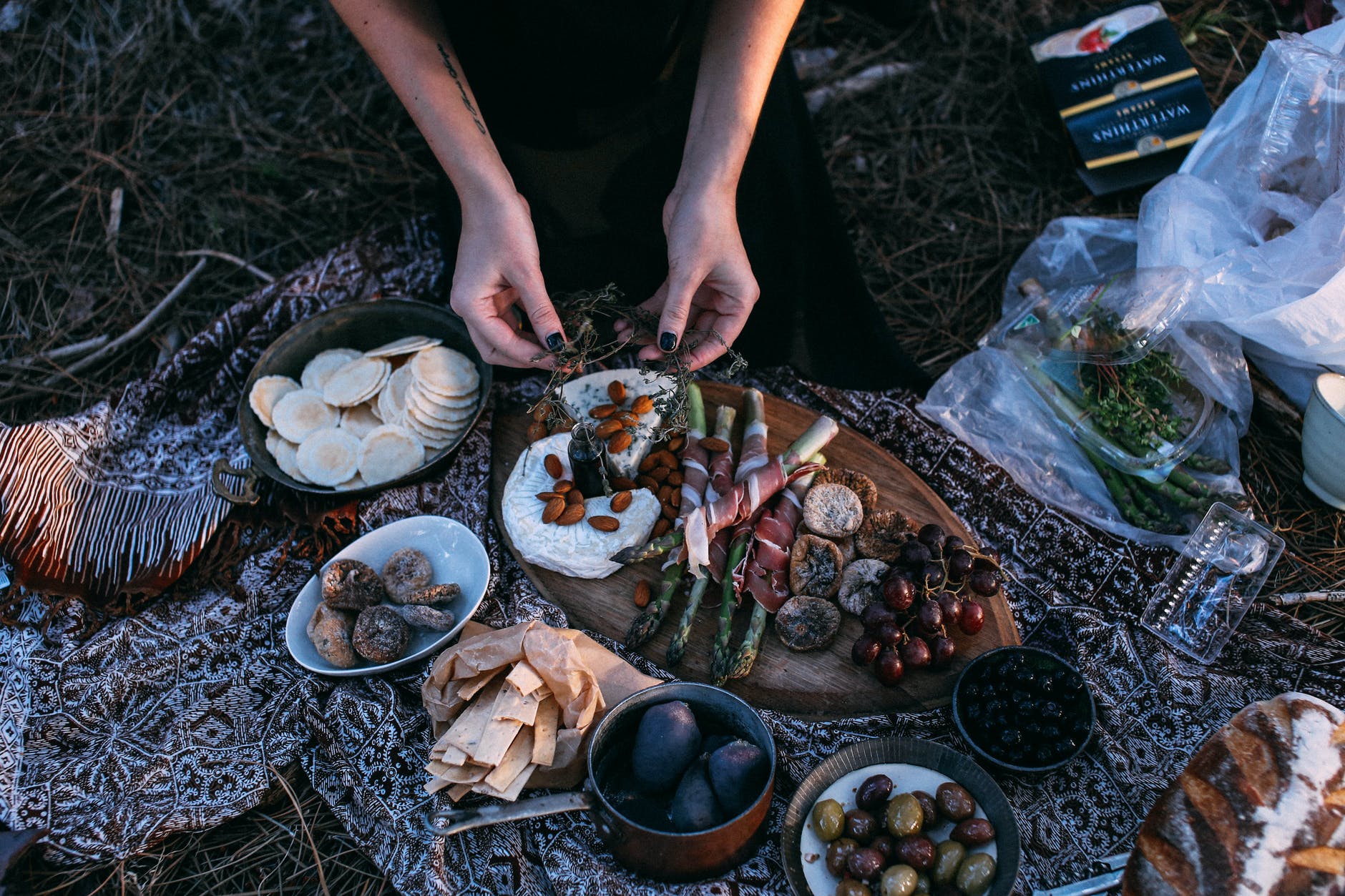
It is typical in Italy to spend this day by taking a picnic, at the seaside or in the mountains, with your family and friends.

It is a very happy day for us, even though sometimes, despite August is traditionally the hottest month of summer, some thunderstorms may happen.

Whatever the weather will be, it is going to be a great day!

crop unrecognizable woman serving delicious snacks on plaid for picnic
Photo by Rachel Claire on Pexels.com

What I Have Learned From Leonardo da Vinci

Leonardo da Vinci was the most creative genius in history. Of course, saying that I learned things from Leonardo is perhaps a bit risky, because in fact Leonardo is the very embodiment of genius.

As we know, Leonardo lived in a particular era for humanity, the Renaissance, when literature, philosophy, science and the fine arts experienced an unprecedented splendour. Italy was in full economic momentum and Florence became the capital of fine arts.

Leonardo was born not far from Florence, in Vinci in 1452. In Florence, he learned painting, sculpture, architecture, music, nature, science, geography, poetry and who knows what else. After all, we know he was a genius, right?

Let’s see some of his main masterpieces:

1. The Last Supper, a mythical painting, difficult to preserve because Leonardo used a technique of his own invention that, however, proved to be inappropriate.

2. The Vitruvian Man, a drawing that illustrates the proportions of the human body.

3. The Gioconda, also known as the Mona Lisa, one of the most famous and seen artworks in the world.

Photo by Markuns Baumeler on Pixabay

Other works are less famous but not less important:

  1. The Codex Atlanticus, which brings together the largest collection of Leonardo’s writings and drawings.
  2. His futurist inventions such as the helicopter, the plane and the submarine.
  3. The huge statue depicting a horse: 70 tons of bronze and 7 metres high.

Why Leonardo wanted to make these works, so different from each other?

I think he was mainly driven by the curiosity to experiment and discover new horizons. He loved creating and doing things with his hands. He loved dreaming, designing, building and putting wings to his ideas.

Taking care of all his projects, one after the other and sometimes even in parallel, represented for Leonardo his life’s purpose.

The lesson that Leonardo taught me is that in life you have to try, make mistakes, do not give up and start over again to move forward. It does not matter how many difficulties you may face. Surely, Leonardo had to go through a series of failures to achieve his project. I am sure that determination and perseverance were also some of his skills. Look at what he left us, all the works that gave him the title of genius of all time.

You may not forget your failures, but to progress you can learn from them.

What are the lessons learned from your life?

Photo by Bessy on Pixabay

Why Travelling Locally?

Travelling abroad is nice. But do you really need to cross a border to enjoy you holidays? I am not sure about it. Every country has unique sites, cultures and heritage.

Stay local. Especially in our times, after the COVID-19 outbreak, we need to support our economy. Economy needs support right now. When being a tourist in your own country you’re actively supporting your own economy. All the money you spend boosts tourism revenue and helps out local businesses.

Save money. A big trip can be quite costly, so why not spend it lots of mini trips? Save on flights and accommodation and use the extra money on more fun activities.

Learn more about your country. Every country has their own history and heritage. With domestic travel you actually might pick up a thing or two. You’ll be able to learn a lot and who knows, gain a deeper connection with your homeland.

Photo by Rana Sawalha on Unsplash

Don’t worry about the language. Good thing with staying local is that you don’t have to worry about getting lost in translation.

What do you think about staying local this summer?

Exchange of Things: I Give Something to You, You Give Something to Me

Summer 1959, Moscow. During an official meeting, the head of the Soviet Union, Nikita Khrushchev, drinks a Pepsi Cola. Yes, victory! A member of the meeting discreetly welcomes.

The happy man is a representative of the famous American brand of drinks, Donald Kendall. That evening, Kendall had one goal: to convince the Russians to sell their drink in that immense country.

But Kendall shouted victory too early. If Khrushchev likes Pepsi, we are still in the times of the “cold war”. We don’t really talk about consuming a product from capitalist America!

But a few years later, when relations between the two countries improve, Pepsi tries again. And this time the Russians also see an interest in them because they can sell vodka to the Americans.

The deal can only be done without using the currency: Russia rejects the dollars of the American capitalists and cannot bring out the rubles from the country.

Then we return to the oldest form of exchange: bartering. The Russians authorize Americans to sell their drink on their soil in exchange for selling vodka on American soil.

This Pepsi exchange for vodka has continued for years, but in 1979 the US no longer wants to exchange Pepsi for vodka.

So Pepsi finds an alternative. Instead of regulating trade in vodka, the Russians will be able to pay with their old warships. Pepsi thus resells the old scrap metal to make a good profit.

Photo by Nick Jio on Unsplash

What do you think about it? Have you ever exchanged items with your friends? Would you like to do it, like when you were a child and you exchanged stickers?

Do you know that there are Local Exchange Trading Systems (LETS) where you can trade not only things but also services?

In times of crisis, it would be good to start applying new economic models, like the sharing economy, where individuals can hire out things like their cars, homes and time to others in a peer-to-peer modality. We exchanged our home for vacation for many years through a website called Home Based Holidays, and on the Web you can find many more. No worries about your belongings: they come to you place, but you go to theirs!

Once, at a second hand market I bought a sweater made by a famous French brand for 2 euros. I was astonished and the lady told me: What I don’t like any longer, you may like it.

Actually this is the principle: instead of buying things that we maybe use only once, or we get tired of soon, like children with their toys, we could start exchanging them.

It will be a step towards a more sustainable economy, that will bring us some benefits like reducing negative environmental impacts by decreasing the amount of goods needed to be produced, and cutting down on industry pollution. It will also increase recycling items and grant access to people who can’t afford buying certain types of goods or use them only from time to time.

All this is also in the perspective of the degrowth theory, that will let us go towards strengthening our belonging to our local community.

By the way, I have been using that sweater since then!

Photo by Norwood Themes on Unsplash