
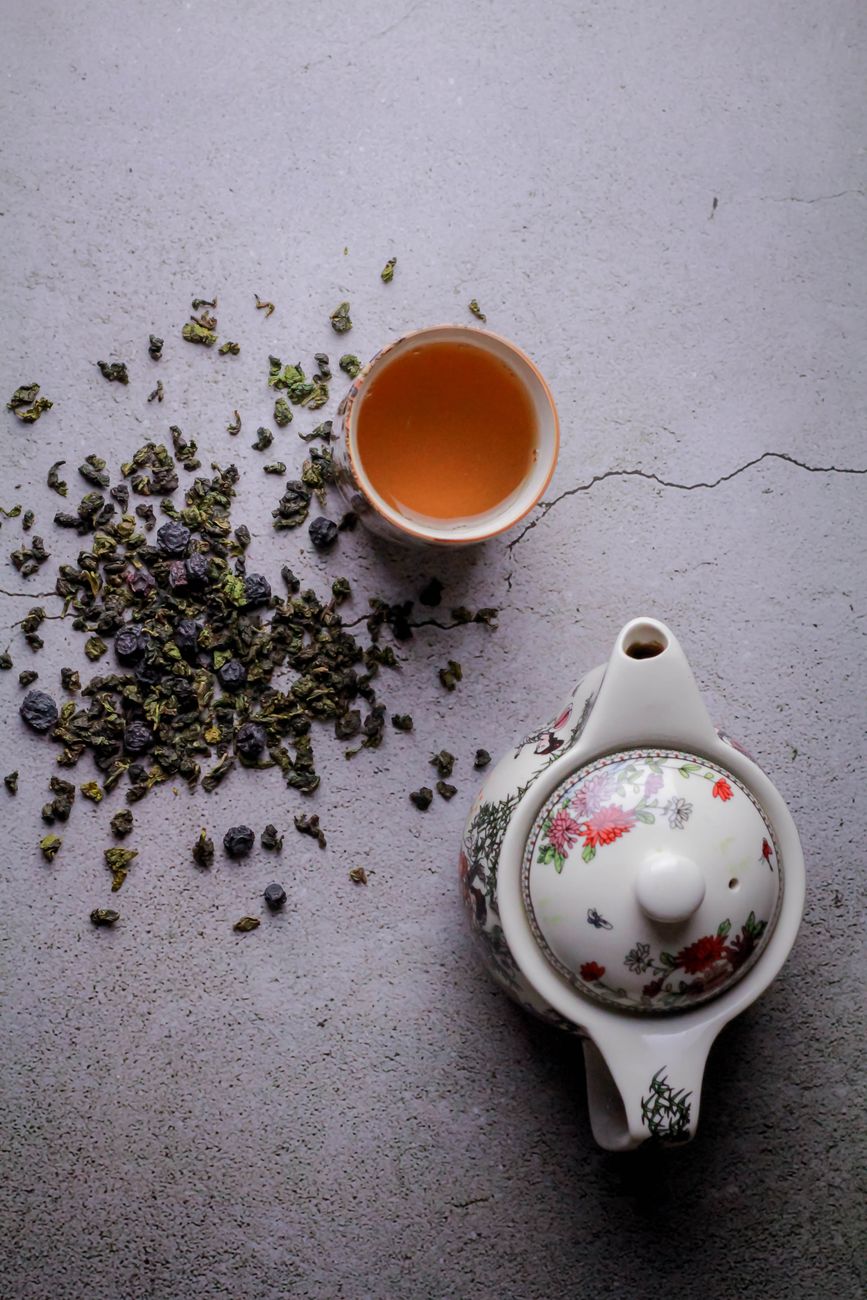
The world is vast and diverse. Every country has their own customs, languages, and traditions that tell stories of identities far apart. Yet there are gestures capable of transcending every border, small rituals that instantly create a sense of familiarity, warmth, and welcome. Sometimes it really takes very little to feel at home: a gentle look, a shared table, or the simple gesture of handing someone a cup of tea.
It is precisely around this beverage that many cultures have built traditions, ceremonies, and moments of encounter over the centuries. The gestures, fragrances, tools, and meanings change, but the purpose remains the same: sharing time with others and transforming an everyday moment into something deeper.
Morocco: Hospitality in a Cup
In Morocco, mint tea is a symbol of hospitality and conviviality. It is prepared with precise and almost theatrical gestures, poured from above to create the typical foam and served to guests as a sign of respect and welcome. Its sweet, intense, and enveloping aroma recalls the character of the Moroccan people: warm, lively, generous. Yet, alongside the overwhelming energy of merchants’ voices, tea also represents a pause for peace. A moment of shade shared with friends, travelers, and people from distant lands, sitting together to slow down the pace of time.
China: Harmony and Culture
In China, tea takes on an even deeper meaning. There is a variety for every occasion: green, black, white, oolong, jasmine. Here, tea is not just a drink, but a constant presence in daily life, almost an essential necessity. For centuries, it has been considered a precious gift, a beneficial elixir for body and spirit. Offering tea to a guest represented the highest form of respect and hospitality.
With the famous Classic of Tea (Chajing), written by Lu Yu in the 8th century, tea became a symbol of culture and meditation. Its preparation became deeply linked to Buddhism and the search for inner harmony. In courts and among intellectuals, the tea ceremony was considered an expression of education, morality, and refinement. Even today, despite modernity, tea retains its strong cultural and identity value in China.
Japan: The Philosophy of Presence
In Japan, this beverage perhaps reaches its most spiritual form. Cha-no-yu, the traditional tea ceremony, is not just a ritual, but a true philosophy of life. Deeply connected to Zen Buddhism, it is based on four essential principles: harmony, respect, purity, and tranquility.
Every gesture, every movement, every silence has a precise meaning. Preparing tea becomes a meditative art, an exercise in presence and attention. It’s not just about drinking, but fully living that instant. In a society often frantic, the tea ceremony represents a suspended space, an invitation to inner calm and mutual listening. Even in Japanese daily life, tea continues to be a symbol of welcome and sharing, just as it is in China or Morocco.
England: Social Connection
But the tradition of tea belongs not only to the East. Closer to us, in England, this beverage has assumed a strong social value. Starting in the 19th century, the famous Afternoon Tea conquered London salons, transforming into an elegant moment of meeting and conviviality. Among steaming cups, sweets, and conversations, tea became the protagonist of English social life, accompanying family meetings but also cultural debates and gatherings of intellectuals.
Tea as Universal Language
In every part of the world tea changes flavor, color, and ritual, but always conserves the same essence: that of creating bonds. It is a drink that crosses ages and continents bringing with it stories, traditions, and different ways of living time. Behind a simple cup often hides an invitation: stop, share, listen. And that, even among vastly different cultures, it can take just one steaming cup to suddenly feel less foreign and a bit closer.
What drink would you consider as most important for bridging cultures and bringing people closer?
Thank you for reading! You can read more from me on my blog crisbiecoach and, please, subscribe!

