
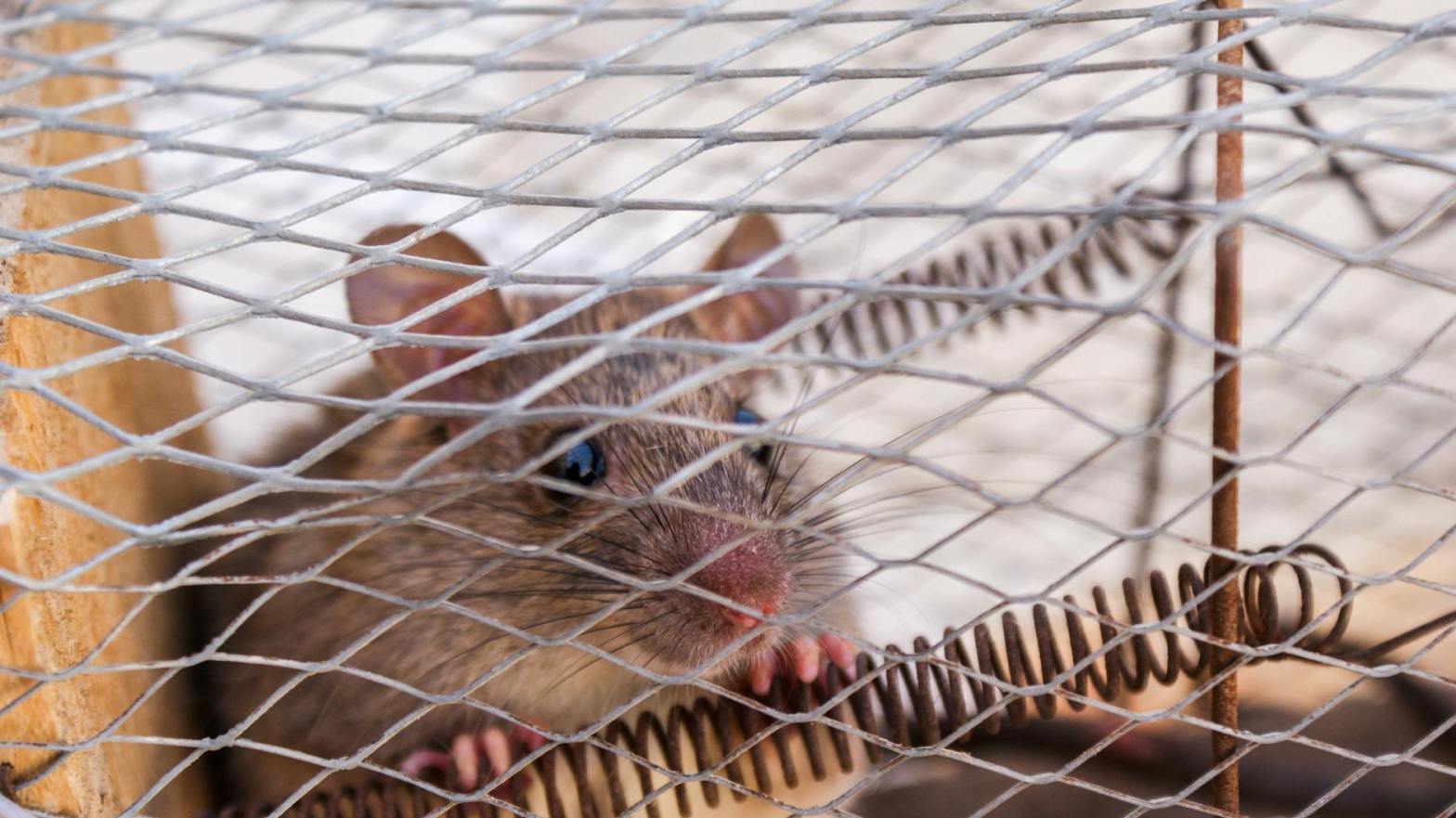
Do you know the story of the mouse and the trap? It’s a tale that teaches a lesson about community, the importance of heeding warnings, and empathy.
A little mouse once discovered that a trap had been set in the farmer’s house. Alarmed, the mouse ran out to inform the other animals on the farm, hoping they would understand the danger and help find a solution.
The mouse first approached the chicken and warned, “There is a trap in the house!”
The chicken clucked and replied, “I am sorry, Mr. Mouse, but it is no concern of mine. It doesn’t affect me directly, so there’s nothing I can do.”
Next, the mouse went to the pig and repeated, “There is a trap in the house!”
The pig sympathized but said, “I am very sorry, Mr. Mouse, but there is nothing I can do about it. It doesn’t affect me directly.”
The mouse then turned to the cow and told her, “There is a trap in the house!”
The cow said, “Oh, Mr. Mouse, I am sorry for you, but it doesn’t bother me at all. There is nothing I can do.”
Dejected and alone, the mouse returned to the house, knowing that he would have to face the danger alone. That night, the trap snapped, but it wasn’t the mouse that was caught. The farmer’s wife had heard the noise and went to check the trap. In the darkness, she didn’t see that it had caught a venomous snake by the tail. The snake bit her, and she became very ill.
To care for her, the farmer slaughtered the chicken to make soup. Despite the efforts to nurse her back to health, the woman did not recover. Many people came to the house to pay their respects, so the farmer had to kill the pig to feed all the visitors. Eventually, the farmer also had to slaughter the cow to provide enough meat for everyone.
The little mouse watched in sorrow as all the animals who had refused to help him met their fate due to the trap that they had thought did not concern them.
The moral of this story is that danger to one can be a danger to all, and the importance of helping others in times of need, as a threat to one community member can ultimately affect everyone.
In the end, “The Mouse and the Trap” illustrates the interconnectedness of all community members and the vital role of empathy. Each animal’s initial reaction of indifference underscores a lack of empathy for the mouse’s plight. By ignoring the mouse’s warning, they failed to understand and share in its fear and concern.
True empathy involves recognizing that the struggles of others are significant, even if they do not seem to directly affect us. The misfortunes that befell the chicken, pig, and cow serve as a poignant reminder that a lack of empathy can lead to unforeseen consequences. Had they empathized with the mouse and taken action, they might have prevented the ensuing tragedy.
Thus, the story encourages us to practice empathy by listening to and supporting those around us, understanding that their troubles could one day become our own. By fostering a compassionate and responsive community, we can collectively safeguard against dangers that any one member might face.
Would you agree that this fable teaches us the good implications of being empathic?
Thank you for reading! Please sign up for my blog crisbiecoach so you don’t miss out on any posts!
 Crisbie Coach