
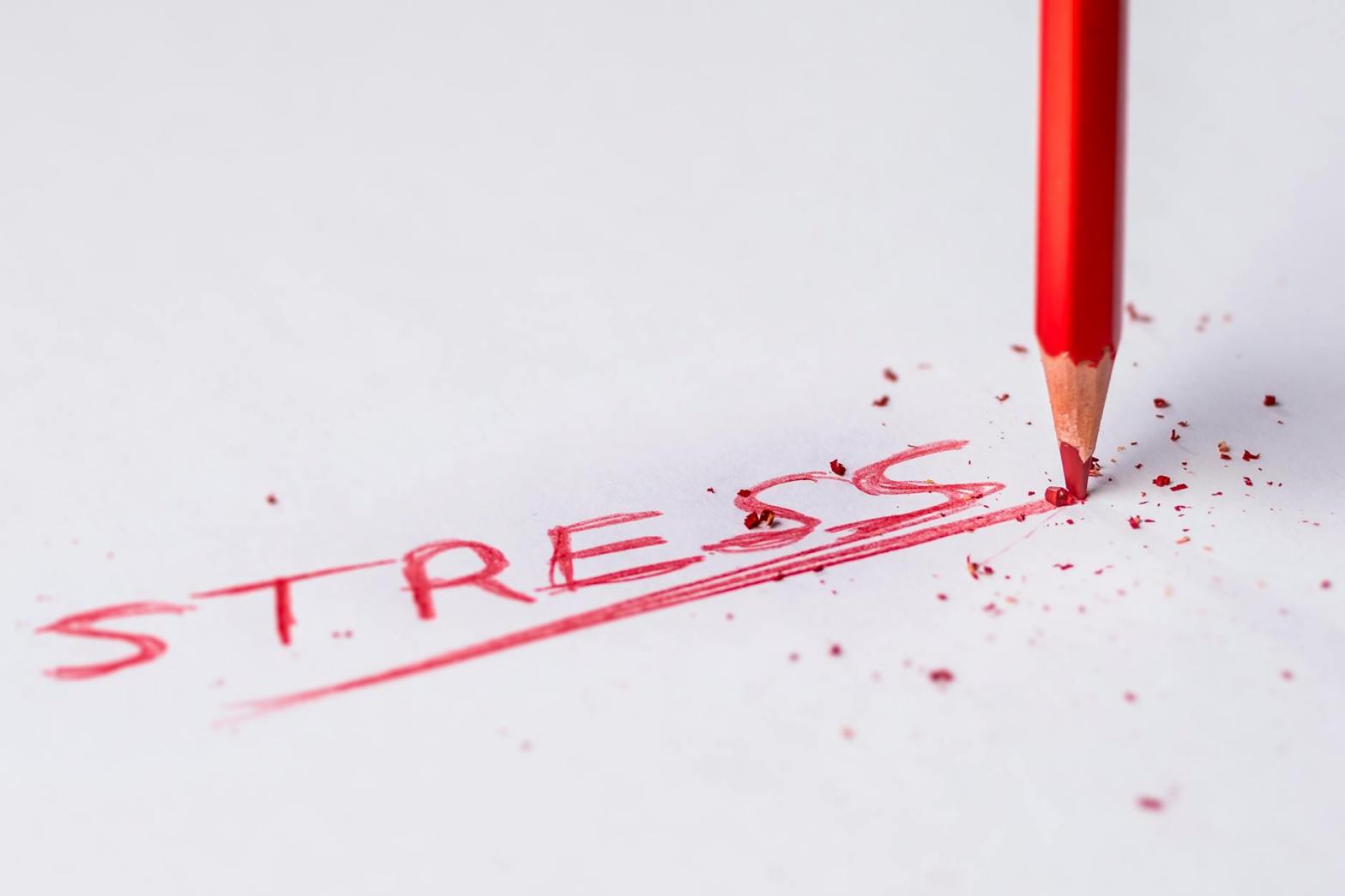
In our daily lives, the term “stress” likely finds its way into our vocabulary frequently. It’s a familiar sensation stemming from the multitude of commitments, looming deadlines, and the constant struggle to find time for ourselves.
Stress, in its various forms, manifests as a sense of unease, fatigue, and irritability, rendering us more susceptible to illness and less patient with both others and daily challenges. Yet, stress serves a vital purpose as an adaptive response ingrained within our evolutionary heritage.
Hans Selye, a pioneer in stress theory, viewed stress as the body’s adaptive mechanism to confront perceived threats. This response triggers the release of hormones like cortisol and adrenaline, fortifying muscles and heightening reactivity. Thus, stress, in essence, possesses not only positive attributes but also serves as a necessary survival mechanism for our species.
While our ancestors faced acute physical dangers, modern stressors predominantly stem from psychosocial sources such as work pressures, social dynamics, financial concerns, and overwhelming commitments. Unlike the fleeting threats encountered by primitive humans, contemporary stressors endure, necessitating prolonged recovery periods.
Recognizing the signs indicating that stress may be jeopardizing one’s health is crucial:
- Sensitivity to stimuli like sound and light
- Muscular tension and pain
- Headaches
- Sleep disturbances
- Irregular heartbeats
- High blood pressure
- Digestive issues
- Anxiety and depression
- Irritability
- Persistent fatigue
When circumstances prevent avoidance of stress, adopting proactive strategies becomes imperative. Engaging in regular physical activity, particularly aerobic exercises like brisk walking, swimming, or cycling, stands out as an effective stress reliever.
Practicing breathing techniques, such as diaphragmatic breathing and slowing the respiratory rate, offers another valuable tool in stress management. Additionally, activities like yoga, tai chi, and meditation, alongside the rising trend of mindfulness, enhance personal awareness and counteract stress.
Moreover, indulging in a soothing massage can elevate oxytocin levels, countering cortisol’s effects. Magnesium, a vital mineral often deficient in modern diets, serves as a potent anti-stress supplement when consumed as part of a balanced diet.
In combating stress, it’s essential to tailor strategies to individual needs and preferences.
What methods do you employ to combat stress in your life? Sharing experiences and insights can contribute to collective well-being and resilience against life’s pressures.
 Crisbie Coach