
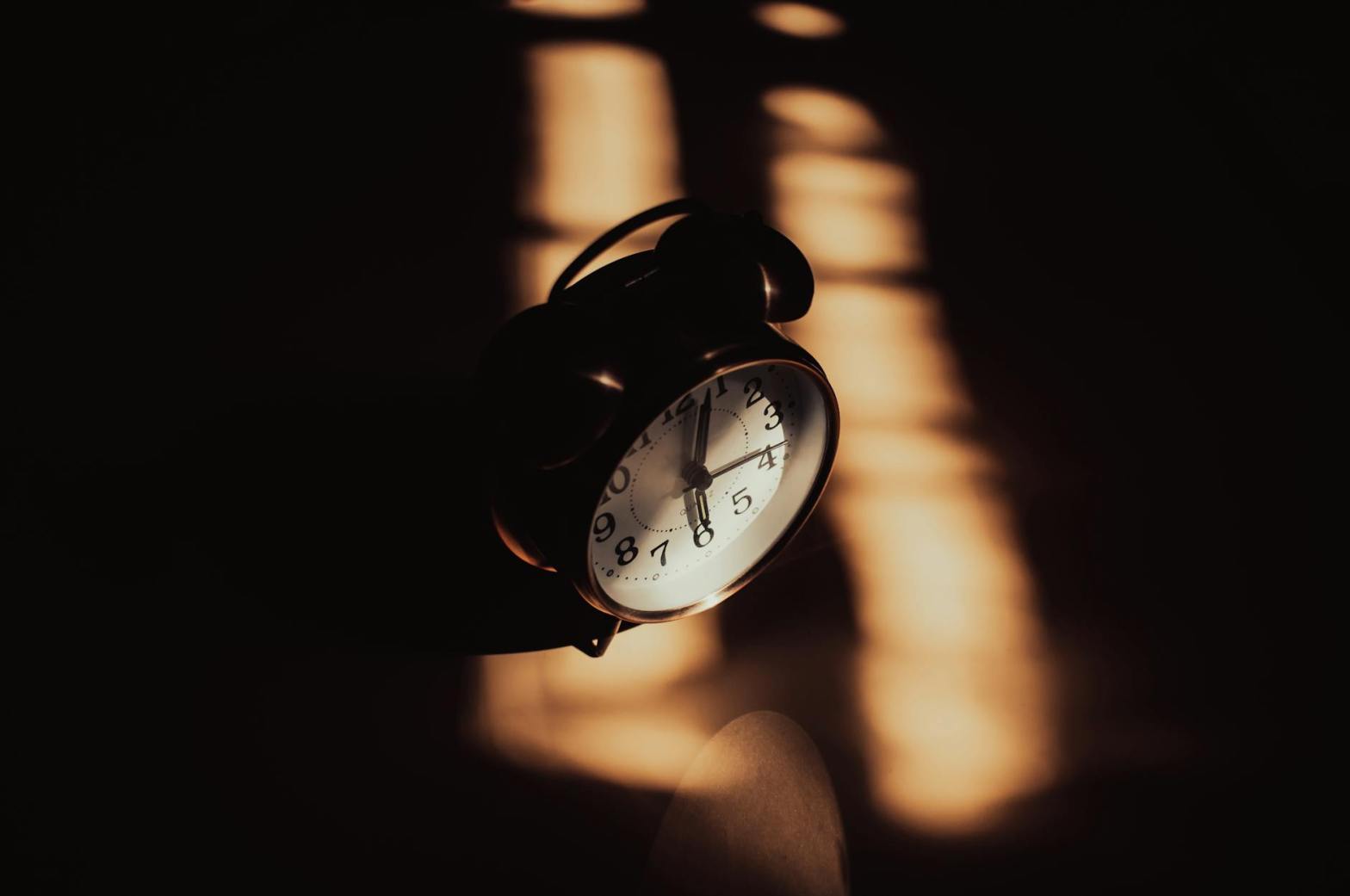
We often overlook the delicate link between what we eat and how our bodies function on a daily cycle. But did you know that your meals do more than fuel your body—they also help set your internal clock?
Recent research reveals that insulin, the hormone released after eating, plays a crucial role in synchronizing circadian rhythms—the biological processes that follow a roughly 24-hour cycle. This discovery opens new doors to understanding metabolism, sleep, and even chronic diseases like diabetes.
🧠 What Are Circadian Rhythms?
Circadian rhythms (from Latin circa = around, dies = day) are internal biological clocks that regulate various physiological functions, including:
- Sleep-wake cycles
- Hormone secretion
- Body temperature
- Heart rate
- Digestion
At the core of this system is the central clock located in the brain. It’s primarily reset by light. But surrounding this master clock are peripheral clocks in organs like the liver, pancreas, and adipose (fat) tissue, which respond to other cues—especially food.
🍽️ Feeding Time: A Powerful Zeitgeber
In chronobiology, a zeitgeber is an external cue that synchronizes biological rhythms. While light is the dominant zeitgeber for the central clock, food intake is a key zeitgeber for peripheral clocks.
When you eat, your blood glucose rises, prompting the pancreas to release insulin. This hormone doesn’t just regulate sugar—it also sends signals to peripheral tissues, helping them align their internal clocks with feeding times.
🧬 Tissue-Specific Effects
Interestingly, insulin’s impact isn’t uniform across all tissues. It strongly affects clocks in metabolically active tissues like:
- Liver: Regulates glucose storage and metabolism
- Adipose tissue: Manages fat storage and energy balance
But it has little to no effect on clocks in the lungs or blood vessels, suggesting that only tissues directly involved in digestion and metabolism need rapid synchronization with feeding times. [diabetesjournals.org]
🩺 Why It Matters: Health Implications
Disruptions in circadian rhythms—due to irregular eating, shift work, or jet lag—can lead to:
- Insulin resistance
- Obesity
- Type 2 diabetes
- Sleep disorders
Understanding how insulin resets peripheral clocks could help develop chronotherapy strategies—timing meals and medications to optimize metabolic health. [nature.com]
✅ Practical Takeaways
Here’s how you can support your biological clocks through nutrition:
- Eat at consistent times: Regular meal schedules help synchronize peripheral clocks.
- Avoid late-night eating: It can misalign your liver and fat tissue clocks.
- Balance your meals: Foods that promote insulin secretion (like carbs) can help reset clocks, but timing is key.
- Consider chrono-nutrition: Align your eating patterns with your natural circadian rhythm.
Are you ready to optimize your health by synchronizing your meals with your body clock?
Thank you for reading! You can read more from me on my blog crisbiecoach and, please, subscribe!
 Crisbie Coach