
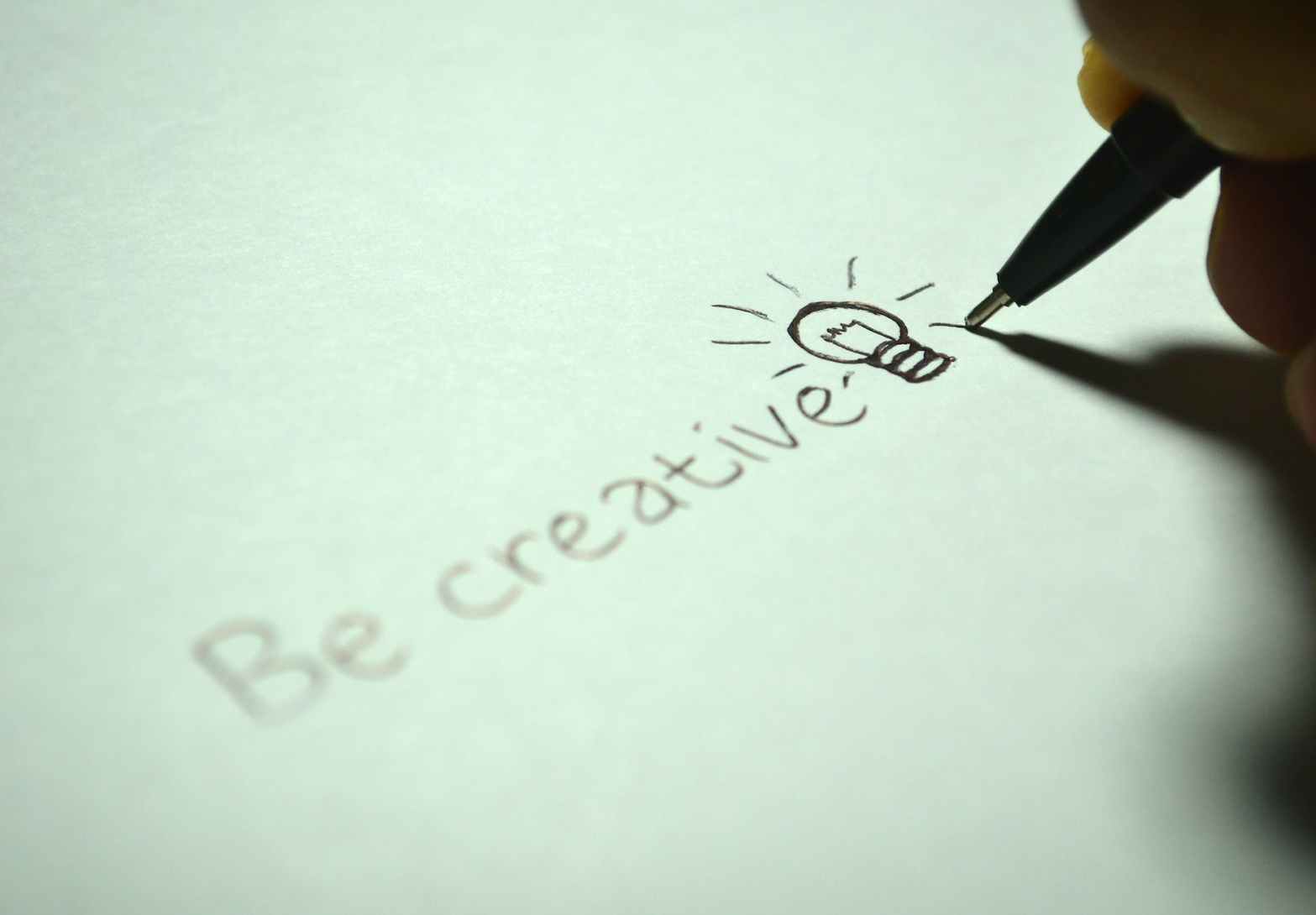
In the fast-paced world of tomorrow, creativity stands tall as one of the essential skills. In this article, I aim to demystify the concept of creativity and provide you with valuable resources to delve deeper into this skill.
Beyond the conventional perception of creativity being limited to artists and innovators, I explore its universal relevance, the process it entails, and how anyone can harness and enhance their creative capabilities.
Unveiling the Real Essence of Creativity
Commonly, creativity is associated with individuals possessing extraordinary artistic or inventive talents. However, this narrow view is debunked by creativity expert Sir Ken Robinson. In his immensely popular TED talk, Robinson reshapes our understanding of creativity, emphasizing:i
- Creativity’s significance across all spheres of life and work.
- The inherent creativity we are born with but tend to outgrow.
- The misconception that creativity thrives only when boundaries are absent; in reality, it often thrives within constraints.
- Viewing creativity as an ongoing process, not a singular event, and thus, acquirable by all.
Creativity, Imagination, and Innovation Distilled
Distinguishing creativity from imagination and innovation is crucial. The following definition outlines the two fundamental phases of the creative process:
- Generating ideas.
- Making judgments to evaluate the value of those ideas.
This dual-phase approach sheds light on the myriad factors that foster creativity, including cognitive abilities, knowledge, thinking styles, motivation, personality traits, and environment.
Fostering Creativity: Techniques and Strategies
While no foolproof formula exists to boost creativity, several techniques can be beneficial:
- Cultivate “psychological distance” to gain fresh perspectives.
- Engage with new people to diversify your influences.
- Cultivate curiosity and keen observation.
- Embrace feedback as a constructive tool.
- Embrace spontaneity to break routine patterns.
- Allow purposeful wandering of the mind for novel connections.
Empowering Resources for Unleashing Creativity
A wealth of online resources awaits those seeking to enhance their creative prowess:
- Discover an A to Z guide to creativity techniques.
- Assess your creativity with the Epstein Creativity Competencies Inventory for Individuals (ECCI-i) test.
- Explore insights on The Creativity Post blog.
- Read thought-provoking Creativity at Work articles.
- Subscribe to The Creative Mind newsletter.
- Enroll in a free online creativity course.
- Harness the power of visual thinking.
- Try Mind Mapping.
Embrace the exciting journey of nurturing your creativity, a skill pivotal for the future. Shedding the misconception of creativity being exclusive, the universal relevance is unveiled and the process demystified. With an array of techniques and resources at your disposal, you’re empowered to unlock your creative potential and contribute meaningfully to the ever-evolving world. So, dive in, explore, and enjoy the transformative power of creativity!


 Crisbie Coach