
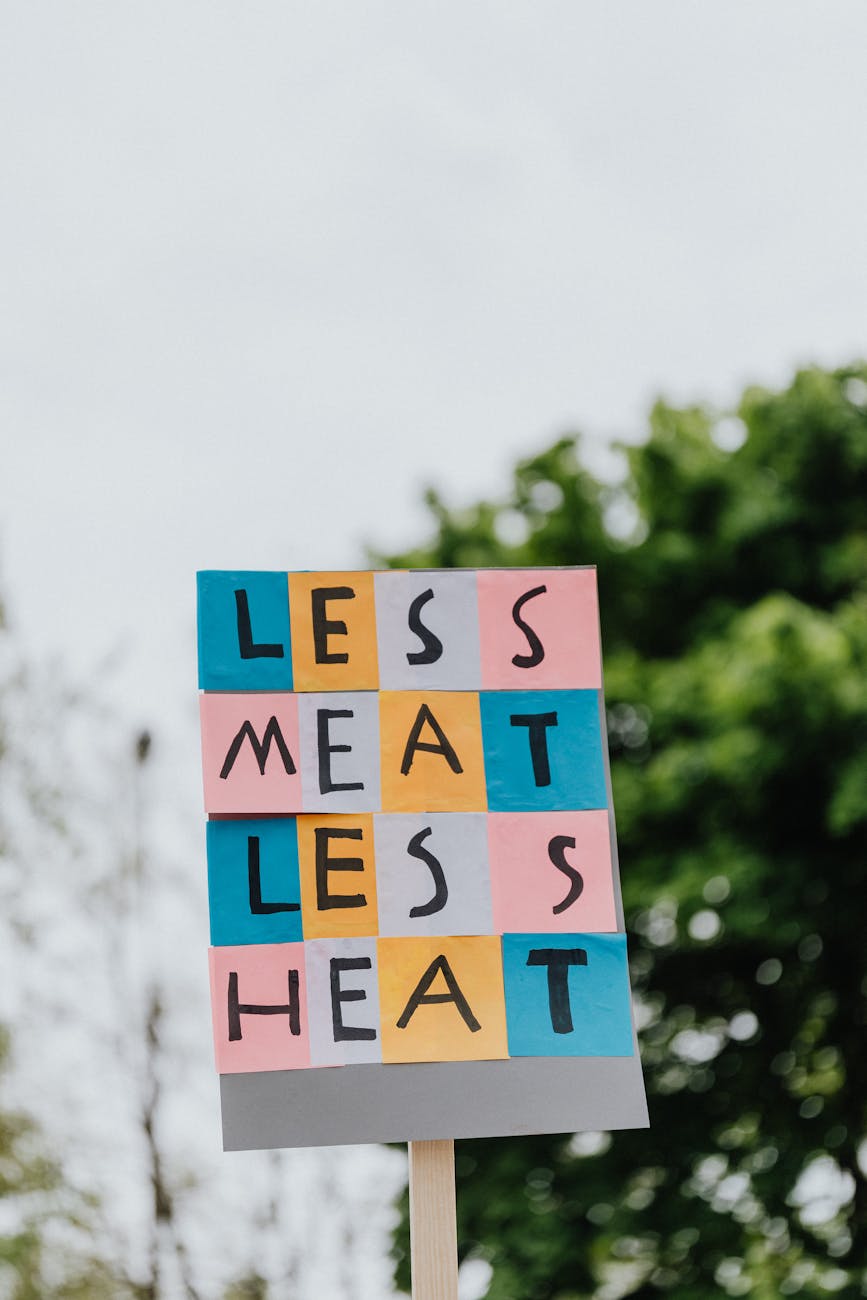
I read an article recently that discusses the concept of moral disengagement in the context of meat consumption. It highlights the significant negative impacts of meat production and consumption on the environment, animal welfare, and human health. These include contributions to climate change, biodiversity loss, water pollution, and diet-related diseases, along with concerns over poor working conditions in the meat production sector.
For a shift towards sustainability, especially in high-income countries, there is the need for reducing meat consumption. However, there is a discrepancy between these sustainability imperatives and consumer demands, both at the societal and individual levels. Many individuals intend to reduce meat consumption but often fail to do so, leading to cognitive dissonance when their dietary choices conflict with their beliefs or values.
The theory of moral disengagement is proposed as an explanation for why people continue to eat meat despite recognizing its negative consequences. Moral disengagement involves mental strategies that people use to justify or rationalize morally questionable actions, allowing them to disengage from the guilt associated with these actions. The article identifies eight mechanisms of moral disengagement employed by meat consumers:
- Moral Justifications: Framing meat consumption as serving a socially valuable purpose.
- Euphemistic Labelling: Using softer language to describe harmful behaviors.
- Advantageous Comparison: Comparing meat consumption with worse actions to make it appear less harmful.
- Displacement of Responsibility: Attributing responsibility to external factors or authorities.
- Diffusion of Responsibility: Sharing responsibility with a group to lessen individual accountability.
- Disregard or Distortion of Consequences: Ignoring or minimizing the harm caused.
- Dehumanization: Denying the sentience or feelings of animals.
- Attribution of Blame: Shifting blame onto the animals themselves.
These justifications help to soften feelings of guilt and reduce the motivation to decrease meat consumption. Research has found that meat eaters often deny or downplay the cognitive abilities of animals to ease their sense of guilt.
Additionally, they frequently justify meat consumption using the “4Ns”: describing it as natural, normal, necessary, or nice. Other justifications may involve appeals to religion, availability of meat, or personal freedom.
Moreover, the article notes a correlation between cultural ideals of masculinity, high meat consumption, and the tendency to utilize moral disengagement strategies. Understanding these cognitive processes can be crucial in developing more effective approaches to encourage reduced meat consumption and promote more sustainable dietary practices.
What do you think about the moral disengagement linked to meat consumption?
Thank you for reading! Please sign up for my blog crisbiecoach so you don’t miss out on any posts and also for Wise&Shine an incredible online magazine!
 Crisbie Coach