

“Mi chiedeva di metterla in copia di tutte le email, anche quelle più banali. A volte bussava alla porta del mio ufficio per chiedermi se stavo bene perché avevo passato molto tempo in bagno, quando in realtà erano trascorsi appena cinque minuti. Controllava quando entravo e quando uscivo dal mio ufficio per vedere quanto tempo mi assentavo. La pressione che esercitava controllando ogni dettaglio del mio lavoro era asfissiante, più che esagerata e soprattutto controproducente.”
Questa è solo una testimonianza di un’impiegata che ha lavorato con un micro-manager. Qui, invece, trovi la mia testimonianza, descritta sulla base di circa otto anni di lavoro con due manager diversi, in due posti di lavoro diversi, ma con comportamenti simili.
Che cos’è il micromanagement esattamente? Si tratta di una pratica manageriale tramite la quale il manager esercita un controllo esaustivo delle azioni, dei compiti, delle funzioni e delle responsabilità delle persone all’interno dell’organizzazione a lui/lei subordinate a livello gerarchico.
È tipico anche che questo tipo di manager chieda di vedere un’email prima che venga inviata, come è anche tipico voler essere informato di tutte le decisioni che l’impiegato/a prende, perché il manager ritiene che la persona non possa prendere decisioni da sola.
Un micro-manager combina l’impazienza e la sfiducia con un controllo assoluto dei compiti assegnati ai suoi subordinati.
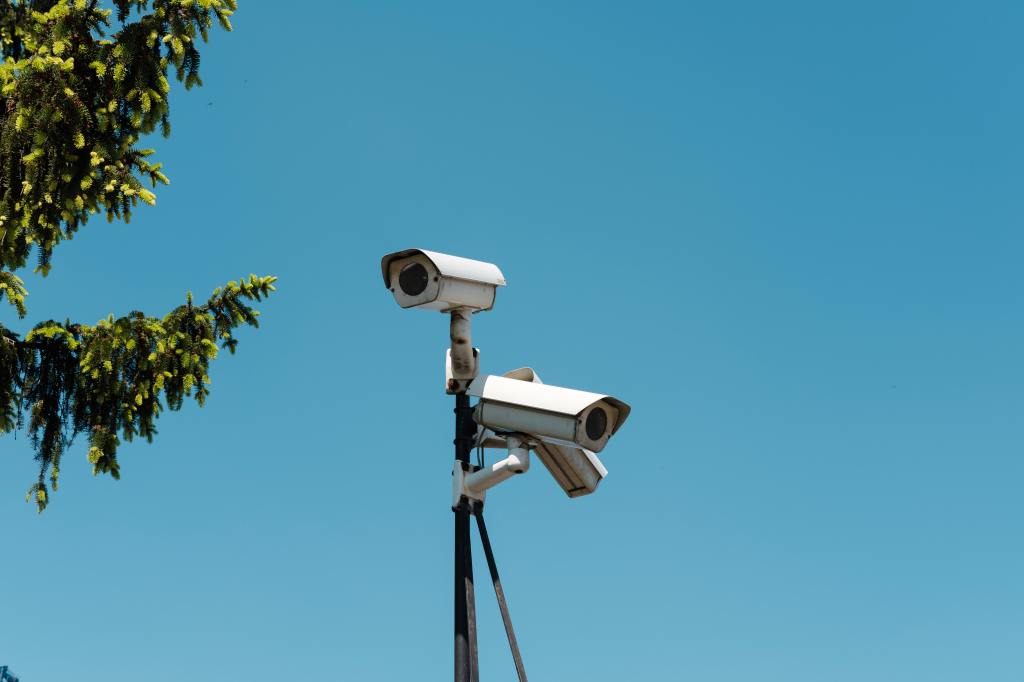
La situazione assomiglia agli schemi che servivano alla “Psicopolizia” per sorvegliare scrupolosamente ogni movimento dei personaggi del romanzo “1984” di George Orwell.

Come succede nel libro, le conseguenze di questa pratica di controllo ferreo sugli impiegati sono devastanti. Il capo ci guadagna in tranquillità ma i collaboratori ne soffrono e oltretutto sono meno produttivi. Infatti, questo sistema crea dei colli di bottiglia che causano un rallentamento di tutte le attività. Questi tipi di manager vogliono guadagnarsi una buona reputazione ed evitare che un superiore possa dar loro la colpa che qualcosa sia stato fatto male.
La parte peggiore però ricade sugli impiegati. Molte volte non sanno come dare priorità alle cose che devono fare, perché il capo cambia continuamente le sue priorità sulla base dell’urgenza che arriva, o perché un superiore glielo chiede o perché è un’esigenza del mercato. Gli impiegati perdono in creatività e in autostima. Si stabilisce una “cultura della paura”, dove tutto è soggetto agli ordini del superiore. Questo può provocare assenteismo per malattia.
A parte vere e proprie malattie di tipo psicosomatico che possono insorgere, si sviluppano anche delle situazioni psicologiche per le quali la persona si sente senza valore, diventa sempre più piccola fino a dubitare delle sue capacità. Ci si comincia a chiedere: “Sono capace di farlo?”, “Mi sono sbagliata lavoro?”, “Perché mi controlla così, cosa ho fatto di male?”. E può anche succedere che si lascia il lavoro, anche se magari si ha un buon stipendio. Quando una situazione non si riesce a cambiare o accettare, si deve lasciare andare, abbandonare e, in questo caso, ci si potrebbe appunto licenziare.
È importante sapere che le persone non lasciano il lavoro che fanno, ma lasciano il loro capo.
Ma perché i manager cadono in questa trappola?
Se il micromanagement rovina l’ambiente di lavoro, la salute degli impiegati, e risulta dannosa persino ai capi che perdono in produttività fino ad arrivare alla perdita dei loro collaboratori, perché non si può evitare questo controllo totale e costante? I capi non hanno abbastanza lavoro di cui occuparsi?
Ci sono diverse cause possibili.
Primo, il capo stesso subisce delle pressioni dall’alto, siano esse dai propri capi, dagli azionisti, dal mercato o dalla concorrenza.
Secondo, l’incompetenza. Il manager si sente insicuro perché i suoi impiegati sono piú bravi di lui/lei oppure non sono adatti a quel tipo di lavoro.
La terza causa è chiara e diretta: la personalità ossessiva del capo che lo rende incapace di organizzare il suo lavoro di gestione.
Qualsiasi sia la causa, è necessario analizzare quanto sta succedendo per poter mettere fine a questa situazione il più presto possibile.
Normalmente ci si dovrebbe rivolgere alle risorse umane per esporre la situazione. Ma puó accadere che anche alle risorse umane ci siano dei micro-manager. Parlo per esperienza diretta, ho lavorato alle risorse umane per più di 10 anni e ho visto tanto micro-manager lavorare con me.
In alternativa, ci si potrebbe rivolgere al superiore gerarchico chiedendo di mettere in atto delle tecniche, magari con l’aiuto di un coach.
Una tecnica potrebbe essere quella del semaforo. Insieme al capo si definiscono i limiti di controllo ammissibili, cioè da non oltrepassare. Qualora questi limiti venissero superati si lanciano dei segnali alla persona al comando. Quando il superiore li riceve, identifica il suo comportamento e cerca di controllarlo.
Un’altra strategia è quella di definire il profilo del capo e di ogni membro del team, analizzandone le caratteristiche personali, professionali e comunicative. Una volta completata questa “radiografia” il capo deve rispondere a queste tre domande:
- Che stile di leadership utilizza con ogni impiegato;
- Quale stile di leadership necessiterebbe ogni impiegato;
- Quali modelli di leadership desidererebbe utilizzare in concreto con quell’impiegato.
Il capo potrebbe rendersi conto a questo punto che il tipo di leadership che sta utilizzando è in linea con il ruolo di quella persona, ma non è ciò di cui quel dipendente, per via della sua personalità, ha bisogno. Adottando questo cambio di paradigma, il capo inizia a pensare non dal suo punto di vista, ma da quello del suo collaboratore.
Sebbene queste strategie possano sembrare fantascienza, con il tempo e la volontà di cambiamento, il successo è assicurato.
Tu hai mai lavorato con un capo maniaco del controllo?
Ti è piaciuto questo articolo? Sul mio blog ne puoi trovare molti altri, perché non ti iscrivi? Cosí non ne perderai nessuno!

 Crisbie Coach